
Star Wars: Tales from the Galaxy's Edge

Star Wars: Tales from the Galaxy's Edge

game

2020, Adventure

WISE
80%

WISE Score

73%

IGDB

A high-octane Star Wars adventure that puts you inside the theme park's lore without the $15 sodas.

Where to Play

Platform availability info not available. Search for "Star Wars: Tales from the Galaxy's Edge" on your preferred gaming platform.

Screenwise Verdict

If your kid is a Star Wars fan and you have a Quest headset, this is a no-brainer. It’s a polished, exciting, and largely safe way to let them live out their Jedi (or droid-repairman) fantasies without worrying about who they're talking to online.

It’s a bit short—more of an 'experience' than a 100-hour epic—but the quality of the ILMxLAB production makes it feel like a premium piece of the Star Wars canon. Just keep an eye on the clock; VR is taxing on the eyes and the stomach for younger players.
Age Fit

Best for ages 10 and up. While Common Sense says 13, many 10-year-olds with some VR experience will handle the 'fantasy violence' just fine, provided they don't get queasy.

WISE Breakdown
Wholesome
78

Classic Star Wars heroism and good-vs-evil themes. It lacks the grit of some modern spin-offs, keeping the tone closer to the theme park experience it's based on.

Imaginative
88

VR is the ultimate imagination machine here, letting players physically interact with droids and lightsabers. It expands the Batuu lore in a way that feels like a living story.

Safe
82

Single-player focus means no toxic chat or online harassment. The main safety hurdles are physical: VR motion sickness and the potential for kids to punch a wall while swinging at a training remote.

Enriching
72

Strong narrative-driven gameplay that rewards curiosity and exploration. While mostly pure entertainment, it fosters spatial awareness and quick decision-making.

Parent Info

Why It Might Be Great

  • Total Immersion that makes you feel like a character in the Star Wars universe, not just a spectator.
  • Zero Online Toxicity since it's a single-player experience with no open chat or multiplayer harassment.
  • Theme Park Synergy makes this a perfect 'pre-game' or 'post-game' for families planning a trip to Disney's Galaxy's Edge.
  • Physical Engagement keeps kids moving rather than slouching on a couch with a standard controller.

What to Watch For

  • VR Motion Sickness is a real possibility, especially during high-speed combat or movement; keep play sessions short initially.
  • Jump Scares involving space creatures and sudden droid ambushes can be intense for kids who are already sensitive to the 'presence' of VR.
  • Blaster Violence is constant, though bloodless and focused on droids and armored troopers, consistent with the films.

Conversation Starters

  • "If you were a droid repair technician in the Star Wars universe, what kind of specialized tools would you want on your belt?"
  • "How does it feel to face a villain in VR compared to watching one on a TV screen?"
  • "Which side of the conflict on Batuu seems more 'right' to you after seeing them up close?"
  • "If you could travel to any other Star Wars planet in VR, where would we go next?"

Deep Dive

The Park in Your Living Room

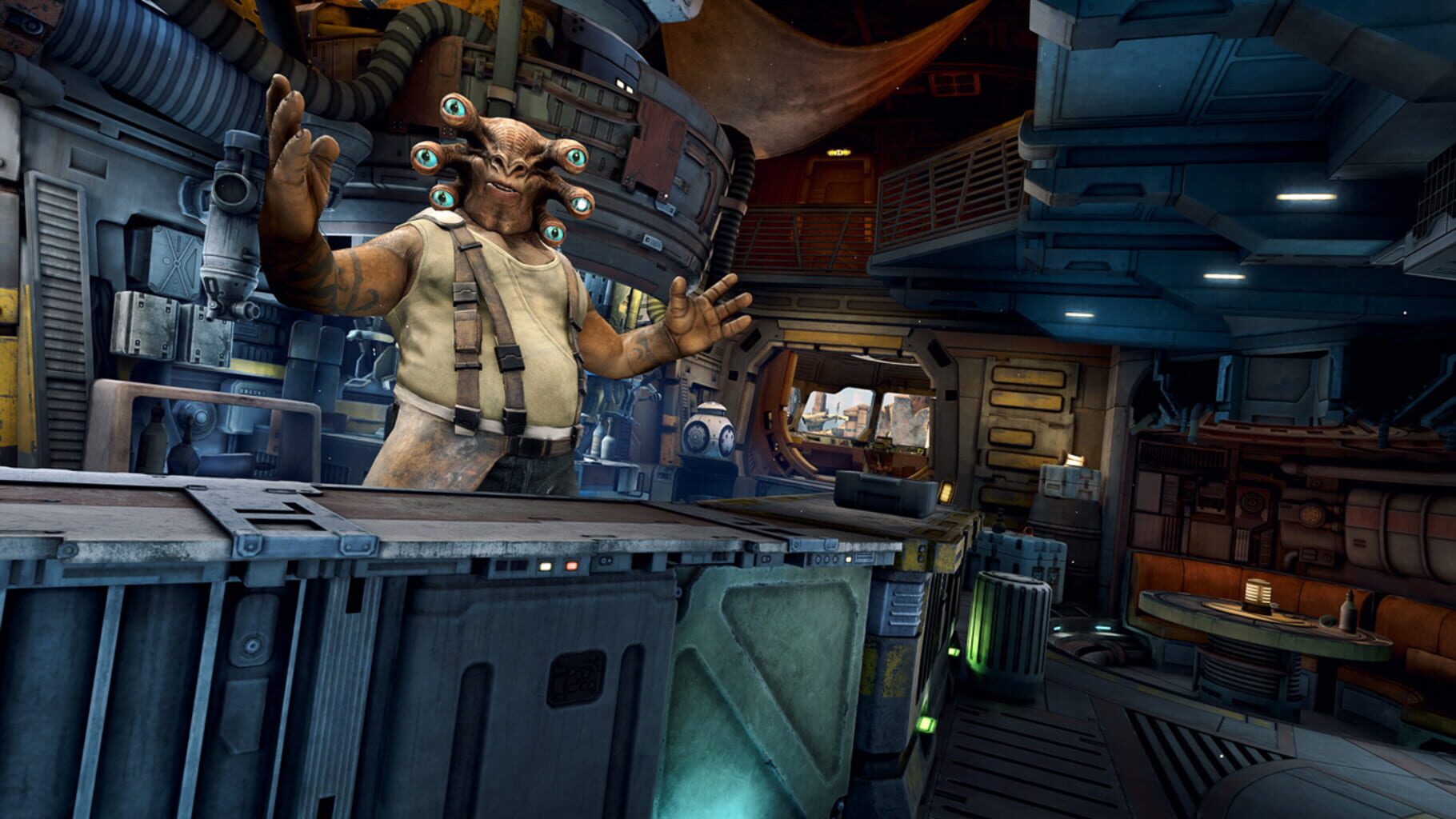
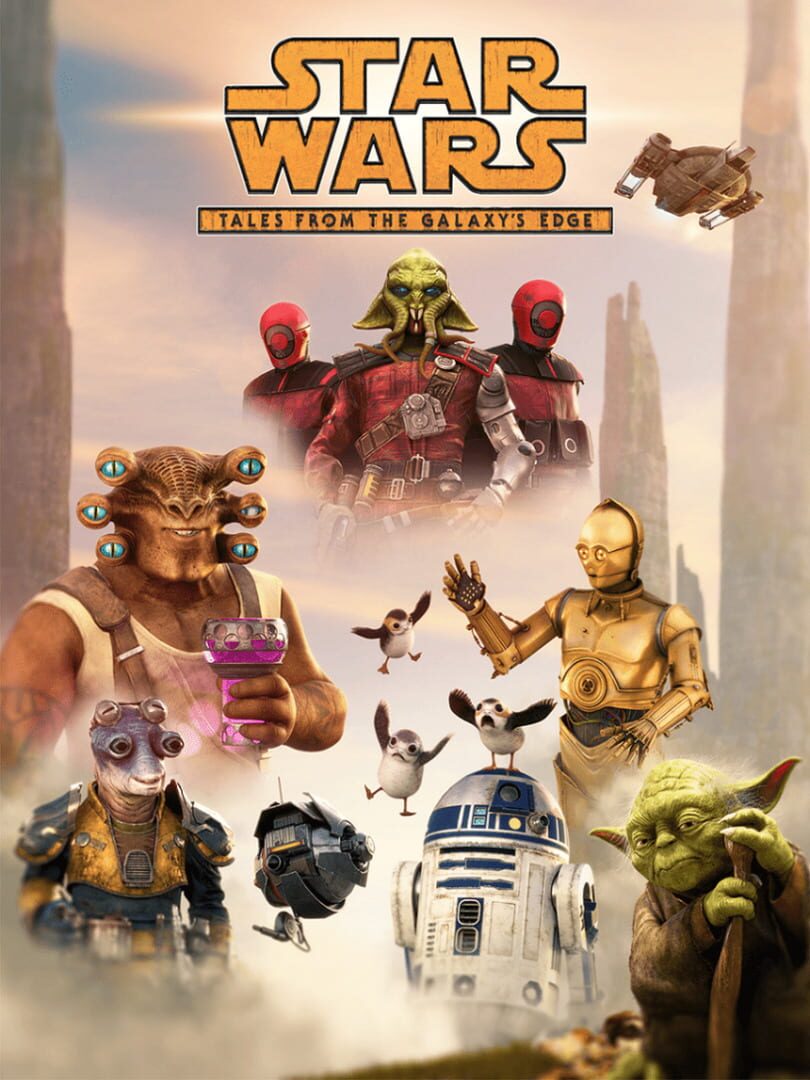
Tales from the Galaxy's Edge isn't just a random Star Wars game; it's a direct extension of the Batuu experience found at Disneyland and Disney World. For kids who have been to the park, seeing See-Threepio or the droid depot in VR is a massive 'wow' moment. For those who haven't, it's a great way to experience that specific corner of the galaxy.

Mechanics Over Mindless Clicking

Unlike standard console games, this requires some dexterity. You aren't just pressing 'X' to reload; you're physically grabbing power cells and slotting them into your blaster. This adds a layer of mechanical enrichment that traditional gaming lacks. It forces a level of focus and coordination that feels more like 'doing' than 'playing.'

The VR Factor

We need to talk about the 'Safe' score. While the content is squeaky clean by Star Wars standards, VR itself is a heavy lift for developing brains. Most manufacturers recommend ages 13+ for hardware reasons (IPD/eye-tracking fit and balance). If you’re letting a 10-year-old in, make sure the headset is adjusted correctly and that they have a clear 'guardian' boundary so they don't end up tackling the TV while trying to hide from a Stormtrooper.

What Parents Ask

Ask Anything

Get a personalized guide on any topic