The "Fable" trap
If you go into this expecting a chronological history lesson or the soapy, high-stakes political maneuvering of The Crown, you are going to be annoyed. That 52% audience score on Rotten Tomatoes is a giant red flag that says a lot of people felt misled. This isn't a biopic; it’s a psychological pressure cooker.
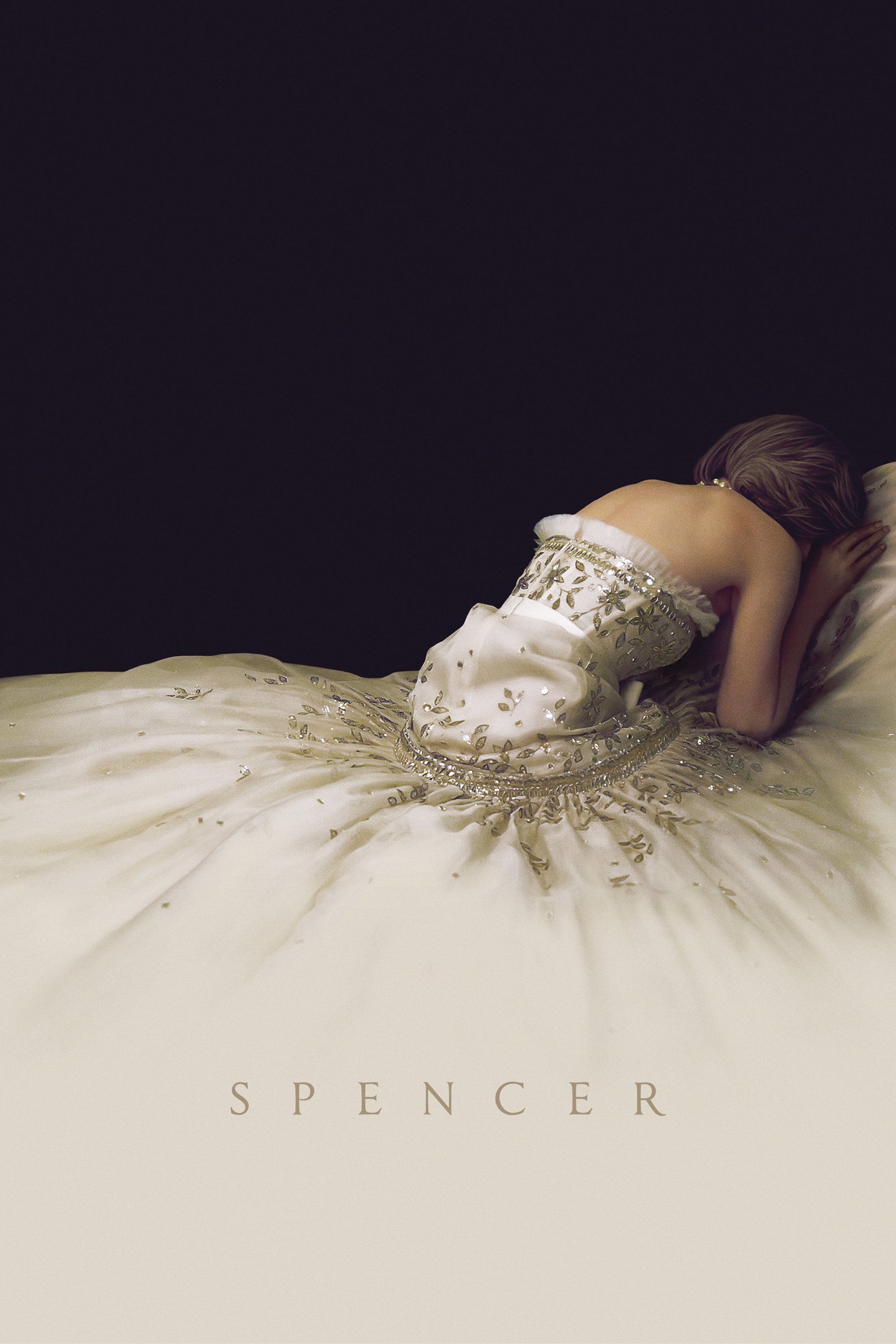
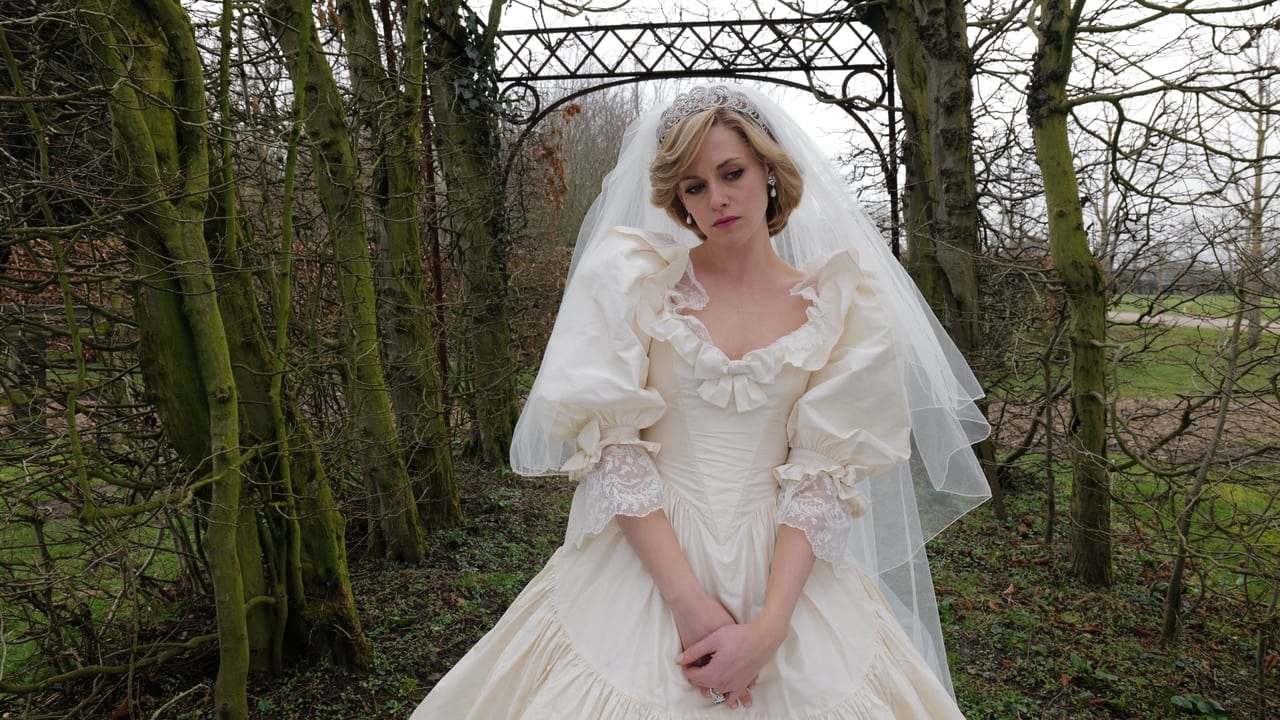
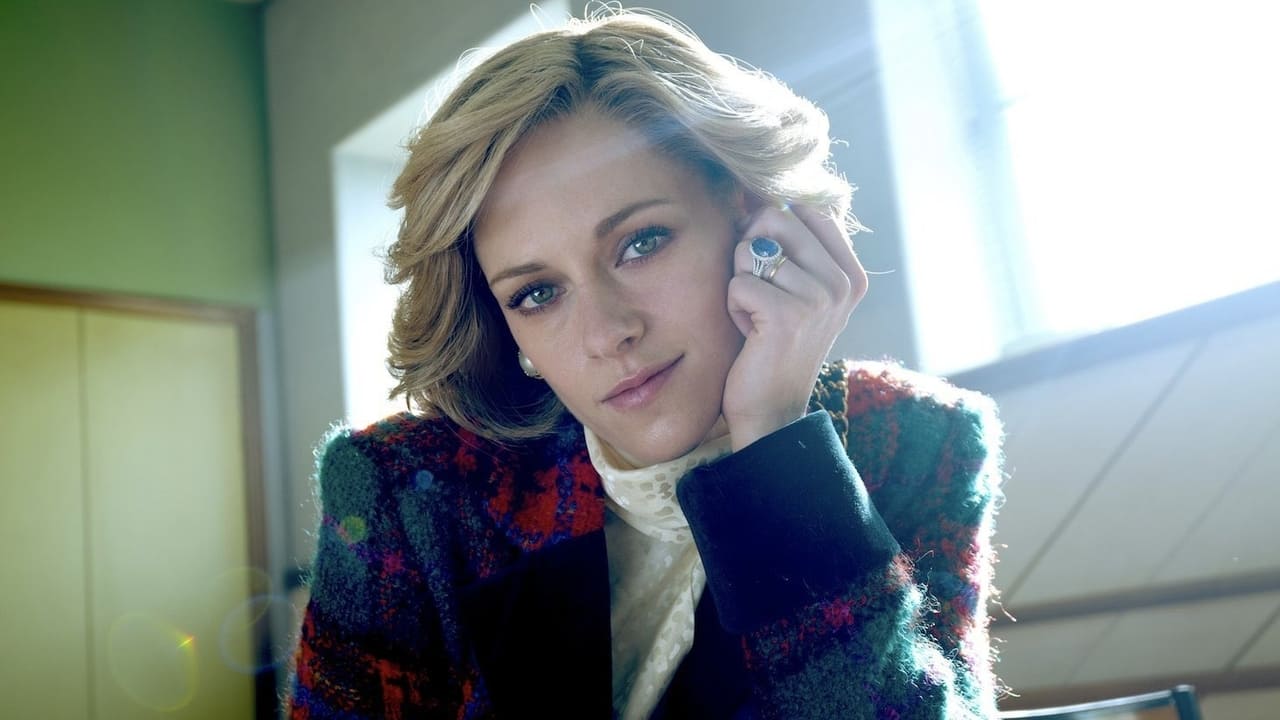
The movie opens with a title card calling it "a fable from a true tragedy." It means the filmmakers aren't interested in what actually happened during that 1991 Christmas at Sandringham. They’re interested in how it felt to be Diana. For a teen who usually finds historical dramas "mid" or "boring," this might actually be the thing that hooks them because it feels more like a survival movie than a costume drama.
It’s a horror movie in disguise
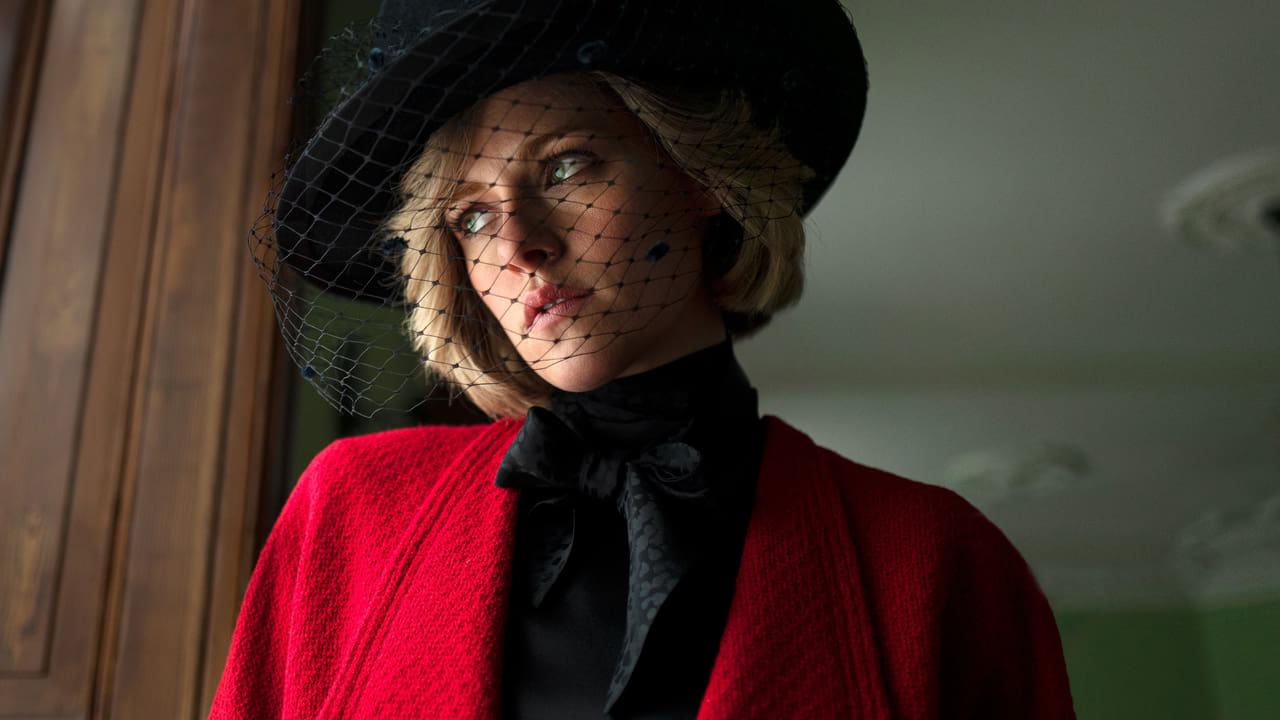
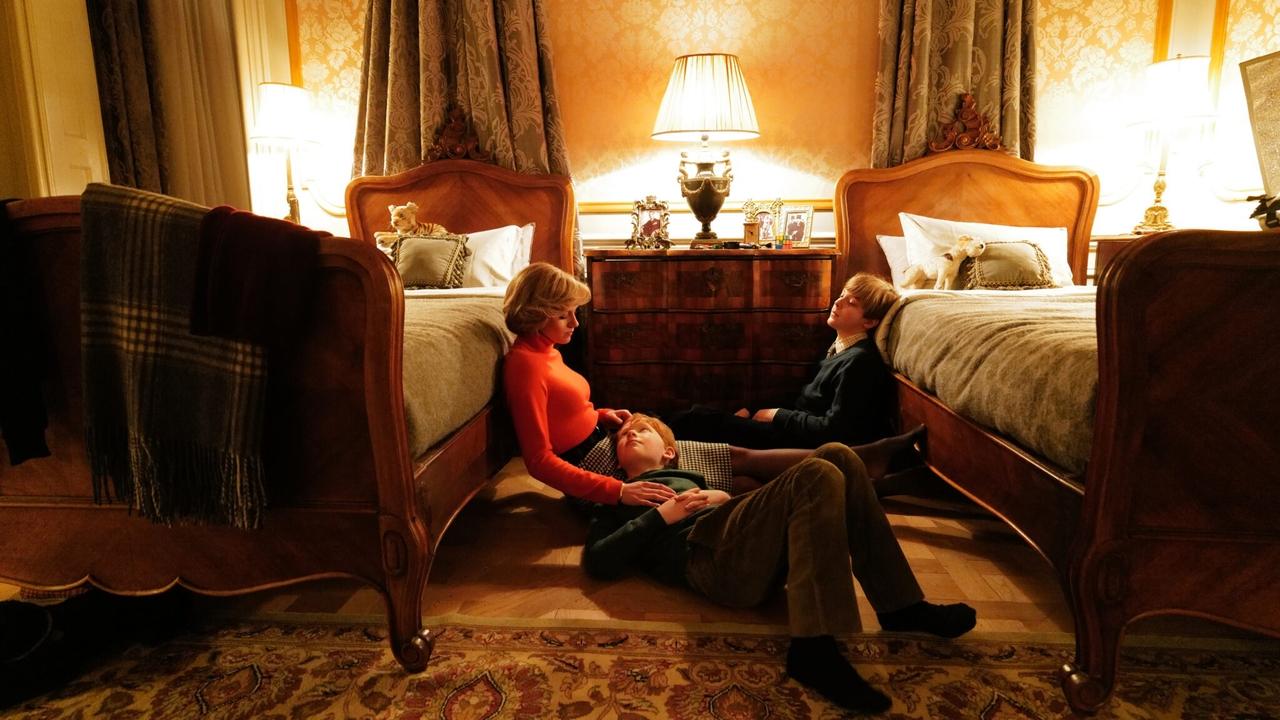
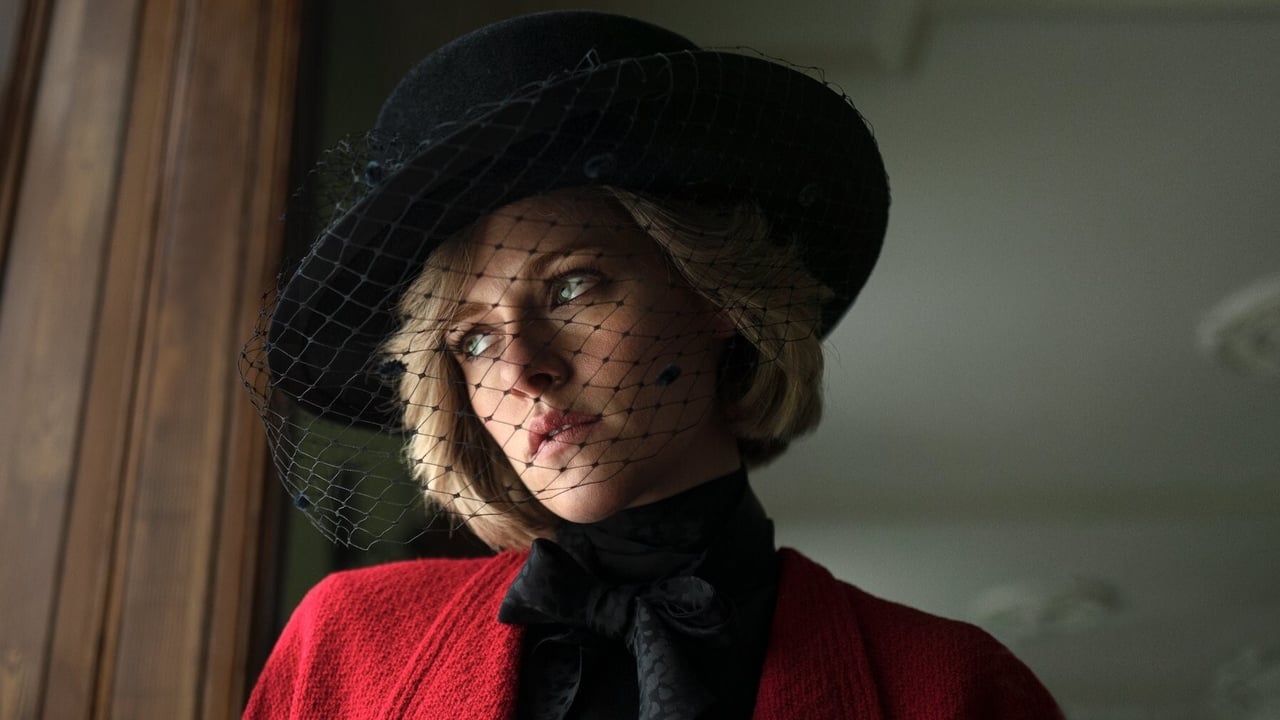
Critics keep calling this a "haunting reimagining," and they aren't being metaphorical. The Sandringham estate is shot like the Overlook Hotel. Everything is cold, the curtains are literally sewn shut, and the royal family moves in the background like silent, judgmental ghosts.
The friction for a viewer—especially a younger one—is the claustrophobia. There is a specific scene involving a string of pearls and a bowl of soup that is more tense than most jump-scares in a standard slasher flick. It’s visceral and uncomfortable. If your kid is sensitive to "cringe" or high-anxiety situations, this will be a tough watch. But for a student interested in film as an art form, the way the cinematography and that jagged jazz score work together to create a sense of panic is masterful.
The "The Crown" litmus test
If you’ve been watching the royal family’s drama as a household, Spencer is the ultimate "compare and contrast" exercise.
- The Crown is about the institution and how the people serve the crown.
- Spencer is about the person being crushed by the crown.
If your teen is a fan of the "sad girl aesthetic" or enjoys stories about outsiders trying to break free from rigid systems, they’ll likely vibe with this. If they want to know the "tea" about the real-life royal scandals, they’ll find this frustratingly vague.
Handling the heavy stuff
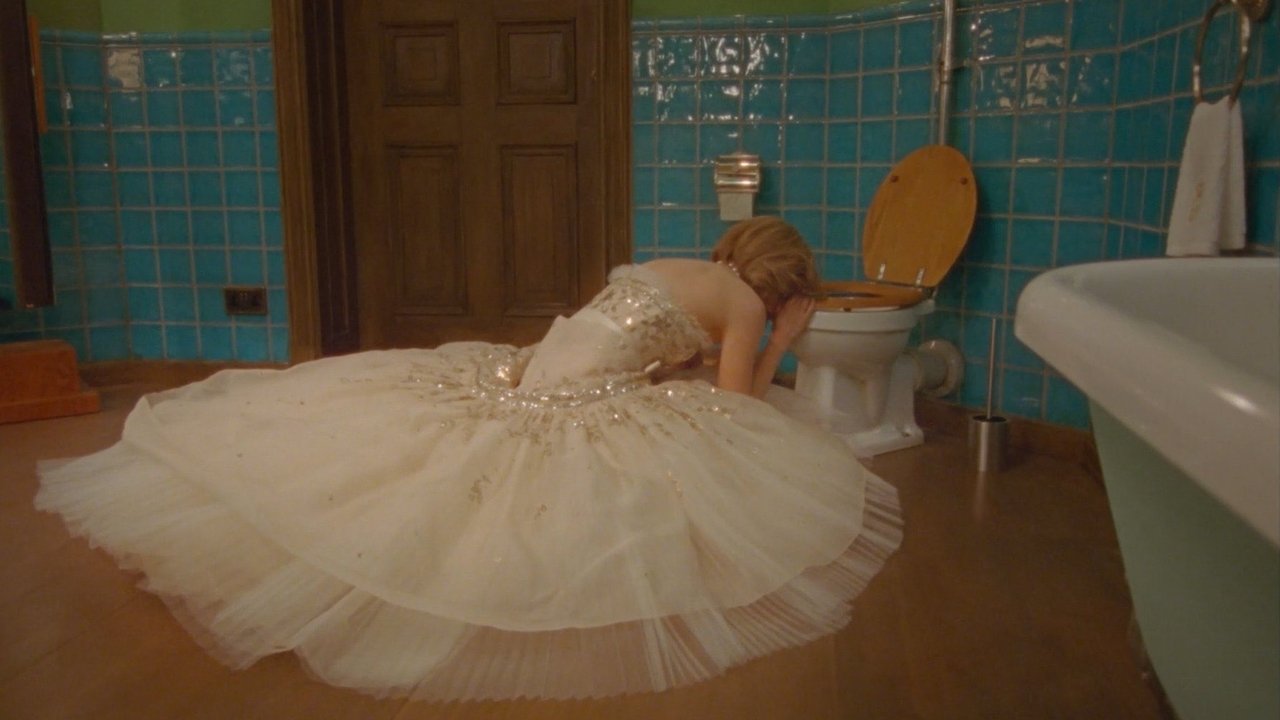
The depictions of bulimia and self-harm are not "blink and you'll miss it" moments. They are central to the story’s metaphor for Diana’s loss of control. It’s worth noting that the movie doesn't glamorize these struggles, but it doesn't look away, either.
"Knowing this will not fully prepare you," as one critic put it.
The film expects the audience to sit in that distress. It’s a great pick for a weekend where you actually have time to talk afterward. If you’re just looking for something to have on in the background while you scroll on your phone, pick something else—this requires your full attention to get anything out of it.