The Tim Burton of shonen anime
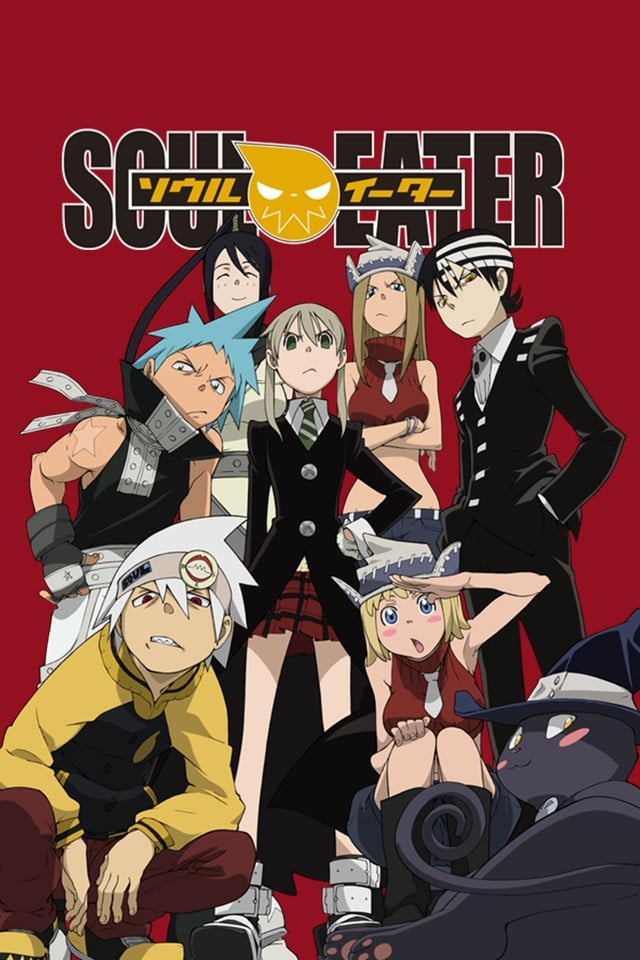
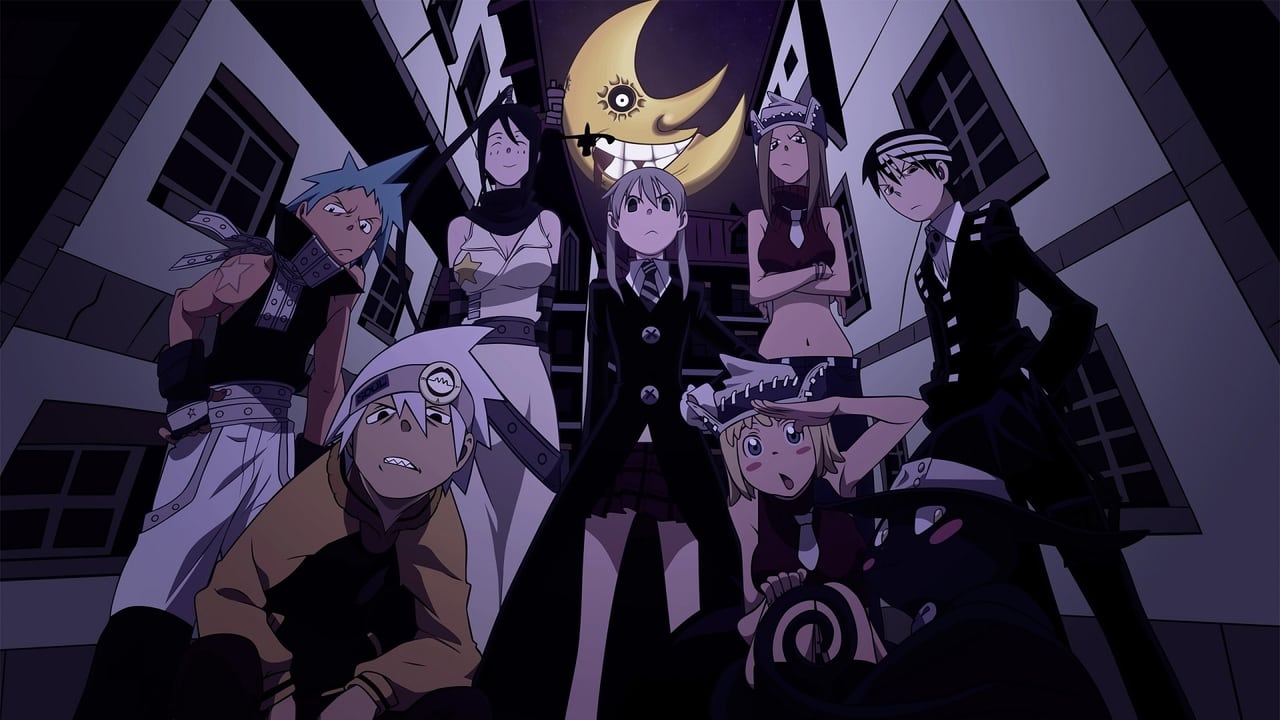
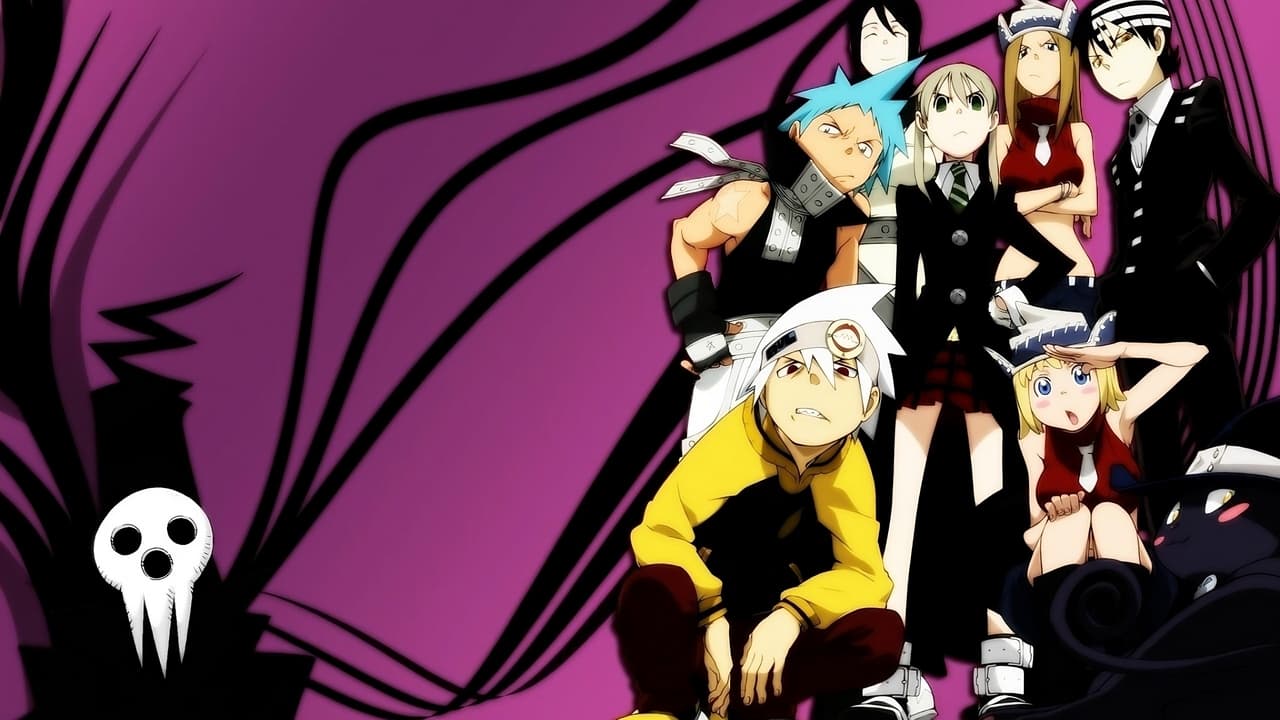
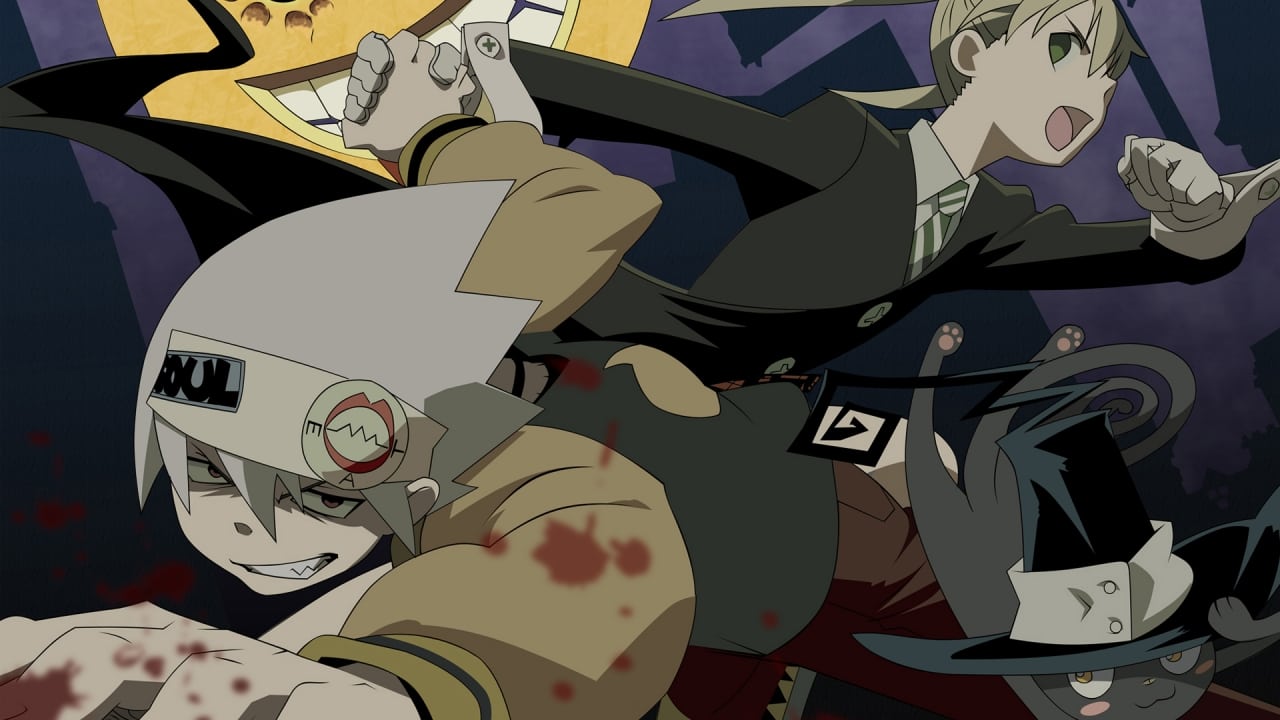
Even in 2026, Soul Eater looks better than half the shows coming out today. While modern hits rely on hyper-realistic lighting and 3D backgrounds, this series leans into a sketchbook aesthetic that feels like a gothic fever dream. The moon has a face and bleeds. The sun cackles. Everything is jagged, weird, and dripping with a specific early-2000s "Hot Topic" energy that kids are currently rediscovering.
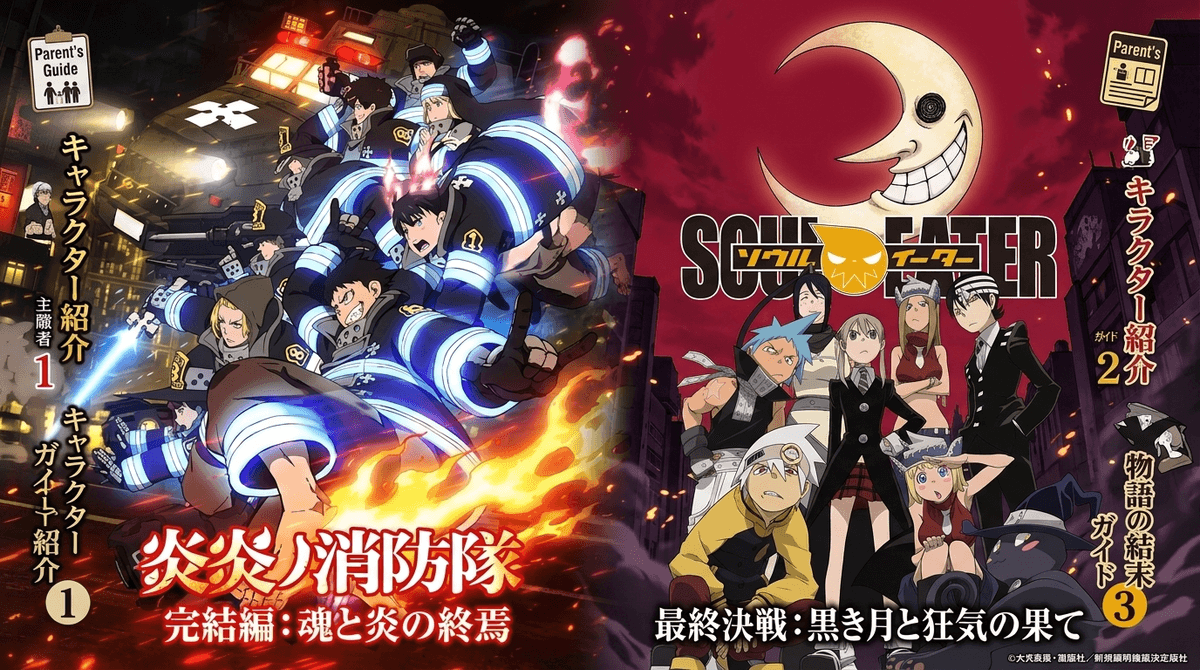
If your teen is currently obsessed with the Fire Force series finale, this is the mandatory history lesson. Both shows share the same creator, and you can see the DNA of those high-octane, creative fight scenes right here. It’s the perfect bridge for a kid who has finished the "starter" anime like Naruto but isn't quite ready for the heavy philosophical weight of Neon Genesis Evangelion.
A different kind of power couple
Most action anime for this age group focus on a lone protagonist getting stronger through sheer willpower. Soul Eater pivots to partnership. The central mechanic—a "Meister" wielding a "Weapon" who is also a person—is a clever metaphor for puberty and social dynamics.
Maka and Soul have to sync their "soul wavelengths" to win. If they aren't on the same page emotionally, they literally can't function in a fight. It makes the combat feel personal. It’s less about who has the biggest laser beam and more about who has the most trust in their partner. For a middle or high schooler navigating the minefield of teenage friendships, that's a surprisingly resonant hook.
The "Blair" speed bump
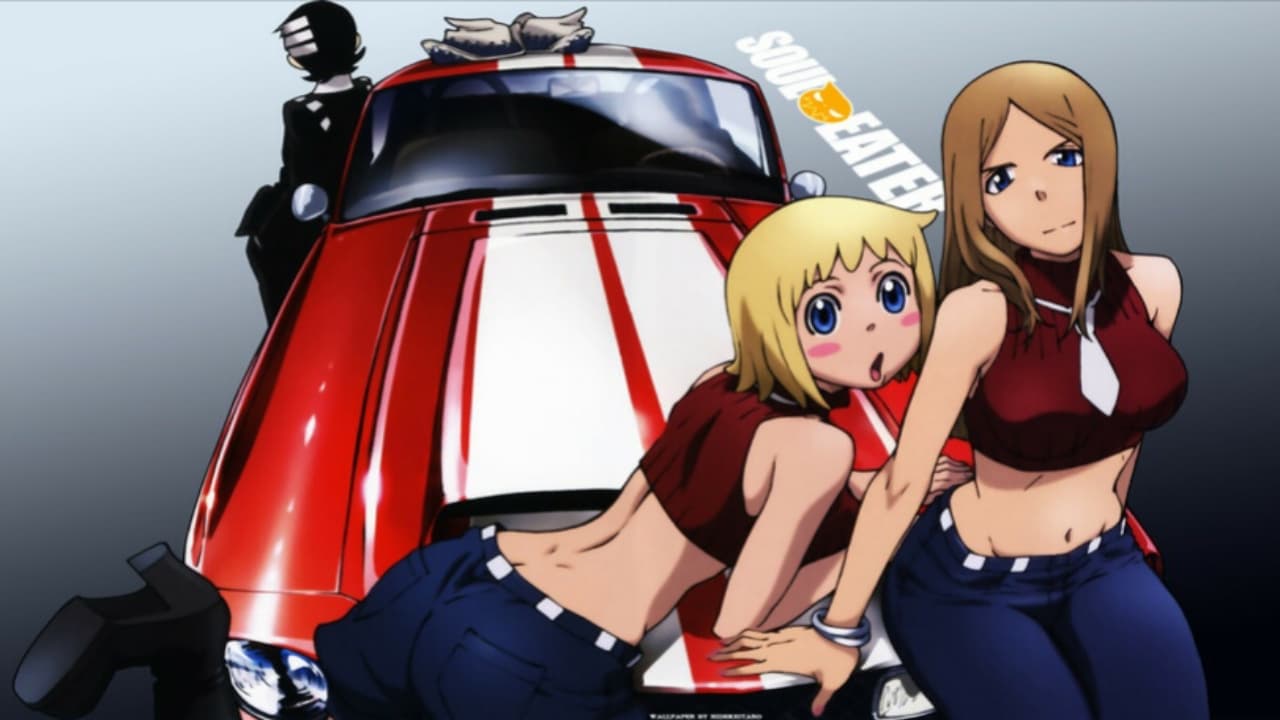
We have to talk about the cat. Blair is a magical being who shifts between a feline and a woman, and she is the primary source of the show’s fan service. In the first few episodes especially, the "nosebleed" humor (a trope where characters have an exaggerated reaction to seeing someone in a towel or bathtub) is thick.
It’s eye-roll territory for most adults and can feel wildly out of place given how cool the rest of the show is. If you’re watching with your kid, it’s worth a quick "yeah, this part is dated" acknowledgment. It doesn't ruin the show, but it is the one element that reminds you this aired in 2008.
The "read the manga" ending
If your kid gets to the final episode and seems confused or unsatisfied, they aren't alone. Critics generally love the series—evidenced by that perfect 100% critic score—but the audience rating is lower for a reason.
The anime was produced while the original comic was still being written, so the showrunners eventually had to make up their own ending to wrap things up. It’s a bit rushed and ignores some of the deeper lore that fans on Reddit still argue about. If they end up loving the world, the manga is the standard recommendation to see how the story "actually" ends. It’s a rare case where the source material is significantly darker and more complex than the TV version.