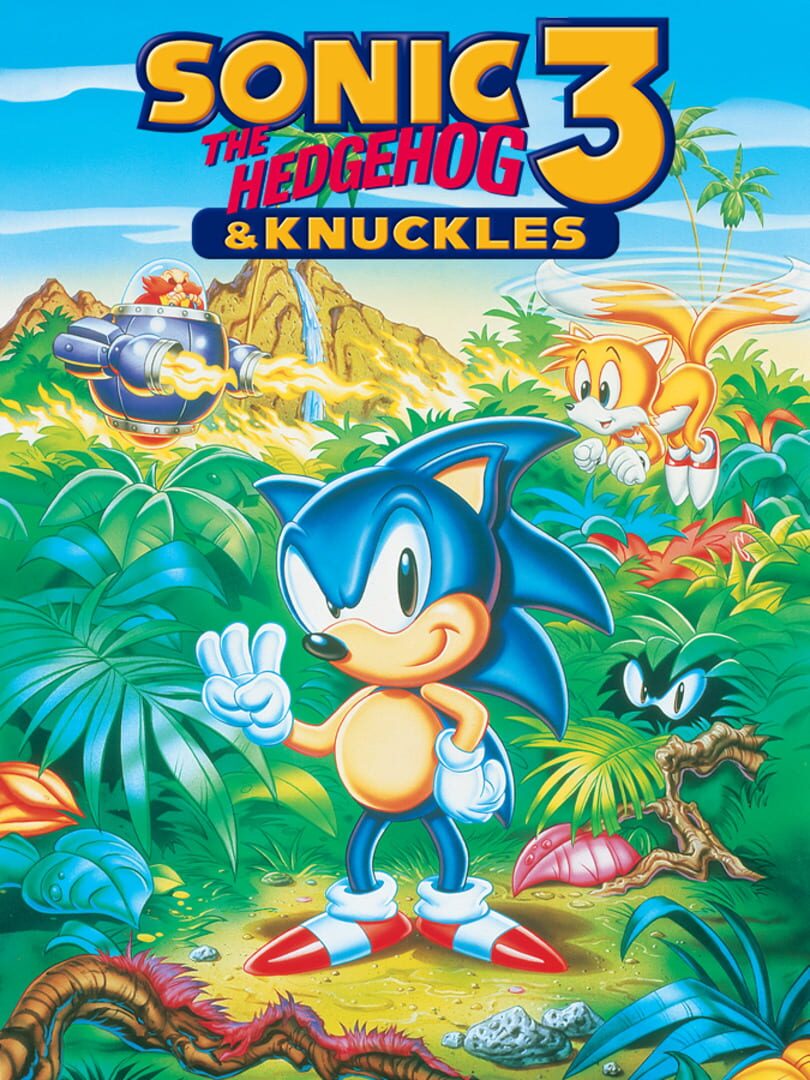
Why This Game Still Matters in 2026
Most games from the mid-90s are hard to go back to. They’re clunky, the camera is a mess, or the difficulty is just mean. Sonic 3 & Knuckles is the exception. It’s the result of Sega literally physically connecting two cartridges—Sonic 3 and Sonic & Knuckles—to create the game they originally intended to release before they hit a deadline.
What makes it stand out is the momentum-based physics. Modern Sonic games often feel like you're just holding 'right' to win, but here, you have to earn your speed. You use slopes, loops, and jumps to build velocity. For a kid, this teaches a weirdly intuitive sense of physics and timing that modern 'automated' platformers just don't touch.
The 'Lock-On' Legacy
If you're playing this via the Sonic Origins collection or an emulator, you might miss the physical novelty of the original 'lock-on' cartridge, but the game itself is better than ever. It includes the Super Emeralds, which allow for 'Hyper' forms of the characters, adding a massive secondary quest to the game that doubles the playtime.
The Music Controversy
It’s worth noting for the trivia-loving parent that the soundtrack was famously worked on by Michael Jackson and his team, though he went uncredited. You can hear it in the percussion and the chord progressions of levels like Ice Cap Zone. In newer re-releases (like Sonic Origins), some of these tracks have been replaced due to licensing issues, but the 'vibe' of the game remains untouchable.
How to Play It Now
Don't go hunting for a Genesis and the original cartridges unless you're a collector. The best way to play this today is through Sonic Origins Plus, which cleans up the visuals and adds a 'Wide' mode that makes the game much easier to see on modern TVs. It's a low-friction way to show your kid what the 'Console Wars' were actually about.