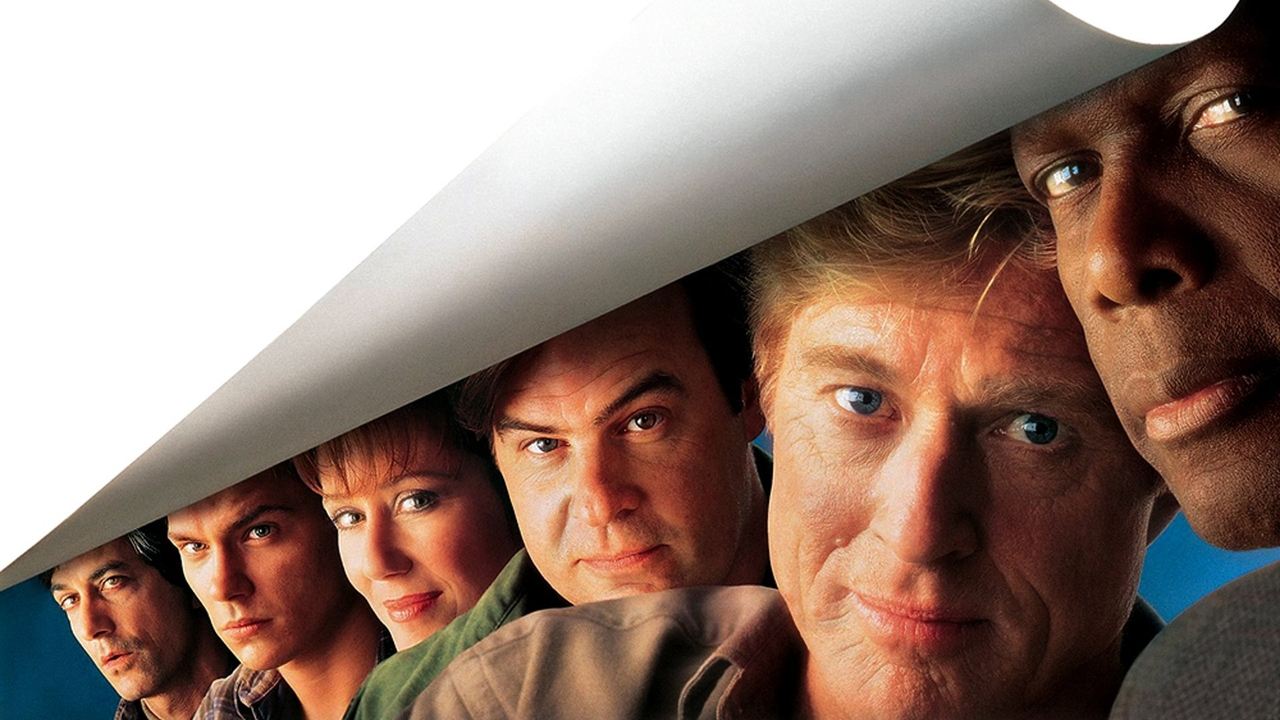
Why a 1992 computer movie still works
Most tech thrillers from the 1990s are museum pieces. You put them on for your kids and spend half the runtime explaining what a floppy disk is or laughing at someone yelling "I'm in!" at a cartoon firewall.
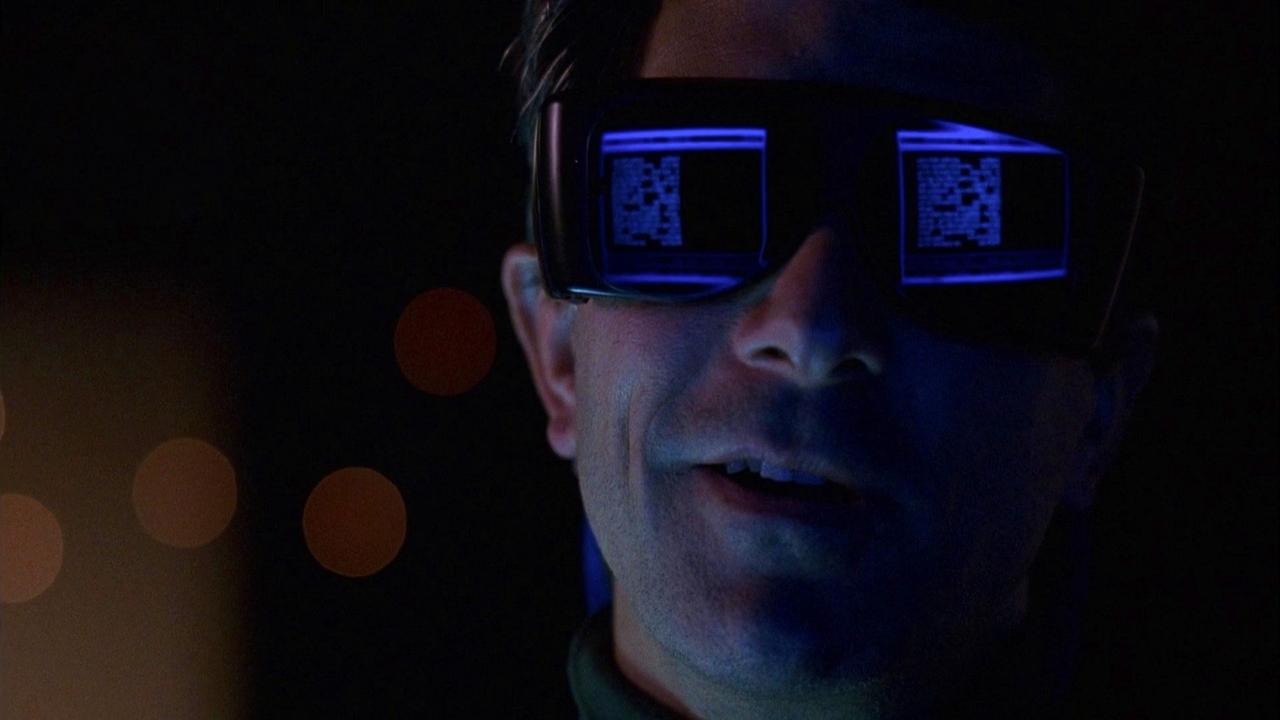
Sneakers dodges almost all of that because the writers—Phil Alden Robinson, Lawrence Lasker, and Walter F. Parkes (the same trio behind WarGames)—realized that watching people type is boring. Instead of focusing on the code, they focused on the physical and human side of security. Redford's team gets hired by banks to break into their own branches and expose flaws. They do it by charming receptionists, rigging kickball games to distract guards, defeating motion sensors with body-heat suits, and splicing voice recordings together.
The scenes that land with kids
Two sequences in particular hold a modern kid's attention better than almost anything made thirty years ago:
- The audio map: After Redford's character is blindfolded and driven to a secret location in the trunk of a car, the team has to find the building. Whistler (David Strathairn, playing a blind sound savant) asks him what he heard along the drive—a cocktail party, geese, a bumpy road, the hum of the tires changing pitch. Together they deduce the exact bridge, neighborhood, and driveway in the Bay Area. It's pure deductive reasoning on screen.
- The slow-motion walk: To beat a hallway full of motion detectors calibrated to normal human walking speed, the team has to move at two inches per second. It's tense, ridiculous, and requires zero explanation of 1990s computer architecture to understand.
How it compares to WarGames
If your family has watched WarGames (1983), Sneakers is the older, funnier sibling. Where WarGames is about a teenager accidentally triggering World War III from his bedroom, Sneakers is an adult ensemble heist about encryption and surveillance. The central MacGuffin—a chip that can break any encryption algorithm in the world, turning every bank, power grid, and air traffic control system into an open book—is basically a clean explanation of why modern cryptographers worry about quantum computing.