The Power of the RTA Program
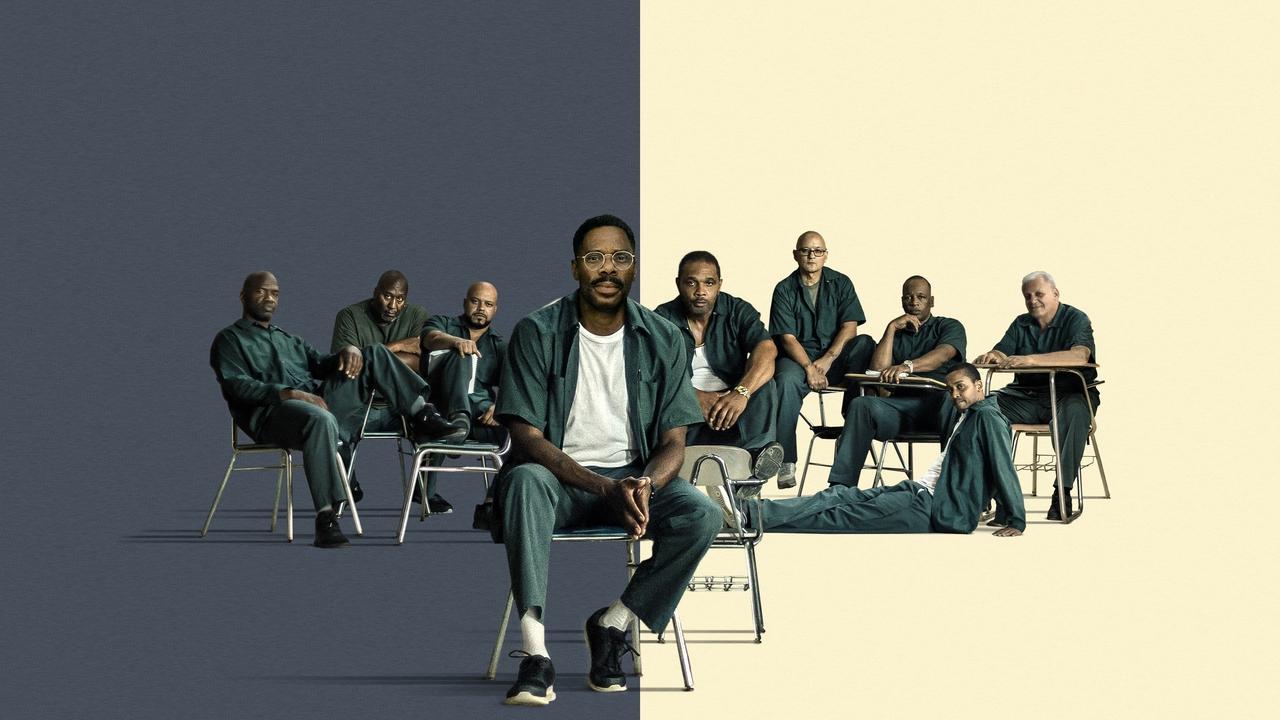
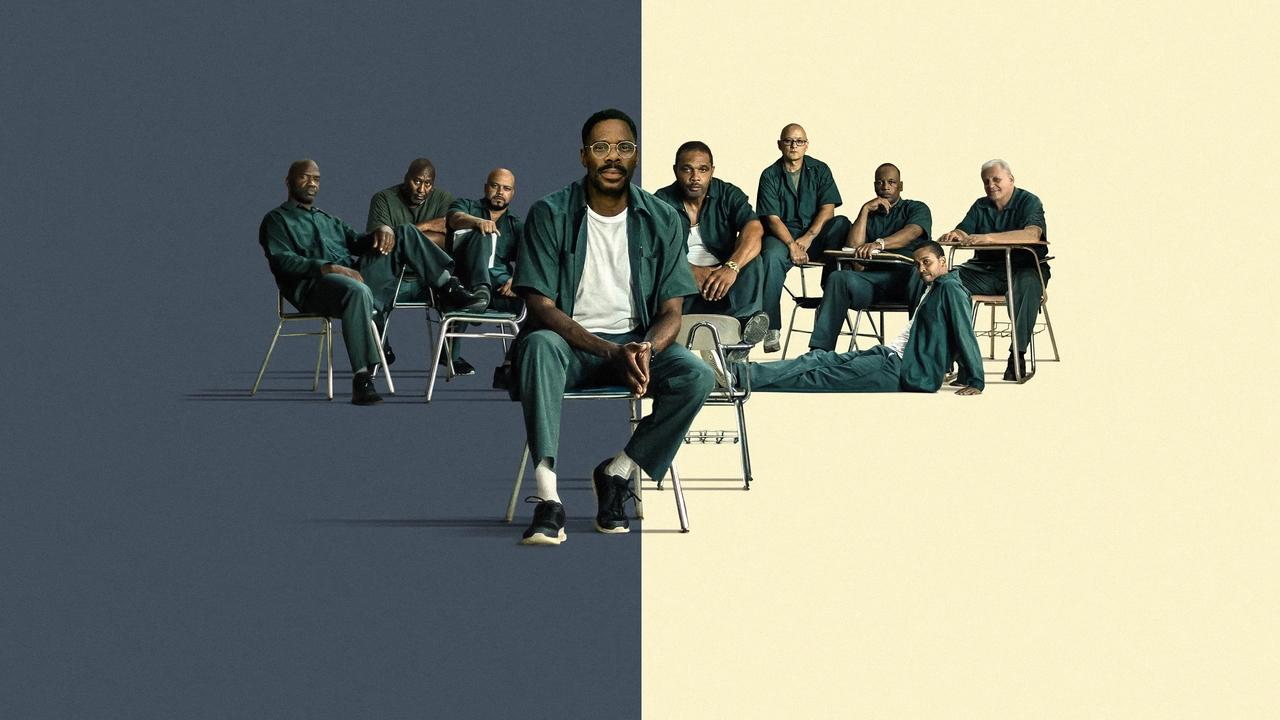
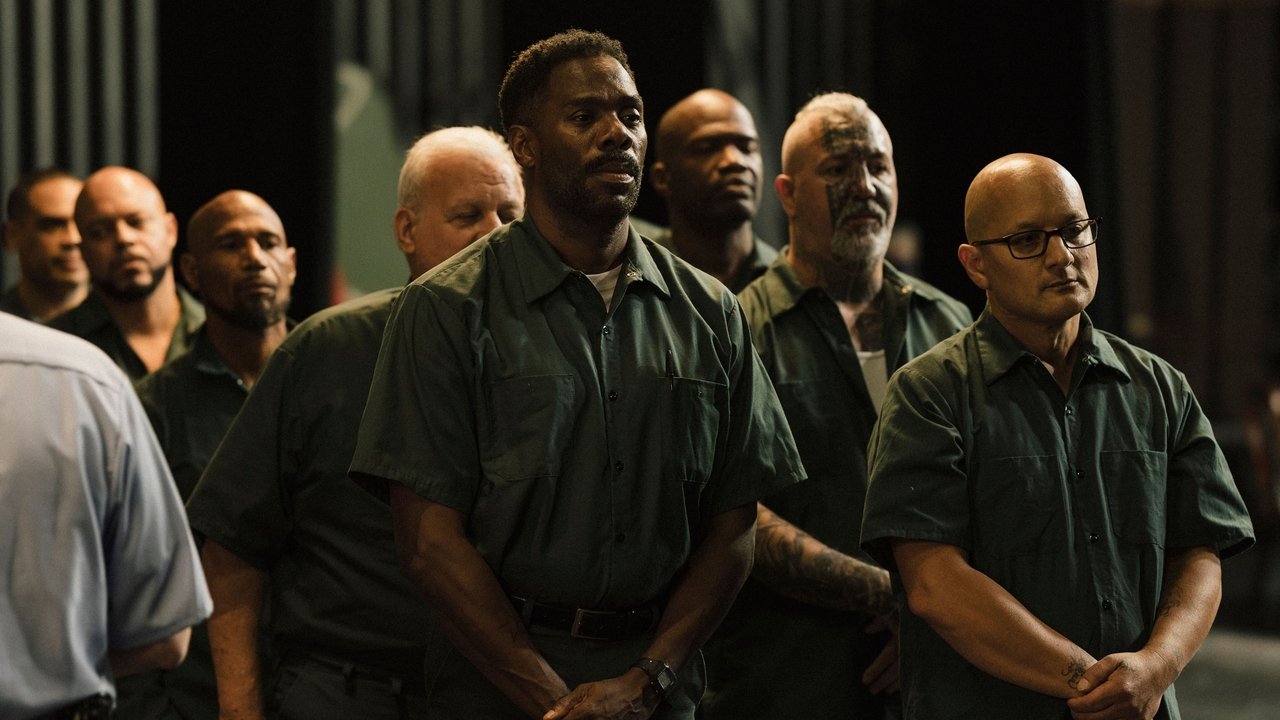
What makes Sing Sing feel different from every other prison drama you've seen is its DNA. The film was developed in close collaboration with the real-life Rehabilitation Through the Arts (RTA) program, which has been operating in New York prisons for decades. Many of the actors on screen are not professionals; they are men who actually went through the program while incarcerated at Sing Sing.
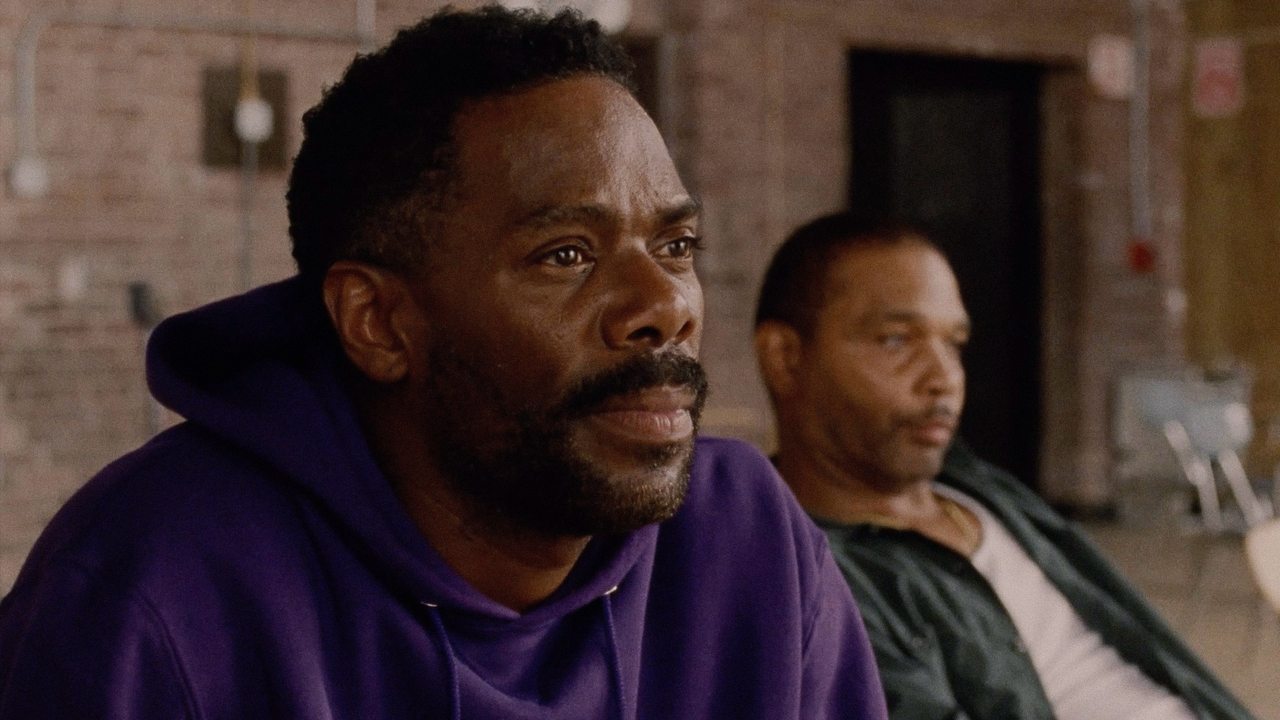
This isn't just a fun fact for the credits—it changes the entire energy of the film. When you see Clarence Maclin (who plays a version of himself) wrestling with the vulnerability required to perform Shakespeare, you aren't just watching a scripted scene. You're watching a reflection of a real, grueling emotional process.
Beyond the Bars
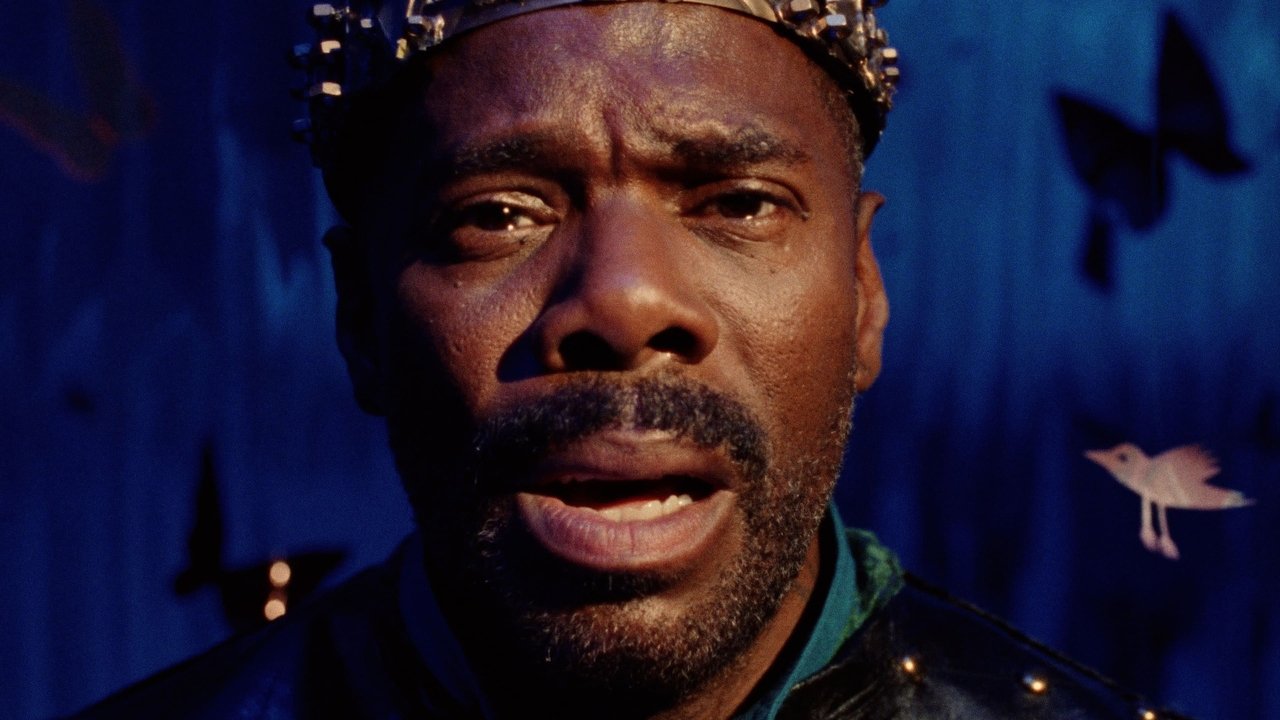
The film centers on the production of a ridiculous, time-traveling musical comedy called Breakin' the Mummy's Code. It’s a brilliant choice because it highlights the absurdity and the joy of the theater. Seeing men in a maximum-security facility commit to playing mummies and gladiators is both funny and profoundly moving. It underscores the movie’s central thesis: that the ability to play, to pretend, and to create is a fundamental human right that shouldn't be surrendered at the prison gate.
Why it Matters in 2026
Two years after its release, Sing Sing stands as a benchmark for how to tell stories about the marginalized without falling into 'trauma porn.' It treats its characters with a level of respect that is still too rare in Hollywood. For families, it’s a perfect bridge to talk about the complexities of the legal system, the reality of wrongful conviction, and why we should care about rehabilitation over mere punishment. It’s a quiet movie that makes a very loud point.