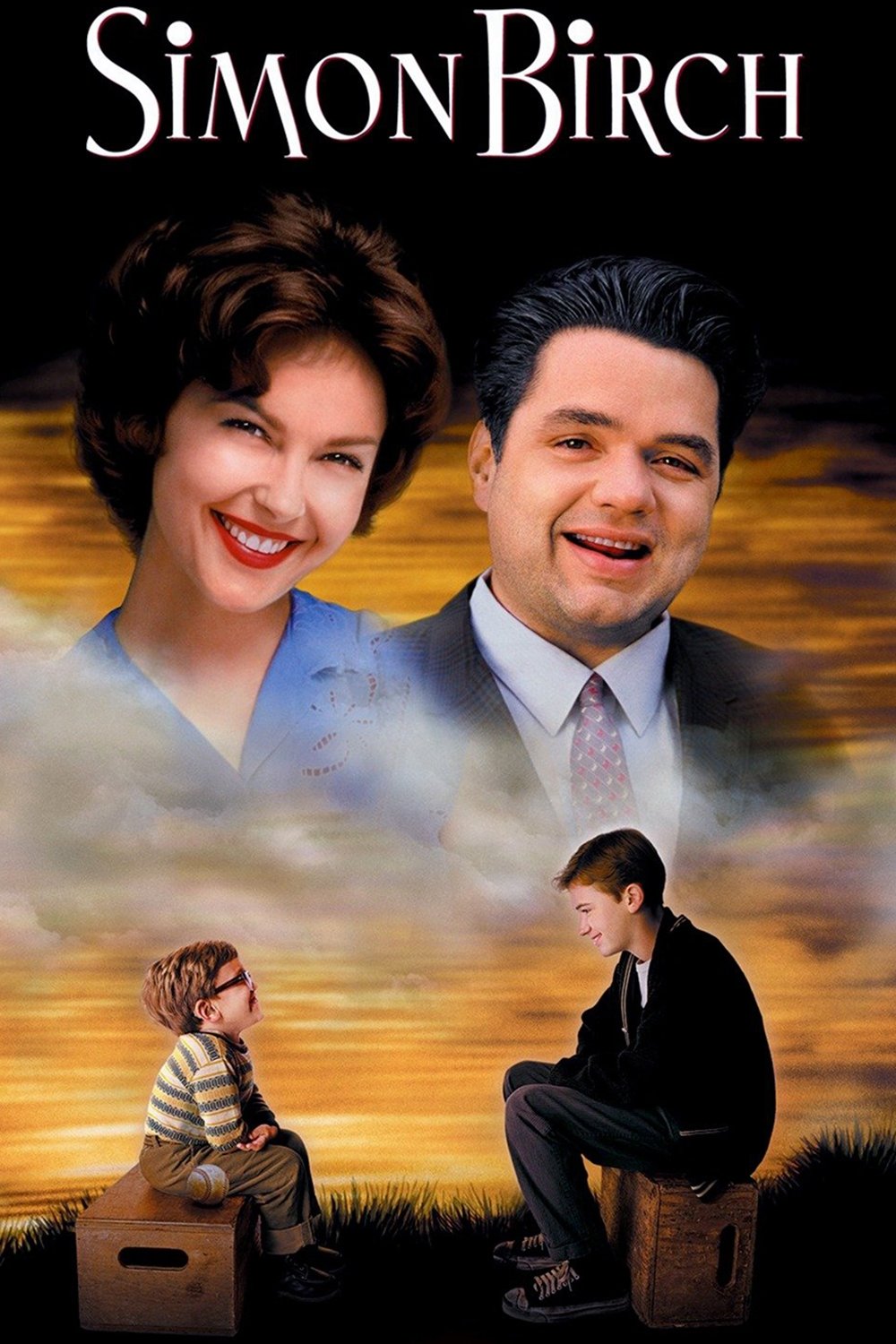
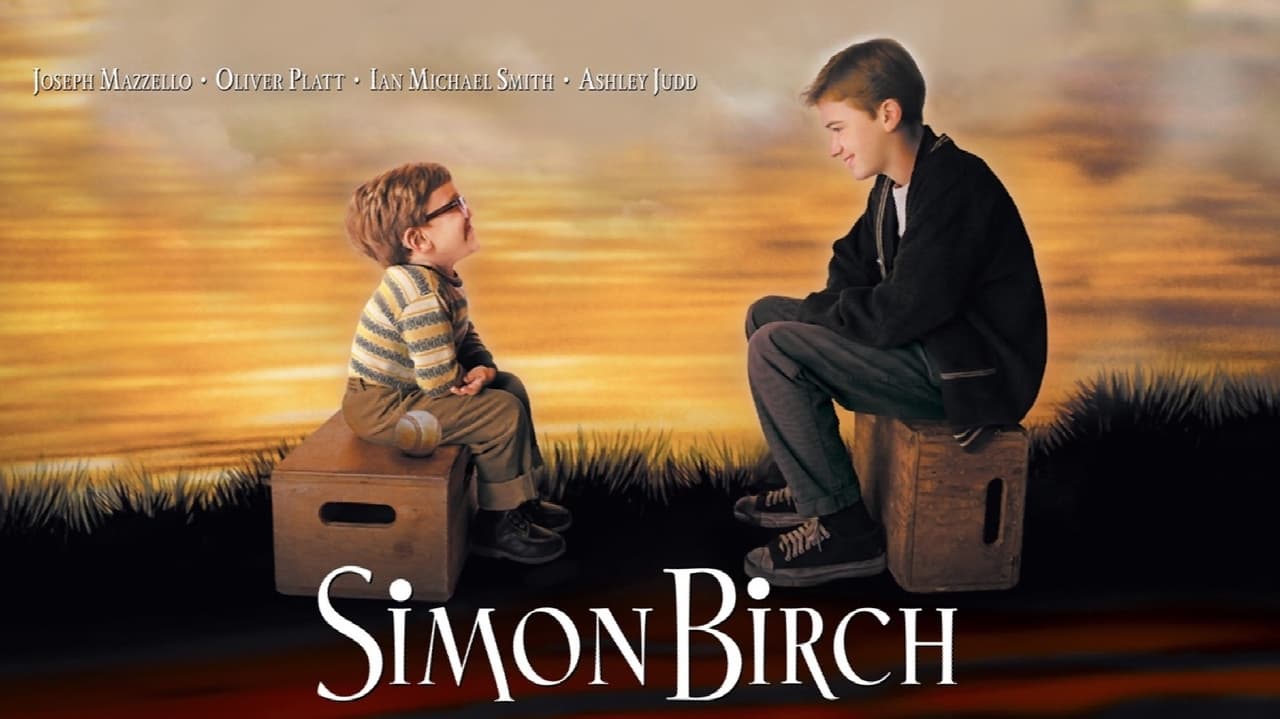
This movie is basically the cinematic equivalent of a heavy wool sweater: warm, well-meaning, but kind of itchy and definitely out of style. If you grew up in the '90s, you probably remember the trailer. It promised a heart-tugging story about a small kid with a big destiny. What it actually delivered was a bizarrely specific brand of trauma that has lingered in the back of Gen X and Millennial minds for decades.
The "baseball scene" is the elephant in the room
You can't talk about Simon Birch without talking about the freak accident that sets the plot in motion. It is one of the most jarring moments in '90s family cinema. One minute you're watching a nostalgic, sun-drenched Little League game, and the next, a foul ball has caused a fatal, freak accident.
It’s the kind of moment that makes you pause the movie and ask, "Wait, did that really just happen?" For a kid, it’s harrowing. For an adult, it feels like the movie is trying to win an Olympic gold medal in emotional manipulation. It’s not just sad; it’s aggressively tragic. If your kid is sensitive to "mother themes" or sudden loss, this isn't just a heavy watch—it’s a potential core memory in the making.
Why the critics and the public are at war
The data tells a very specific story here. A 39 on Metacritic and 45% from critics on Rotten Tomatoes suggests the pros found it manipulative. Critics generally hate being told exactly how to feel by a swelling orchestral score and slow-motion shots of children crying. They saw it as "Oscar bait" that lacked the subtlety of the literature it was loosely inspired by.
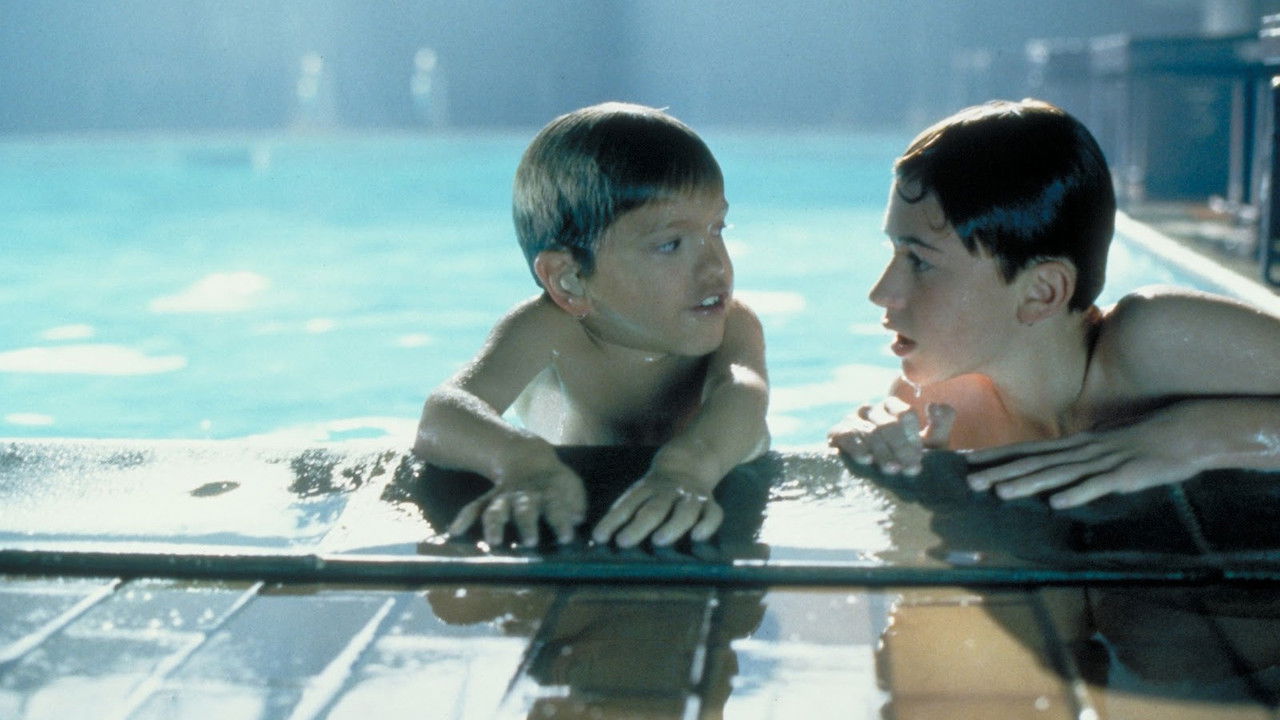
However, the 77% audience score on Rotten Tomatoes proves that for a lot of people, the sentimentality worked. If you’re in the mood for a "good cry" movie and can ignore some of the more heavy-handed dialogue, there is a genuine sweetness to the bond between Simon and Joe. It’s a movie about two outcasts who are the only ones who truly "see" each other, and that part of the story still holds up.
The pacing is a time capsule
If your kids are used to the rapid-fire editing of modern animation or the constant stakes of a superhero franchise, Simon Birch will feel like it’s moving through molasses. This is a slow-burn character study. There are long scenes of the boys just talking, wandering through the woods, or sitting in church.
It’s a "talky" movie. If you have a kid who loved Bridge to Terabithia or Wonder, they might have the patience for this. But if they’re looking for a plot that moves with any kind of urgency, they’re going to be reaching for their phones by the thirty-minute mark.
Is it actually "good" representation?
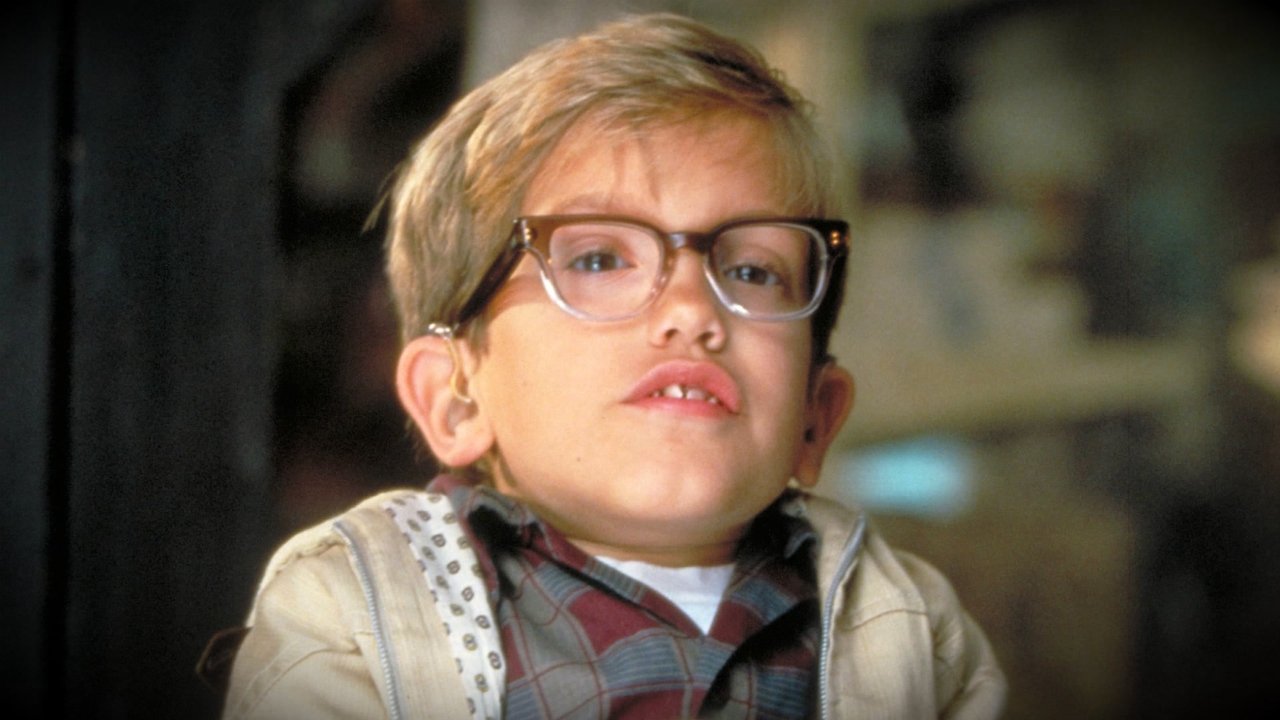
For 1998, giving a character with a disability this much agency was progressive. Simon isn't just a background character or a "lesson" for the protagonist; he is the engine of the movie. He’s sharp-tongued, questioning, and often the smartest person in the room. He challenges authority figures and refuses to be a victim.
The flip side is that the movie still leans heavily into the "miraculous" trope. Simon’s entire identity is wrapped up in the idea that he must have a "special purpose" to justify his existence and his physical difference. In 2026, that feels a bit dated. We’ve moved toward stories where characters with disabilities just get to be people, rather than being cosmic instruments of fate. It’s a great jumping-off point for a conversation about how we view "difference," but don't expect the movie to handle it with a modern lens.