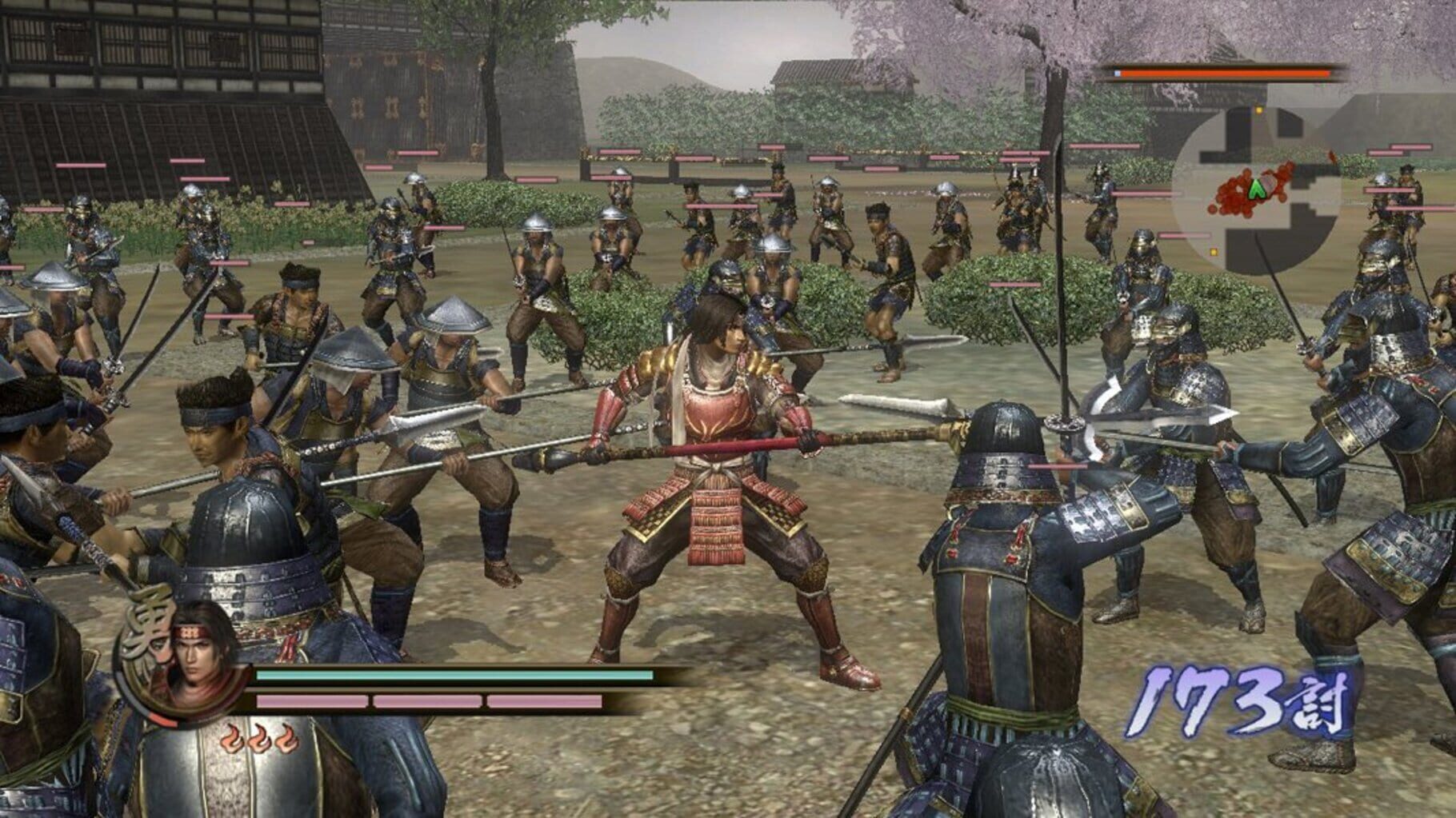
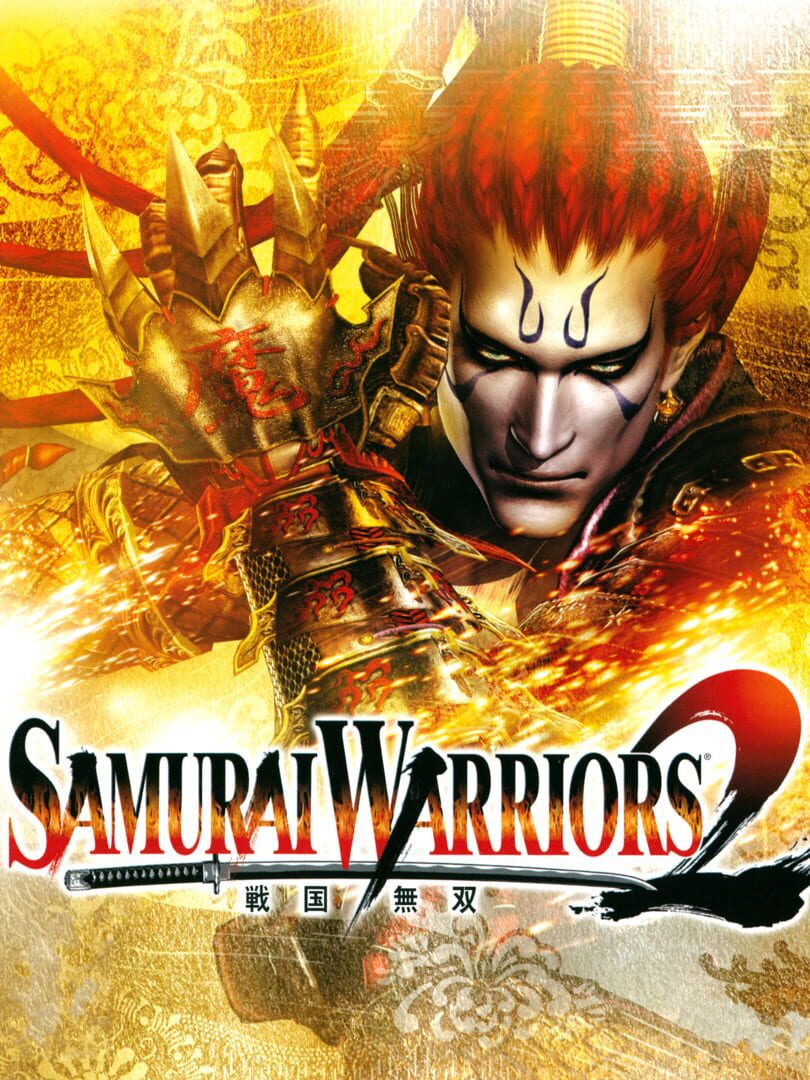
Known in the West as Samurai Warriors 2, Sengoku Musou 2 is one of the high-water marks of the PS2 era's favorite guilty pleasure: the one-versus-one-thousand battlefield brawler. You pick a dramatized version of a real 16th-century warlord, charge into a crowd of a hundred enemy soldiers, and send them flying like bowling pins without a drop of blood on screen. It also includes an Endless Castle survival mode and Sugoroku, a surprisingly fun monopoly-style board game mode for up to four players.
From a safety standpoint, it's a dream—offline, complete on the disc, and free of every manipulative trick invented by the game industry over the last twenty years. The catch is that it is twenty years old. The environments are muddy, the camera is stubborn, and modern entries like Hyrule Warriors or Samurai Warriors 5 do the exact same thing with way more polish. If you already have an old console hooked up or your kid is into retro emulation and samurai history, let them go to town. Otherwise, pick a newer entry in the genre.
Age Fit
Fine for kids around 10 and up who like action games, though realistically only retro-gaming teens or history buffs will tolerate the 2006 graphics and stiff camera.
WISE Breakdown
Wholesome
70
While the premise is large-scale warfare in feudal Japan, the violence is bloodless and arcade-like. Characters emphasize samurai honor, loyalty, and camaraderie, and the couch co-op modes make it a solid sibling activity.
Imaginative
55
The historical romance of the Sengoku period is fun, and the Sugoroku board-game mode adds variety, but the core gameplay is repetitive button-mashing across brownish PS2-era battlefields.
Safe
92
A 2006 offline console game with zero microtransactions, no loot boxes, no live chat, and no manipulative dark patterns. Combat is Teen-rated hack-and-slash where defeated enemies simply vanish.
Enriching
68
Surprising amount of real Japanese history baked into the roster and battles (Oda Nobunaga, Tokugawa Ieyasu, Battle of Sekigahara), plus light tactical map management, though the moment-to-moment play is mostly mindless.
Parent Info
✓
Why It Might Be Great
Gateway to Japanese history: The roster is packed with real historical figures from the Warring States period (Oda Nobunaga, Yukimura Sanada, Hattori Hanzo), which has sent plenty of kids down Wikipedia rabbit holes about real samurai clans.
True couch co-op: Split-screen campaign play and the up-to-four-player Sugoroku board game mode let siblings or friends play in the same room without needing online servers.
Zero modern monetization: Because it came out in 2006, you unlock the 26 characters and their weapons by playing the game, not by entering a credit card number.
Low-stakes tactical awareness: Beneath the mindless sword-swinging, players have to watch the mini-map, protect allied commanders, and capture bases before morale collapses.
⚠
What to Watch For
Extreme repetition: The Musou (Warriors) genre is famous for doing the exact same two-button combo ten thousand times. Kids who want puzzle-solving or tight platforming will bounce right off.
Twenty-year-old jank: The camera gets stuck behind walls, enemy soldiers pop into existence ten feet in front of you, and the English voice acting is pure 2000s anime camp.
Hard to run on modern setups: Unless you have an old PS2, an Xbox 360, or a kid who knows how to configure PC emulators, actually booting this up in 2026 takes some legwork.
Conversation Starters
"Which samurai in the game was an actual historical figure, and how close is their story here to what really happened at Sekigahara?"
"When your allied commander is losing on the other side of the map, do you abandon your objective to save them or try to finish the boss fast?"
"What do you think of games from 2006 where you unlock every character by playing versus modern games with season passes?"
Deep Dive
The original power-fantasy history class
Omega Force's Musou games have a simple loop: drop the player into a massive historical battle, give them flashy combos, and let them clear out thousands of enemy grunts while keeping an eye on the tactical map. Samurai Warriors 2 (released in Japan as Sengoku Musou 2) stripped out the clunky ranged attacks from the first game and gave every character two unique special skills—like setting traps, buffing speed, or summoning bodyguards—making the 26-character roster feel distinct.
For a certain kind of kid, this game is an accidental textbook on Japan's Sengoku (Warring States) period. Every stage is a major historical clash like Kawanakajima, Okehazama, or Sekigahara. While the outfits and weapons are pure anime exaggeration (Date Masamune dual-wields pistols; Honda Tadakatsu looks like a giant horned beetle), the alliances, betrayals, and timelines follow real history closely enough to spark genuine curiosity.
Better modern alternatives
Unless your kid is specifically exploring PlayStation 2 history, there is little reason to hunt down a 2006 copy when the formula has been refined on modern hardware:
If you have a Nintendo Switch: Hyrule Warriors: Definitive Edition or Fire Emblem Warriors: Three Hopes take this exact gameplay engine, fix the camera and frame rate, and wrap it in worlds kids already care about.
If they specifically want the samurai history: Samurai Warriors 4 or Samurai Warriors 5 (playable on PS4/PS5, Xbox, Switch, and Steam) cover the same historical era with far smoother combat and sharper visuals.