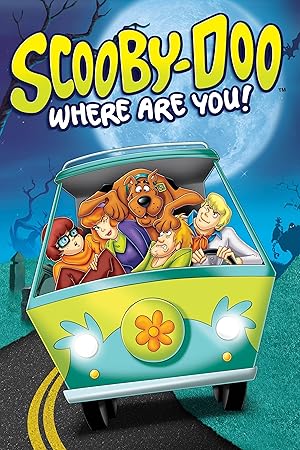
Scooby-Doo, Where Are You!

Scooby-Doo, Where Are You!

show

TV-G, 1969, Animation, Adventure

WISE
72%

WISE Score

7.9

IMDb

Four teens and a talking dog unmask fake monsters in a van—wholesome, predictable, and showing its age after 55 years.

IMDb7.9
Common Sense Media
Where to Watch
Loading streaming options...
Screenwise Verdict

Scooby-Doo, Where Are You! is the definition of a safe bet for young kids. It's been parent-approved since 1969 for good reason: zero objectionable content, positive messages about friendship and bravery, and a comforting predictability that younger viewers find reassuring.

The problem is that 'comforting predictability' is code for 'extremely formulaic.' Every episode follows the exact same structure: gang arrives somewhere, encounters spooky monster, splits up to investigate, Shaggy and Scooby find monster and run, Fred sets a trap, trap fails, they catch the monster anyway, unmask to reveal a grumpy old man. After a few episodes, even a 6-year-old can predict every beat.

The animation is stiff, the voice acting is hammy, and the pacing is glacial by modern standards. Kids raised on Bluey or even modern SpongeBob may struggle to stay engaged. But for parents who want something genuinely wholesome and safe that won't rot their kid's brain (even if it won't exactly expand it either), this is a solid choice for the younger elementary crowd. Just don't expect it to hold attention past age 9 or 10.

Age Fit

Best for ages 4-9. Common Sense Media says 5+, and that tracks—it's gentle enough for preschoolers but formulaic enough that kids over 10 will likely find it painfully predictable unless they're watching ironically or with younger siblings.

WISE Breakdown
Wholesome
88

Classic teamwork and friendship dynamics with four teens and a dog solving mysteries together. Models cooperation, problem-solving, and loyalty without preachiness. Tone is consistently light and humorous, with Shaggy and Scooby's cowardice played for laughs rather than tension. No mean-spirited behavior between the gang members. Pacing is predictable and formulaic, which actually works for younger viewers who like knowing what to expect.

Imaginative
72

The mystery-solving format invites kids to look for clues and try to figure out 'whodunit' before the reveal, which builds deductive reasoning. The 'monster of the week' structure shows creative costume designs and spooky scenarios. However, the formula is extremely rigid—every episode follows the same pattern, and the mysteries themselves aren't particularly complex or surprising. It's more about pattern recognition than true creative problem-solving. Still, generations of kids have been inspired to play detective after watching.

Safe
92

Exceptionally safe content. Common Sense Media rates it for age 5+, and parent reviews confirm it's innocent with no profanity, no sexual content, and only mild cartoon scares (fake monsters that are always revealed to be people in costumes). The 'frightening' scenes are telegraphed and formulaic, so kids quickly learn nothing is actually dangerous. IMDb parent guide confirms mild violence/gore at most. Available in kids mode on streaming platforms. The only minor concern is that very young or sensitive kids might find some monster designs briefly scary before the unmasking.

Enriching
68

Teaches basic critical thinking through mystery-solving and shows positive teamwork dynamics. Kids learn that things aren't always what they seem (monsters are just people in masks) and that courage means doing the right thing even when scared. The problem is that the lessons are extremely surface-level and repetitive. After a few episodes, the formula becomes predictable to the point of being mindless entertainment rather than genuinely engaging. It's not going to expand anyone's worldview or spark deep conversations, but it's harmless fun with some mild cognitive benefits.

Parent Info

Why It Might Be Great

  • Genuinely safe for young kids—every 'monster' is revealed to be a person in a costume, so the scares have training wheels
  • Models solid friendship and teamwork without any of the snark or meanness you see in modern cartoons
  • The mystery format encourages kids to look for clues and try to solve the case before the gang does
  • Nostalgic comfort watch for parents who grew up with it—you can zone out while your kid enjoys it
  • Available on multiple streaming platforms and in kids mode, so easy to access

What to Watch For

  • The formula gets old fast—every episode is nearly identical, which younger kids love but older kids will clock immediately
  • Some monster designs might briefly spook very young or sensitive viewers before the unmasking
  • Animation and pacing are distinctly 1960s, which means slower and more stilted than what modern kids are used to
  • After about three episodes, your kid will either be all-in or completely bored

Conversation Starters

  • "Who do you think the monster really is? What clues did you notice?"
  • "Why do you think the bad guy dressed up as a monster instead of just doing their crime normally?"
  • "If you were in the Mystery Inc. gang, would you be more like brave Freddy and Daphne, or scared Shaggy and Scooby?"
  • "What would you name your mystery-solving team if you had one with your friends?"

Deep Dive

The "Logic Over Magic" Blueprint

The most important thing to understand about the 1969 original is that it isn't actually a show about ghosts. It’s a show about skepticism. In an era where kids' media is often saturated with actual magic, superheroes, and the supernatural, there is something weirdly refreshing about a show that insists every single "monster" has a logical, mechanical explanation.

If you have a kid who struggles with nighttime fears or "monsters in the closet," this is the ultimate antidote. By the third episode, they aren't just watching a cartoon; they're learning that the things that go bump in the night are usually just grumpy adults with a projector and a grudge. It’s an early lesson in debunking that makes it one of the best classic cartoons to share with your kids. While we often talk about STEM or literacy, Scooby-Doo is secretly a masterclass in deduction.

Adjusting Your Pacing Expectations

You need to be honest about the "1969 of it all." If your kid’s baseline is the hyper-kinetic energy of modern animation, the original Scooby-Doo, Where Are You! might feel like it’s moving through molasses. The backgrounds are beautiful but static, the laugh track is relentless, and the characters often stand perfectly still while talking.

We’ve seen kids who are used to high-octane streaming shows get bored by the second commercial break. However, this slower speed is exactly why it works for the 4-to-6-year-old crowd. It gives them time to process the "clues"—which are usually about as subtle as a brick to the face—and feel smart for solving the mystery before Velma does. It’s a low-stress way to navigate scary TV for kids because the rhythm is so predictable that the tension never actually peaks.

The Scooby Multiverse

If you’re watching on HBO Max, you’ll notice about a dozen different versions of the gang. It’s easy to click the wrong one and end up with something that doesn't fit your kid's vibe.

  • The 1969 Original: The one we're talking about. High nostalgia, low stakes, very safe.
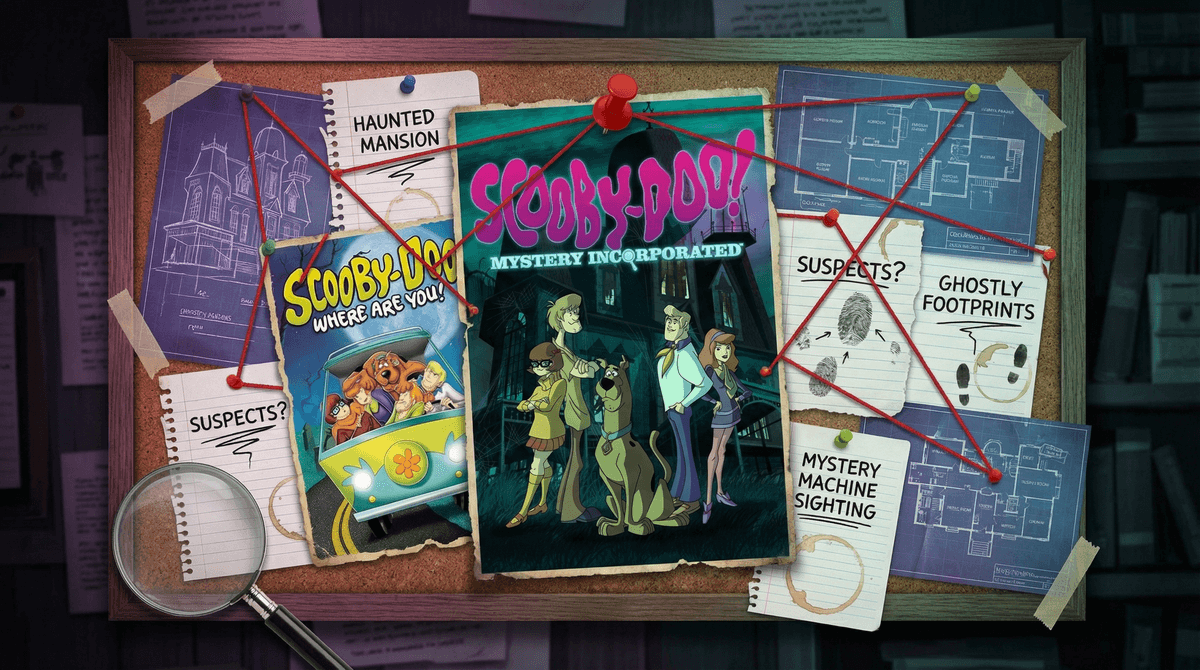
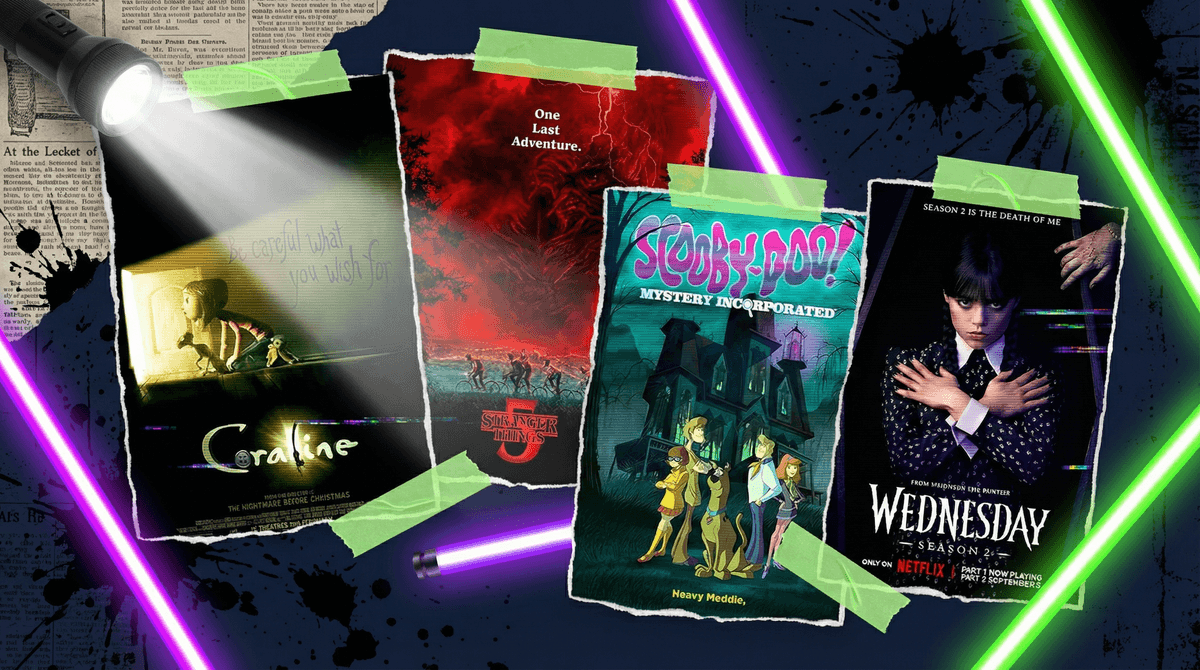
  • Mystery Incorporated: This is the "prestige drama" version. It has an overarching plot, actual relationship drama, and is significantly creepier. You’ll want to check if Mystery Incorporated is actually for your kids before swapping, as it can be too intense for the preschool set.
  • Be Cool, Scooby-Doo!: This one looks like a modern Flash animation and leans heavily into comedy. It’s much faster and snarkier than the original.

Why It Sticks

There’s a reason this specific 1969 run has a 7.9 on IMDb despite the "hammy" acting. It’s the vibe. The groovy psychedelic aesthetic and the iconic chase songs (usually in the second season) create a mood that modern reboots can’t quite capture. It’s a "comfort food" show. If you’re looking for something to put on when a kid is home sick or you just need 22 minutes of guaranteed quiet, this is the gold standard. It doesn't demand much, it doesn't teach any "lessons" other than "don't commit insurance fraud in a ghost costume," and it remains one of the most durable pieces of media ever made.

Ask Anything

Get a personalized guide on any topic