

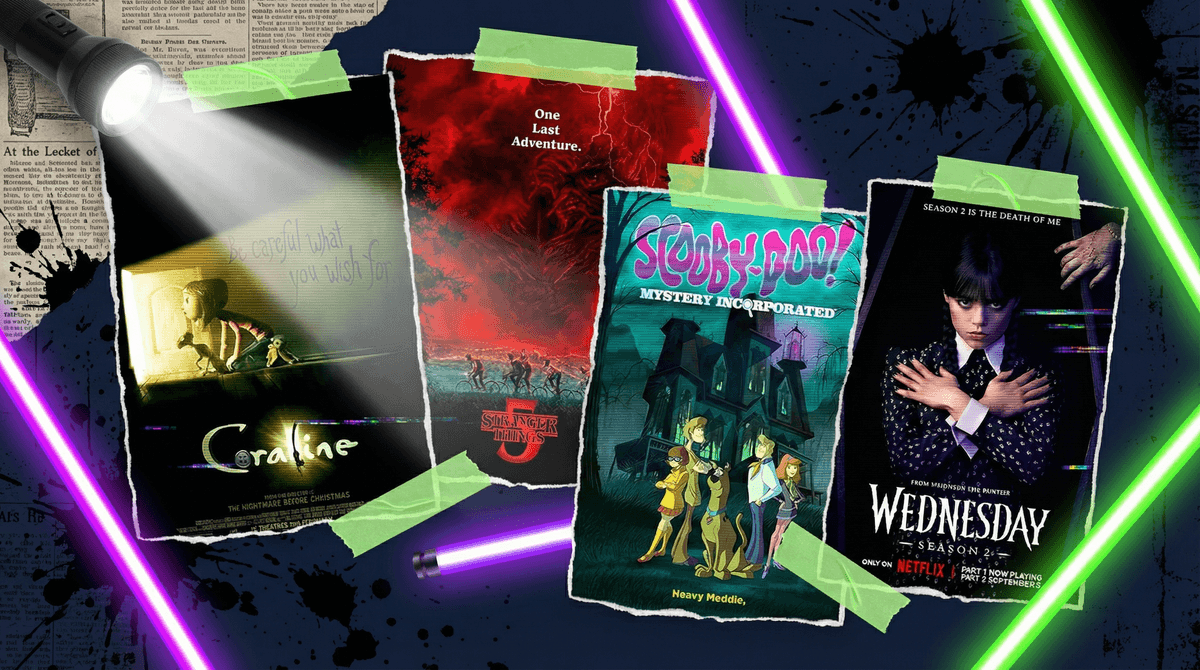
Let's be real: "scary" means something completely different to a 5-year-old than it does to a 12-year-old. For some kids, the Wicked Witch in The Wizard of Oz is nightmare fuel for weeks. For others, they're binge-watching Stranger Things at age 10 and sleeping like babies.
Scary TV covers everything from mildly spooky animated shows like Scooby-Doo to legitimately terrifying horror content that probably shouldn't be anywhere near a kid's eyeballs. The challenge? Figuring out where your specific kid falls on that spectrum—because spoiler alert, it's not just about age.
Here's the thing: kids want to be scared. It's developmentally normal. Controlled fear—the kind you get from a spooky story or creepy show—helps kids practice managing big emotions in a safe environment. It's like emotional weightlifting.
Plus, there's a serious social component. By third or fourth grade, knowing about popular scary content becomes cultural currency. Kids who've seen Coraline or Goosebumps have something to bond over at recess. Nobody wants to be the kid who's never heard of Five Nights at Freddy's when everyone else is talking about it.
But here's where it gets tricky: what feels thrilling to one kid can be genuinely traumatic to another. And kids are terrible at self-regulating when it comes to scary content—they'll push themselves to watch something because their friends have, even when they're not ready.
Ages 4-6: Gentle Spooky
At this age, "scary" should be more silly than frightening. Think:
- Vampirina (Disney Junior's adorable vampire family)
- Hotel Transylvania (monsters, but make it slapstick)
- Classic Scooby-Doo episodes
These shows feature "scary" elements (monsters, ghosts, spooky settings) but always resolve with humor and safety. The monsters are usually friendly or easily defeated. No jump scares, no real peril.
Ages 7-9: Spooky with Stakes
This is when kids can handle mild tension and some genuine creepiness—as long as there's clear resolution and not-too-graphic scares:
- Goosebumps (the Netflix series is solid)
- Coraline (though watch this one WITH them first—it's genuinely unsettling)
- Gravity Falls (mystery, humor, and just enough weird)
- The Spiderwick Chronicles
Red flag content at this age: anything with sustained dread, graphic violence, or psychological horror. A Quiet Place? Nope. Not yet.
Ages 10-12: Real Scares (With Guardrails)
Tweens can typically handle more intense content—jump scares, darker themes, some violence—but you still need to know your kid:
- Stranger Things (though Season 1 is notably less intense than later seasons)
- A Series of Unfortunate Events (dark humor, creepy vibes)
- Ghostbusters (the original holds up)
- The Haunted Mansion (2023 version is fun-scary)
Even here, stuff like The Conjuring or It is still too much for most kids. Those are designed to terrify adults—they will absolutely wreck a 10-year-old's sleep.
Ages 13+: Teen Territory
Once you hit the teen years, it becomes more about individual tolerance and maturity. Some 13-year-olds can handle Wednesday or The Chilling Adventures of Sabrina. Others still prefer lighter fare. This is where you need to actually talk to your kid about what they're comfortable with.
Even if your kid says they want to watch something scary, watch for these red flags:
- Sleep disruption: Trouble falling asleep, nightmares, needing lights on
- Behavioral changes: New fears, clingy behavior, anxiety about being alone
- Avoidance: Won't go upstairs alone, scared of the dark suddenly
- Physical symptoms: Stomach aches, headaches when bedtime approaches
If you see these signs, it's not about being "tough enough"—their nervous system literally isn't ready to process that level of fear. Learn more about how fear affects developing brains .
.
Co-watch first-time scary content. Seriously. Even if the rating seems fine, watch it together. You can gauge their reaction in real-time, pause for questions, and provide reassurance. Plus, you'll know what they're processing later.
Talk about the "how" behind scary movies. Demystifying special effects, makeup, and CGI can really help. Watching behind-the-scenes content showing how fake blood is made or how jump scares are filmed takes away some of the power. It's not real—it's a bunch of adults in a warehouse with green screens.
Respect their "no." If your kid says they don't want to watch something, believe them. Don't push them to "toughen up" or keep up with peers. Forced exposure to scary content can actually increase anxiety long-term.
But also don't catastrophize. If your kid accidentally sees something scary at a friend's house and has a rough night, they're probably going to be fine. Comfort them, talk it through, and move on. One exposure to age-inappropriate content isn't going to cause lasting trauma in most cases.
Check Common Sense Media ratings, but know your kid. Sites like Common Sense Media are helpful starting points, but they're not gospel. Your anxious 9-year-old might need gentler content than their fearless 7-year-old sibling. You can also explore alternatives to popular scary shows if you're looking for less intense options.
There's no perfect formula here. Scary content can be developmentally beneficial—teaching emotional regulation, providing social connection, building confidence—but only when it's appropriately calibrated to your specific kid's readiness.
The goal isn't to shield kids from all fear forever. It's to introduce them to manageable doses of scary content that stretch their comfort zone without breaking it. Think of it like spicy food: you start with mild salsa, not ghost peppers.
Start small and build up. If your kid wants to watch something scary, work your way there with progressively spookier content. Don't jump straight from Bluey to Stranger Things.
Create a "scary content plan." Sit down with your kid and talk about what they want to watch and why. Make a list of shows/movies they're interested in, research them together, and decide on a timeline. This gives them agency while keeping you in the loop.
Have an exit strategy. Before starting any scary content, agree on a signal your kid can use if it gets too intense—no shame, no questions asked. Maybe it's a specific word or hand gesture. They need to know they can tap out.
Debrief afterward. After watching something scary, talk about it. What was the scariest part? What made it less scary? How are they feeling now? This processing time is crucial and helps them integrate the experience.
And remember: if you're not sure whether something is appropriate, See if specific shows are appropriate and get personalized guidance based on your kid's age and sensitivity level.