The Shift from Crisis PR to Black-Ops Absurdity
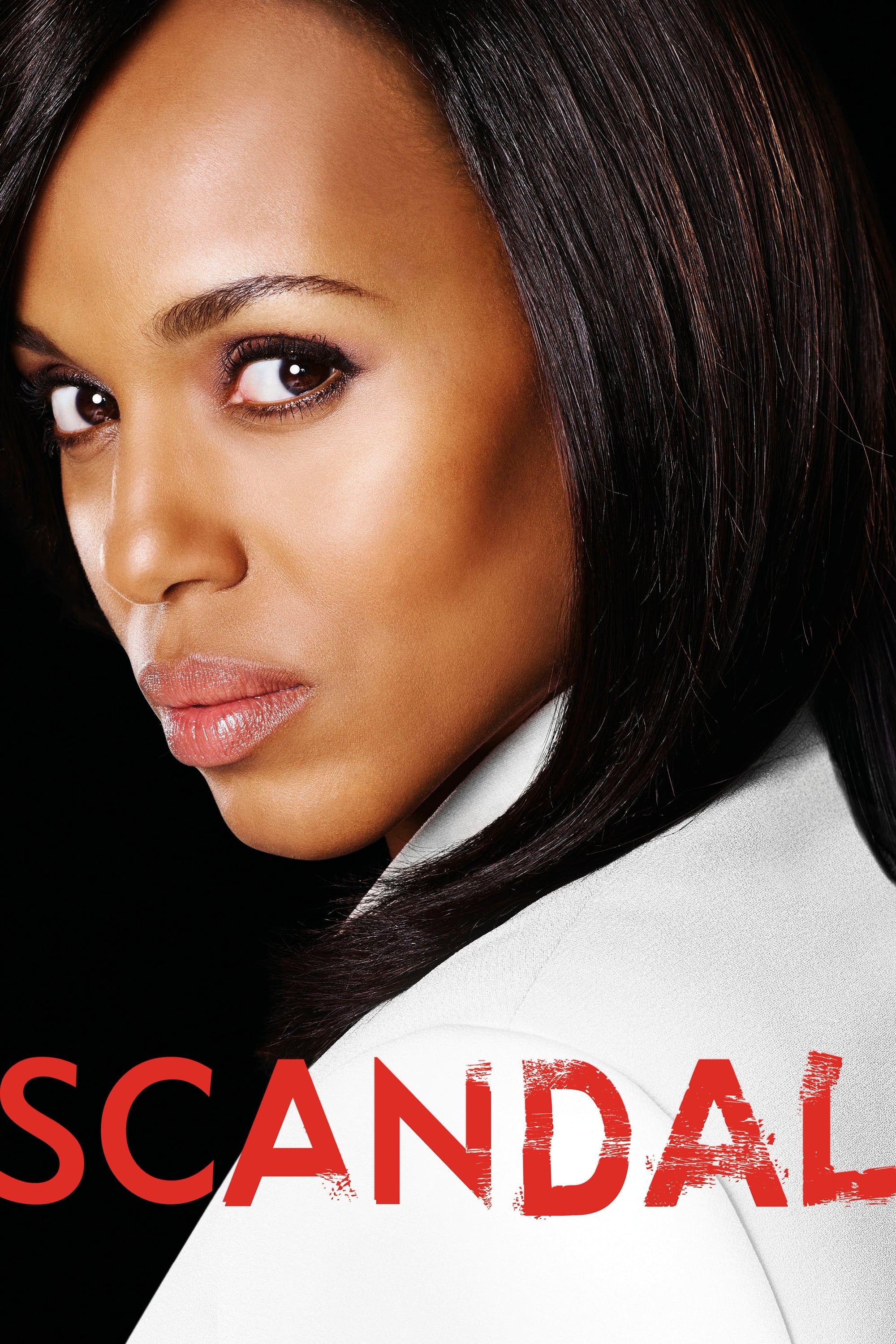
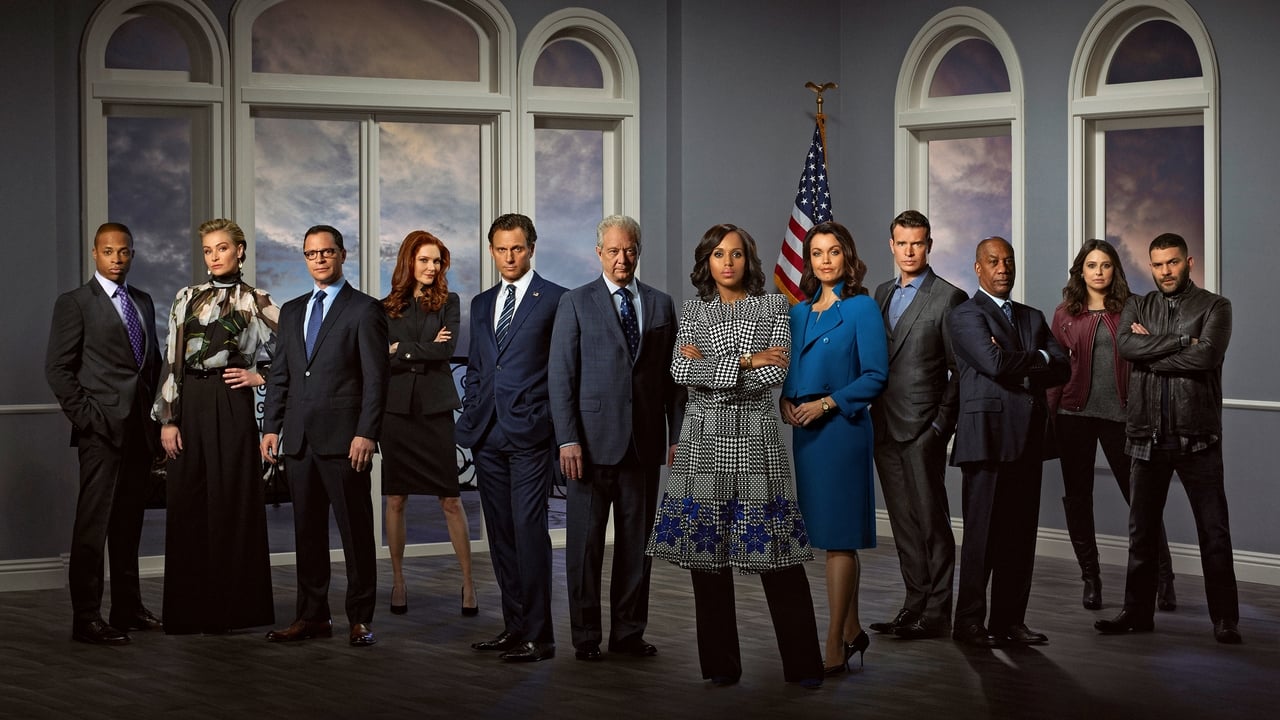
When Scandal debuted in 2012, it had a specific hook: Olivia Pope and Associates were high-end fixers cleaning up the private embarrassments of Washington's political class. The thrill came from seeing how a stolen phone, a compromised staffer, or an awkward photo could be neutralized using spin, back-channel deals, and legal brinkmanship. For an older high schooler interested in journalism, public relations, or civics, those early episodes offered a fun crash course in media manipulation.
Then the show caught fire, and the writers doubled down on shock value. By the third season, the crisis-of-the-week formula took a back seat to B613, a cartoonishly evil black-ops organization run by Olivia's father. Suddenly, characters who were managing press conferences were pulling teeth with pliers in soundproof basements and assassinating Supreme Court justices.
Where the Moral Ground Collapses
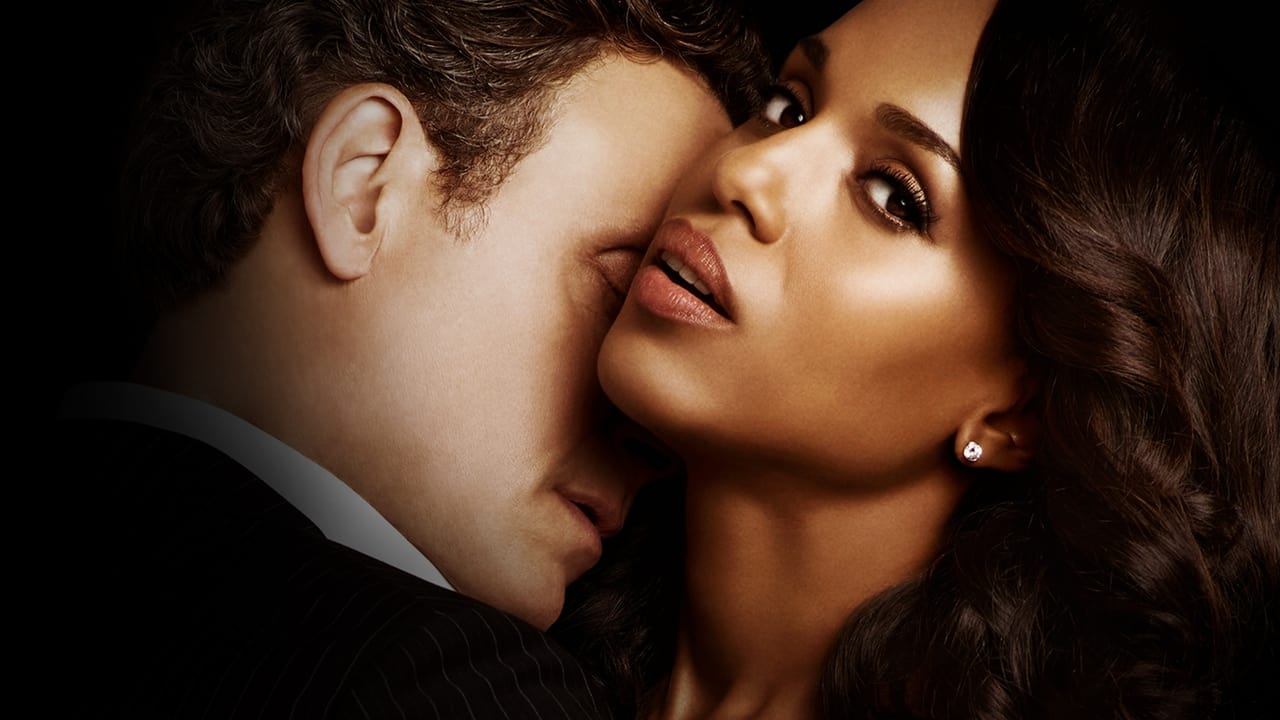
The central friction in Scandal is not political ideology; both parties are portrayed as equally self-serving. The friction is personal integrity versus ambition. Olivia repeatedly claims she wants to "wear the white hat," yet she rigs a presidential election, covers up multiple homicides, and engages in a destructive affair with the President of the United States.
For a mature teenager, untangling those contradictions can be interesting. The show demonstrates how easy it is to rationalize monstrous choices when you convince yourself you are the only person who can fix things. But do not expect any real ethical payoff: the series constantly trades moral consequences for cliffhangers and monologues.