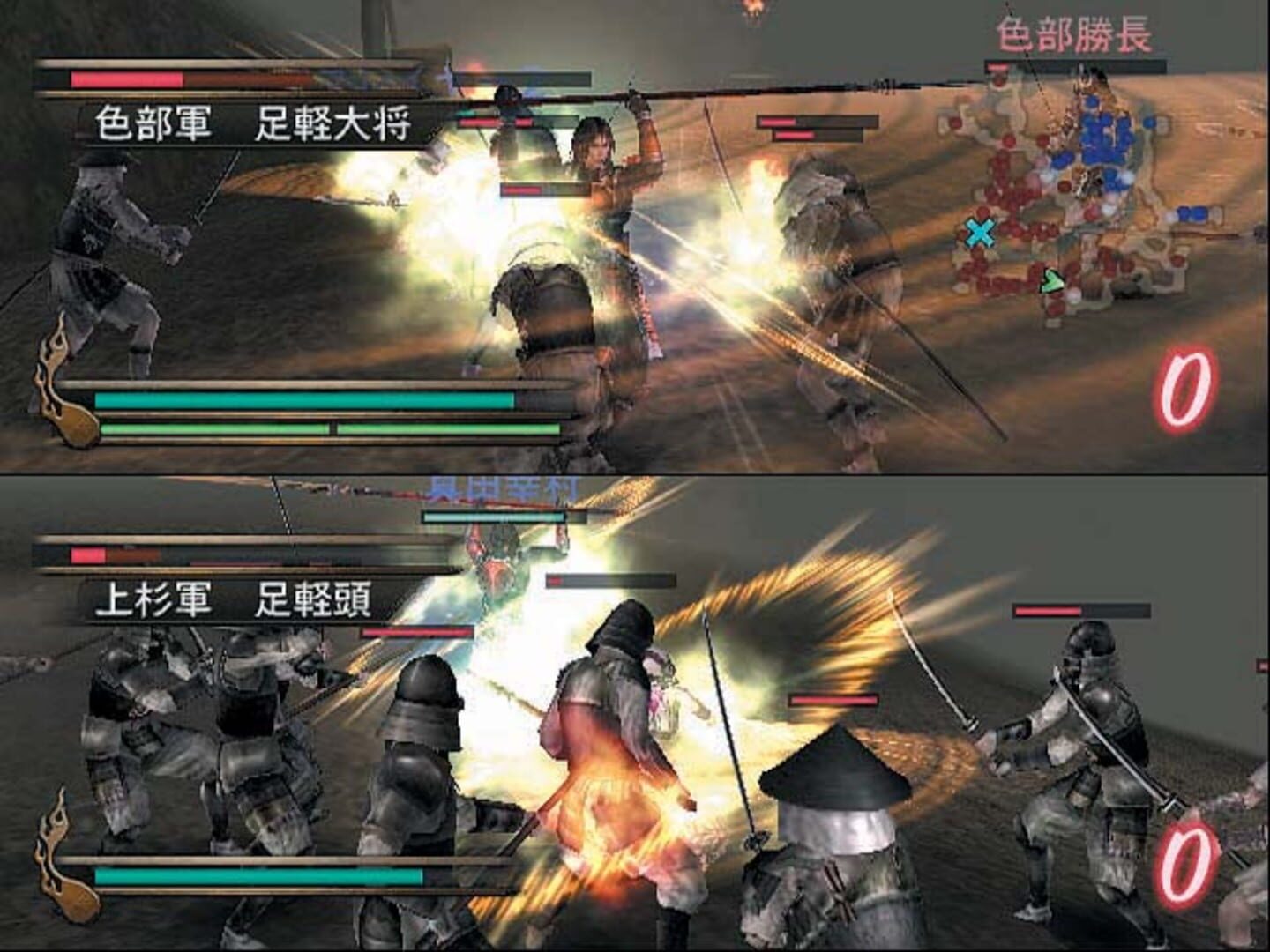
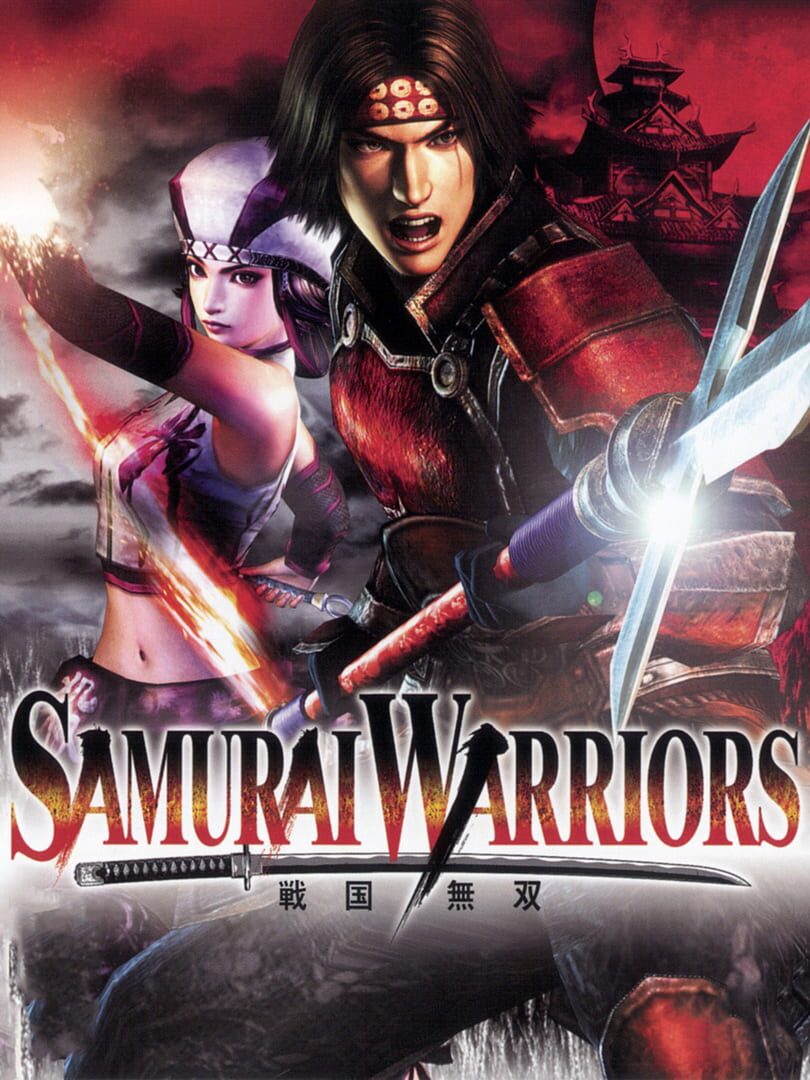
Back in 2004, Samurai Warriors was a blast on the PlayStation 2—taking the massive 1-vs-1,000 battles of Koei's Chinese-history series Dynasty Warriors and moving them to feudal Japan. You pick one of 15 historical officers, charge into a sea of enemy foot soldiers, and mash combos until you fill up your "Musou" meter to unleash a crowd-clearing special attack. It is completely bloodless, offline, and unexpectedly effective at getting kids curious about the real-life Warring States period.
In 2026, though, there is almost no reason to play this specific 2004 original unless your kid is on a dedicated retro-console kick. The camera fights you constantly, the fog hides enemies until they are right in your face, and the indoor castle levels are a slog. If your kid wants this exact flavor of historical crowd-clearing action, point them toward a modern entry like Samurai Warriors 4 or Samurai Warriors 5, or let them play Hyrule Warriors on the Switch, which uses the exact same gameplay formula with 20 years of quality-of-life upgrades.
Age Fit
Best for ages 10 and up who have a specific interest in samurai history or retro PS2/Xbox collecting. The violence is totally bloodless, so the real barrier for younger kids isn't the content—it's reading the constant pop-up battlefield text fast enough to know why they just lost the mission.
WISE Breakdown
Wholesome
68
The entire premise is mowing down hundreds of enemy soldiers on a feudal Japanese battlefield, though the violence is completely bloodless and arcade-like. Characters emphasize bushido ideals like honor, loyalty, and duty, and local split-screen co-op makes it a fun, cooperative couch game.
Imaginative
55
It takes real historical figures from the Sengoku period and gives them exaggerated, anime-style personalities and weapons, plus some fun 'what-if' historical branching paths. However, the actual gameplay is repetitive button-mashing with very little room for creative expression or problem-solving.
Safe
92
As a 2004 PlayStation 2 and Xbox title, it is completely free of microtransactions, loot boxes, online chat, or predatory modern monetization loops. The hack-and-slash combat is Teen-level arcade action where defeated enemies simply vanish without gore.
Enriching
65
While it plays fast and loose with the facts, it is a genuine gateway into the history of Japan's Warring States period, introducing real figures like Oda Nobunaga, Sanada Yukimura, and Takeda Shingen. Gameplay requires basic map awareness and tactical prioritization.
Parent Info
✓
Why It Might Be Great
Gateway to Japanese history: Kids end up memorizing the names, family crests, and rivalries of real 16th-century figures like Sanada Yukimura, Oda Nobunaga, and Uesugi Kenshin without realizing they are learning geography and history.
Great couch co-op: Two players can play split-screen in the same room, coordinating who defends the allied commander and who charges the enemy gate.
Zero modern game traps: Because it came out in 2004 for the PS2 and original Xbox, there are no battle passes, no gacha pulls, and no strangers in voice chat.
Battlefield triage: Beneath the mindless button-mashing, players have to watch the mini-map, manage troop morale, and decide which brushfire to put out before their main camp falls.
⚠
What to Watch For
Rough 2004 aging: The camera is famously stubborn, enemy soldiers pop into existence ten feet in front of you due to old hardware limits, and the English voice acting is pure Saturday-morning cheese.
Castle siege claustrophobia: This first entry introduced indoor castle levels full of blind corners and floor traps that are much more frustrating and tedious than the open-field battles.
Repetitive gameplay loop: You press Square four times and Triangle once for twenty hours. Most modern kids will bounce off the clunky controls unless they are specifically into retro PS2 hardware.
Conversation Starters
"Which warlord in the game are you playing as, and were they an actual person in Japanese history?"
"What's more annoying: fighting on the open battlefield or getting stuck in those indoor castle mazes?"
"If we looked up the real Battle of Kawanakajima or Okehazama, how much of what happens in the game do you think actually happened?"
Deep Dive
The "Musou" Formula Explained
If you haven't played a game by Omega Force, the genre they invented—often called "Musou" games—looks chaotic from across the room. One warrior swings a spear and twenty guys go flying through the air like bowling pins. Despite the body count reaching into the hundreds every single match, the violence is strictly arcade-style. Nobody bleeds, nobody gets dismembered, and defeated soldiers just blink out of existence once they hit the dirt.
What makes these games surprisingly sticky for kids around 10 to 14 isn't just the power fantasy of clearing a screen. Each stage is a live tug-of-war map. Allied officers are constantly getting ambushed across the battlefield, and if you just stand in one spot beating up grunts, your commander gets surrounded and you get a Game Over screen. Playing it in split-screen co-op is where the game shines: one person holds the bridge at the base while the other sprints across the map to stop a cannon bombardment.
Why You Should Skip to the Sequels
While the original Samurai Warriors kicked off a great franchise (and has a fantastic traditional-instrument meets synth-rock soundtrack), going back to the 2004 hardware is rough:
The Draw Distance: The PS2 and Xbox couldn't render hundreds of guys at once, so enemy platoons materialize out of thin air right in front of you.
Locked Camera: You cannot freely spin the camera the way every modern game allows; you have to tap a shoulder button to snap the view behind your back.
Better Modern Options: If your kid wants to learn about Oda Nobunaga and the Sengoku period through a video game, Samurai Warriors 4 (playable on PS4/PS5) and Samurai Warriors 5 (on Switch, PlayStation, Xbox, and PC) tell the same historical stories with smooth controls and gorgeous visuals. If they just want the 1-vs-1,000 gameplay without the history lesson, Nintendo's Hyrule Warriors: Age of Calamity or Fire Emblem Warriors are top-tier modern versions of this exact engine.