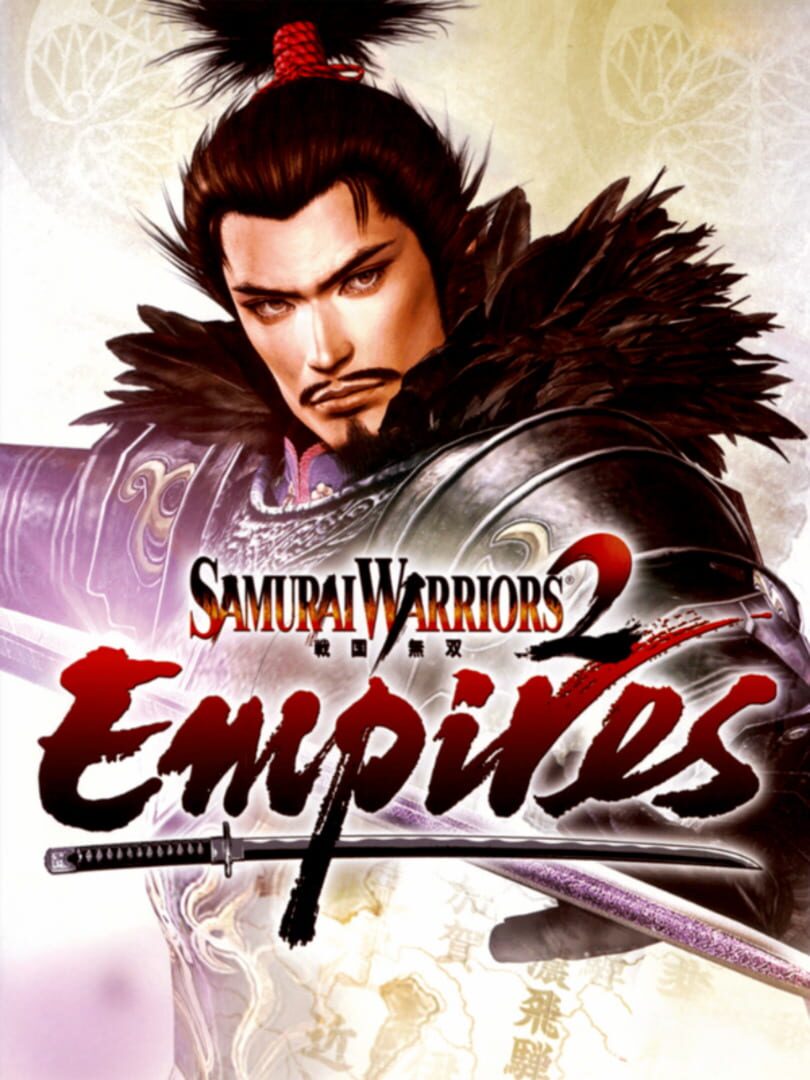
Unless you have a working PlayStation 2 or Xbox 360 hooked up in the basement and a kid on a very specific feudal Japan kick, there is almost no reason to track down Samurai Warriors 2: Empires in 2026. It is a standalone expansion to a twenty-year-old hack-and-slash game, and it feels every bit its age. The camera fights you, the environments look like brown and gray soup, and the combat consists of mashing the square button until a thousand identical foot soldiers fall down.
That said, if your kid already dug the disc out of a retro bin, it is completely harmless and surprisingly brainy between fights. The "Empires" spin-off series strips out the story campaigns of the main Samurai Warriors games and replaces them with a turn-based strategy map borrowed from Koei's Nobunaga's Ambition. You tax provinces, hire wandering ronin (including newly playable bodyguards Sasaki Kojiro and Shibata Katsuie), and decide which neighboring warlord to invade next. It's a neat loop—just one that has been done much better by newer games over the last two decades.
Age Fit
Fits ages 10 and up who have a high tolerance for retro PS2/Xbox 360 graphics and want a mix of map-conquering strategy and arcade swordplay. Younger kids will get lost in the menu text during the turn-based phases, and most modern teens will bounce right off the dated visuals.
WISE Breakdown
Wholesome
68
Standard Koei hack-and-slash warfare. Players mow down hundreds of enemy soldiers per battle, though the violence is bloodless, stylized, and arcade-like rather than gory. Split-screen co-op encourages good teamwork.
Imaginative
62
Includes a Create-A-Warrior mode (13 models, 10 color patterns, moveset copying) and an open-ended turn-based campaign where players can rewrite the unification of feudal Japan, though the core battlefield gameplay is very repetitive.
Safe
92
As a standalone 2006 console release for PS2 and Xbox 360, it has zero microtransactions, loot boxes, online chat, or predatory modern monetization loops. Violence is mild and fantastical.
Enriching
68
The Empire Mode mixes action with turn-based management borrowed from Nobunaga's Ambition, requiring basic resource management and tactical territory planning alongside exposure to Sengoku-era Japanese historical figures.
Parent Info
✓
Why It Might Be Great
Board-game strategy between battles forces players to manage gold, food, officer loyalty, and territory policies before drawing a sword.
Historical rabbit holes happen naturally because the roster is packed with real Sengoku-period figures like Shibata Katsuie, Sasaki Kojiro, and Oda Nobunaga.
Couch co-op lets two people play split-screen in the same room to coordinate taking down enemy camps.
Zero modern bloat means no battle passes, no cash shops, and no online strangers—just a complete game on an old disc.
⚠
What to Watch For
Twenty-year-old jank is the main hurdle; stiff camera controls, muddy textures, and enemies popping into existence five feet away make this tough for kids raised on modern games.
Mindless button-mashing dominates the action phases, where you press the same two attack buttons thousands of times to clear crowds of clone soldiers.
Thin character creation limits players to 13 preset body models and 10 color swaps, though you can copy the fighting styles of existing roster characters.
Conversation Starters
"Which part do you like better: planning out the map on the strategy screen or jumping into the battle yourself?"
"Did any of these samurai warlords actually exist, or are you rewriting how the history played out?"
"When you're running your clan, is it harder to keep your generals happy or keep enough food in the storehouse?"
Deep Dive
What the "Empires" label actually means
Koei's Warriors franchise (often called Musou games) splits into three tracks: the main numbered games (story-heavy button-mashers), Xtreme Legends (extra modes and characters), and Empires.
Samurai Warriors 2: Empires drops the historical story cutscenes entirely. Instead, it hands you a map of 16th-century Japan divided into warring territories. Each turn, you play feudal administrator: consulting retainers, enacting domestic policies, trading horses, and forming temporary alliances. Once you march into an adjacent territory, the game loads up a standard hack-and-slash battlefield where your single warrior bowls over hundreds of enemy troops like bowling pins to capture linked supply bases.
Better modern alternatives
Because this 2006 entry is locked to legacy hardware and suffers from severe visual fog and repetitive mission structure, a kid interested in this style of game has much better options on modern consoles:
If they want the flashy 1-vs-1,000 action with characters they know: Look at Hyrule Warriors: Age of Calamity or Fire Emblem Warriors: Three Hopes on Nintendo Switch. Both are made by the same studio (Omega Force) with twenty years of quality-of-life improvements.
If they want the Sengoku-era Japanese history and map conquering: Point them toward Total War: Shogun 2 on PC for real tactical depth, or newer Koei entries like Samurai Warriors 5 on modern consoles.