The Isekai Genre, Subverted
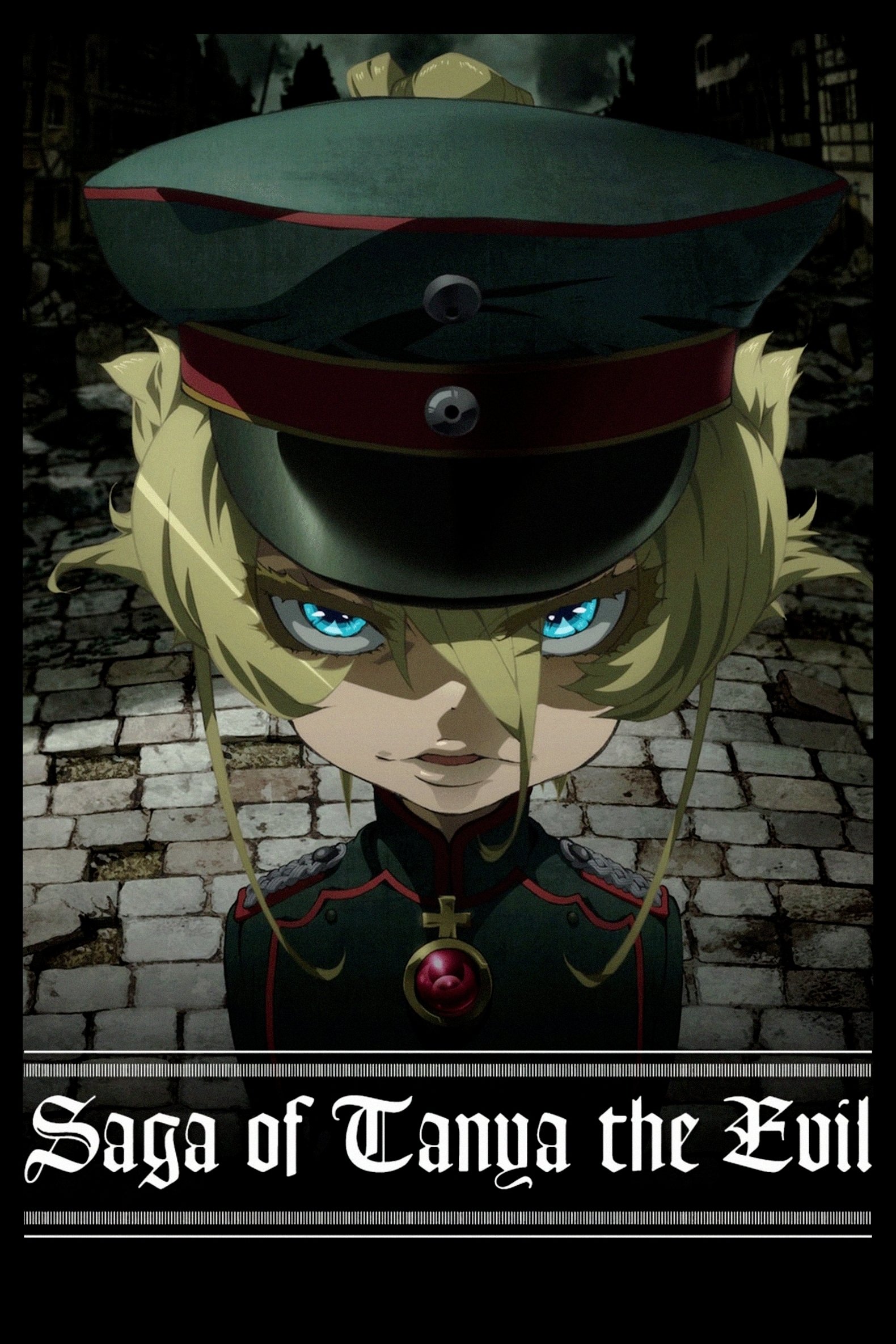
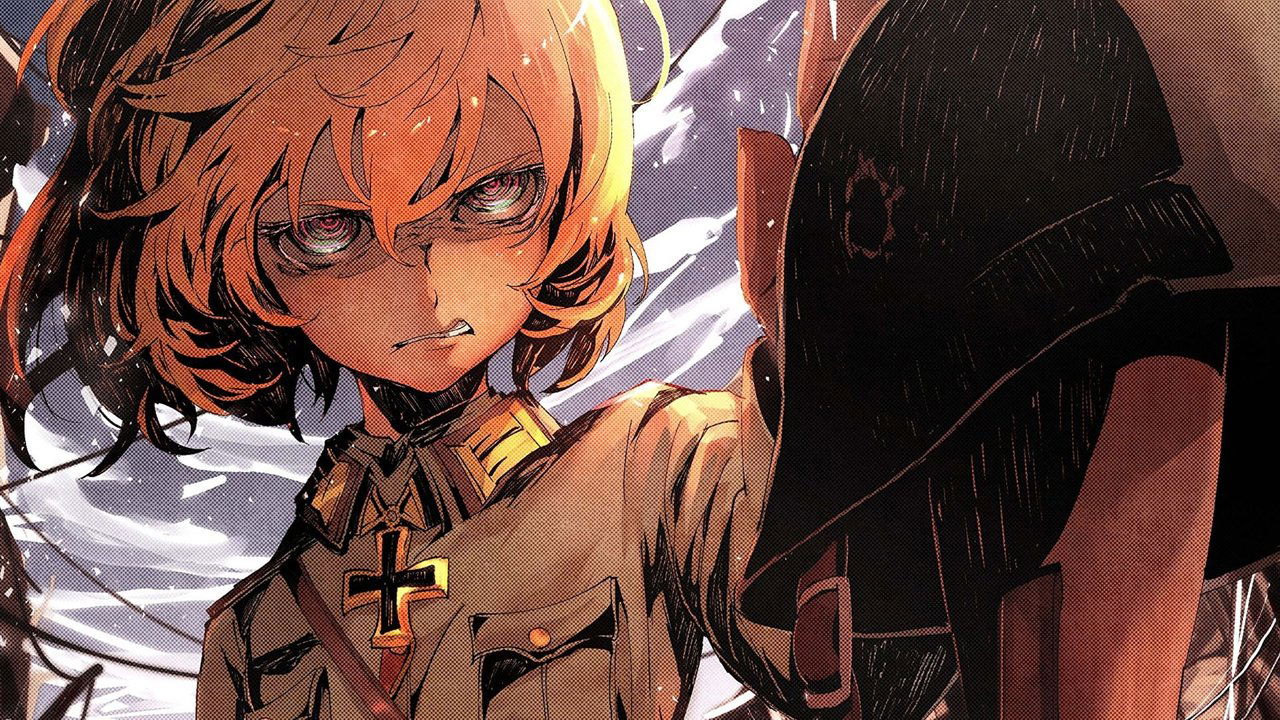
Most 'isekai' (reborn in another world) anime are power fantasies where a loser gets a second chance to be a hero. Saga of Tanya the Evil flips the script. Our protagonist was already a 'winner' in the real world—a high-level HR manager who fired people without blinking. When he's murdered by a disgruntled employee, he's confronted by 'Being X' (God), whom he dismisses as an 'unscientific' entity. As punishment, he's reborn as Tanya, an orphaned girl in a world on the brink of a Great War.
Magic as Military Science
What makes the show stand out is how it handles its supernatural elements. Magic isn't some sparkly, vague force; it's channeled through 'computation orbs' that require precise mathematical input. Tanya doesn't win because she has the 'biggest heart'—she wins because she understands ballistics, vertical flanking, and the legal limits of international treaties.
Why the Age Rating Matters
Common Sense Media puts this at 17, and while that might be slightly conservative for some 15-year-olds, the reasoning is sound. The show deals with the 'banality of evil'—the idea that some of the worst atrocities in history were committed by people just trying to do their jobs efficiently. Watching a little girl command a battalion to burn a city to the ground is a lot to process. It’s a great show for a kid who has already seen something like Fullmetal Alchemist and is ready for something significantly darker and more political.
For more context on how to navigate these darker themes, check out our guide on Decoding the Isekai Genre for Parents.