The Anti-Mentor Mentors
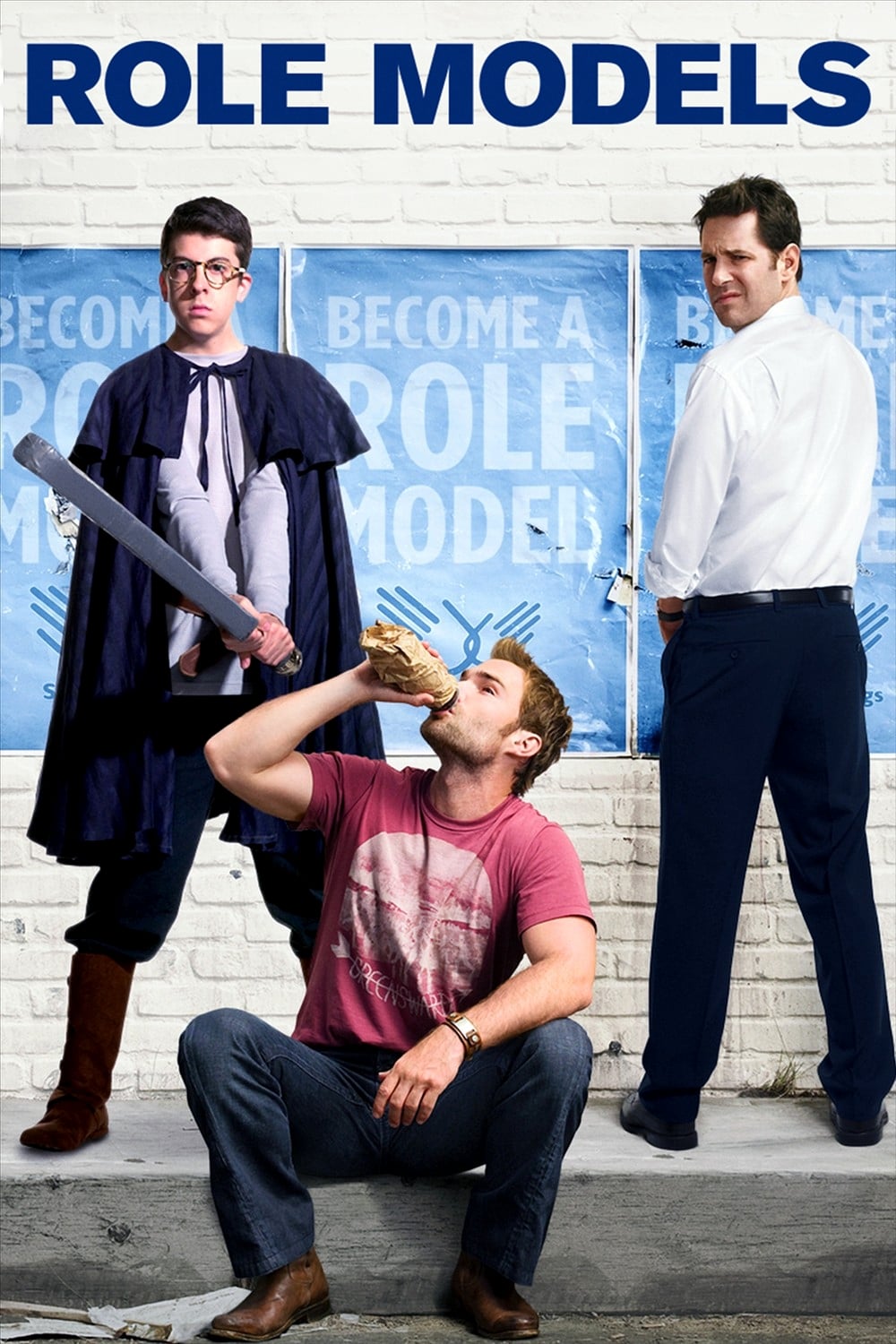
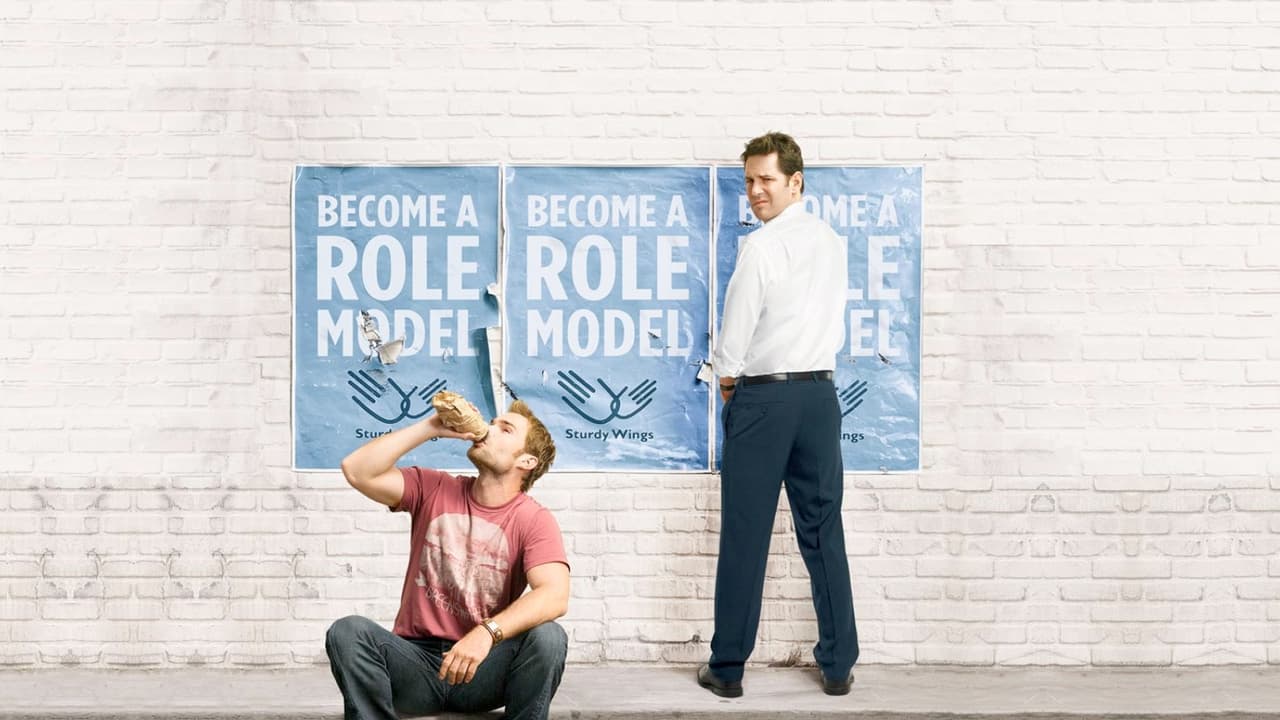
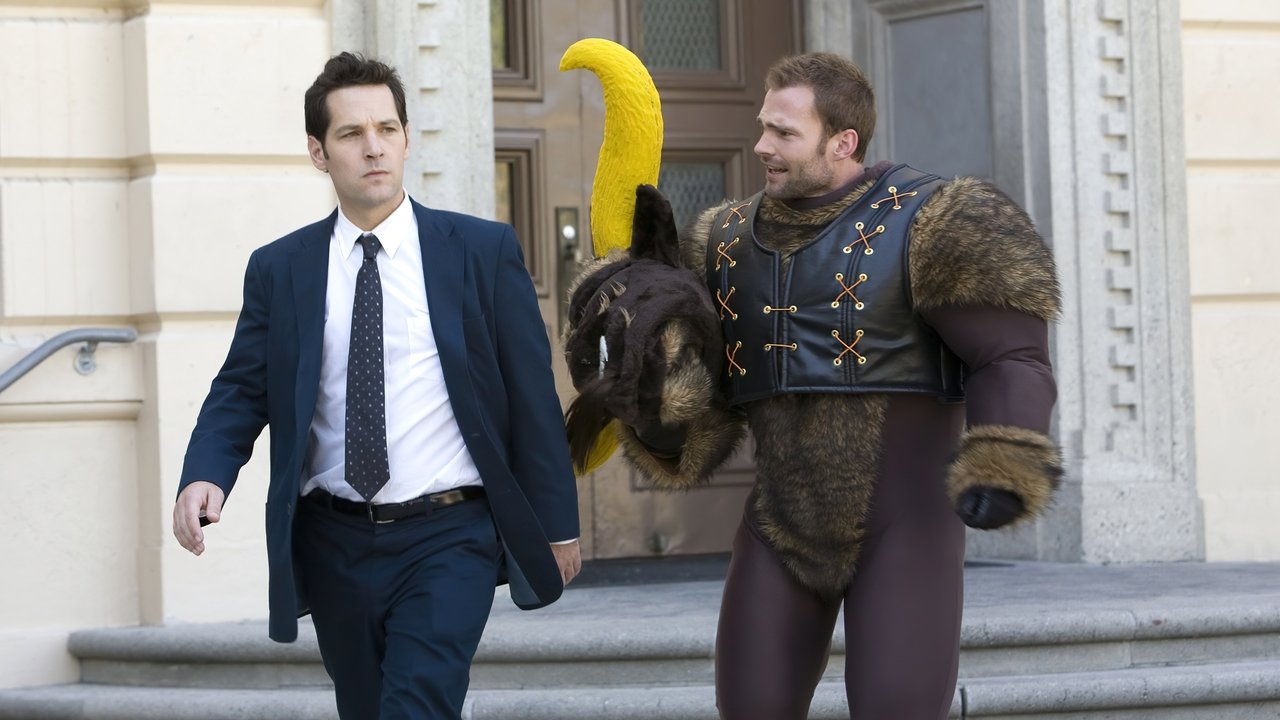
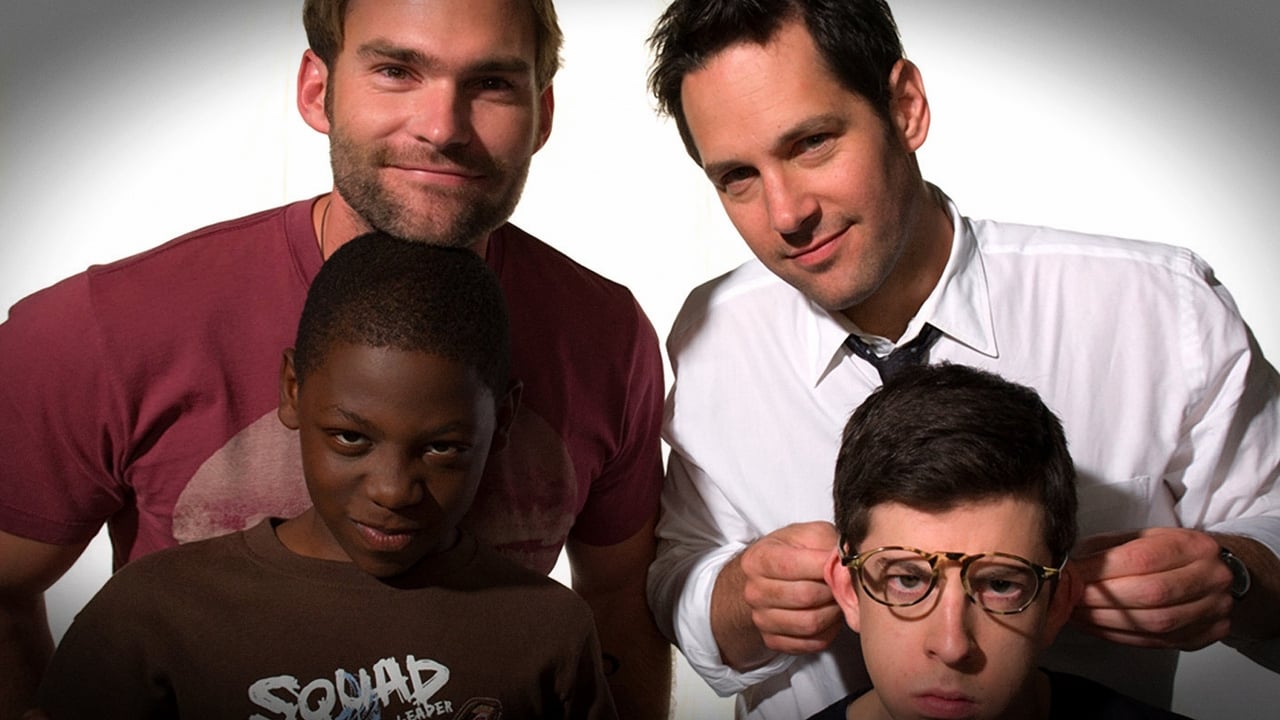
Most movies about wayward adults helping kids follow a predictable path: the adult learns a "valuable lesson" and the kid realizes their potential through a montage. Role Models skips the sentimentality. Danny and Wheeler are genuinely miserable at the start of the film. One is a cynical wreck who hates his life, and the other is a man-child who thinks "responsibility" is a four-letter word.
The movie works because it acknowledges that the mentorship program is a scam to avoid jail time. Because the stakes are so low for the protagonists, the bond they form with the kids feels accidental and, eventually, much more honest than your standard inspirational drama. They aren't trying to fix these kids. They’re just the first adults to actually treat them like people instead of projects.
The Secret Heart of the LARP
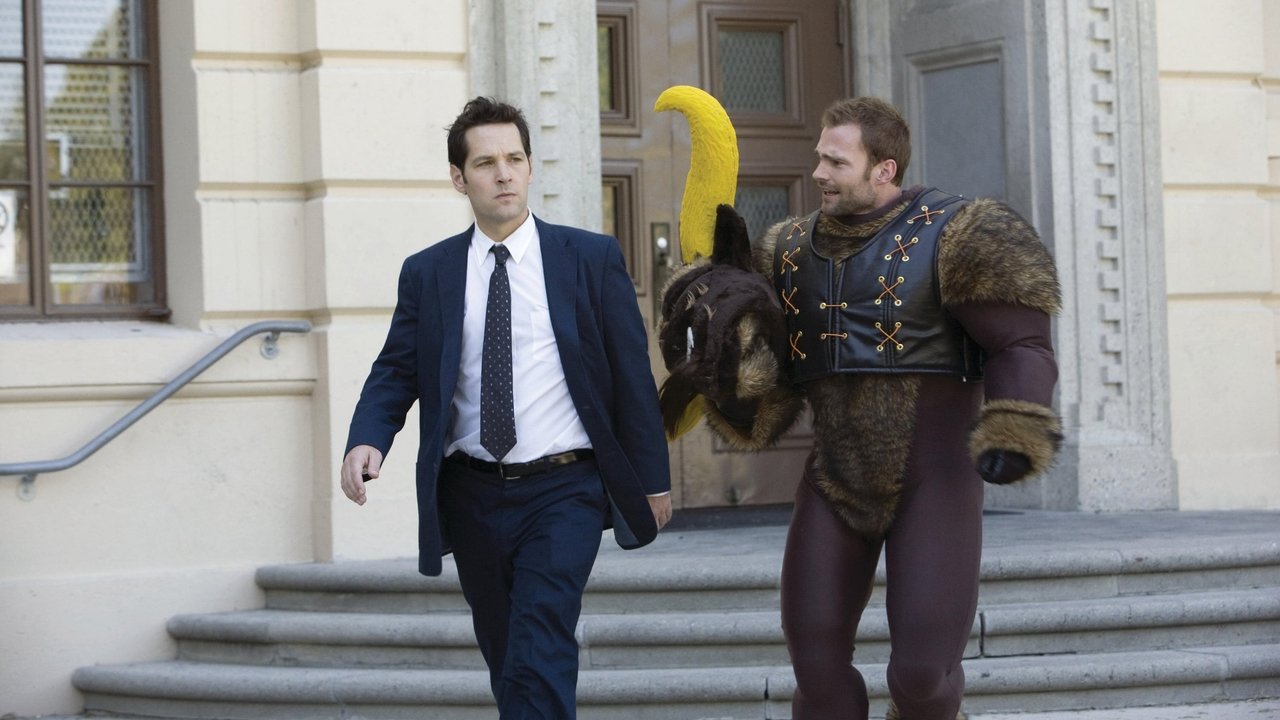
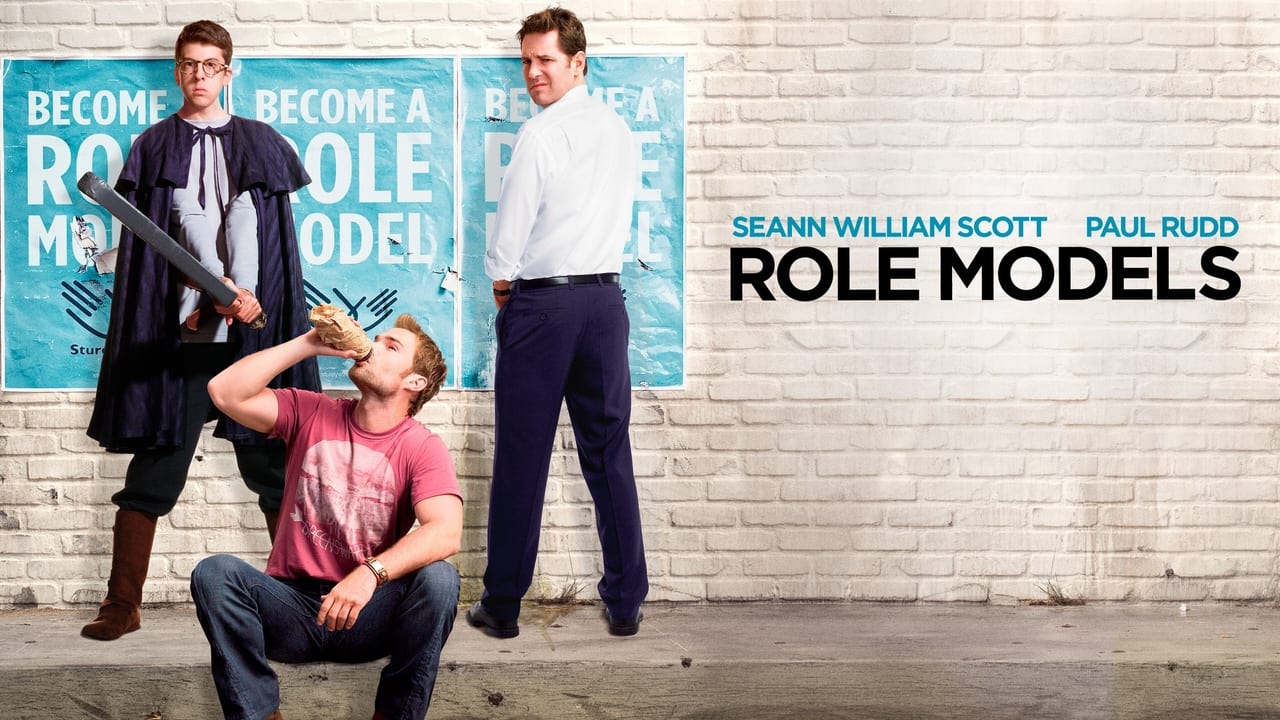
The movie spends a lot of time on LAIRE, a Live Action Interactive Role-playing community. In a lesser comedy, the joke would just be "look at these losers in capes." While Role Models definitely pokes fun at the absurdity of foam-sword combat, it eventually treats the game with a surprising amount of respect.
For the character of Augie, LAIRE isn't a sign that he’s a loser; it’s a sanctuary where he actually has agency. The final act of the movie doesn't involve the kid "growing out" of his hobby to become a jock. Instead, the adults have to meet him on his level. It’s a great pivot that rewards the audience for sticking with characters who are usually the punchline in high school movies. If your teen is into tabletop gaming or cosplay, they’ll likely find the portrayal of the "nerd" community more affectionate than insulting.
Navigating the "Bobb'e J." Energy
The biggest hurdle for some parents will be Ronnie, the young kid paired with Wheeler. He is a whirlwind of profanity and aggression. It’s the "cute kid saying bad words" trope dialed up to eleven. If that brand of humor grates on you, the first half of the movie will be a slog.
However, there is a method to the madness. Ronnie’s behavior is a defense mechanism for a kid who has been cycled through mentors who don't actually care. When the movie finally allows him to be a child rather than a foul-mouthed prop, it’s one of the few times the "sincere" label actually applies. This isn't a movie that wants to shock you for the sake of it. It uses the raunchiness to build a wall, then spends the rest of the runtime tearing it down.
Why it Still Lands
Critics at the time noted that the film has a "cynical comedy" edge that sets it apart from the more polished studio comedies of the late 2000s. It feels a bit messy because the characters are messy. Jane Lynch is a standout here, playing the director of the mentorship program with a chaotic energy that suggests she’s just as unstable as the people she’s supposed to be supervising.
If you’ve already seen the "big" comedies of this era and want something that feels a little more grounded in the reality of being an outcast, this is the one. It’s a movie for anyone who felt like they didn't fit the mold of a traditional role model but ended up helping someone anyway.