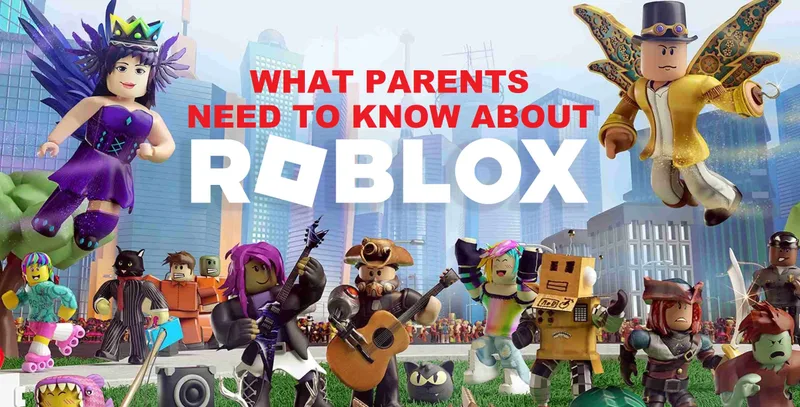
Robux isn't just 'game money'—it's a gateway into a complex, sometimes predatory digital economy. It’s the fuel for incredible creativity, but it's also the primary tool used to manipulate kids into infinite spending loops.
If you're going to let them spend, the win is using gift cards rather than a linked credit card. It turns a potential 'bill shock' into a finite lesson in budgeting. Don't ban it, but don't leave the vault door open either.
Age Fit
While Roblox is for everyone, the financial complexity of Robux is best handled by kids 10+ who understand that digital coins represent real-world hours worked by their parents.
WISE Breakdown
Wholesome
42
The platform is a mixed bag of high-quality creative projects and low-effort 'brain rot' designed to keep kids clicking. While some games model cooperation, the overall vibe is heavily focused on status and cosmetic acquisition.
Imaginative
88
Roblox is one of the most powerful creative engines for kids. Robux fuels a creator economy where kids can learn to build, code in Lua, and understand digital entrepreneurship.
Safe
35
Aggressive monetization, 'Free Robux' scams, and the constant social pressure to buy limited-edition items create a high-friction environment. The social layer remains a primary vector for scams and unwanted contact.
Enriching
58
It offers a crash course in digital economics and game design, but for most kids, it's just a bottomless pit for allowance money. The educational value is high for creators but low for pure consumers.
Parent Info
✓
Why It Might Be Great
Creative incentives allow kids who build popular games to earn real-world value through the Developer Exchange (DevEx) program.
Economic literacy is a surprise side effect as kids learn about inflation, supply and demand, and the value of digital labor.
Support for creators means your kid's spending often goes directly to other young developers rather than just a faceless corporation.
⚠
What to Watch For
'Free Robux' scams are everywhere on YouTube and TikTok; they are almost always phishing attempts to steal account credentials.
Limited-edition FOMO creates a 'stock market' vibe where kids feel intense pressure to trade and buy items before they disappear.
Cosmetic bullying is real—kids without 'cool' skins are often called 'bacons' or 'noobs' and excluded from social groups.
Conversation Starters
"If you had 1,000 Robux, would you spend it on one big item or ten small ones?"
"Why do you think those 'Free Robux' websites ask for your password if they're actually free?"
"Does having a rare skin actually make the game more fun, or is it just about showing off?"
"How do you decide if a game is worth spending money on or if it's just a 'cash grab'?"