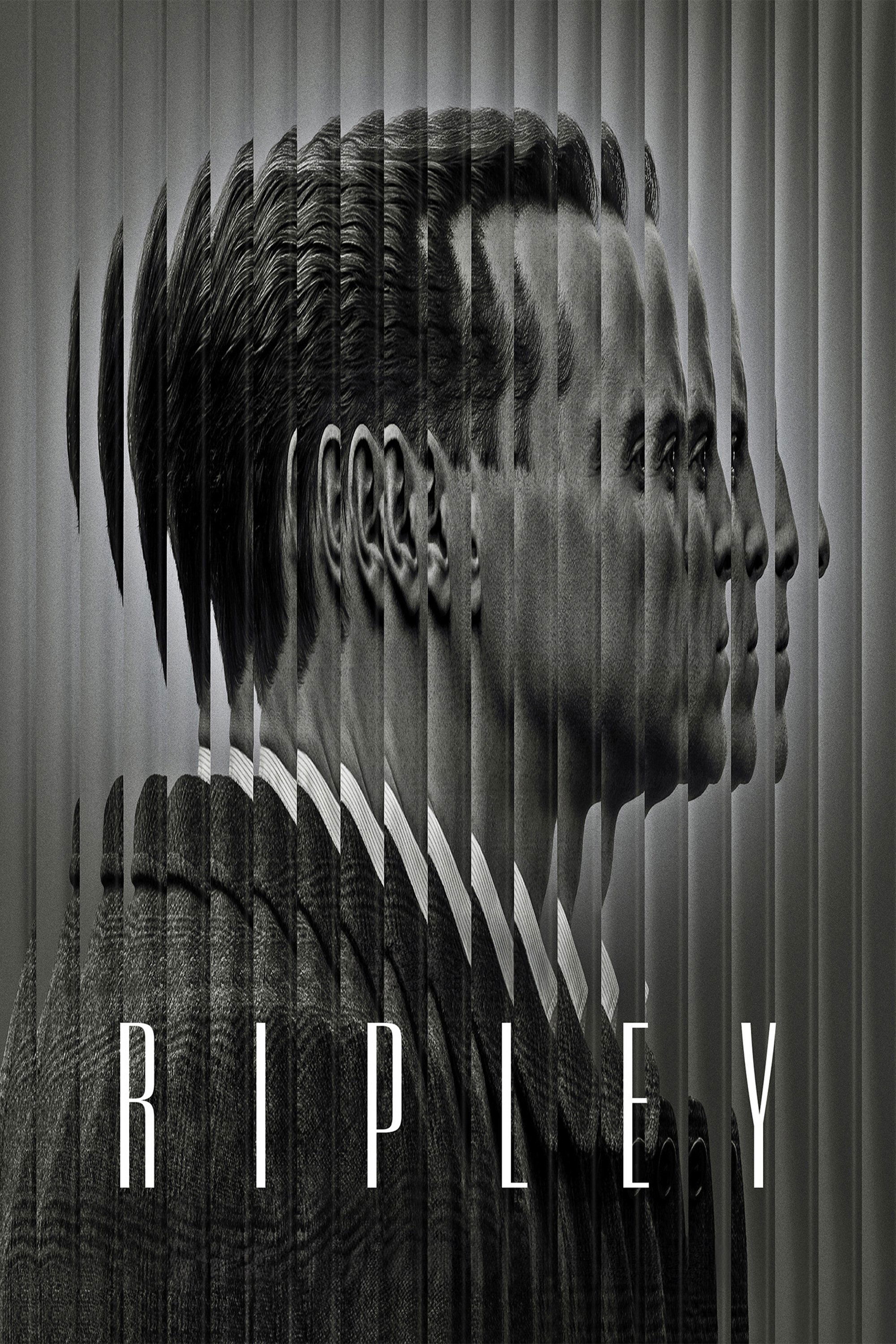

Ripley

Ripley

show

TV-MA, 2024

WISE
78%

WISE Score

86

Avg. Tomatometer

A gorgeous, slow-burn descent into sociopathy that makes 1960s Italy look like a beautiful, monochrome nightmare.

IMDb8.1
RT Critics86%
MC76
Common Sense Media
Where to Watch
Loading streaming options...
Screenwise Verdict

If you’re looking for the high-octane thrills of a standard spy show, Ripley will frustrate you. It’s a patient, meticulous, and visually stunning adaptation that cares more about the sweat on a killer's brow than it does about explosions.

It’s a 'vibe' show in the best way possible. Andrew Scott brings a creepy, voyeuristic energy that makes the 1999 Matt Damon version look like a sunny vacation. This is dark, deliberate, and undeniably prestige TV. If you have an evening to kill and a taste for noir, this is the move.
Age Fit

This is strictly for the 16+ crowd. It’s not just the violence; it’s the glacial pacing and psychological density that will bore younger kids and likely most middle-schoolers to tears. It’s a show for adults and very patient, film-loving teens.

WISE Breakdown
Wholesome
25

This is a character study of a sociopathic grifter. It's high art, but it's not about kindness, cooperation, or emotional health—it's about how to lie, steal, and kill your way into a better zip code.

Imaginative
92

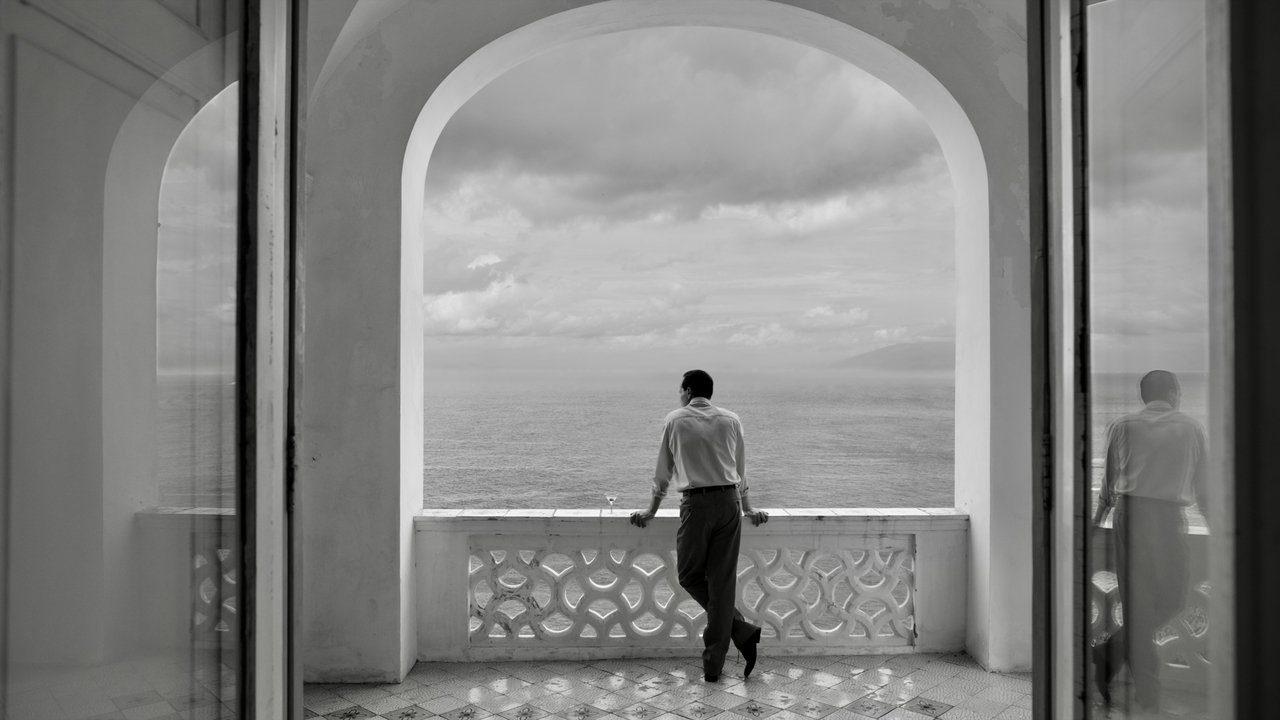
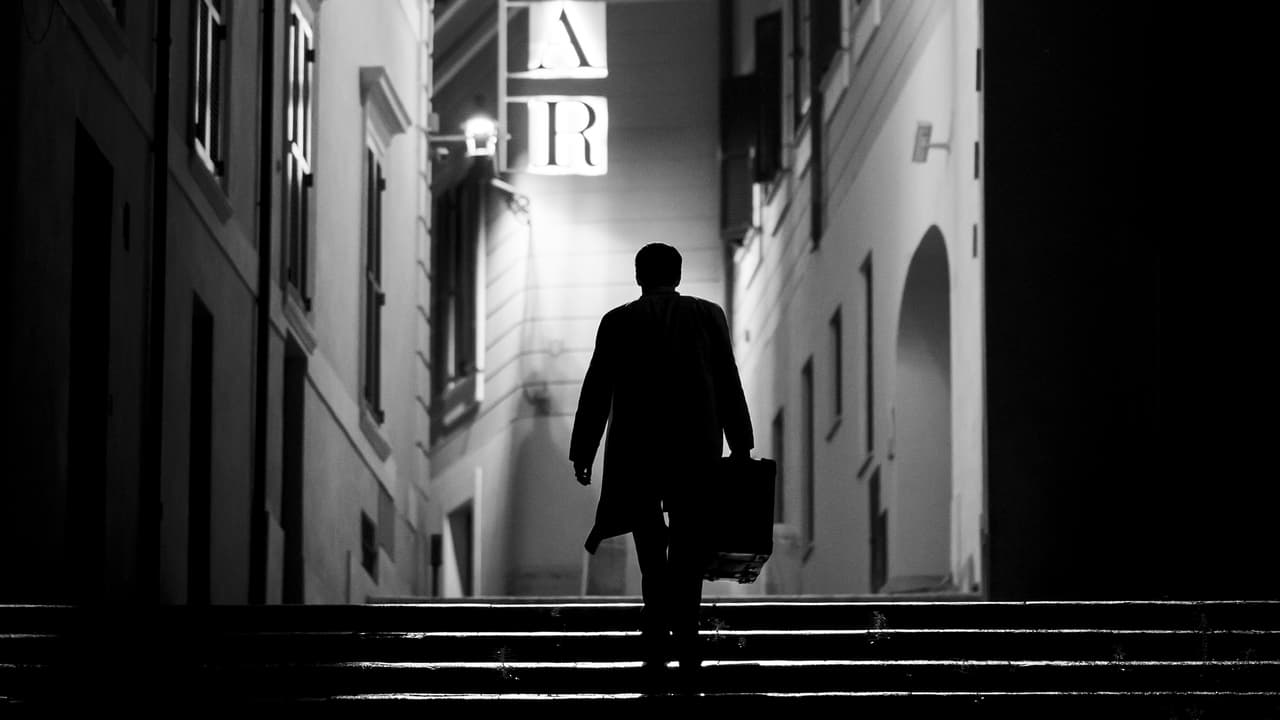
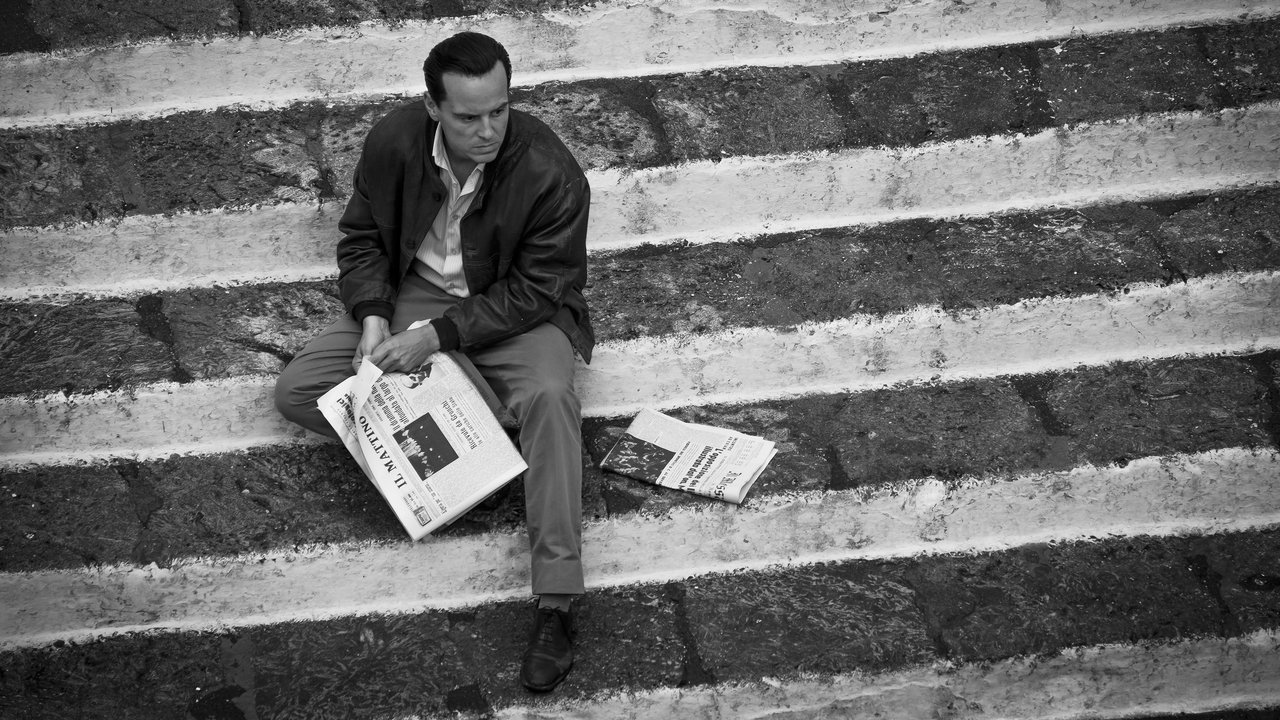
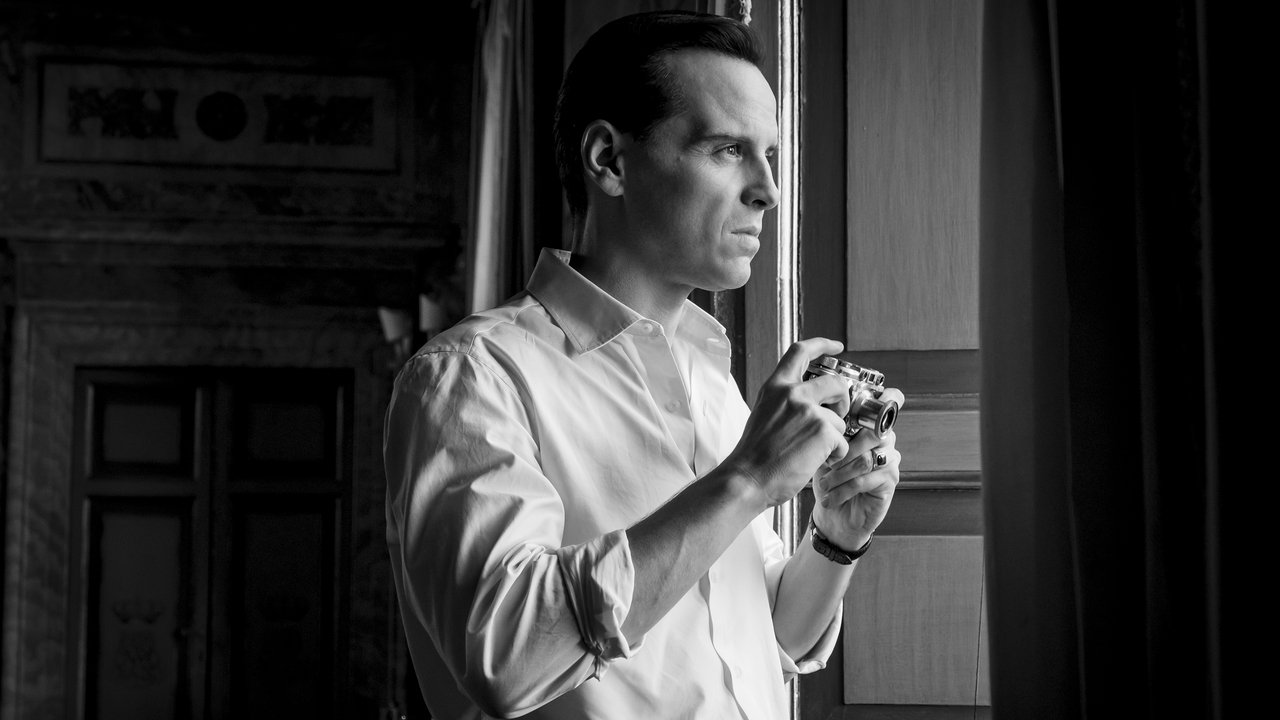
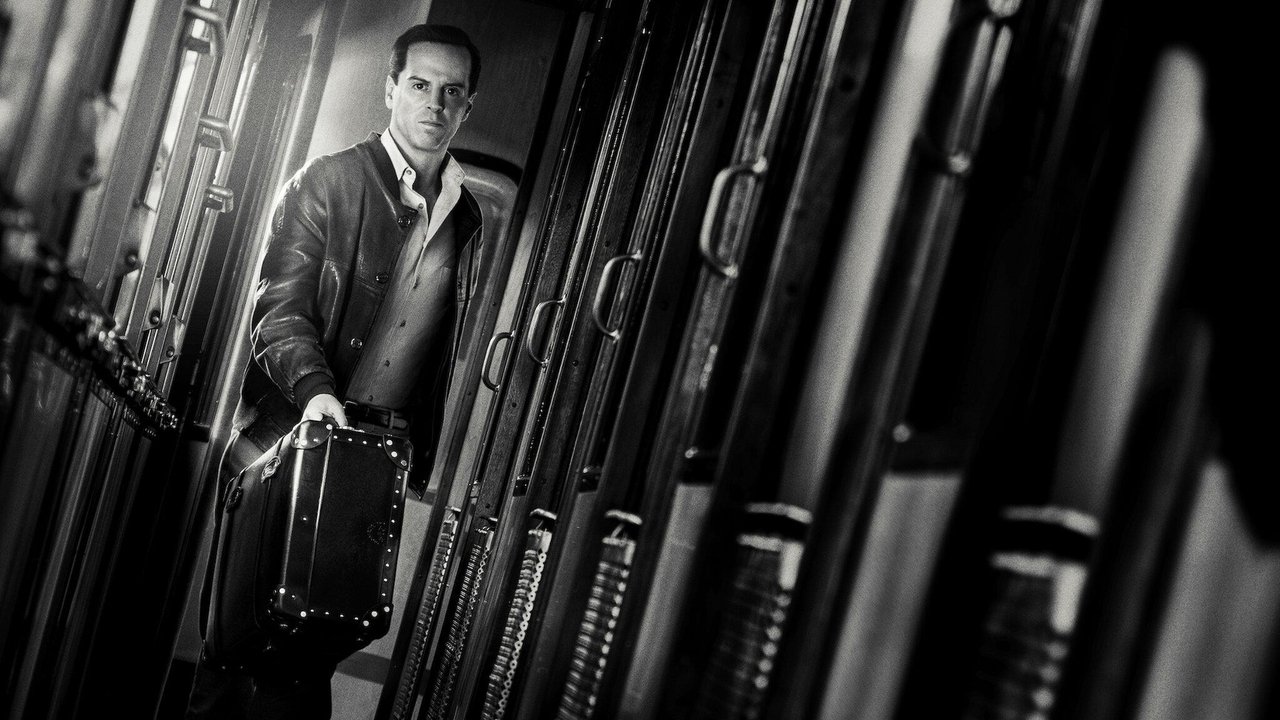
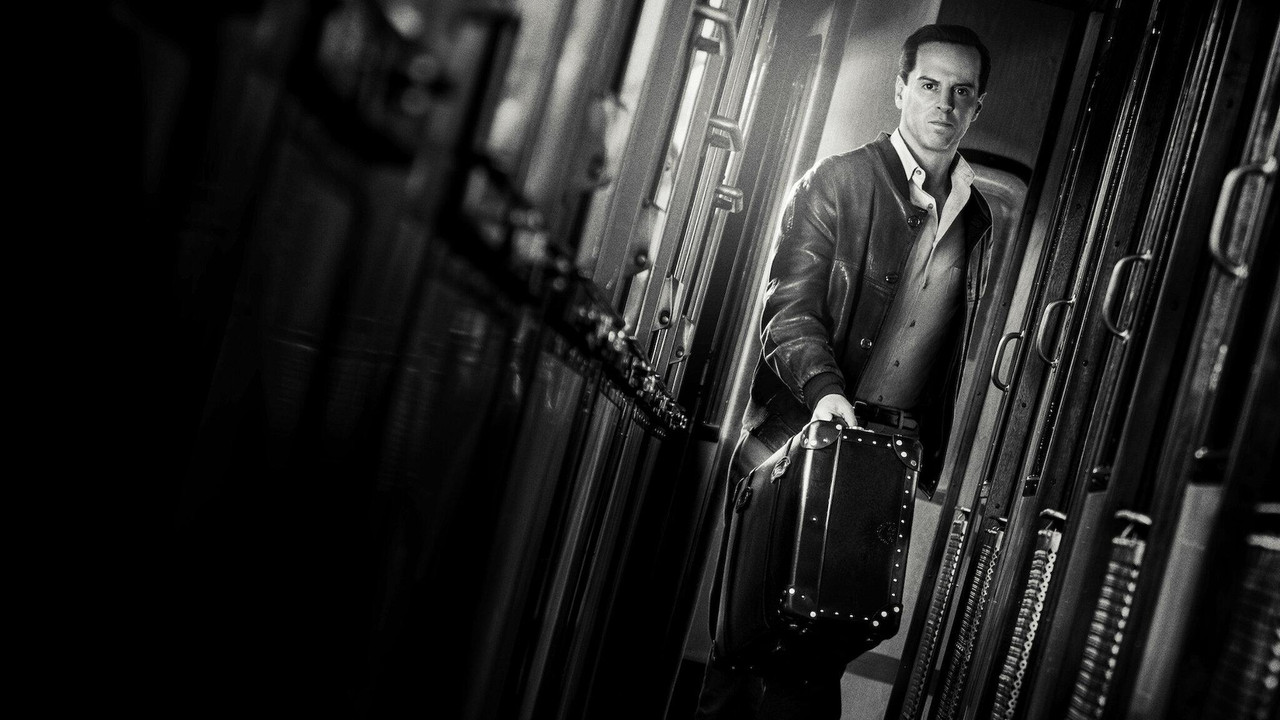
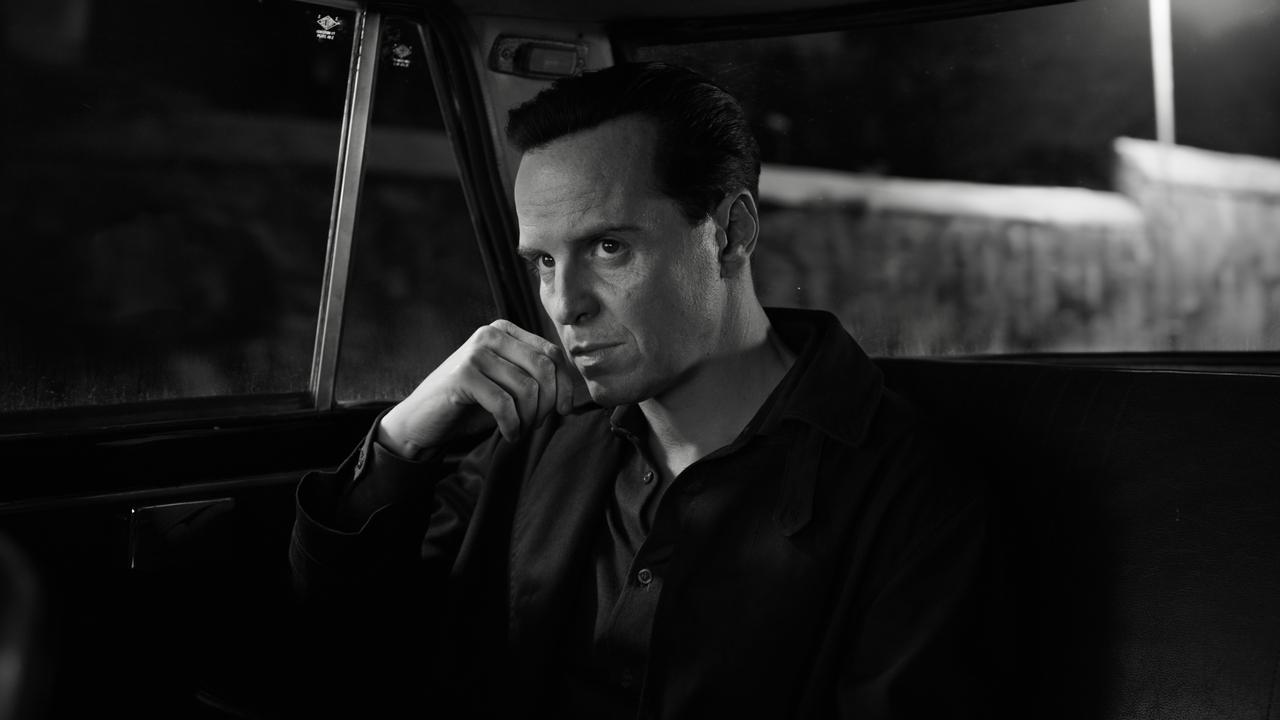
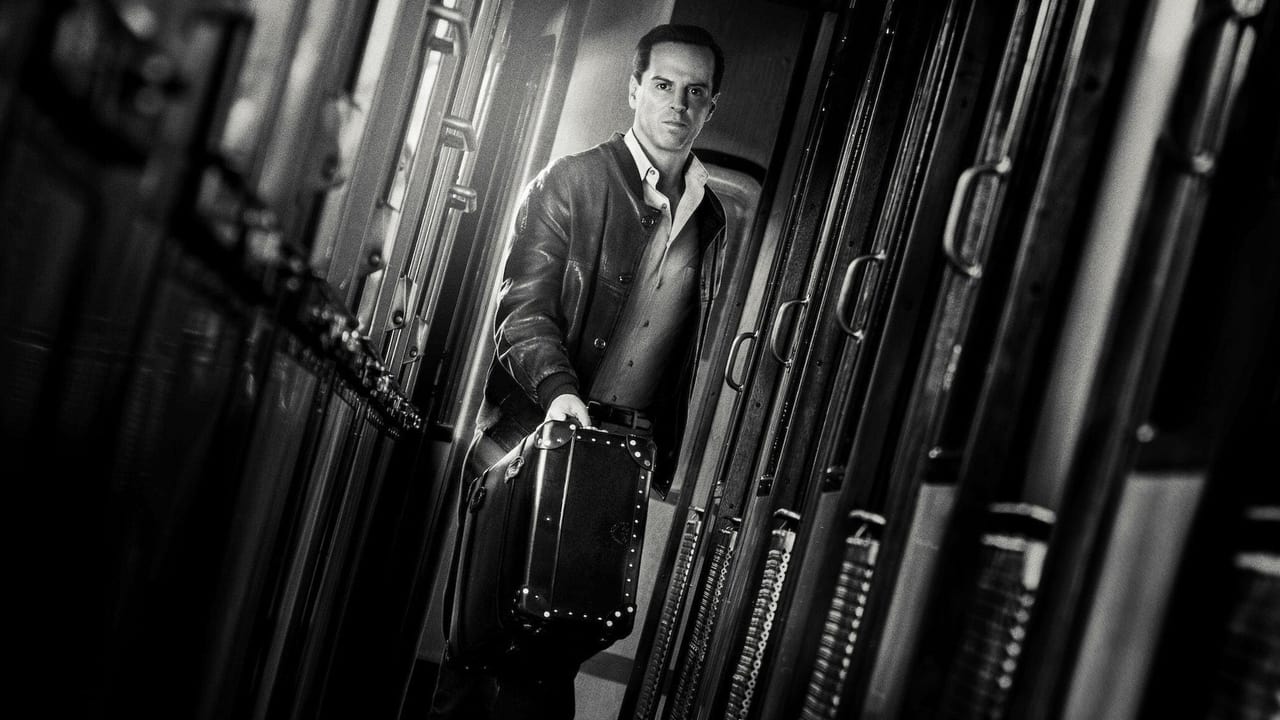
The decision to shoot in high-contrast black and white turns 1960s Italy into a noir dreamscape. It's visually daring and forces the viewer to engage with the architecture and the shadows as much as the plot.

Safe
45

The violence is sparse but incredibly visceral and messy. It’s not 'fun' action; it's a heavy oar hitting a skull and the grueling, sweaty work of hiding a body. Definitely not for the younger set.

Enriching
88

As a piece of filmmaking, it’s a masterclass. It rewards patience and attention to detail. It’s a deep dive into class envy and the performance of identity that stays with you long after the credits.

Parent Info

Why It Might Be Great

  • Andrew Scott’s performance is a masterclass in stillness; he plays Ripley as a cold, calculating lizard in a human suit.
  • The cinematography is arguably the best on television in years, using black and white to highlight the sharp angles of Italian villas and the darkness of the character.
  • It avoids the 'glamorized' version of crime, showing the clumsy, grueling reality of trying to get away with murder.
  • The pacing is unapologetically slow, allowing the tension to build until it’s almost unbearable.

What to Watch For

  • The murder scenes are unusually prolonged and realistic—it focuses on the physical difficulty and the 'mess' of death rather than quick cinematic cuts.
  • Ripley is an unrepentant protagonist; there is no moral redemption arc here, which might be jarring for viewers used to more traditional 'anti-heroes'.
  • The show is subtitled in parts when characters speak Italian, requiring full attention rather than second-screen scrolling.

Conversation Starters

  • "Why do you think Tom is so obsessed with Dickie’s life rather than just his money?"
  • "Does the black-and-white look make the story feel more or less 'real' to you?"
  • "At what point did you stop rooting for Tom—or did you ever start?"
  • "How does the show use the setting of Italy to make Tom feel like even more of an outsider?"

Deep Dive

A Different Kind of Monster

Most adaptations of Patricia Highsmith’s The Talented Mr. Ripley lean into the sun-drenched glamour of the Amalfi Coast. This version, helmed by Steven Zaillian, does the opposite. By stripping away the color, it strips away the romance. We are left with Tom Ripley as he actually is: a scavenger.

What makes this series worth the eight-hour investment is the way it handles the 'grind' of being a criminal. In most movies, disposing of a body takes a quick montage. In Ripley, it takes half an episode. You see the physical toll, the mistakes, and the sheer luck involved in his survival. It makes the tension feel earned rather than manufactured.

"The high-contrast B&W isn't just a gimmick; it mirrors the binary nature of Tom’s world—you're either in the inner circle or you're nothing."

For parents watching with older teens, it’s a great entry point into discussing how visual style influences storytelling. Compare a scene from this to the 1999 film, and you’re looking at two completely different genres. It’s also a sobering look at class and the lengths to which someone will go when they feel the world owes them a seat at the table. Just don't expect to feel 'good' when the finale hits.

What Parents Ask

Stills
Ripley — still 1
Ripley — still 2
Ripley — still 3
Ripley — still 4
Ripley — still 5
Ripley — still 6
Ripley — still 7
Ripley — still 8

Ask Anything

Get a personalized guide on any topic