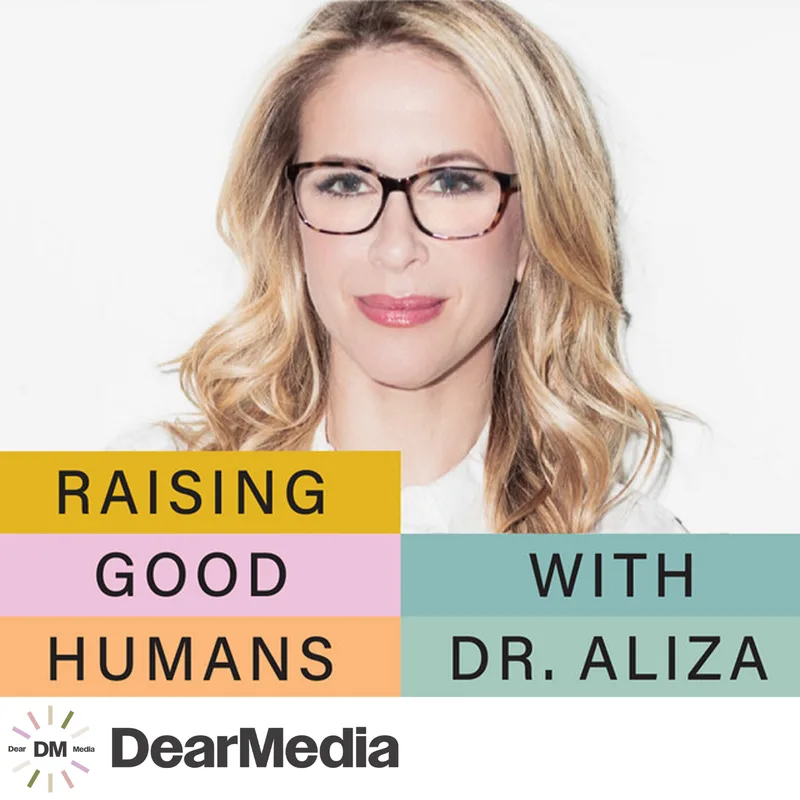
Your friendly developmental psychologist in your ear, giving you the parenting advice you actually need without the guilt trip.
Raising Good Humans
podcast
Clean, Kids & Family, Education
91%
WISE Score
Your friendly developmental psychologist in your ear, giving you the parenting advice you actually need without the guilt trip.
Jump to
Also rated on
Screenwise Verdict
If you're looking for realistic, shame-free parenting advice grounded in actual developmental psychology, Raising Good Humans delivers. Dr. Pressman's tone is warm and relatable—she's a parent herself, so there's no holier-than-thou energy here.
The podcast covers the full spectrum of parenting challenges: toddler meltdowns, building resilience, managing your own perfectionism, navigating a world that's changing faster than any of us can keep up with. The 'Six Cs' framework and playful learning concepts are genuinely useful, not just buzzwords.
It's not flashy or dramatic, but that's kind of the point. It's the friend at pickup who gives you the real talk without making you feel like you're failing. Highly recommend for intentional parents who want evidence-based strategies without the guilt.
Age Fit
This is 100% for adults—parents, caregivers, educators, anyone raising or working with kids. Children would find it incredibly dull, though it's safe to play around them (they'll just tune out).
WISE Breakdown
Wholesome
92
Dr. Aliza Pressman's approach is grounded in developmental psychology and explicitly aims to support parents without judgment or shame. The podcast models empathy, realistic expectations, and emotionally healthy parenting strategies. Topics like playful learning, the 'Six Cs' for thriving kids, and managing pressure/perfectionism are inherently wholesome and supportive.
Imaginative
78
While the podcast itself is educational rather than creative storytelling, it actively promotes imaginative parenting approaches through playful learning concepts and encourages parents to think differently about child development. It's not building worlds or telling stories, but it does invite curiosity and fresh perspectives on raising kids.
Safe
95
This is an adult parenting podcast with science-based content from a clinical psychologist. No inappropriate content, explicit language, or triggering material based on available information. Topics cover normal developmental stages (terrible twos, biting, hitting) in educational contexts. Safe for parents to listen to in the car or around the house, though kids would find it boring.
Enriching
94
Extremely enriching for the target audience (parents). Offers evidence-based strategies, developmental psychology insights, and practical tools for raising emotionally healthy children. The 'Six Cs' framework, playful learning science, and expert interviews provide meaningful skill-building and perspective shifts. Listeners consistently praise its actionable advice.
Parent Info
✓
Why It Might Be Great
Dr. Aliza Pressman is a legit developmental psychologist and co-founder of Mount Sinai Parenting Center—real credentials, not just parenting influencer vibes
Explicitly non-judgmental approach that acknowledges parents don't have all the answers (and that's okay)
Science-backed strategies that cover everything from toddler tantrums to raising resilient kids in a rapidly changing world
The 'Six Cs' framework and playful learning concepts give you actual tools, not just platitudes
Episodes are described as 'deep but brief'—respects your time while giving meaningful content
⚠
What to Watch For
This is definitely for parents/caregivers, not kids—your 8-year-old will be bored to tears
Some topics (developmental stages, behavioral challenges) might feel more relevant depending on your kids' ages, so you might skip around
It's educational and enriching, but not entertainment—don't expect laugh-out-loud moments or dramatic storytelling
Conversation Starters
"What's one thing from this episode we could try this week with the kids?"
"Do you think we're putting too much pressure on them to be 'perfect'?"
"Which of the 'Six Cs' do you think our kid is strongest in? Which one could use more support?"
"How did your parents handle this stuff—and what do we want to do differently?"