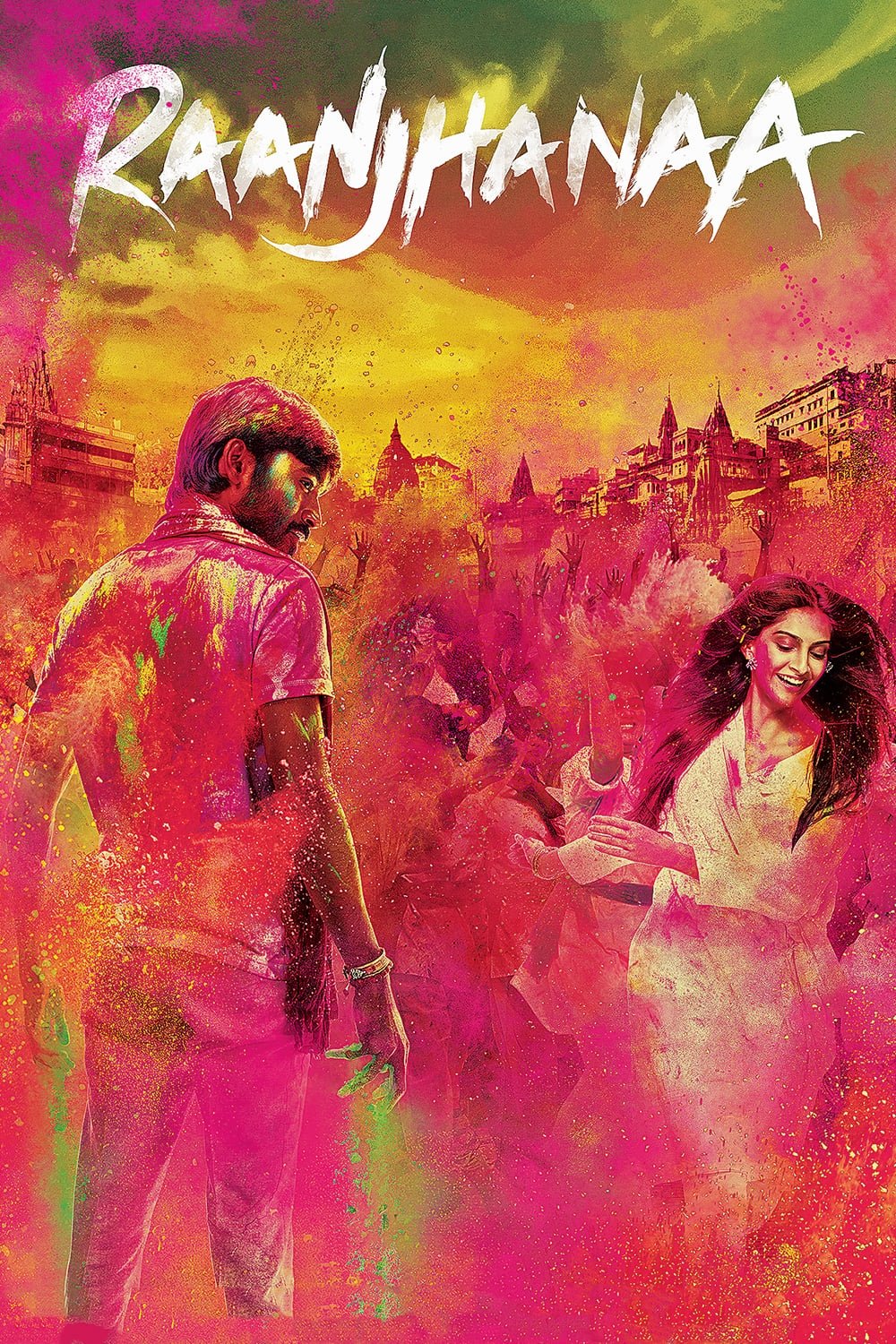
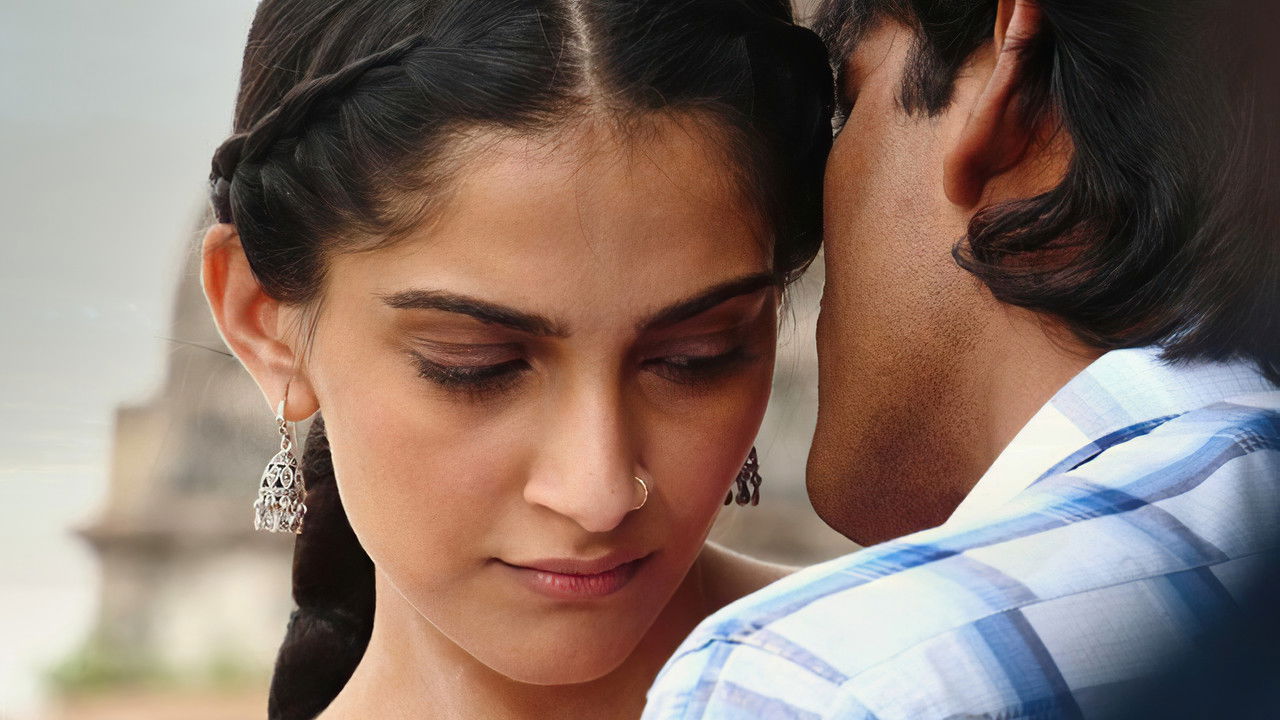
Raanjhanaa is a polarizing piece of cinema. When it first dropped in 2013, it was hailed for its energy and its breakout performance by Dhanush. But in the years since, the conversation has shifted toward the film's handling of its central 'romance.' The protagonist, Kundan, spends years harassing Zoya, refusing to take 'no' for an answer, and even using self-harm as a tool for emotional manipulation.
The Music and the Mood
You can't talk about this movie without talking about A.R. Rahman. The soundtrack is legendary for a reason. It carries the emotional weight of the film when the script falters. The scenes in Varanasi are some of the most vibrant depictions of the city ever put to film, capturing the chaos of the Holi festival and the quiet of the ghats. For a kid interested in Indian culture or cinematography, there's a lot to appreciate here visually.
The Genre Flip
Parents should know that this isn't a standard 'boy meets girl' story. The first hour is a nostalgic, albeit problematic, look at childhood crushes. The second hour moves to Delhi and dives into the world of JNU-style student politics, protests, and betrayal. It becomes much more cynical and violent. The ending isn't a happy one; it's a tragic meditation on the consequences of selfish love and political maneuvering.
The Consent Conversation
This is the biggest friction point. The film belongs to a specific era of Bollywood where 'no' was often interpreted by writers as 'try harder.' Watching this in 2026 requires a critical eye. It's a perfect opportunity to talk to a teenager about the difference between a healthy relationship and an obsessive one. If you go in expecting a light-hearted romp, you’ll be disappointed. If you go in expecting a heavy, beautifully made drama about flawed people making terrible choices, it’s a much more rewarding watch.