The TV Series vs. The Movie Trilogy
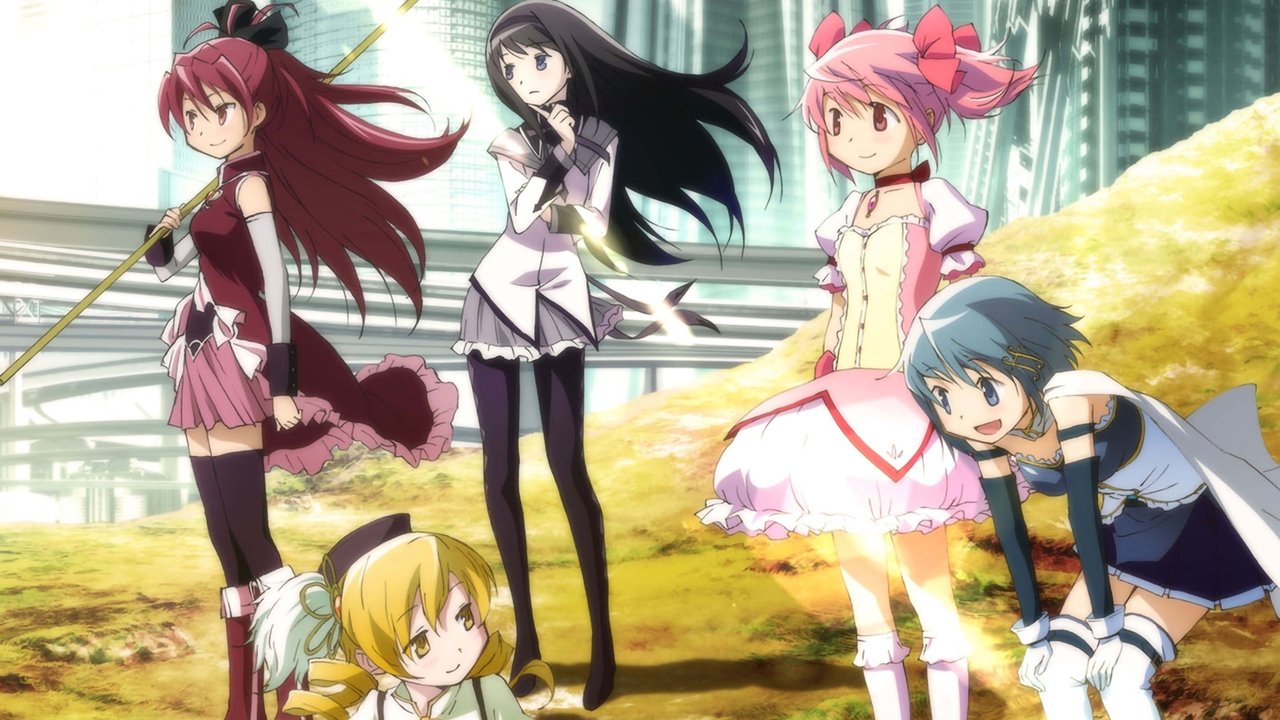
Before you hit play, you need to know how this fits into the franchise. Madoka Magica originally aired in 2011 as a 12-episode television series that blew the anime world apart. In 2012, Studio Shaft released two compilation films—Part I: Beginnings (covering episodes 1–8) and Part II: Eternal (covering episodes 9–12)—followed in 2013 by Part III: Rebellion, which is a brand-new sequel story.
Beginnings is an upgrade in pure production value. The studio went back and redrew clunky frames, completely overhauled the transformation sequences, and re-recorded the voice acting. What you lose is the slow-burn pacing of the television format. In the original series, the first two episodes feel like a genuinely sweet, slightly eerie magical-girl show, which makes the famous turn in Episode 3 land like a sledgehammer. In Beginnings, the editors trim the quiet slice-of-life scenes at the start, so you reach the horror beats faster. Either version works, though first-time viewers often prefer the breathing room of the 12-episode series.
Why Teenagers Connect With It
Writer Gen Urobuchi (nicknamed "Urobutcher" by anime fans for his tendency to put characters through an emotional meat grinder) treats middle-school friendship and adolescent angst with fatalistic gravity. When Sayaka Miki uses her one miracle wish to heal the shattered hand of the boy she likes—a violin prodigy who can no longer play—she expects a fairy-tale reward. Instead, she gets a brutal lesson in resentment, transactional kindness, and what happens when you give away your own literal soul expecting someone to love you back.
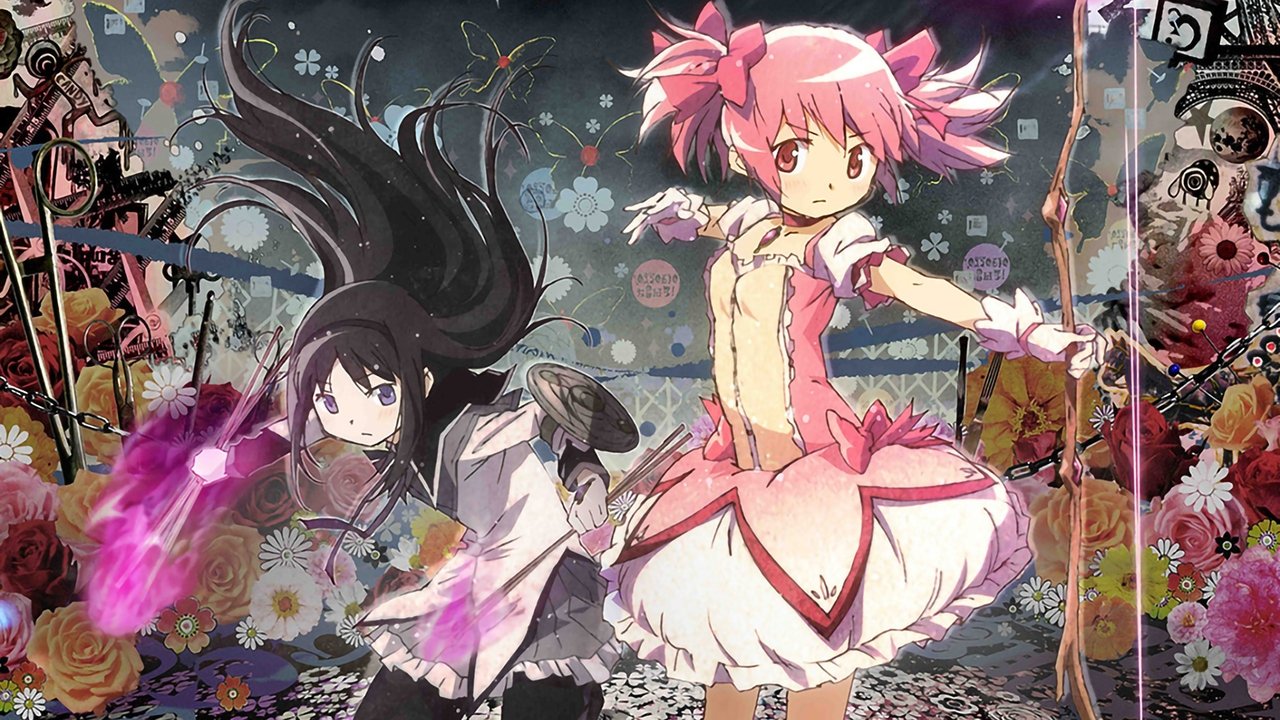
The visuals match that internal chaos. Whenever the girls step inside a witch's barrier, the crisp anime line-art disappears. The screen fills with jarring collage art: Victorian engravings, sinister medical machinery, scrawled German runes, and stop-motion dolls. It feels genuinely alien and dangerous.
Ending on a Cliffhanger
Because Beginnings only covers through Episode 8, it stops at the absolute bleakest point in the narrative, right as one of the main characters hits total psychological collapse. Do not queue this up unless you already have Part II: Eternal (or episodes 9–12 of the series) ready to go. The second half is where the show pulls out of its nose-dive into despair and delivers the payoffs about hope, time travel, and friendship that actually make the whole grim journey worth taking.