The Gateway Drug to Classic Literature
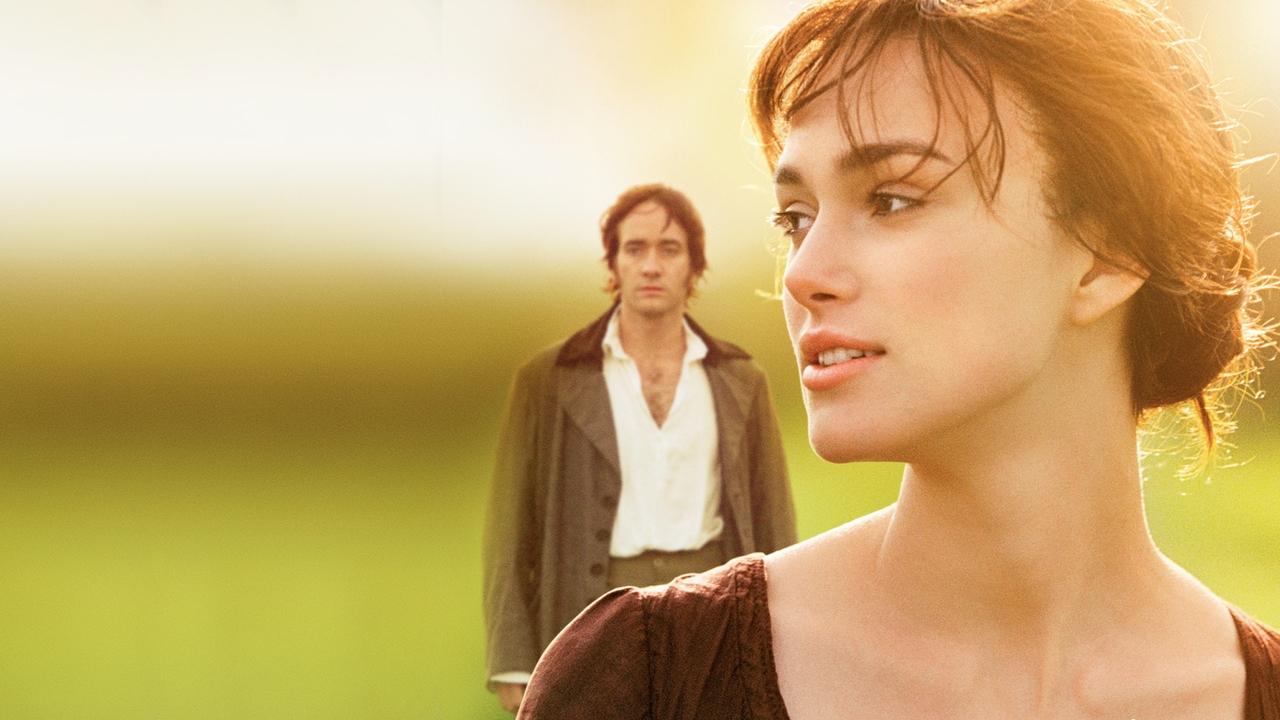
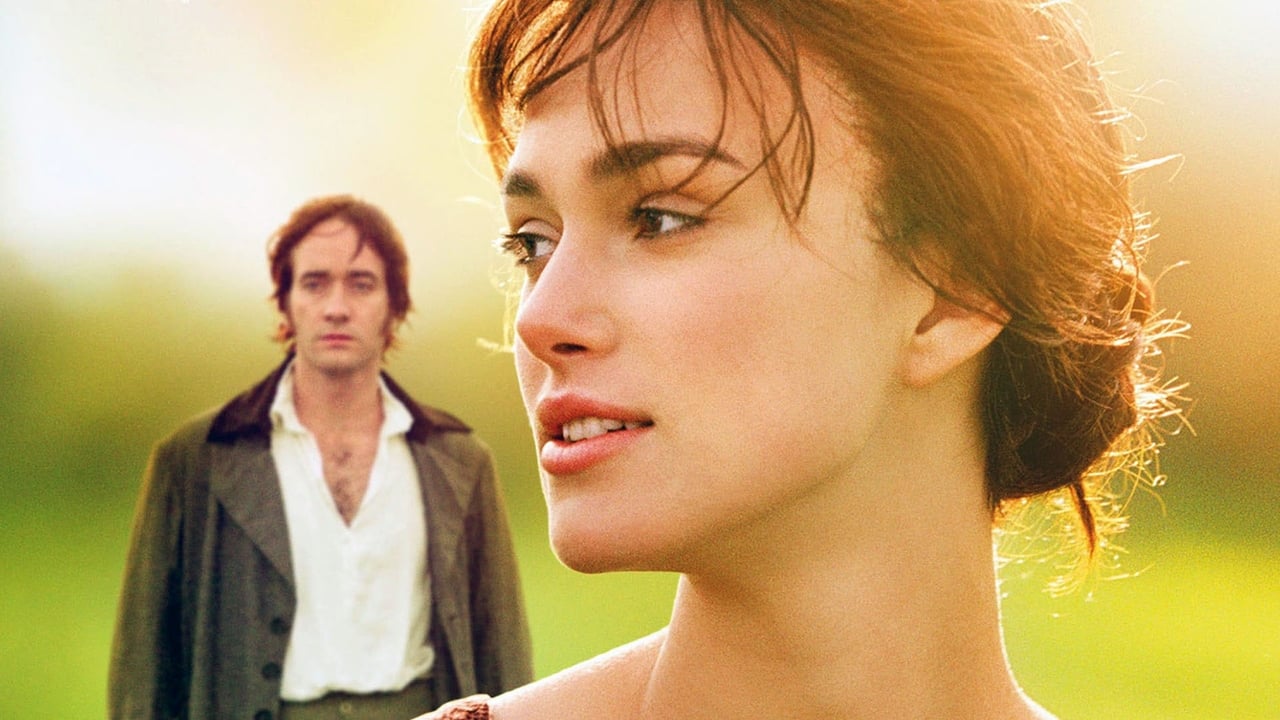
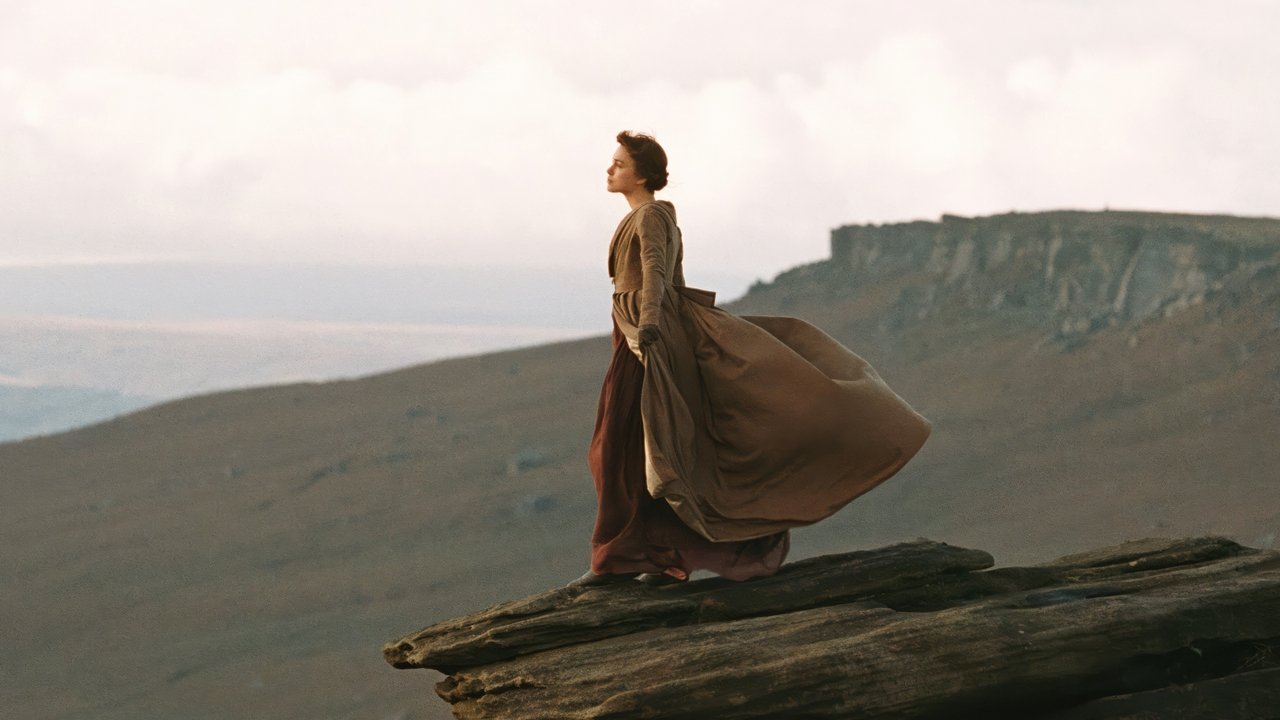
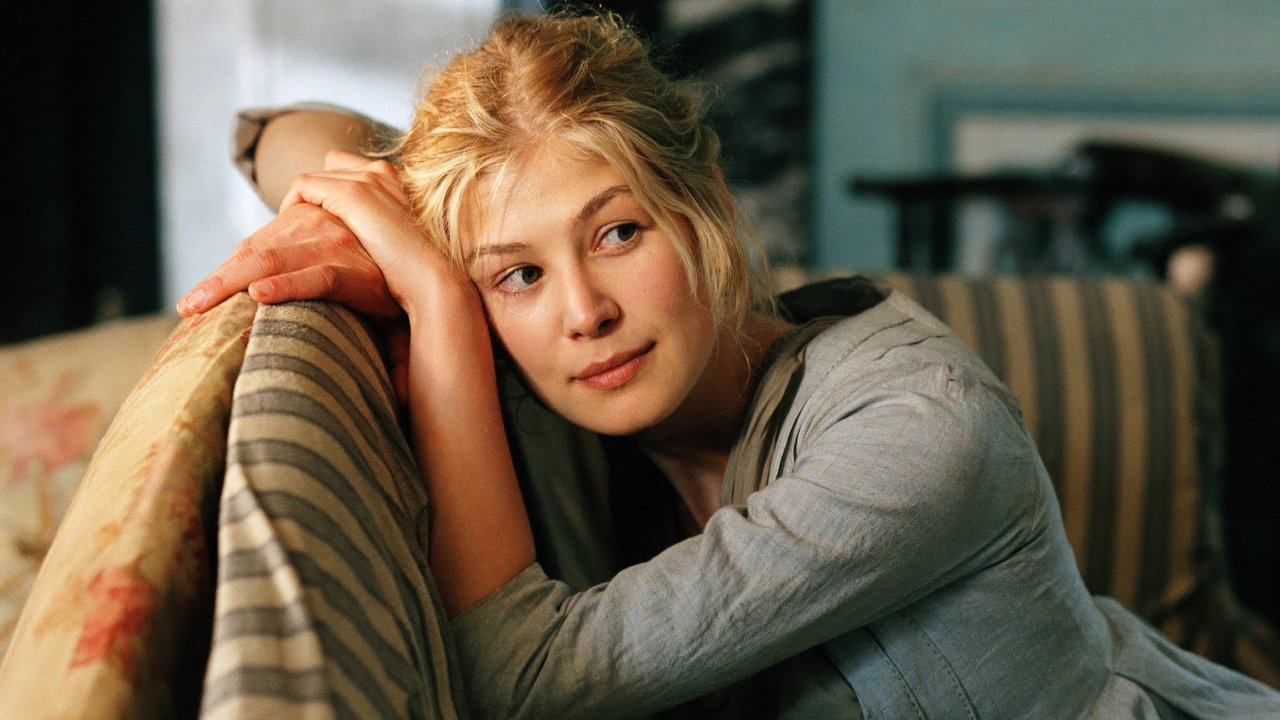
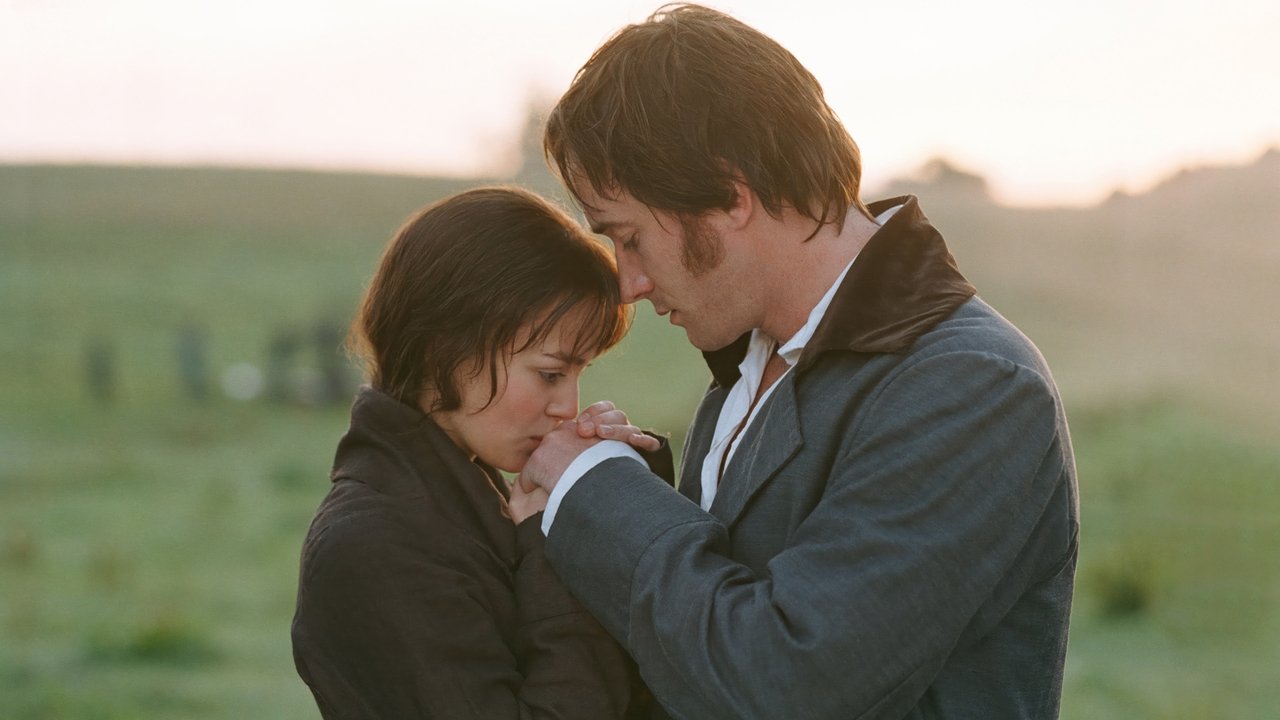
If you want a kid to actually enjoy Jane Austen, you start here. Joe Wright’s 2005 adaptation is often criticized by scholars for being too 'romanticized,' but for a modern parent, that’s exactly why it works. It strips away the stuffiness of the period drama and replaces it with a kinetic, almost restless energy. The Bennet household is loud, chaotic, and crowded—something most kids with siblings will immediately recognize.
From a literacy perspective, this movie is a goldmine. We talk a lot at Screenwise about the Reading Rope—the idea that reading isn't just sounding out words, but also having the background knowledge to understand what those words mean in context. Watching Pride and Prejudice gives a kid the 'mental furniture' of the 19th century. When they eventually encounter Austen or Brontë in school, they won't be starting from zero. They’ll already know what an entailment is, why a carriage ride in the rain is a big deal, and how to spot a 'fortune hunter.'
Why the 2005 Version Wins for Families
There’s a specific shot in this movie where the camera follows Elizabeth through a crowded ball, weaving between dancers and eavesdropping on conversations. It’s a technical marvel, but more importantly, it makes the 1800s feel alive. It doesn't feel like a museum.
Matthew Macfadyen’s Darcy is also particularly well-suited for modern kids. He isn't just a stoic jerk; he’s clearly socially anxious and awkward. Watching him struggle to say the right thing is a great jumping-off point for talking about social cues and how we often misinterpret people’s silence as rudeness.
If your kid is used to the high-octane pace of YouTube or Marvel, the first twenty minutes might feel slow. Stick with it. Once the various suitors start arriving and the social chess matches begin, the 'drama' is as high-stakes as any superhero showdown—just with better hats and sharper insults.