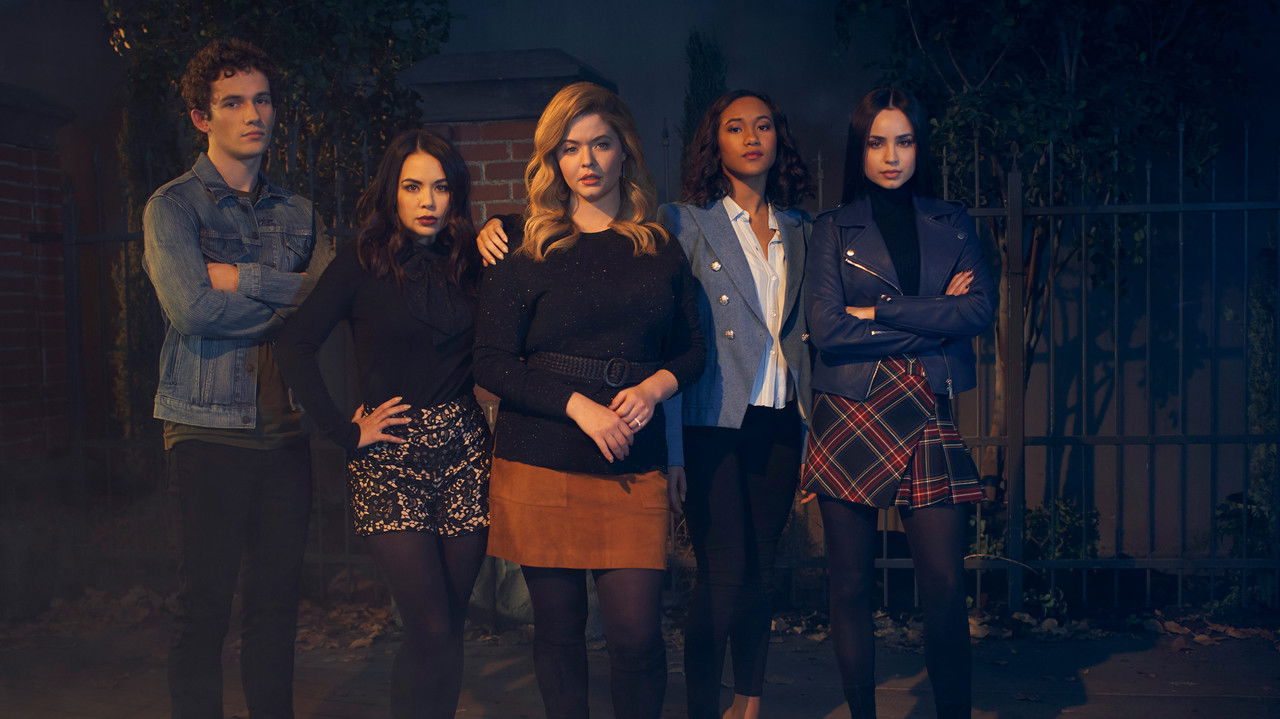
The Rosewood Formula in College Clothes
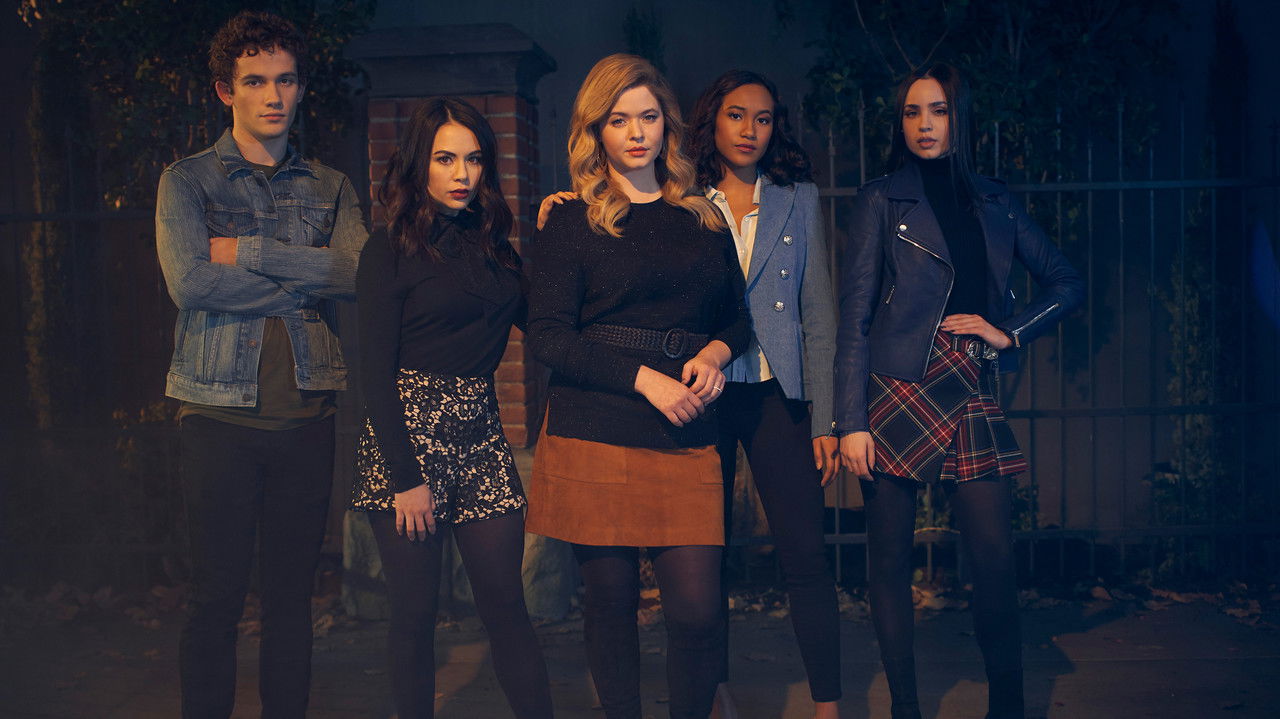
When Freeform launched Pretty Little Liars: The Perfectionists in 2019, the goal was obvious: replicate the manic, social-media-fueled mystery obsession that made the original show a cable juggernaut. Instead of high schoolers in Pennsylvania, the action centers on Beacon Heights University in Oregon, where perfectionist culture is treated like a competitive sport.
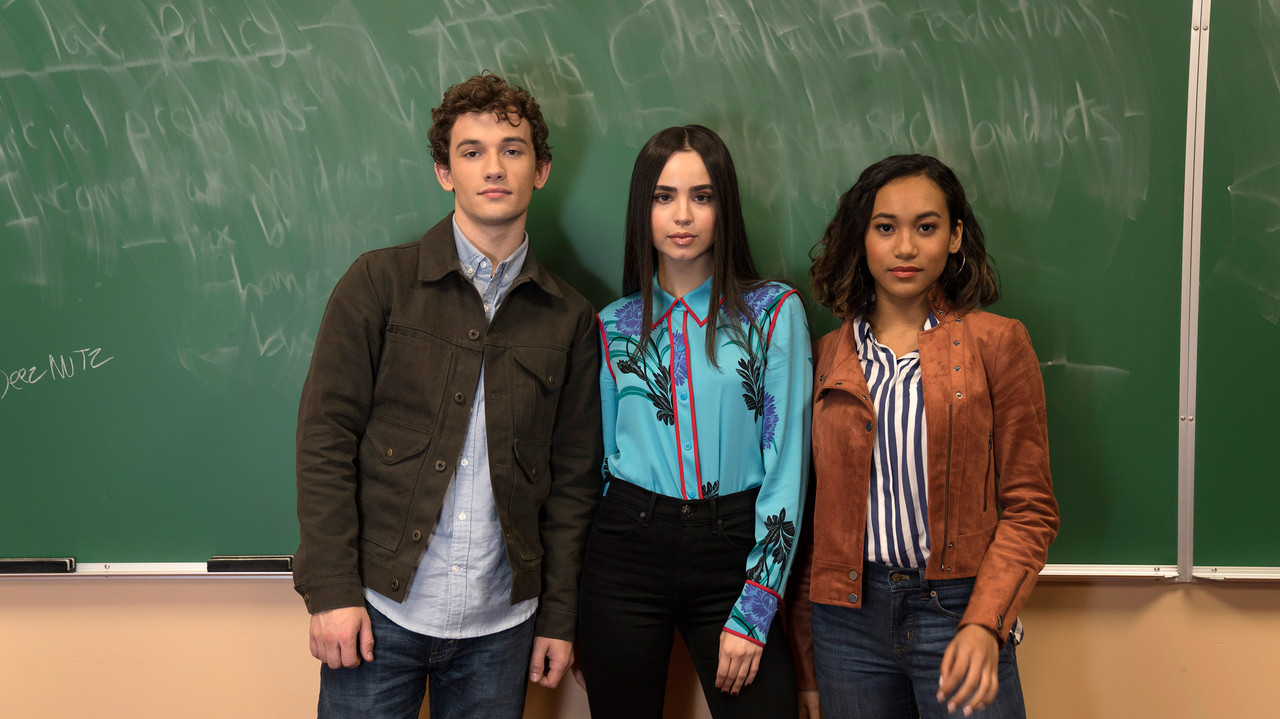
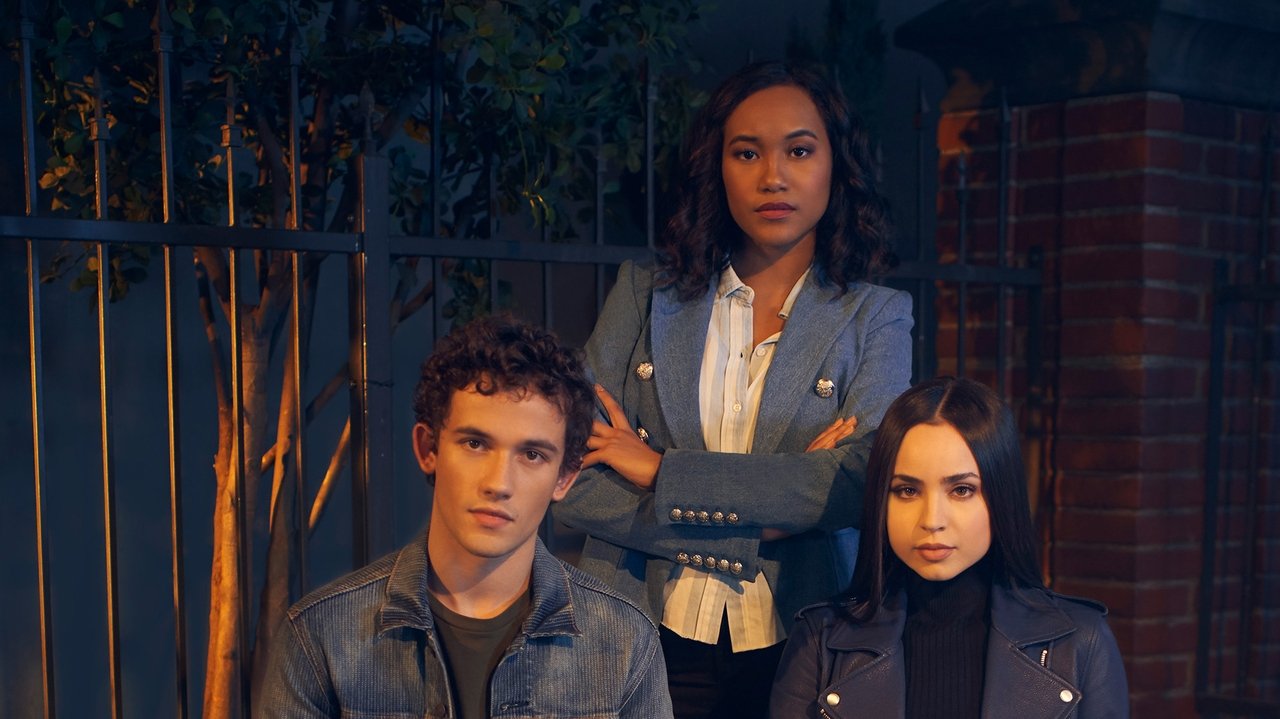
The setup is standard I. Marlene King territory. A campus golden-boy blackmails three talented peers—a cellist, an aspiring fashion designer, and a PR prodigy—into doing his bidding. When he turns up dead, the trio becomes the prime suspects and has to team up to find the real killer.
Why It Stumbled (And What Works)
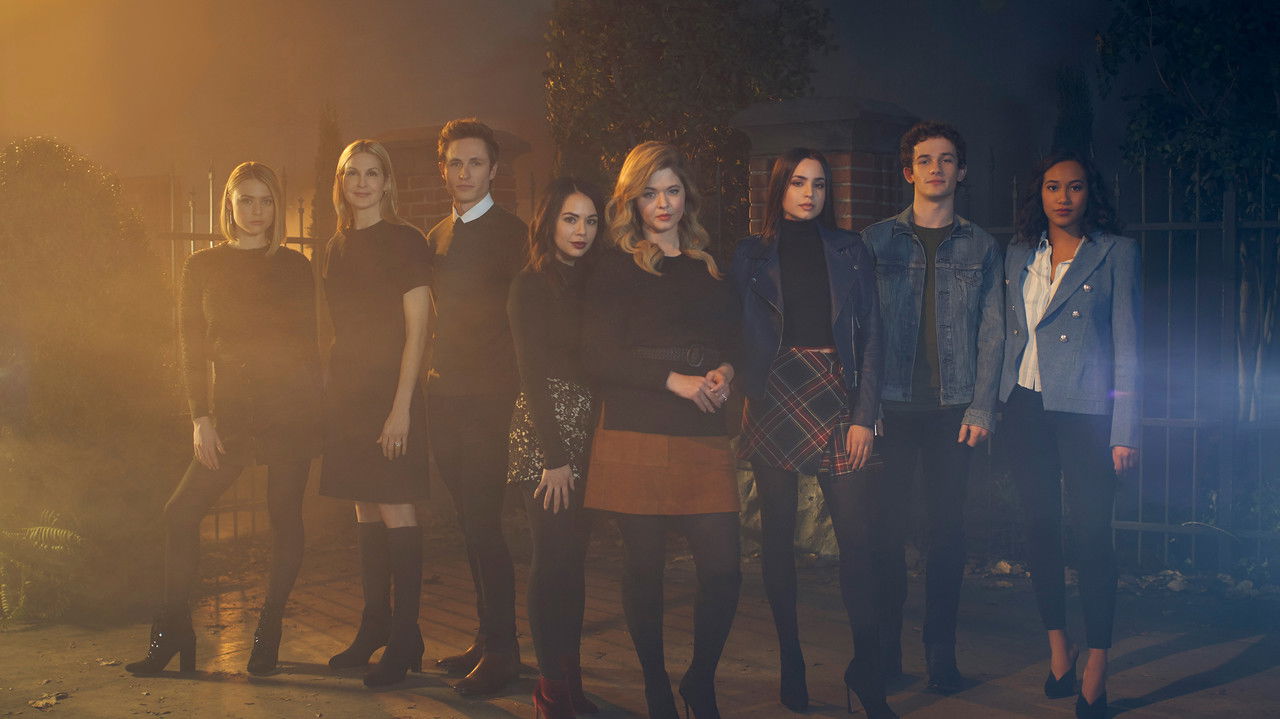
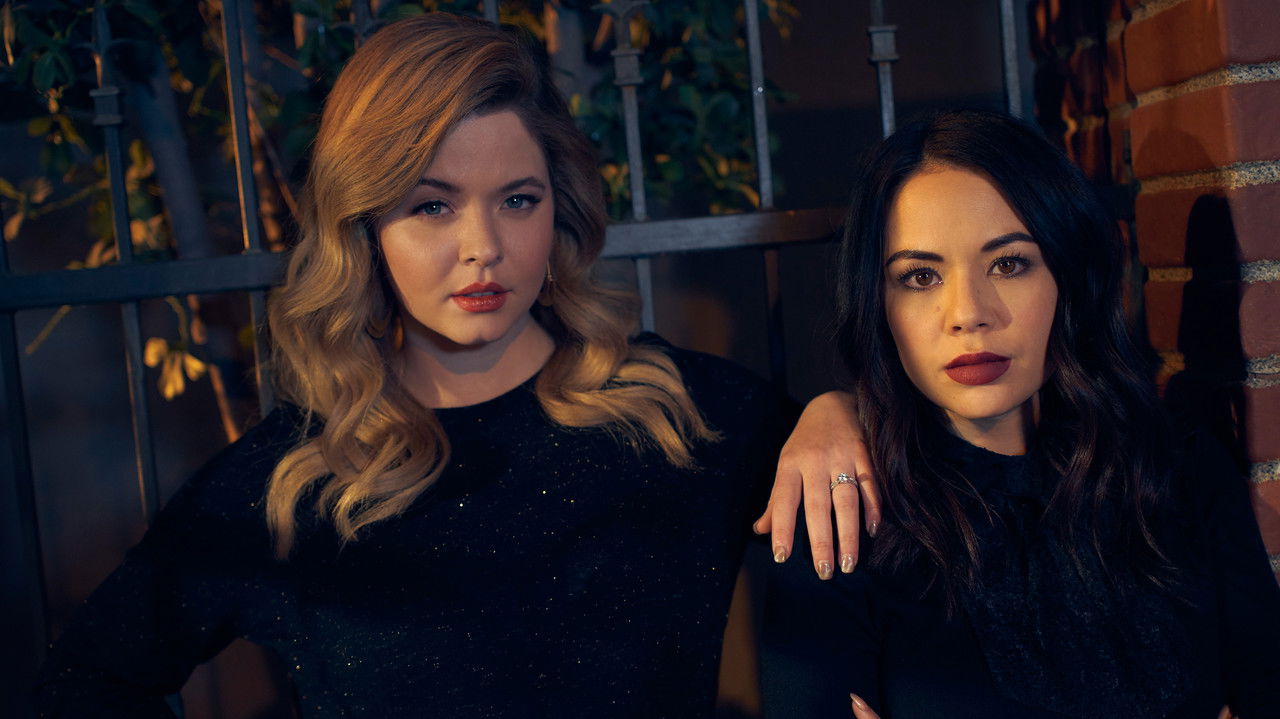
Bringing back Alison DiLaurentis and Mona Vanderwaal gave the show a solid anchor. Janel Parrish in particular slides effortlessly into Mona's brand of calculating, slightly unhinged genius. The new core trio also has enough charisma to keep the ten episodes moving.
The problem is that the series never figured out how to balance its campus-surveillance plotline with the interpersonal drama. The mystery leans heavily on Beacon Guard, an omnipresent facial-recognition tech platform tracking everyone on campus. It should feel chilling, but the show treats it like a convenient plot device rather than a real idea.
The show wants to skewer toxic academic expectations, but it constantly forgets that premise whenever someone gets a cryptic text message.
The Verdict on Binging It Today
Because Freeform cancelled the series after its initial 10-episode order, the ending resolves the immediate killer's identity in broad strokes while tossing out an entirely new, unresolved villain collective for a season two that never happened. If your teen is a completist for the PLL universe, it is an easy, soapy watch. If they want a satisfying, complete mystery, point them toward Cruel Summer or One of Us Is Lying instead.