The Original Influencer of Optimism
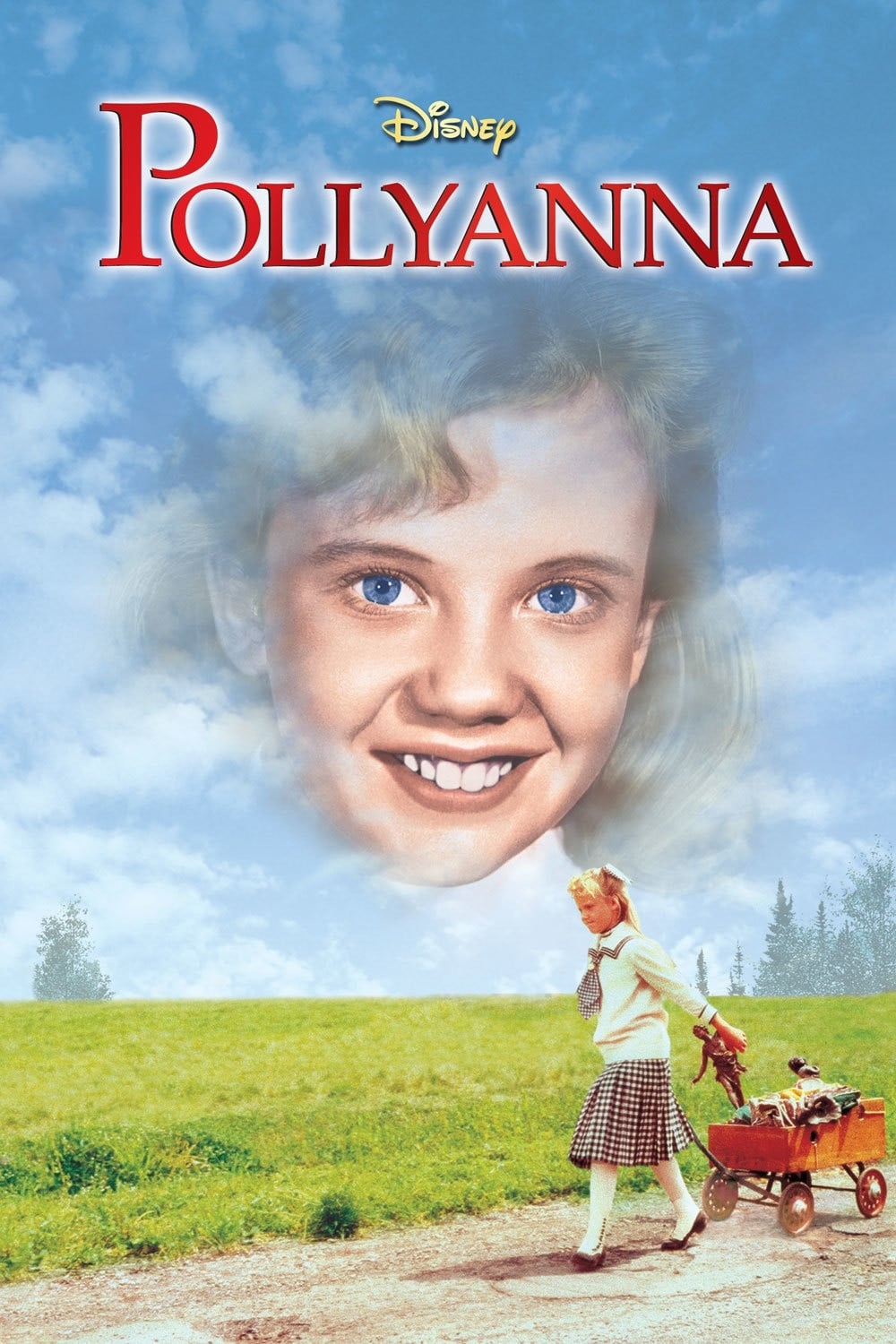
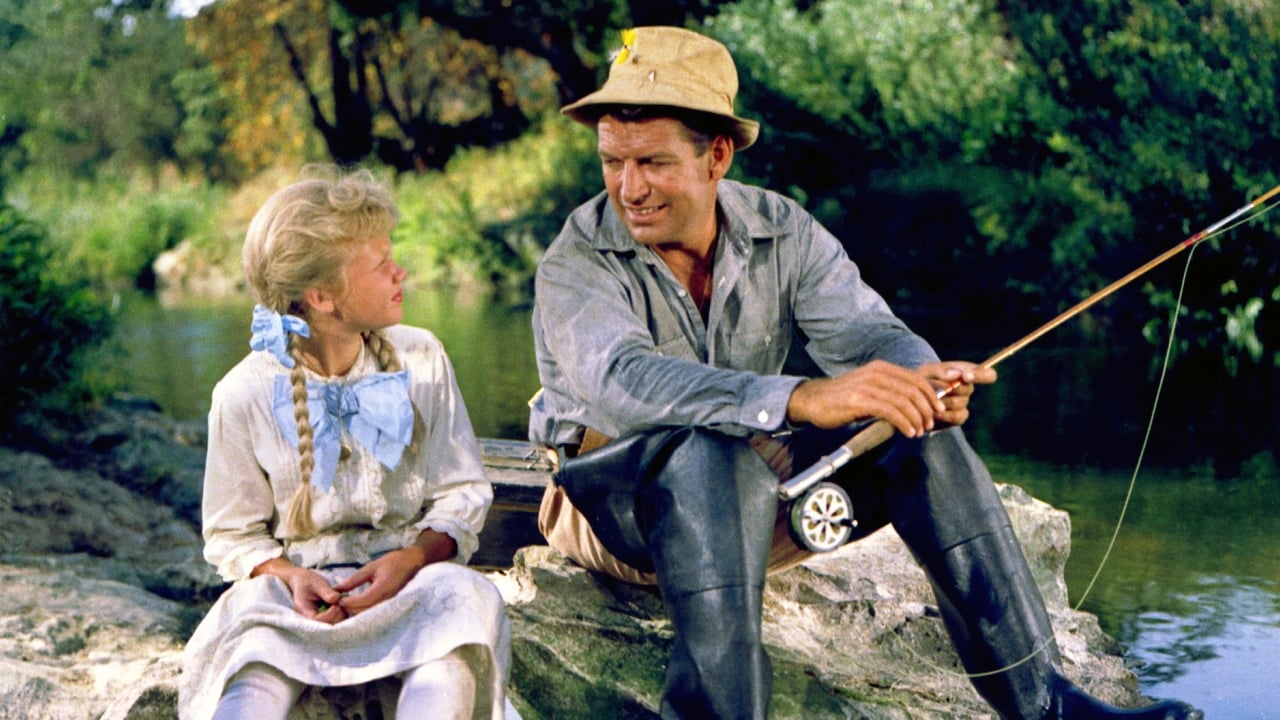
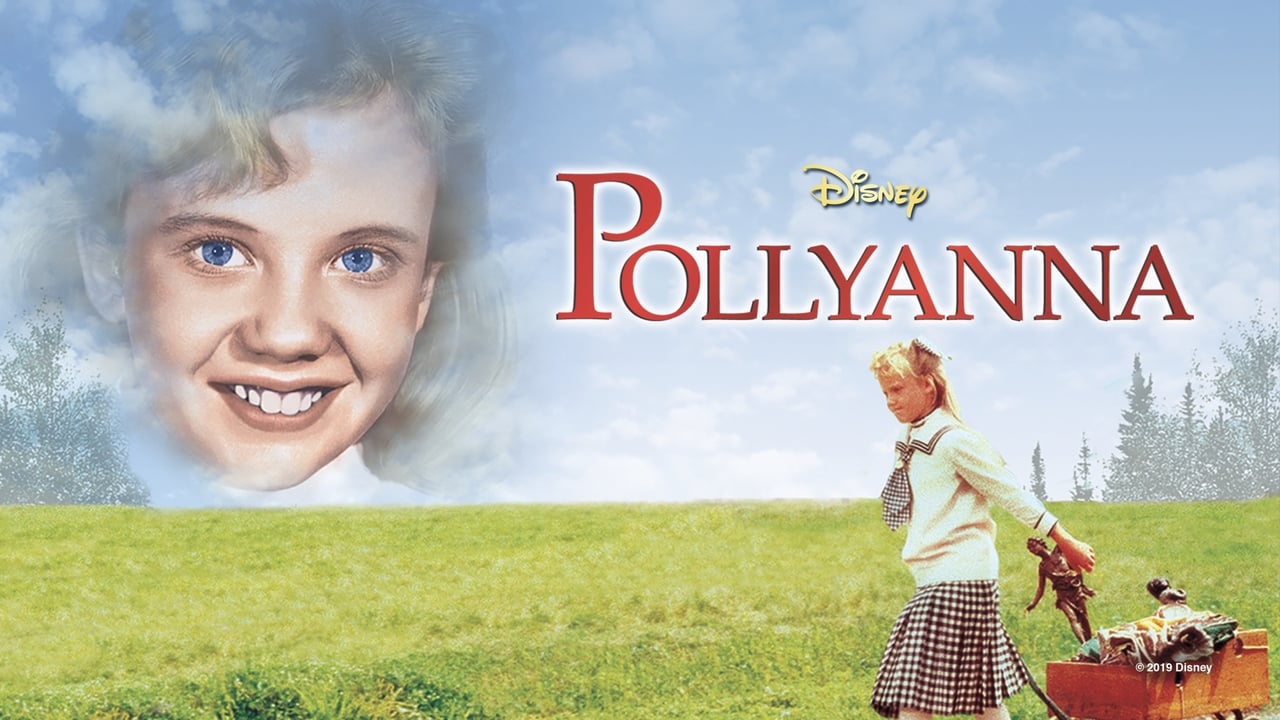
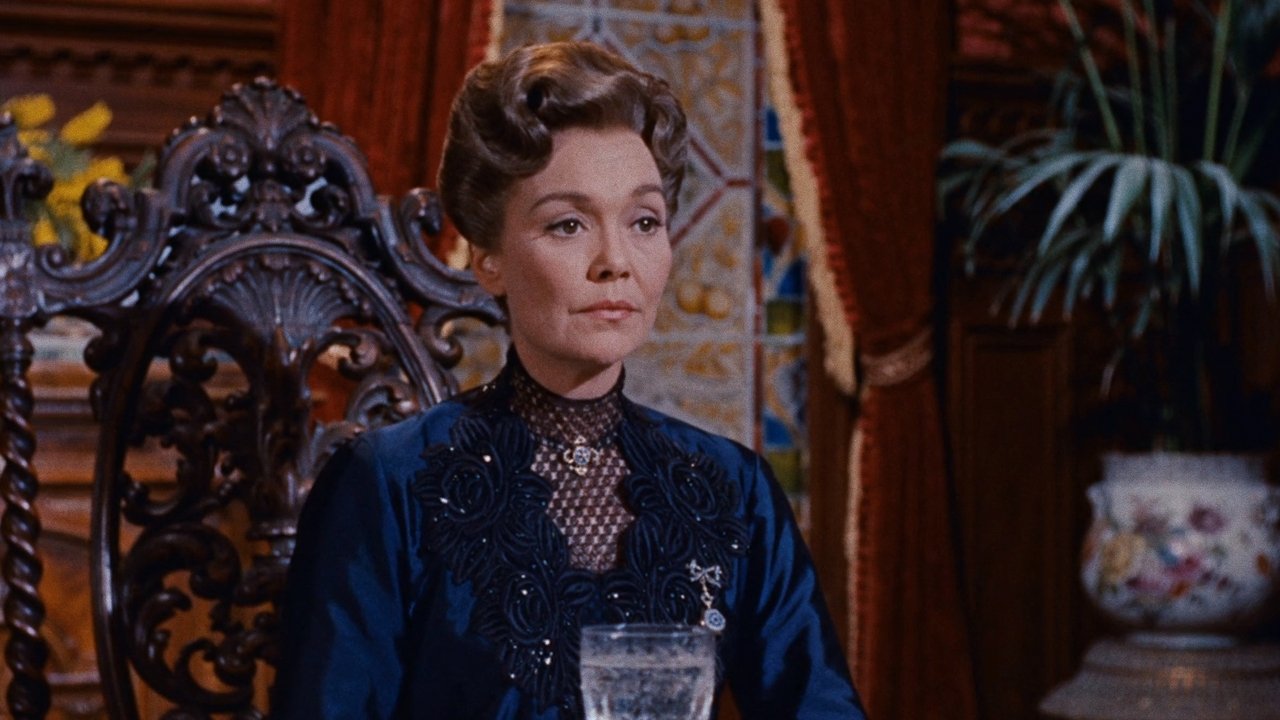
Long before 'toxic positivity' was a term, we had Pollyanna. The 1960 Disney version is the definitive take, and it’s surprisingly more robust than the 'saccharine' reputation it carries. The town of Harrington is full of people who aren't just grumpy—they're isolated by their own pride, grief, and social standing. Watching a child systematically dismantle those barriers just by being relentlessly kind is a powerful image for kids.
The Pacing Problem
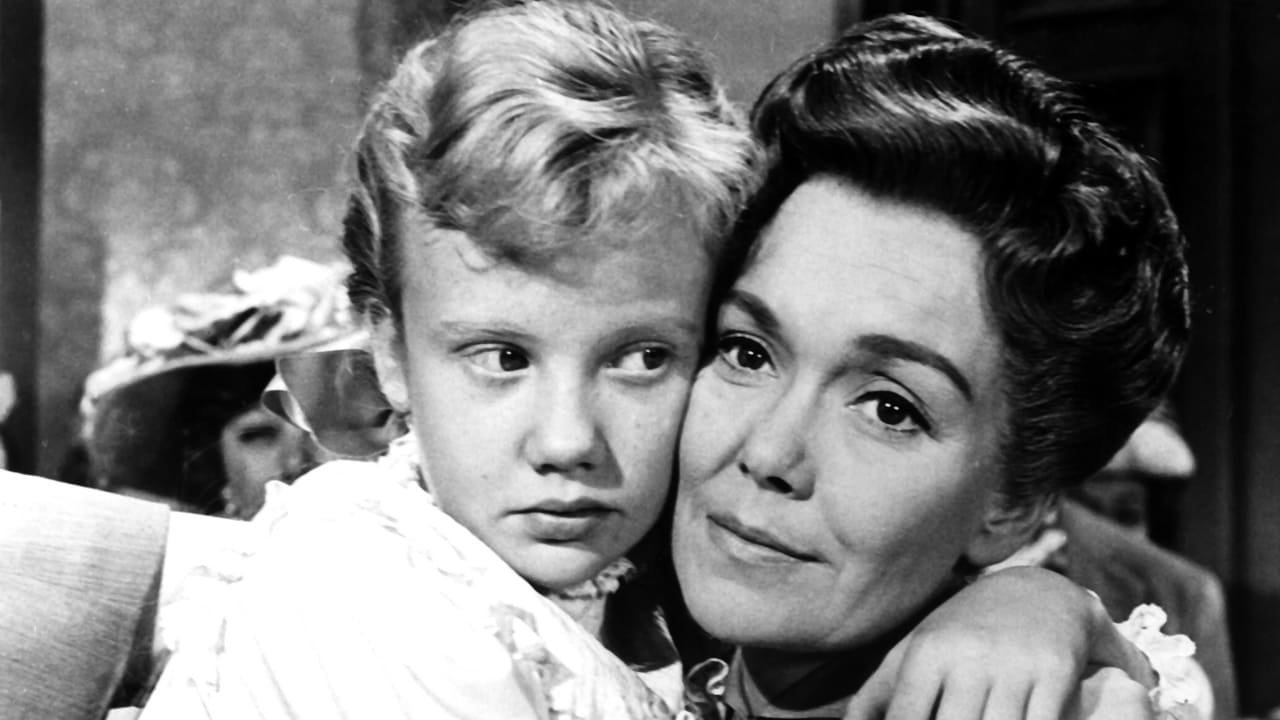
If you're going to put this on, you have to manage expectations. In 2026, a 134-minute runtime for a G-rated live-action movie is unheard of. The film spends a lot of time on the internal politics of the town—Aunt Polly's control over the orphanage, the local minister's fire-and-brimstone sermons, and the reclusive Mr. Pendergast.
For a kid, these scenes can feel like 'adult stuff' that gets in the way of the fun. However, if you watch it with them, it’s a great chance to explain the subtext of how adults sometimes get stuck in their ways.
Why it Still Works
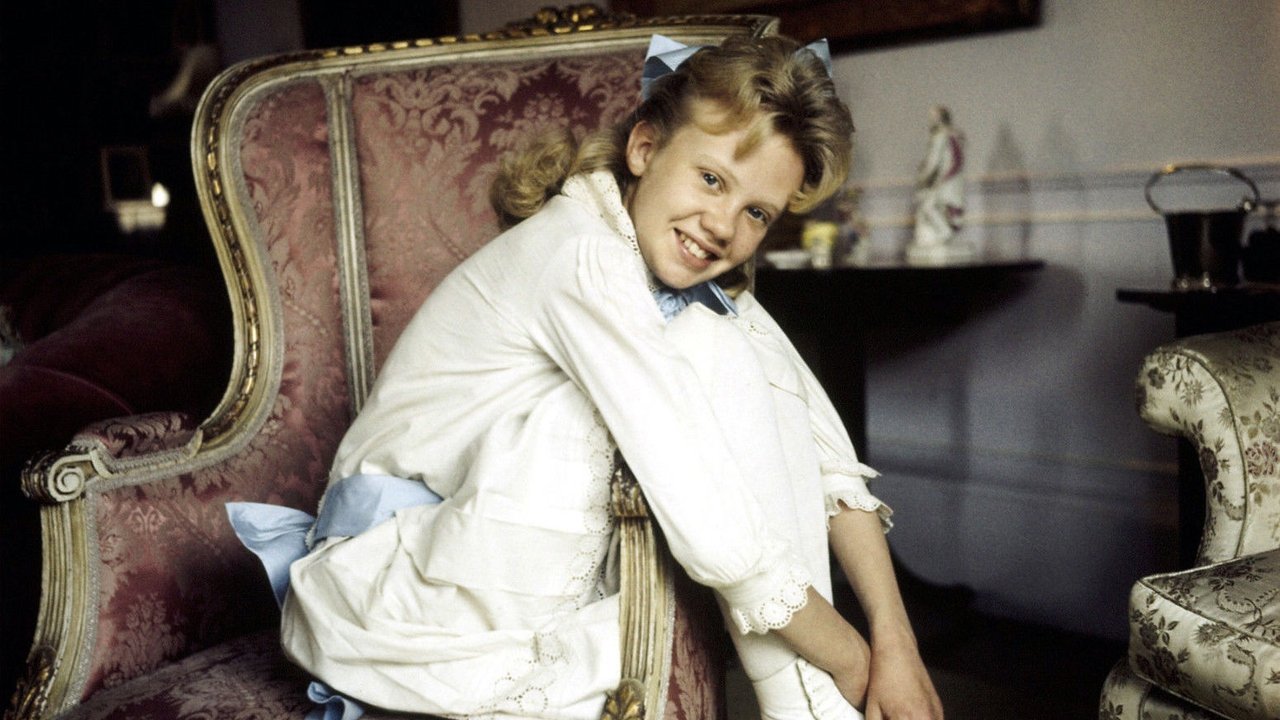
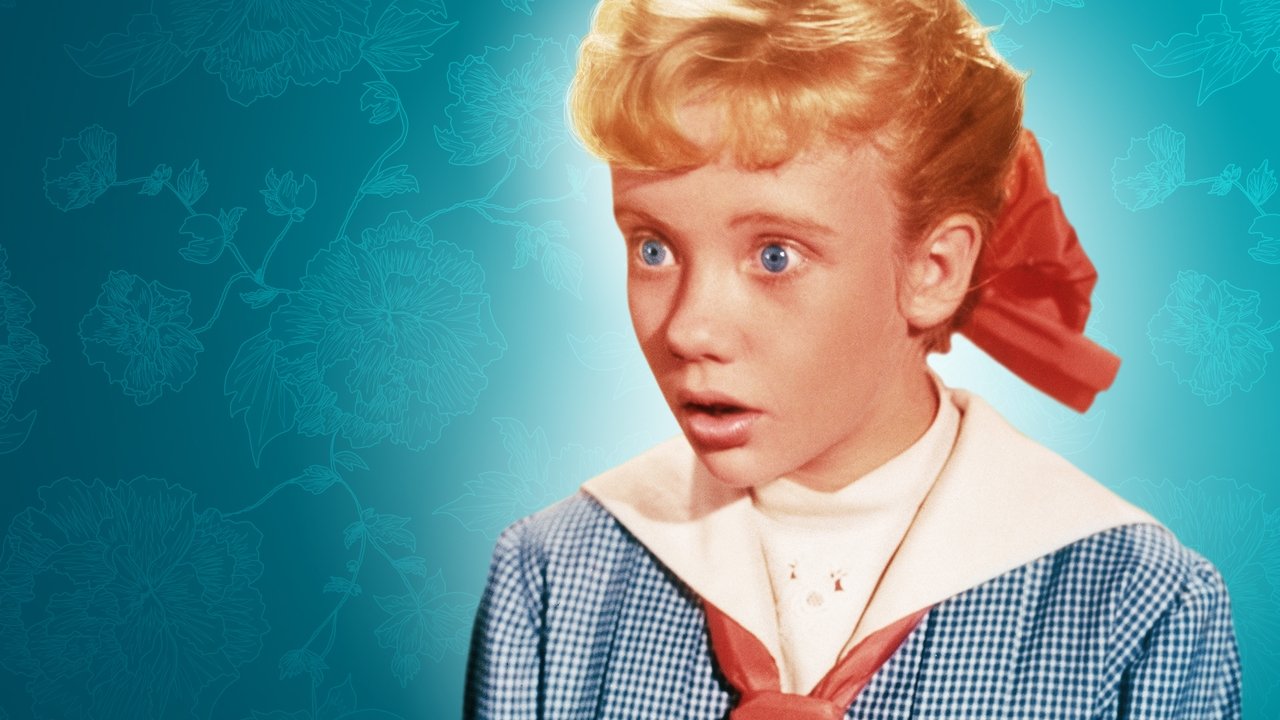
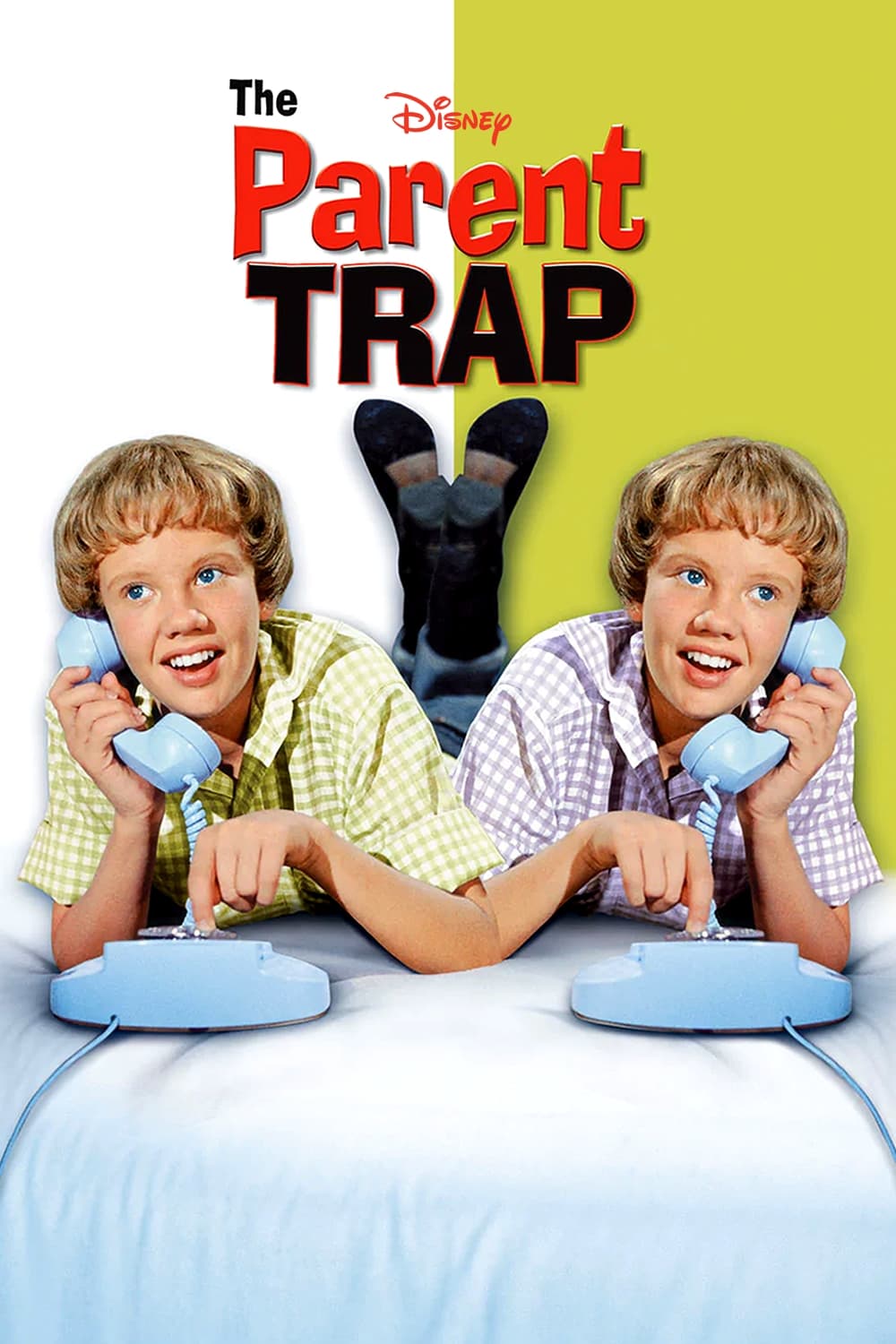
Hayley Mills won a special 'Juvenile Oscar' for this, and you can see why. She makes the 'Glad Game' feel like a genuine survival mechanism for an orphan rather than a smug lecture. In a digital world where snark and 'edgy' humor are the default for kids' protagonists, Pollyanna’s sincerity is actually quite radical. It’s a safe, enriching watch that might just stick with them longer than the latest CGI spectacle.