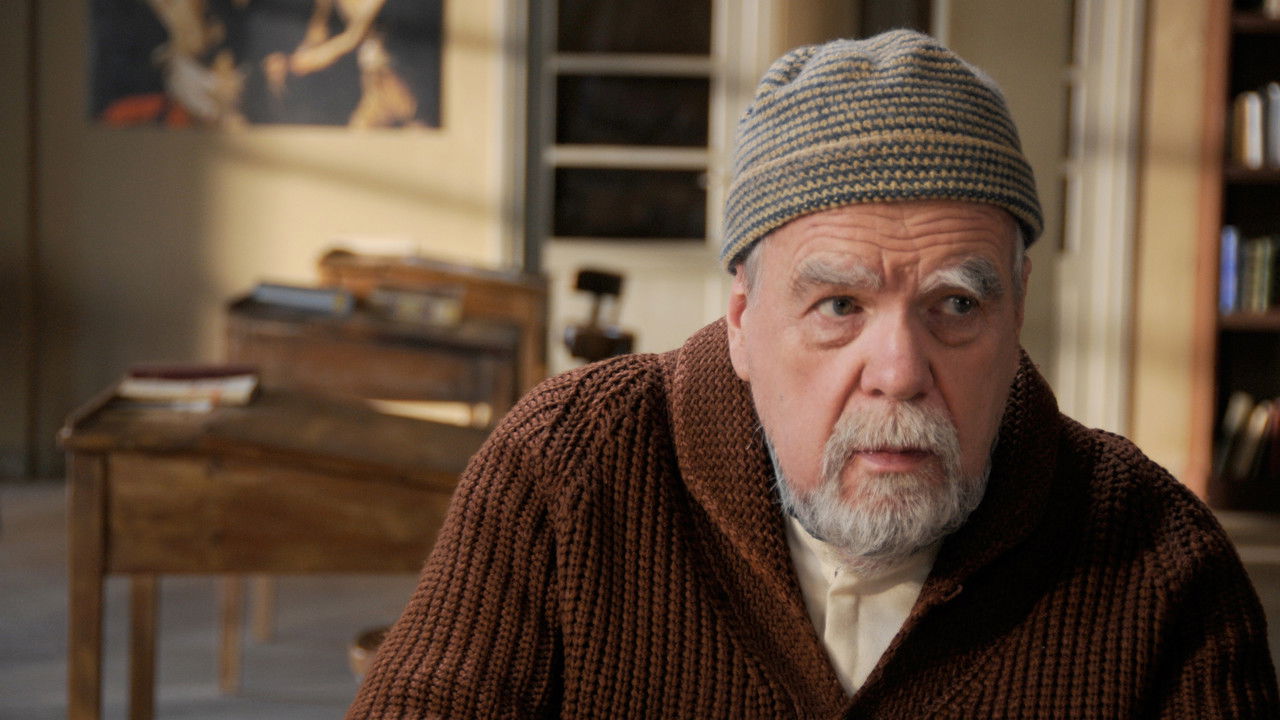
A Masterclass in Quiet Moral Courage
Director Xavier Beauvois takes a true, tragic event from the Algerian Civil War in 1996—the kidnapping of seven Trappist monks from the Tibhirine monastery—and turns it into one of the most intense studies of group decision-making ever put on film.
The genius of Of Gods and Men lies in its refusal to rush. We watch the monks go about their daily routines: tending gardens, offering medical care to local villagers, singing daily offices, and bargaining in the local market. Because the film takes time to show how deeply integrated these French men are into the fabric of their Algerian Muslim town, the decision they face when violent insurgents begin killing foreigners in the region becomes genuinely agonizing.
"We are like birds on a branch. We don't know when we'll leave."
"No, the monks are the branch. We are the birds."
That brief exchange between a villager and one of the monks cuts to the core of the film. Leaving means personal safety, but it also means stripping the village of its medical doctor and its spiritual anchor. Staying means accepting probable martyrdom.
How to Watch It With a Teen
If you have a high schooler studying ethics, world history, or religion, this is a top-tier pick. But you need to set expectations before pressing play:
- Frame the pace: Warn them that the first 30 minutes move at the speed of monastic life. The tension builds organically as news of nearby violence filters in.
- Talk about the context: Briefly explain that Algeria in the mid-1990s was caught in a brutal conflict between the military government and violent Islamist insurgent groups.
- Look out for the dinner scene: Towards the end, the monks share wine and listen to Swan Lake. It is one of the most emotionally charged moments in modern cinema, completely devoid of dialogue.