The 'Difficult' Masterpiece
Lee Chang-dong doesn't do 'easy.' Oasis is a cornerstone of the South Korean New Wave, and it earns that spot by being relentlessly honest. It follows Jong-du, a man with a diminished mental capacity who is essentially a social pariah, and Gong-ju, a woman with severe cerebral palsy who has been abandoned by her family in a cramped apartment.
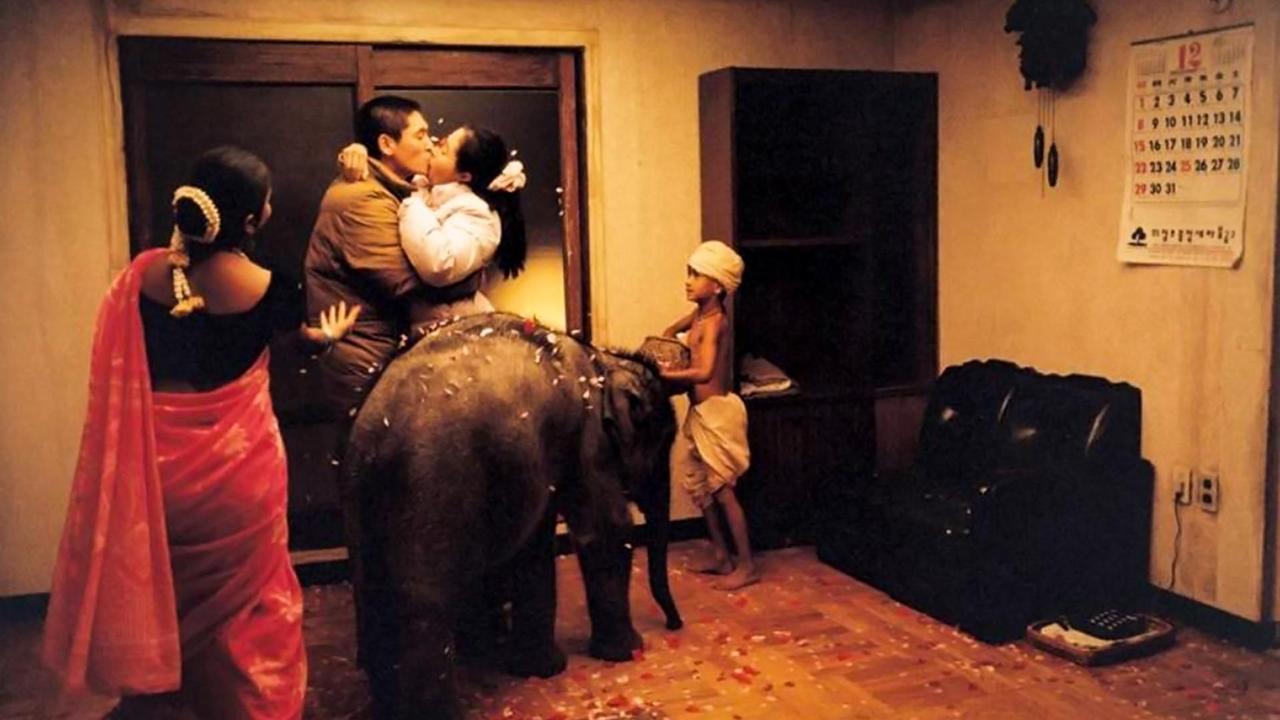
What makes the film stand out—and what makes it so divisive—is the way it handles the 'Oasis' of the title. Through the use of magical realism, we see the world as the characters wish it were: the shadows on a tapestry become a real elephant, and Gong-ju is suddenly able to stand and sing. These moments aren't just flourishes; they are essential for showing the humanity that the rest of the world denies them.
"The film’s power lies in its refusal to pity its characters, instead demanding that we respect their agency, even when it looks messy or incomprehensible to outsiders."
For parents, the main hurdle is the opening act. The protagonist's behavior is often erratic and, in one specific scene, criminal. The film doesn't excuse him, but it does ask if someone like him is capable of redemption and genuine love. It’s a movie that creates more questions than answers, making it perfect for a deep-dive discussion with a mature teenager who is interested in world cinema or social justice, but it is absolutely not for younger viewers.