The Tonal Whiplash Is the Feature
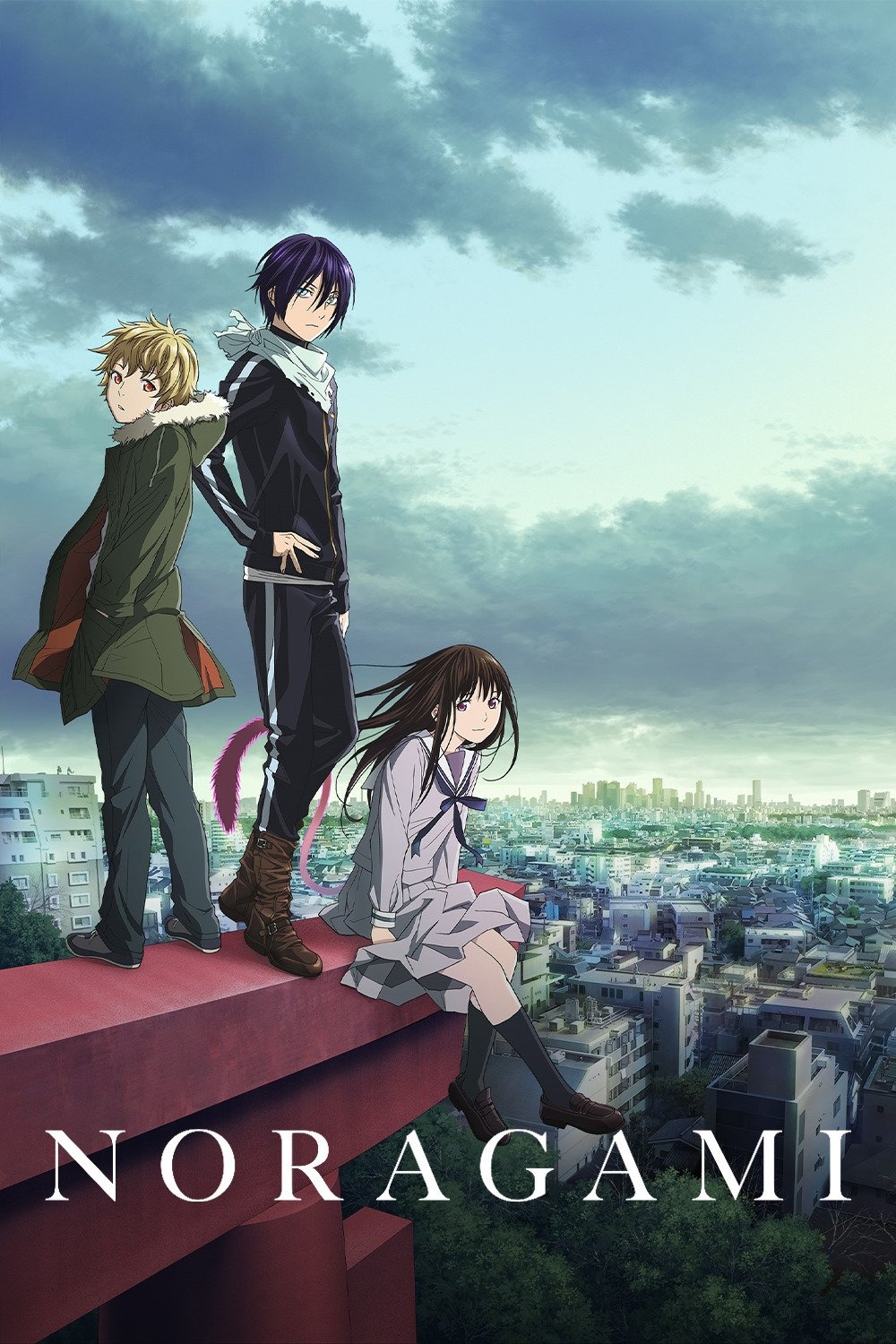
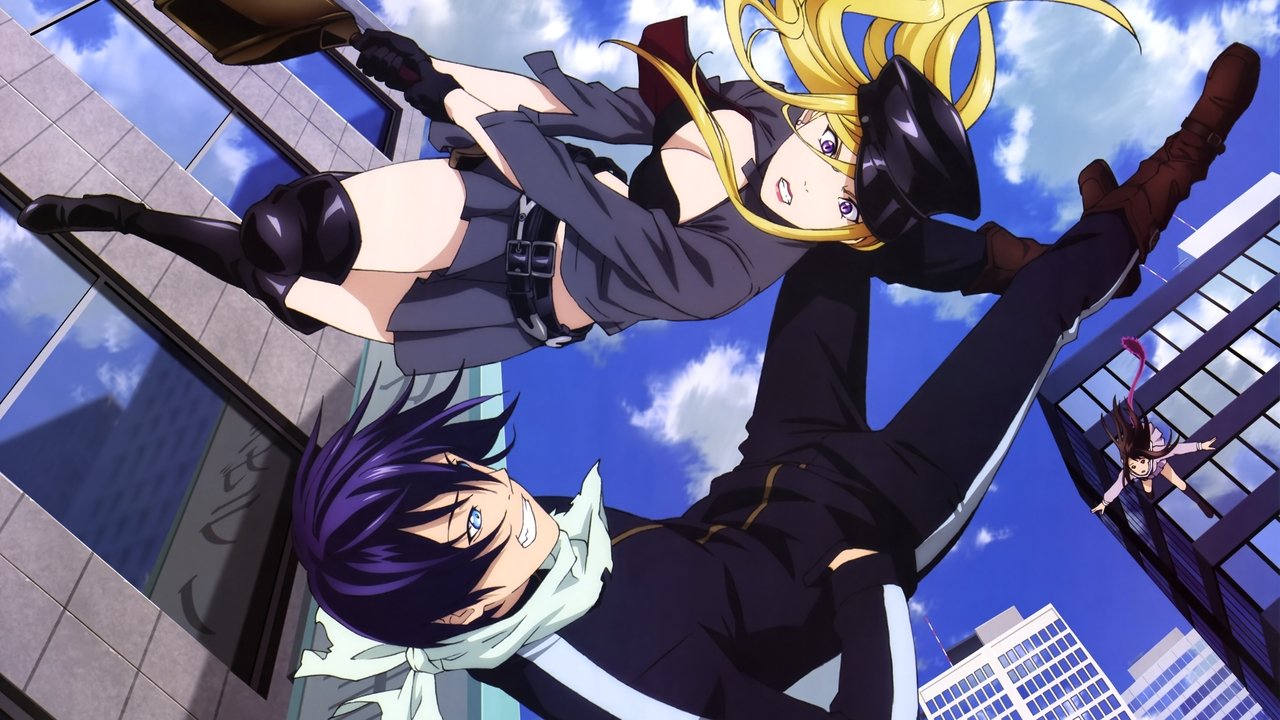
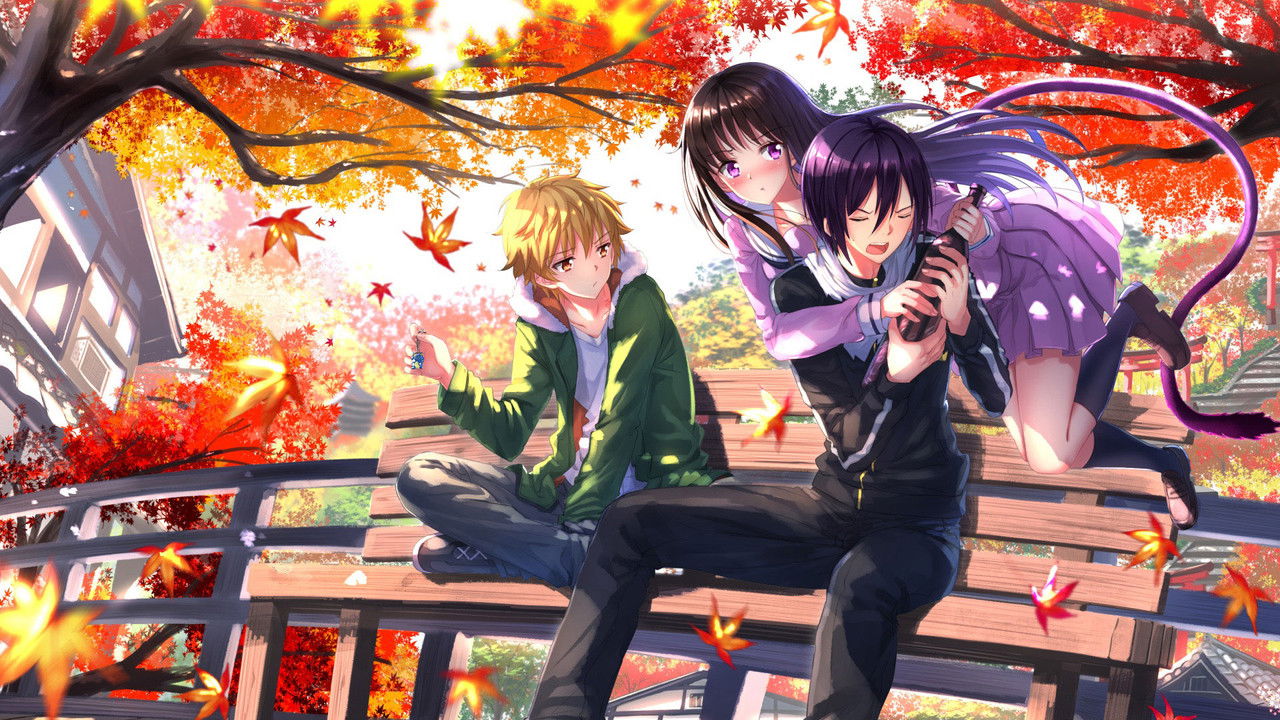
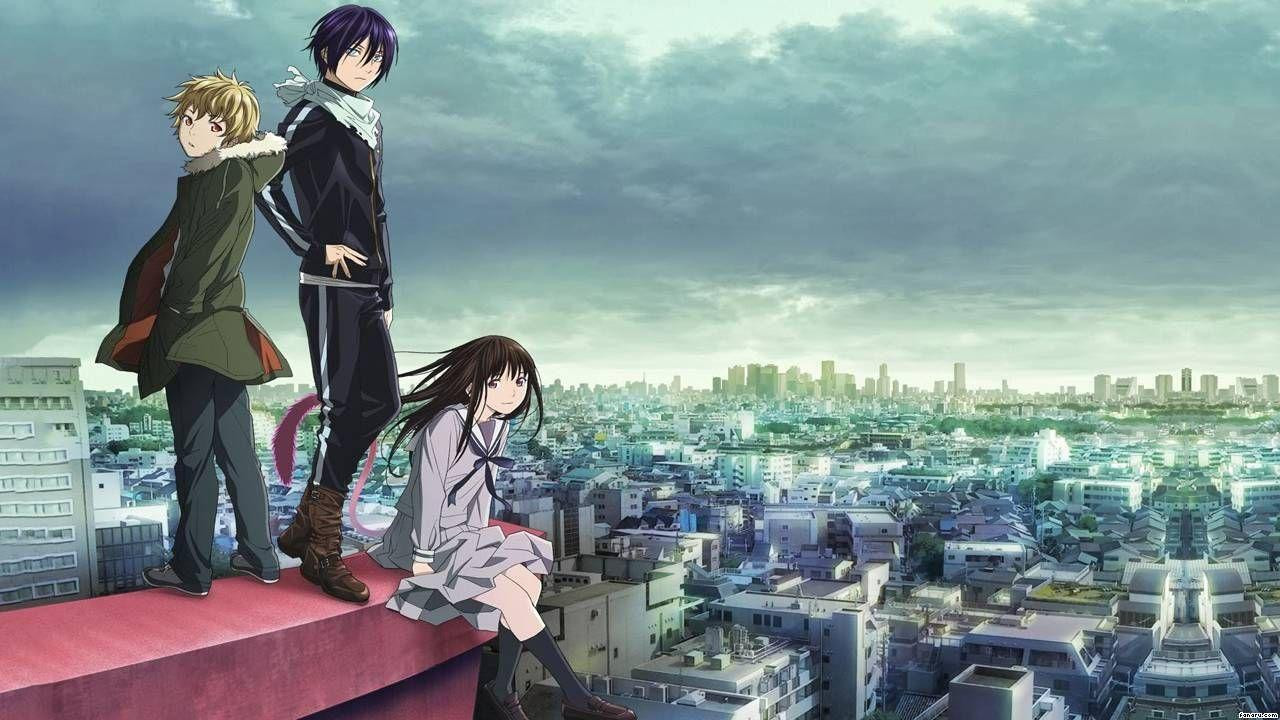
On paper, Noragami looks like two different shows duct-taped together. Half the time, Yato is drawing his cell phone number on bathroom walls, buying dumb good-luck charms, and getting Dropkicked by Hiyori. The other half of the time, it's a dark exploration of lingering trauma after death.
The glue that holds it together is the "Blight" mechanic. Because Yukine is Yato's sacred treasure (his weapon), their souls are linked. Every time Yukine feels bitter that he's dead while other teenagers get to grow up, go to school, and have friends, he lashes out—shoplifting, breaking windows, lying. Every single sin physically stabs Yato and covers his skin in creeping black corruption.
Instead of Yato lecturing Yukine, Yato quietly absorbs the damage until he's nearly dying, because he understands how terrifying it is for a fourteen-year-old to realize his life is over. It turns standard teenage angst into a ticking clock, culminating in Episode 9's Ablution scene—one of the most memorable, high-emotion interventions in 2010s anime.
How It Compares to Other Teen Anime
If your kid is asking about Noragami or looking for what to watch next, it occupies a very useful middle ground in the anime ecosystem:
- Compared to Soul Eater: Both are animated by Studio Bones and feature characters who transform into weapons. Noragami is more grounded in modern Tokyo and trades Soul Eater's Halloween aesthetics for Shinto mythology and tighter emotional stakes.
- Compared to Bleach or Jujutsu Kaisen: Same core loop—fighting invisible monsters in the modern world to protect humans—but Noragami is significantly shorter (25 episodes total across two seasons) and relies much less on gruesome body horror than Jujutsu Kaisen.
- Compared to Toilet-Bound Hanako-kun: Very similar mix of cute/funny character designs paired with dark backstories about ghosts, regrets, and suicide.
The Unfinished Story Caveat
One practical thing to know before starting: the anime stops after Season 2 (Aragoto), which aired in 2015. The two seasons tell complete, satisfying story arcs—Season 1 focuses on Yukine, and Season 2 dives into Yato's bloody past with rival war god Bishamon—so it doesn't end on an annoying mid-battle cliffhanger. However, the original manga by Adachitoka kept running until early 2024, wrapping up at 27 volumes. If your kid falls hard for these characters, they will almost certainly want to move to the books to see how the story actually ends.