Our reviews and ratings are 100% unbiased. Screenwise is a Bookshop.org affiliate and an Amazon Associate, so if you buy a book through one of our links, we may earn a commission. Bookshop.org purchases also support independent bookstores.
Screenwise Verdict
Look, we've all been there: staring at a page of Shakespeare and feeling like your brain is melting. These graphic novels are the cure. They don't talk down to kids, but they do strip away the frustration of the language barrier.
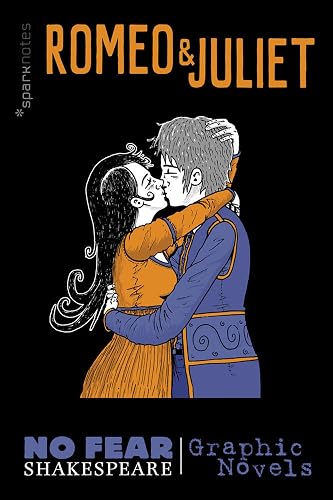
The art is edgy enough to keep a 15-year-old from rolling their eyes, and the storytelling is tight. It’s not 'brain rot'—it’s a legitimate educational tool that happens to be fun to look at. If your kid is struggling with a play for school, or if you just want them to have some cultural literacy without the tears, this is a top-tier choice.
Age Fit
Best for ages 12 and up. While schools start Shakespeare in 9th grade (around 14), a motivated middle schooler can handle this, provided they're okay with the mature 'tragic' stuff.
WISE Breakdown
Wholesome
75
While the plays involve murder, betrayal, and double suicides, the format is designed for healthy academic engagement and helps teens process complex human emotions through a literary lens.
Imaginative
85
The 'offbeat' art style does a great job of translating 400-year-old metaphors into visual storytelling that actually makes sense to a modern brain.
Safe
72
It's Shakespeare, so expect the hits: stabbings, poisonings, and decapitations. The graphic novel format makes the violence more literal than the text, so it's not for the squeamish or very young.
Enriching
96
This is the ultimate bridge for kids who find the original text impenetrable. It builds massive confidence in tackling 'hard' books and provides genuine insight into classic literature.
Parent Info
✓
Why It Might Be Great
It makes Shakespeare actually readable by putting modern English side-by-side with the original or using it in the speech bubbles.
The 'offbeat' art style feels more like an indie comic than a dry textbook, which helps get buy-in from skeptical teens.
It's a massive confidence booster for English class; kids can actually follow the plot instead of just nodding along while confused.
Visual cues help clarify who is who, which is a lifesaver in plays like Hamlet where everyone seems to have a similar name and a grudge.
⚠
What to Watch For
The violence is drawn out. In Macbeth, when people get killed, you see it—it's not just a stage direction anymore.
Romeo and Juliet still ends in a double suicide, and the graphic novel format doesn't shy away from the tragedy.
Some of the 'offbeat' illustrations might feel a bit weird or creepy to younger kids who aren't used to that aesthetic.
Conversation Starters
"If Romeo and Juliet had iPhones, how would this whole 'miscommunication' thing have played out?"
"Why do you think these characters make such terrible decisions even when they know better?"
"Which character did you actually feel bad for, and which ones were just the worst?"
"Does seeing the story as a comic make it feel more or less 'important' than reading just the text?"