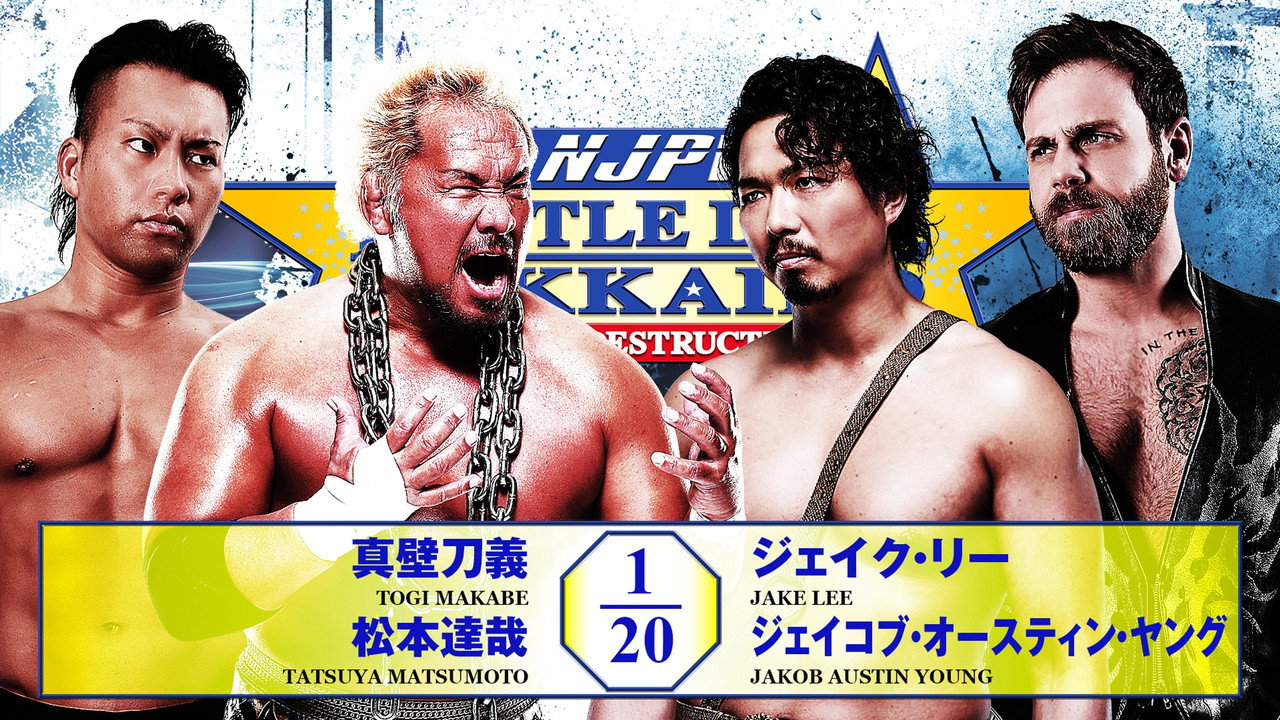
The Sapporo Finale
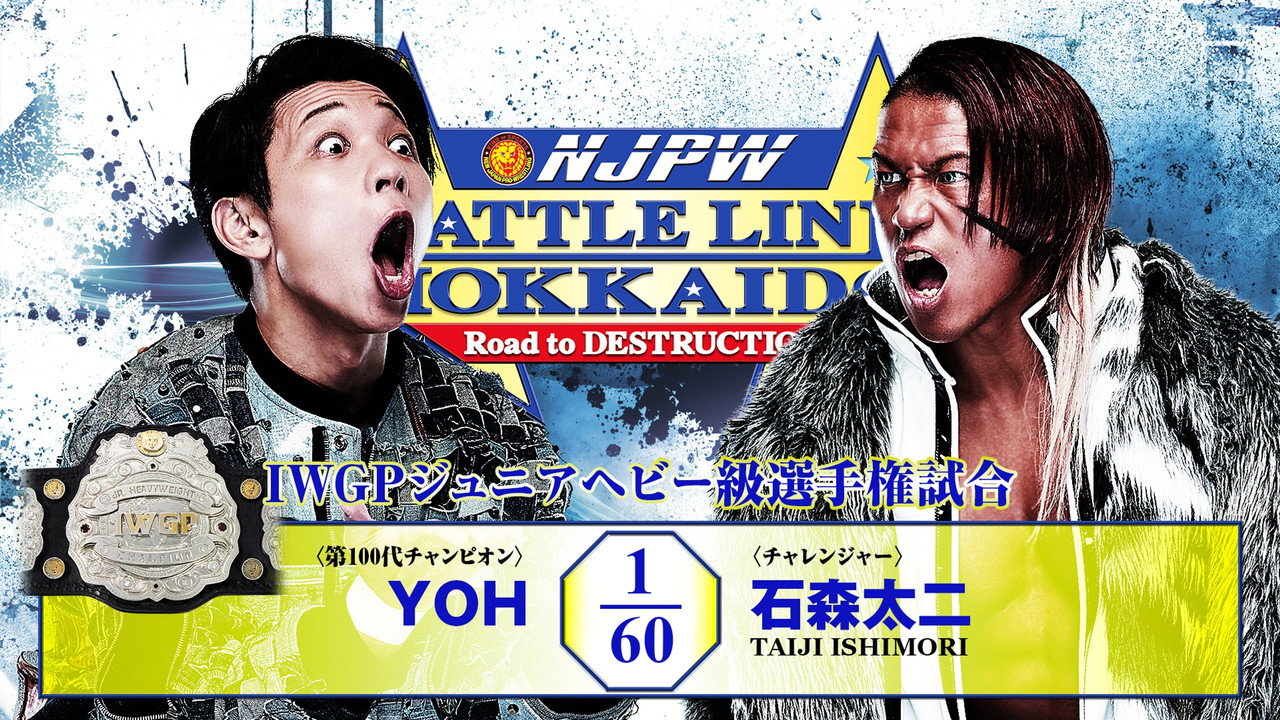
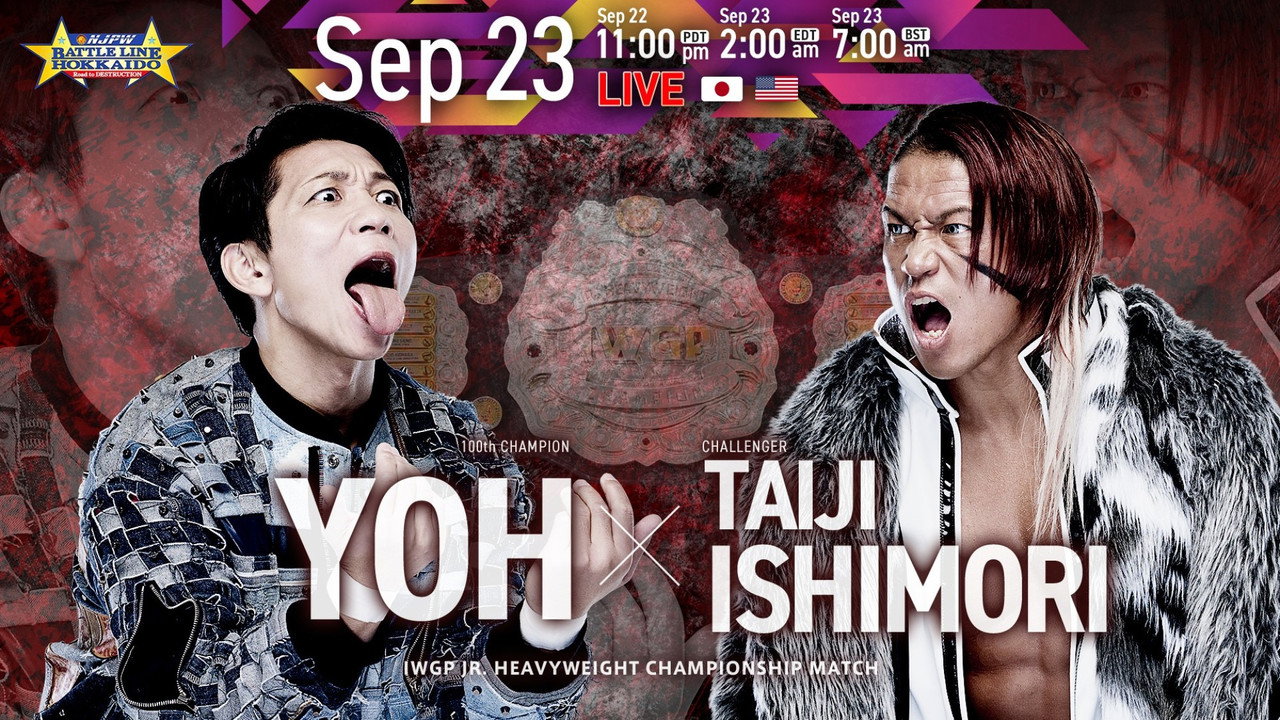
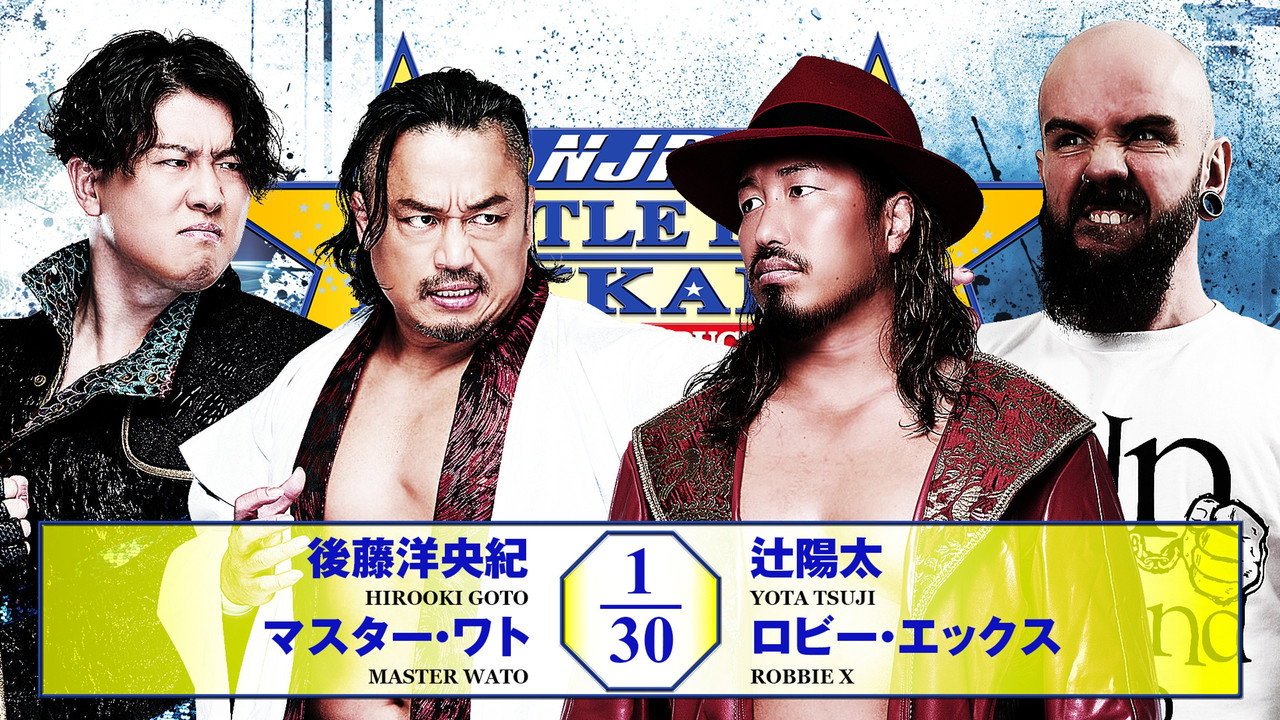
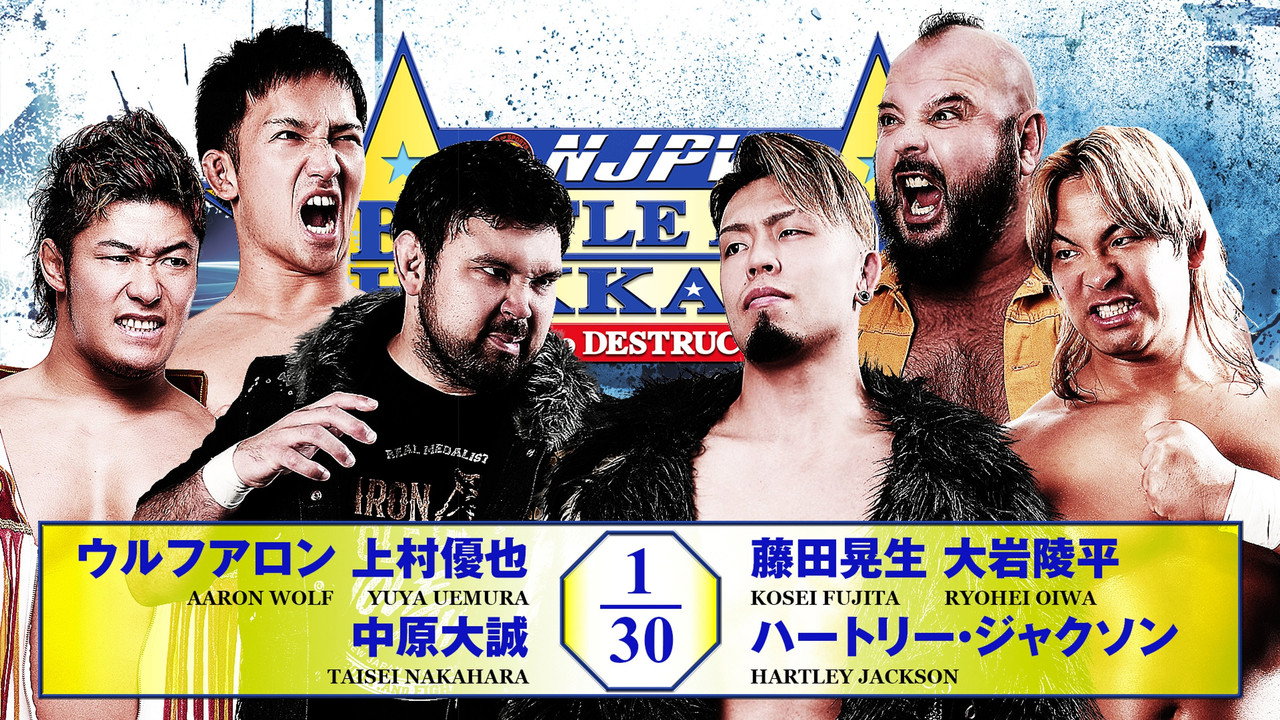
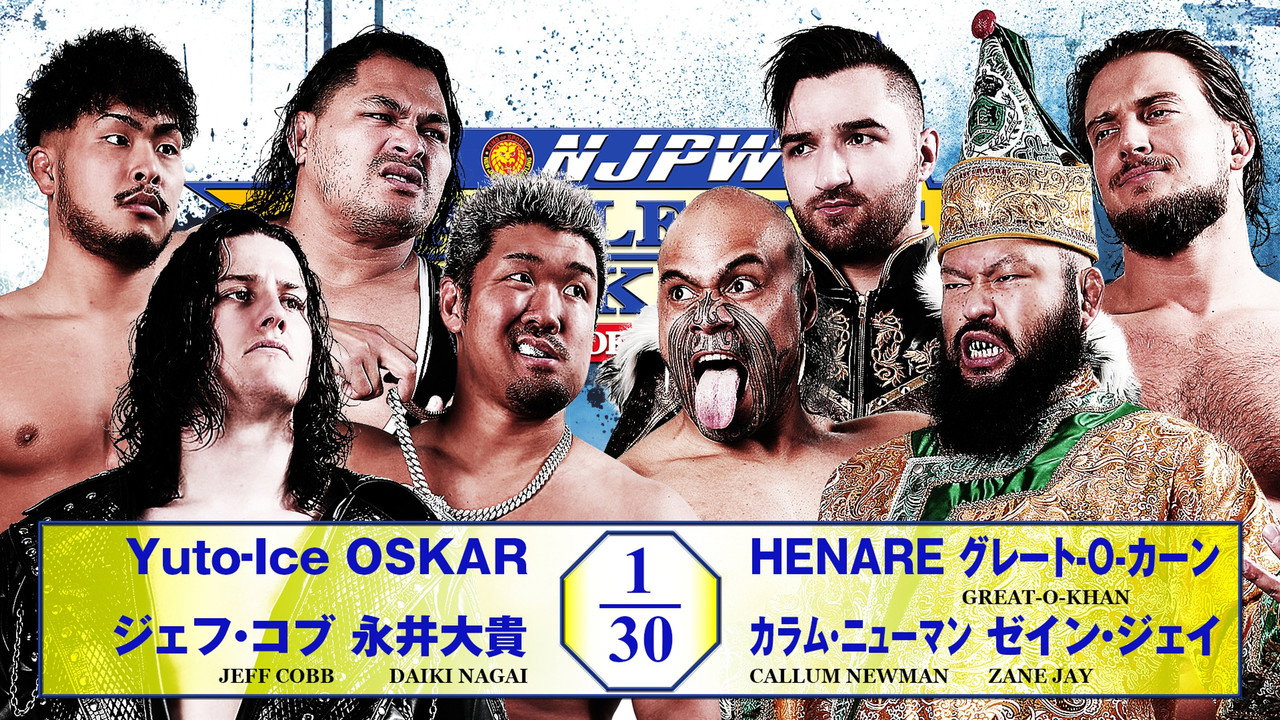
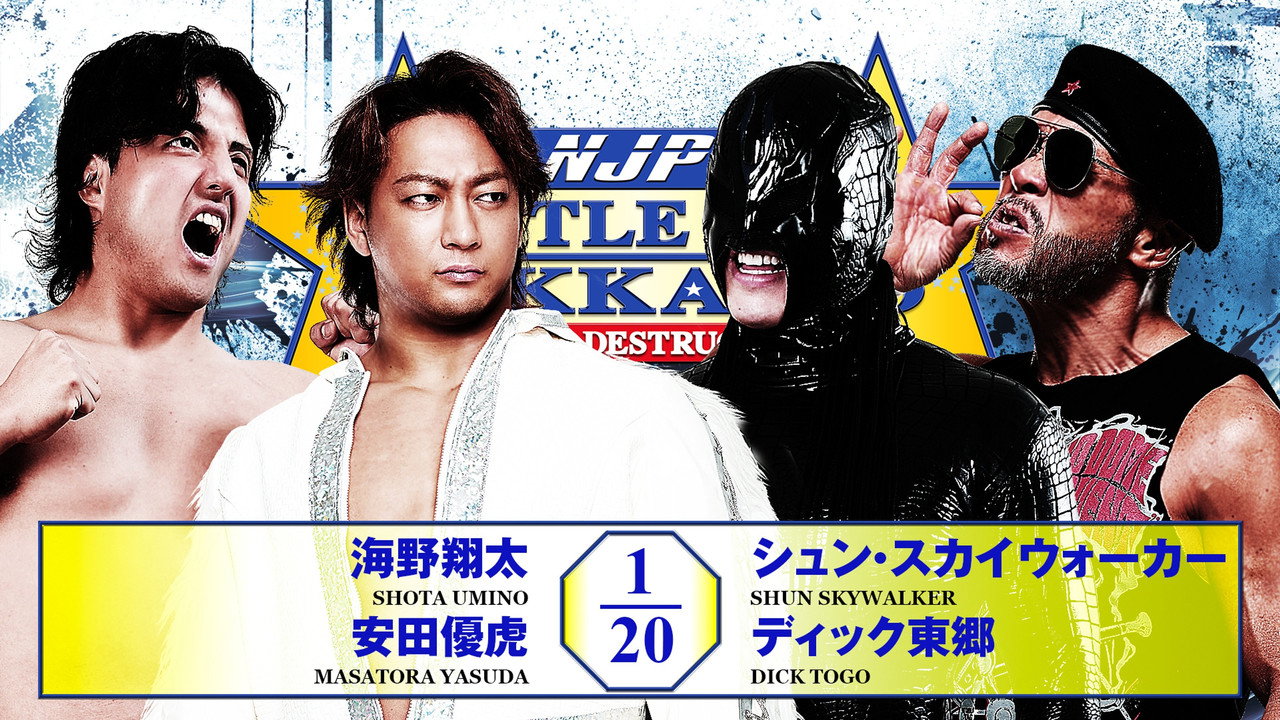
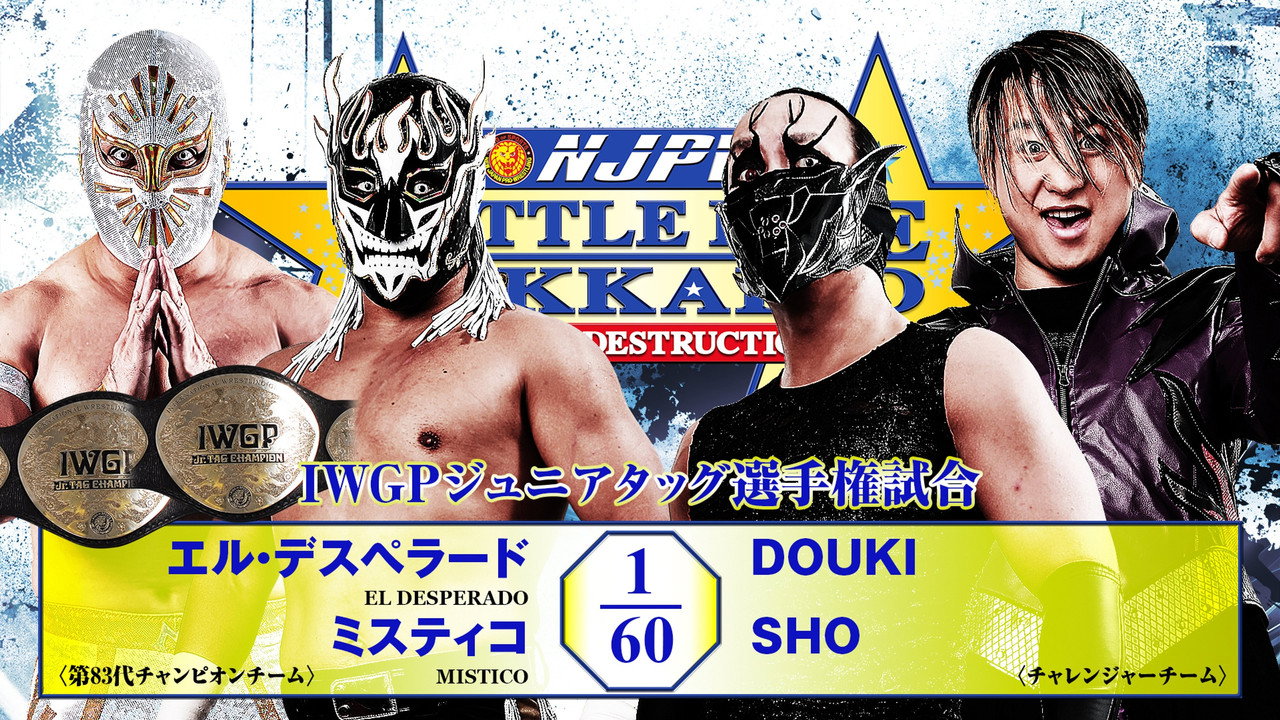
New Japan Pro-Wrestling (NJPW) operates differently than the sports entertainment giants in the West. Their 'Road to' tours are essentially a series of house shows and tag-team previews designed to build heat for the big events. Day 11 in Sapporo is the destination. By the time the wrestlers hit Kitagas Arena, the storylines are boiling over.
For a parent, the biggest thing to understand is Strong Style. This isn't just a marketing buzzword; it's a philosophy that emphasizes the 'martial' in martial arts. The strikes are harder, the drops are more vertical, and the storytelling is centered on who can take the most punishment and keep standing. It’s less about who has the funniest catchphrase and more about who has the most heart in the ring.
Why NJPW over WWE?
If you have a kid who is genuinely interested in the craft of wrestling—the physics of the moves and the drama of the 'sport'—NJPW is a masterclass. There are fewer distractions: no 20-minute talking segments, no backstage skits involving weddings or hidden cameras. It’s just the ring, the bell, and the match.
However, the language barrier is a real factor. While NJPW World (their streaming service) often provides English commentary for major shows, the 'Road to' events sometimes rely on the Japanese broadcast. For a dedicated fan, this isn't a problem—the story is told in the ring—but for a casual kid viewer, you might find yourself explaining the context of why these two guys are so mad at each other.
Safety and Perception
The violence here is 'safe' in the sense that these are world-class professionals who know how to protect each other, but it's 'unsafe' for the living room floor. Unlike the more acrobatic 'Lucha Libre' style, Strong Style looks like it hurts because, quite often, the strikes are actually landing. It’s a good time to remind kids that these athletes train for years to take these 'bumps' and that trying a Tiger Driver on a younger sibling is a one-way ticket to the ER.