Real wildlife footage, meteorite hunting, and baby farm animals without the typical YouTube creator shouting in your face.
Nat Geo Kids YouTube Channel
YouTube
2014, "National, Geographic"
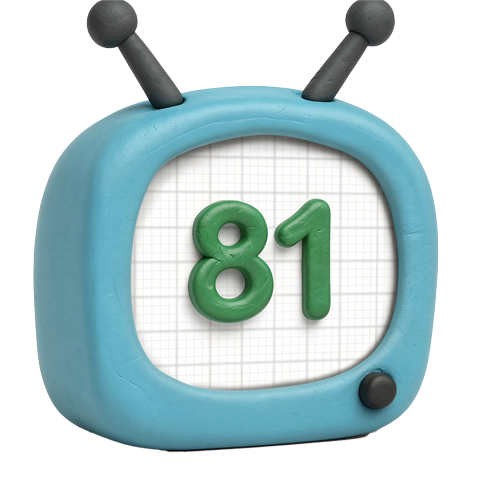
81%
WISE Score
1.8M
Subscribers
Real wildlife footage, meteorite hunting, and baby farm animals without the typical YouTube creator shouting in your face.
Jump to
Also rated on
1.8M
Screenwise Verdict
If your kid is going to watch YouTube, Nat Geo Kids is one of the easiest yeses on the platform. With over 1,200 videos, it skips the loud, self-filmed influencer tropes and delivers TV-grade science and nature programming. Kids get zoologist Jack Randall rescuing starving wild camels in Australia, Charlie and Kirby explaining space rocks on Weird But True, and close-up looks at baby reindeer.
The catch is the container it lives in. The channel mixes those great full-length episodes with rapid-fire YouTube Shorts, 24-hour live streams, and noisy internet-clip compilations like Howie Mandel's Animals Doing Things. Plus, YouTube's recommendation sidebar is always waiting to pull them somewhere else. If you already subscribe to Disney+, most of these full shows live there without the ads or the algorithm. If you are using YouTube, teach your kid to browse the channel's Playlists tab rather than the main feed so they actually watch a show instead of grazing on 45-second clips.
Age Fit
Best for ages 5 to 11. Younger kids gravitate toward the short animal clips and baby farm animals, while 7-to-11-year-olds get the most out of full-length science shows like Weird But True.
WISE Breakdown
Wholesome
82
Produced by National Geographic specifically for kids, featuring upbeat hosts, cute baby animals, and vet care (Dr. Pol Barnyard Babies). Some comedic clips (Howie Mandel's Animals Doing Things) and editing are loud and fast-paced, and it sits on YouTube where surrounding recommendations are less predictable.
Imaginative
76
Sparks real-world curiosity about zoological mysteries, meteorology, and space rocks through shows like Weird But True, though the format relies heavily on standard TV clip-show structures rather than open-ended creative prompts.
Safe
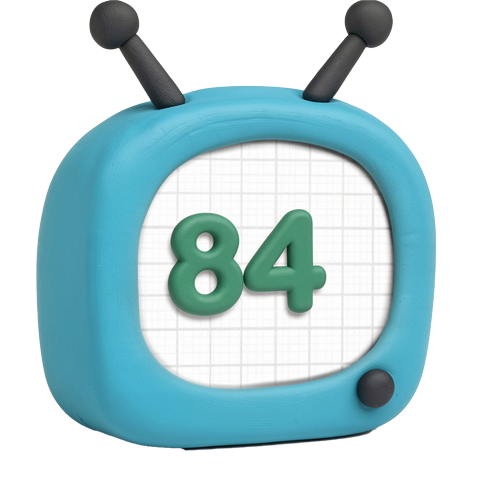
80
As an official Disney/National Geographic kids' brand, videos are designated 'Made for Kids' on YouTube (disabling comments and personalized ads). The only friction points are standard nature-documentary peril (snakes, predator/prey) and YouTube's autoplay nudging kids off-channel.
Enriching
86
Delivers real zoology, geography, and physical science—from meteorite hunting in Arizona to camel rescues in the Australian outback—packaged in digestible segments for elementary-aged kids.
Parent Info
✓
Why It Might Be Great
Full episodes of real shows: Recent uploads include complete episodes of Weird But True and Out There with Jack Randall, giving kids actual 20-minute narrative arcs instead of endless 60-second dopamine hits.
Legitimate field science: Zoologist Jack Randall tracks six species of pythons in the Australian outback, and hosts Charlie and Kirby hunt for real meteorites in Arizona—kids pick up real vocabulary and animal behavior.
Clean, vetted production: Backed by National Geographic and Disney, the channel is marked "Made for Kids" on YouTube, which automatically kills the comment section and blocks behavioral ad tracking.
Broad animal appeal: Mixes high-energy wildlife action (Super Animals) with gentler segments like Dr. Pol Barnyard Babies featuring kittens and baby reindeer.
⚠
What to Watch For
It is still on YouTube: Even if the channel itself is clean, leaving autoplay on means the algorithm will eventually steer the screen toward loud, unvetted gamer or prank channels once the episode ends.
Format whiplash: The feed mixes solid 22-minute science shows with 24/7 livestreams, YouTube Shorts, and loud, America's-Funniest-Home-Videos-style clip shows like Howie Mandel's Animals Doing Things.
Mild nature and vet peril: Shows about pythons, wildlife defense mechanisms, and farm veterinarians naturally include snakes lunging at the camera, predators chasing prey, and sick or starving animals getting rescued.
Conversation Starters
"If you got to go out into the Australian outback with Jack Randall, which animal would you want to track first—and which one would you stay far away from?"
"What is the weirdest animal defense mechanism you have seen on Super Animals?"
"Why do you think we like watching short, goofy animal clips differently than watching a full episode of Weird But True?"
Deep Dive
TV shows vs. filler clips
Nat Geo Kids functions less like a traditional YouTube creator channel and more like a cable syndication hub. Because National Geographic sits under the Disney umbrella, the channel acts as a free promotional funnel for their magazine and Disney+ library. That corporate backing is mostly a win for families: the facts are checked, the hosts are professionals rather than clout-chasers, and the videos are flagged as "Made for Kids," which shuts off the YouTube comment section.
The quality varies wildly depending on what your kid clicks. The channel splits into three distinct buckets:
The real science shows: Full episodes of Weird But True, Out There with Jack Randall, and Super Animals. These have actual scripts, field footage, and educational meat. Weird But True is a standout for elementary kids who like hands-on experiments and trivia.
The gentle animal clips: Segments like Dr. Pol Barnyard Babies and 50 Birds, 50 States. Short, calm, and great for a 6-year-old who wants to look at kittens for three minutes.
The loud filler: Shows like Howie Mandel's Animals Doing Things and vertical Shorts repackaged with meme titles ("She's a Runner She's a Track Star"). It's harmless—cats hating cameras and dogs in outfits—but it's pure filler designed to compete with TikTok pacing.
How to use it well
If you want the science without the YouTube sidebar chaos, check if you already have Disney+—full seasons of Weird But True and Out There with Jack Randall stream there ad-free.
If YouTube is the platform you use, sit down with your kid and look at the difference between the Home tab (which pushes 24/7 livestreams and Shorts) and the Playlists tab. Showing an 8-year-old how to pick a specific playlist—like full episodes of Weird But True—and turn off autoplay is a great practice run for building their own curation habits instead of letting the feed decide what happens next.