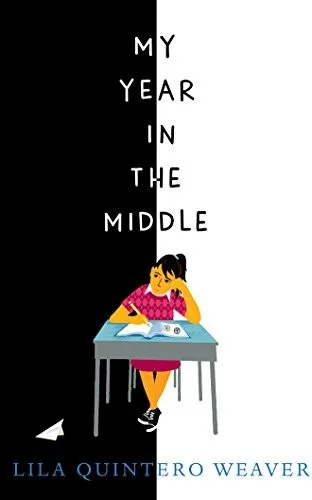
Our reviews and ratings are 100% unbiased. Screenwise is a Bookshop.org affiliate and an Amazon Associate, so if you buy a book through one of our links, we may earn a commission. Bookshop.org purchases also support independent bookstores.
Screenwise Verdict
This isn't just another 'important' book your teacher makes you read; it's actually a compelling story. Lila Quintero Weaver manages to make the high-stakes politics of 1970 Alabama feel personal and immediate.
It’s a great pick for parents who want to talk about race and history without it feeling like a lecture. It's grounded, honest, and the track-and-field subplots keep the pacing from dragging. If your kid is starting to ask questions about why the world is the way it is, hand them this.
Age Fit
Best for ages 8 to 13. It's a perfect fit for 5th and 6th graders who are starting to navigate their own social hierarchies and notice that the world isn't always fair.
WISE Breakdown
Wholesome
88
It models genuine friendship and the messy, uncomfortable process of developing a backbone. The story focuses on cooperation across racial lines during a period specifically designed to prevent it.
Imaginative
72
While it's grounded in realistic historical fiction rather than fantasy, it asks kids to mentally reconstruct a 1970s Alabama landscape and empathize with a cultural experience (Argentinian-American) they might not be familiar with.
Safe
90
It deals with heavy themes like segregation and racism, but it does so with the steady hand of a middle-grade author. There's no gratuitous violence or language that would shock a 10-year-old, though the social tension is palpable.
Enriching
96
This is a masterclass in 'show, don't tell' for history. It covers the 1970 Alabama gubernatorial election and the reality of 'integrated' schools that remained socially segregated, providing a massive amount of ethical and historical context.
Parent Info
✓
Why It Might Be Great
It tackles the 'quiet' side of activism—how a regular kid finds the nerve to speak up.
Centers a Latinx perspective in the Civil Rights era, which is a fresh angle for historical fiction.
Avoids being a dry history lesson by focusing on track meets and sixth-grade social dynamics.
Great for kids who feel like they don't fit into one specific 'group' at school.
⚠
What to Watch For
Period-accurate descriptions of segregation and racism that might be upsetting for sensitive readers.
The political tension in the book mirrors some modern-day polarization, which could lead to intense dinner table talks.
Conversation Starters
"Why did Lu's teacher seat the students the way she did, and how did that change how the kids saw each other?"
"Lu feels like she's 'in the middle.' Is it ever actually possible to stay in the middle when someone is being treated unfairly?"
"If you were the only person standing up for a friend, would you still do it if it meant the 'popular' kids would ignore you?"