A Landmark Show That Belongs in the History Books
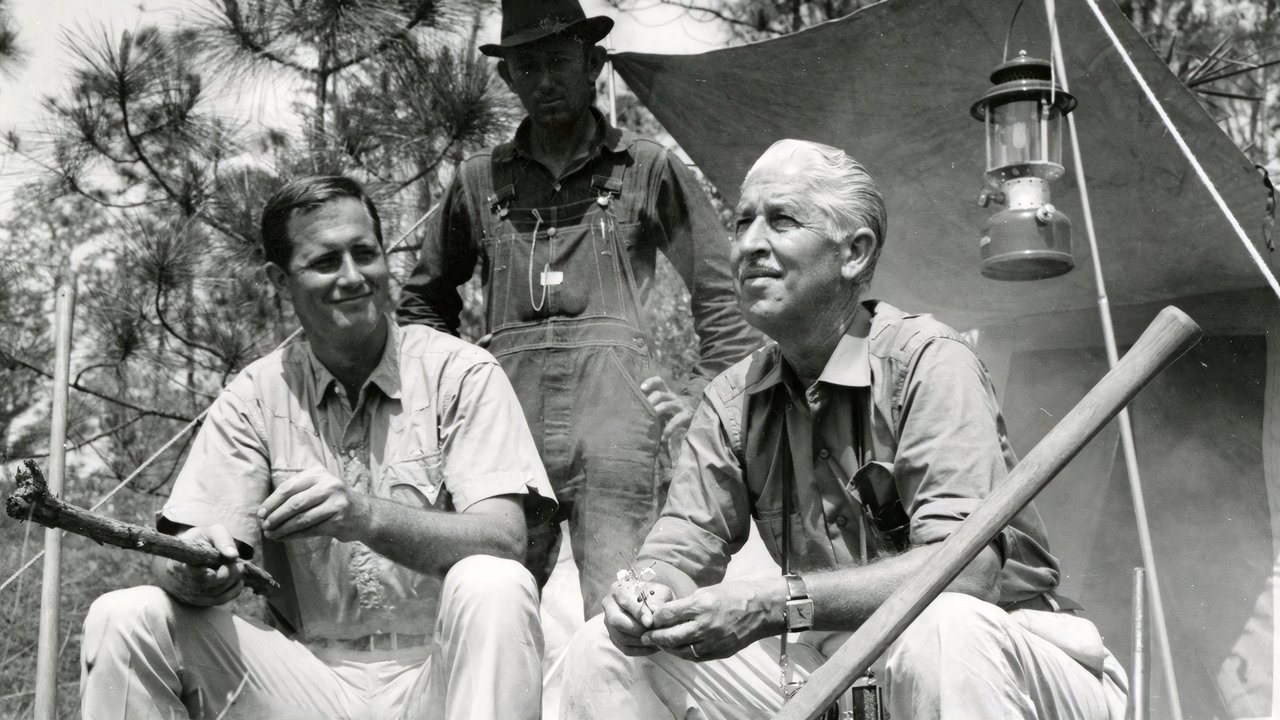
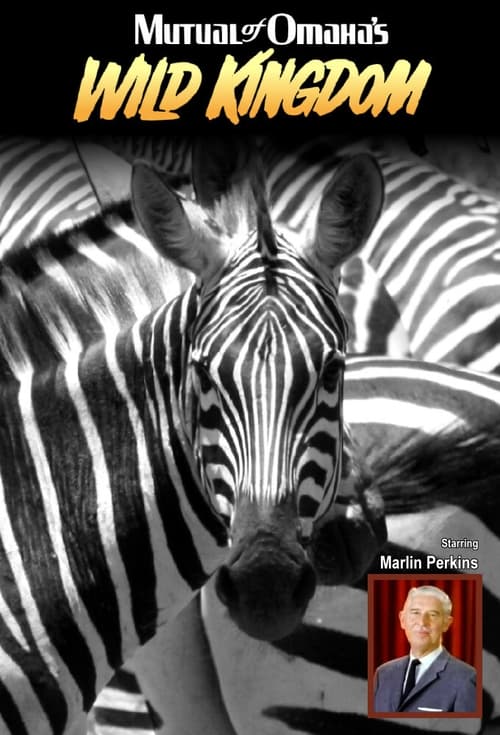
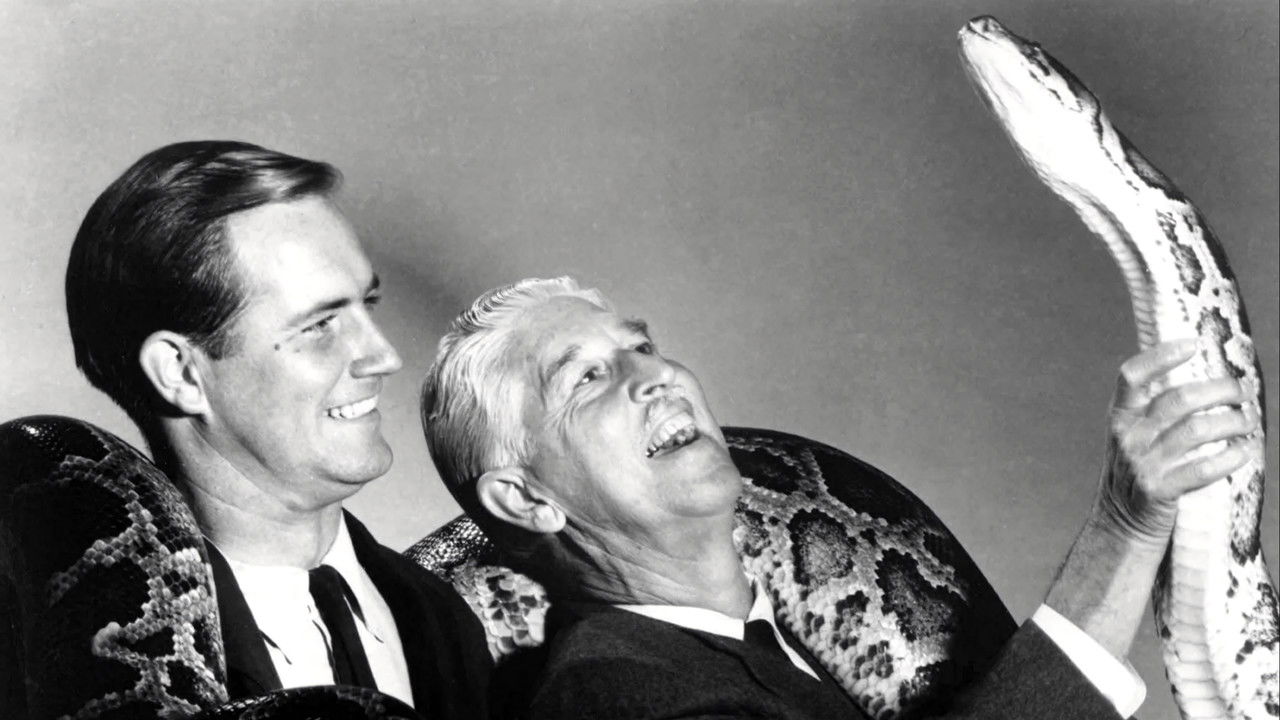
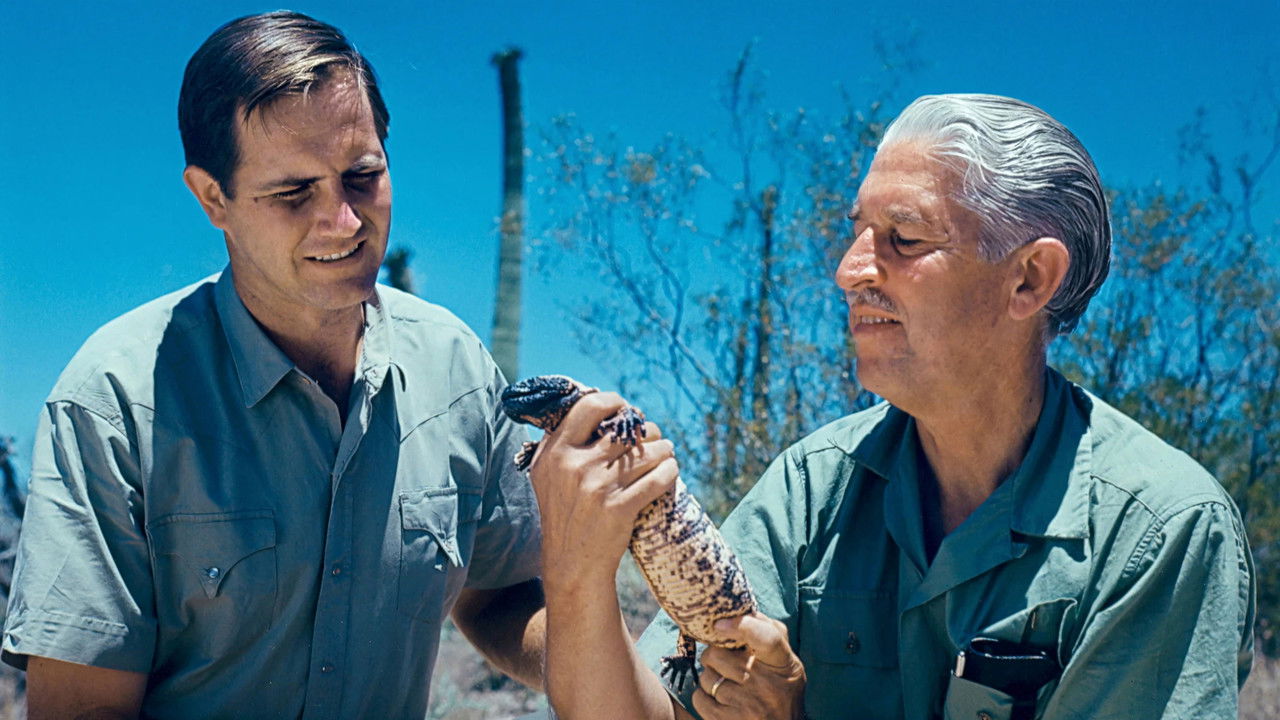
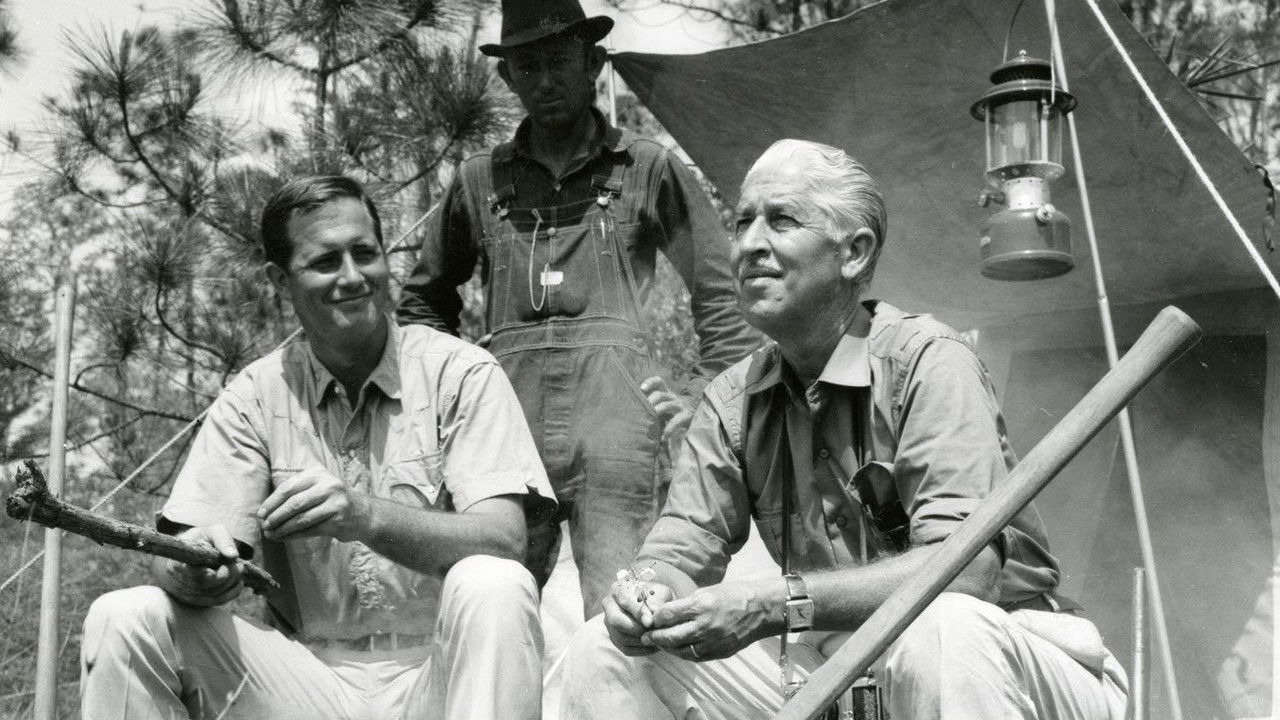
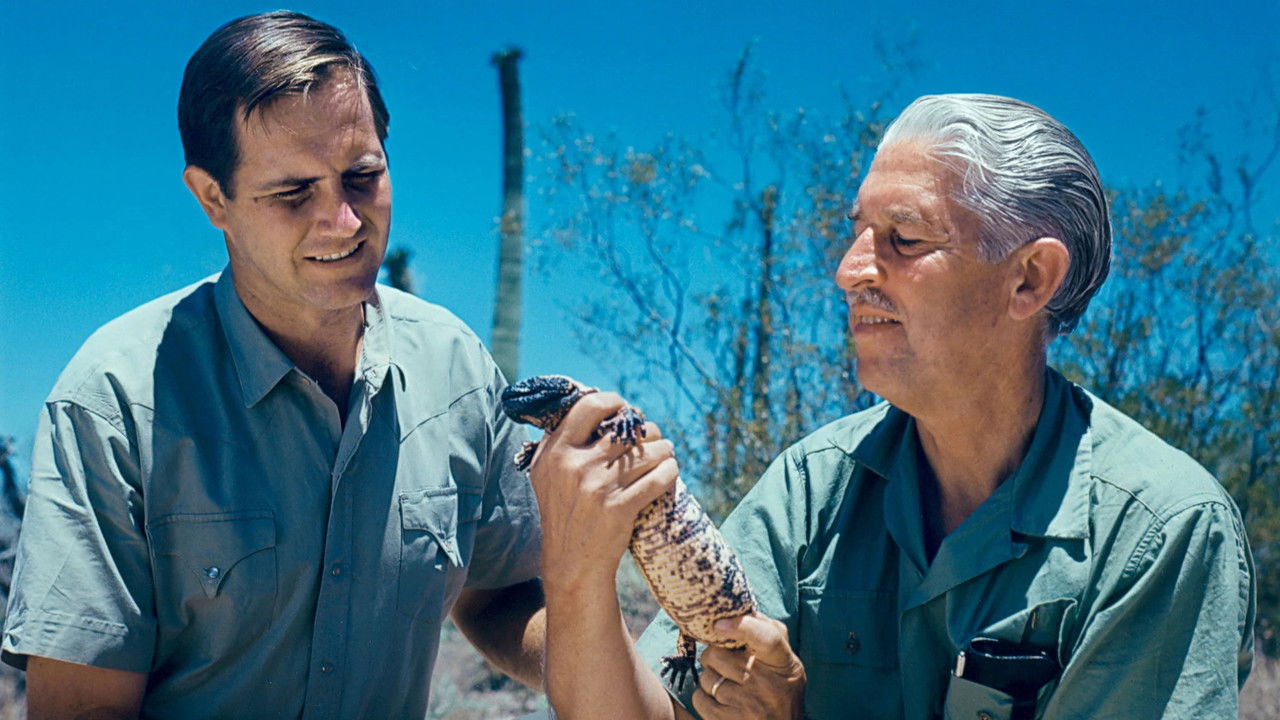
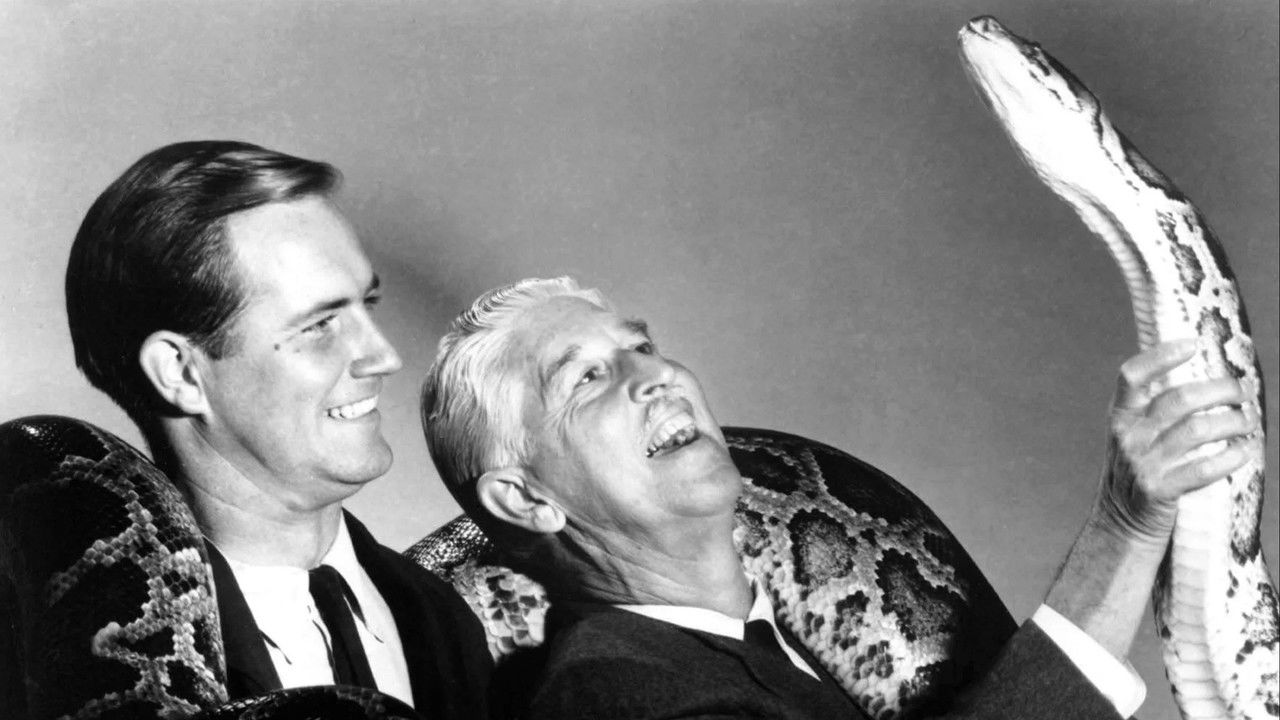
When Mutual of Omaha's Wild Kingdom debuted in 1963, it introduced global ecosystems directly to prime-time television audiences. Host Marlin Perkins and co-host Jim Fowler traveled across continents to track lions, tag sea turtles, and observe wildlife before environmental conservation was a mainstream concept.
For decades, it served as essential Sunday evening family viewing. The series deserves credit for establishing the template that modern documentary channels built upon.
The Modern Reality: Pace and Production
Putting this on for a kid today is a exercise in patience. Compared to modern wildlife programming like Planet Earth or animated hits like Wild Kratts, the pacing is slow, the audio profile is flat, and the camera work relies on 16mm film that looks soft on high-definition displays.
There is also a clear shift in how animals are treated. In the 1960s and 70s, nature documentary hosts regularly tackled, lassoed, and pinned wild animals on camera for research or demonstration. While intended to serve conservation, modern viewers—and kids—often find the physical handling startling.
If you want to share a piece of broadcast history, a few classic clips work well. As a primary nature series for daily viewing, stick to modern productions.