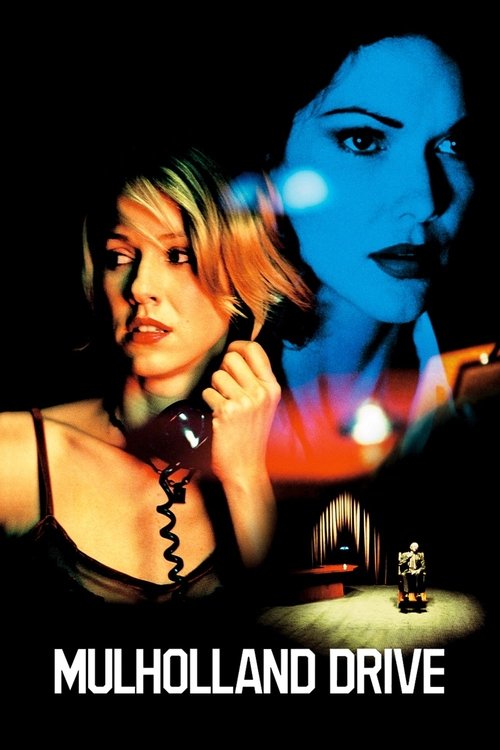
If you have a teenager who identifies as a "cinephile" because they’ve seen every A24 movie and can quote Inception, they are eventually going to find this title on a list of the greatest films of the 21st century. It is inevitable. But Mulholland Drive is the final boss of those lists. It is the point where "movie night" turns into a psychological endurance test.
The "Dream Logic" Barrier
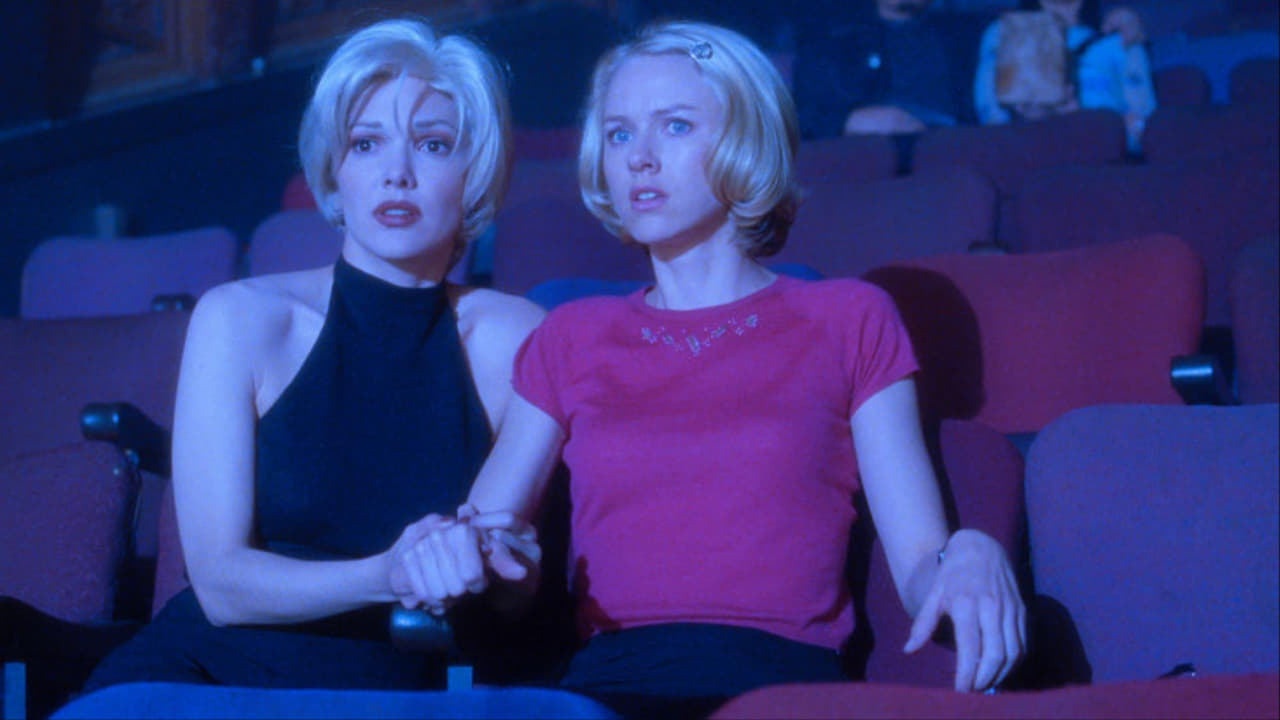
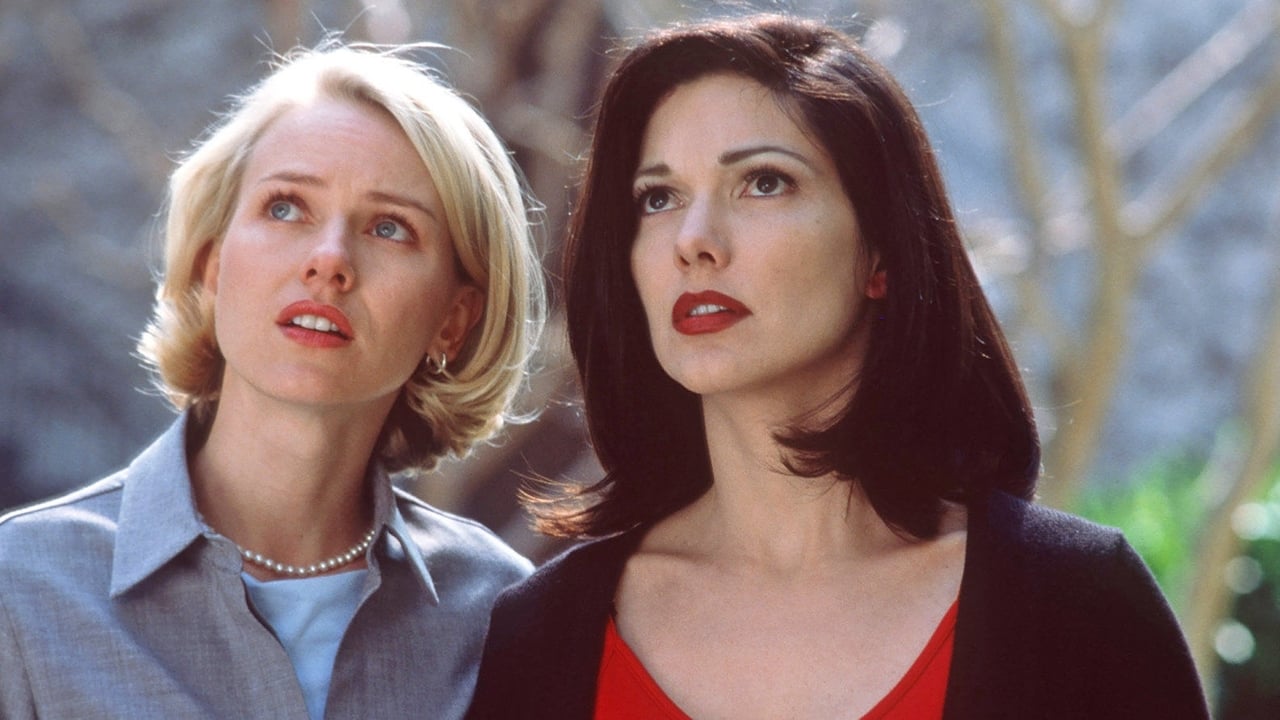
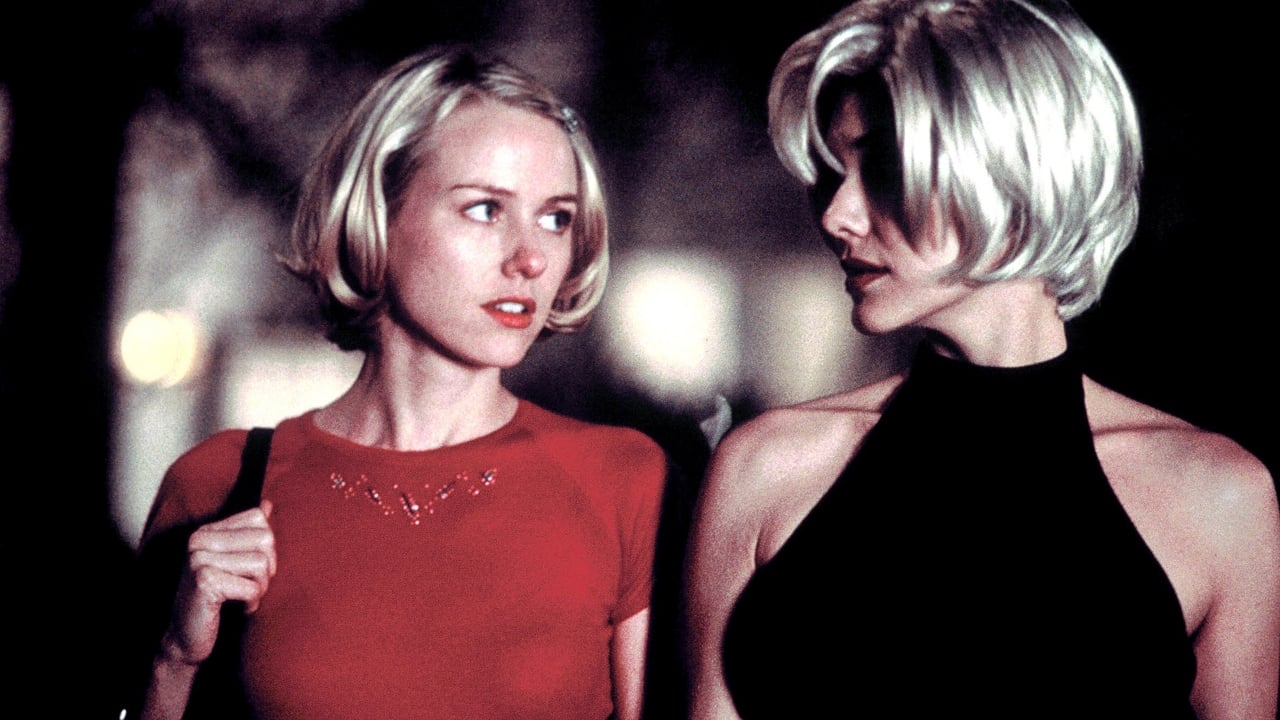
Most movies, even the complicated ones, follow a set of rules. You expect a beginning, a middle, and an end. David Lynch doesn't care about your expectations. The first half of the film feels like a sun-drenched, slightly cheesy mystery. Naomi Watts plays Betty with a wide-eyed, 1950s-style earnestness that feels almost artificial.
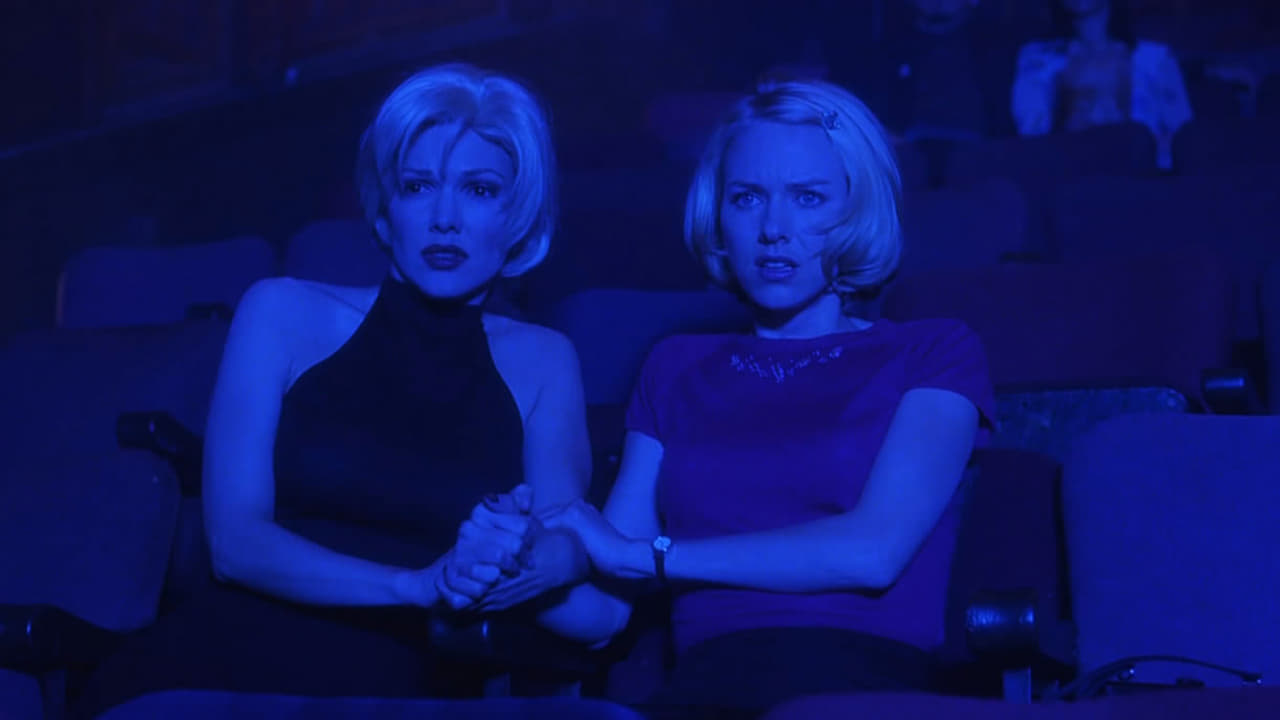
You think you are watching a story about a girl trying to make it in Hollywood while helping an amnesiac friend. Then, the movie shifts. It doesn't just have a plot twist; it undergoes a total cellular breakdown. If you are watching this with someone who needs a "logical" explanation for everything, you are both going to have a bad time. You have to watch it the way you experience a dream—accepting the weirdness as it happens and waiting to see how it feels when you wake up.
The Winkie’s Factor
The "Winkie’s diner scene" is mentioned in every review for a reason. It is a masterclass in how to build dread out of absolutely nothing. It’s just two men sitting in a booth talking about a dream one of them had. There are no weapons, no monsters in plain sight, and no immediate stakes. Yet, the way the camera moves and the sound design hums creates a level of visceral anxiety that most slasher films can’t touch.
For parents, this is the specific friction point. It isn't "scary" in a way that’s easy to dismiss. It’s a deep, existential unsettling that stays in the back of your brain. If your kid is sensitive to "vibes" or prone to nightmares, this scene alone is enough to justify the 18+ rating.
Why the "Mature Teen" Argument Fails
We often talk about "mature" content in terms of sex and violence. This movie has both—including a graphic scene that is definitely not for family viewing—but the real reason to keep this away from younger viewers is the bleakness.
Underneath the Hollywood noir aesthetic is a story about the total destruction of a human soul. It’s a commentary on how the "dream factory" of Los Angeles chews people up and spits out ghosts. A 16-year-old might follow the mystery, but they likely won't have the life experience to process the despair that sets in during the final thirty minutes.
How to Watch It
If you’re an adult diving in for the first time, don't reach for your phone to Google "Mulholland Drive explained" the moment the credits roll. The ambiguity is the point. The film is designed to be a mirror. What you think the "blue box" represents says more about you than it does about the director.
- Turn the lights off.
- Turn the sound up (the audio is half the experience).
- Accept that you will be confused.
If you want a tidy resolution, go watch a police procedural. If you want a movie that will haunt your thoughts for the next week, this is the gold standard.