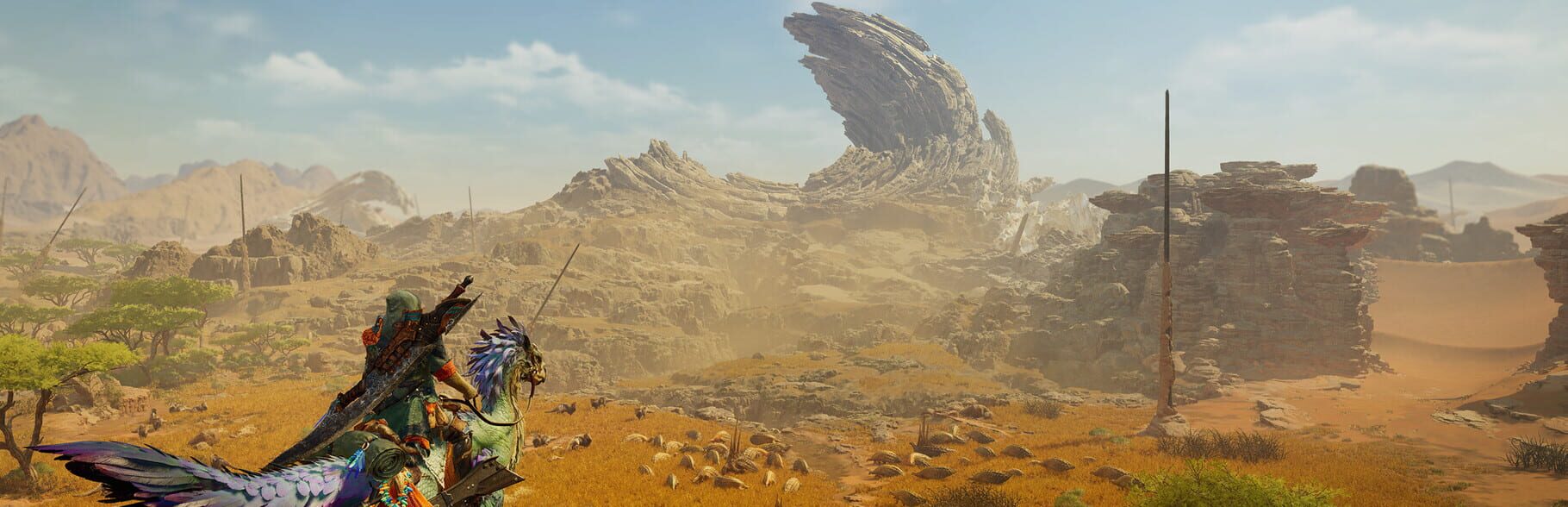
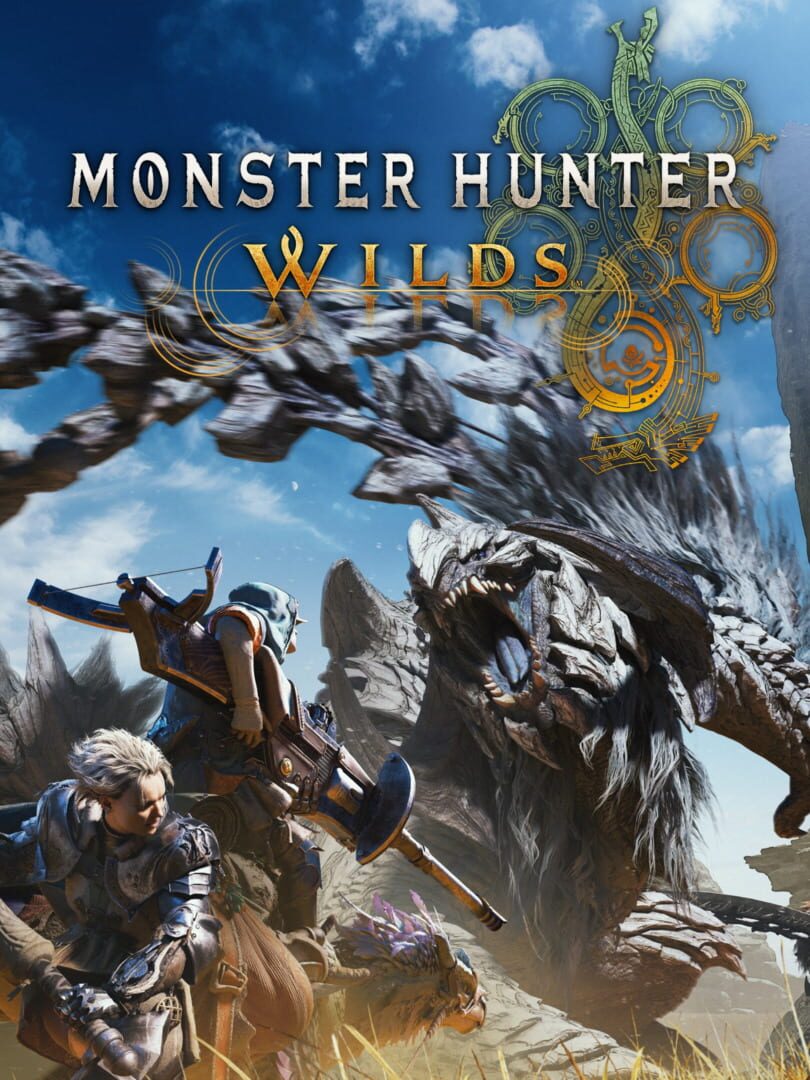
Why Monster Hunter Wilds Hooks Strategic Minds
Unlike brainless hack-and-slash games where smashing one button clears a room, Monster Hunter Wilds operates like high-speed combat chess. Every weapon—from the heavy Great Sword to the kinetic Insect Glaive—has an intricate move set requiring precise positioning and stamina management. If a player swings wildly, the monster simply punishes them.
This dynamic creates a rare learning curve in modern gaming. Players have to observe a monster's subtle telegraphs, learn when to dodge, and exploit brief windows of recovery. For a teenager, mastering a hunt isn't about reflex speed; it's about preparation, execution, and spatial awareness.
Managing the Time Sink
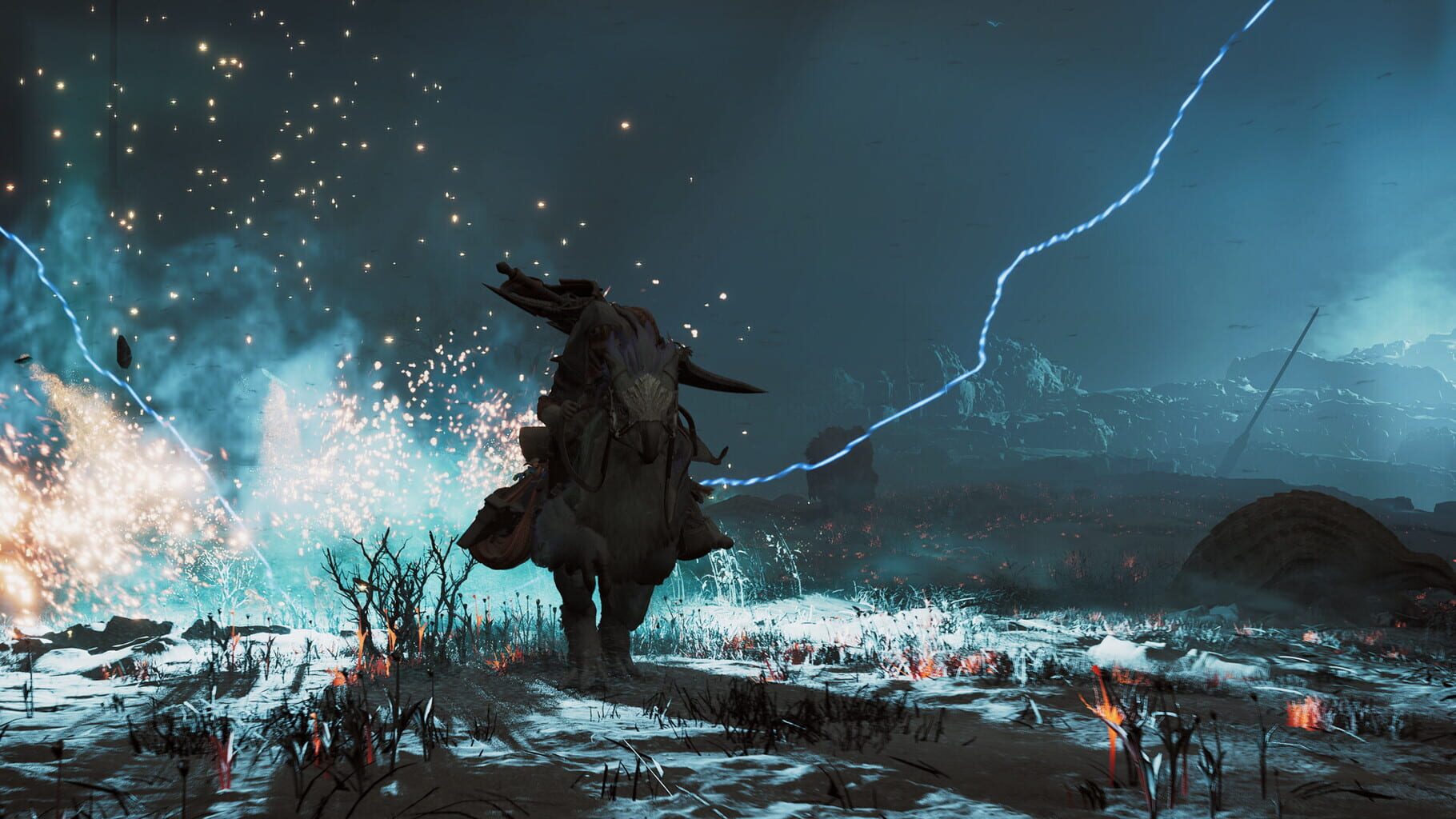
Monster Hunter games do not yield quick 10-minute fixes. A typical mid-game expedition requires gathering resources, cooking meal buffs at camp, tracking the target across shifting weather conditions, and enduring a grueling multi-phase fight.
If you set strict '30 minutes of screen time' limits on weeknights, this game will collide hard with your schedule. A hunt cannot be paused in online multiplayer, and quitting mid-fight forfeits all progress and materials. The best house rule is agreeing on a clear exit point—like completing one specific hunt—rather than setting a hard timer that cuts them off right as a monster reaches critical health.
Multiplayer and Safety Defaults
Monster Hunter Wilds allows four-player co-op, which can be played with real-life friends or auto-matched via SOS Flares. While the community is generally focused on cooperative success rather than competitive toxicity, public lobbies always bring unmoderated interaction risks.
Fortunately, Capcom included robust AI Support Hunters. Your teen can experience full four-player hunt dynamics using computer-controlled companions without ever connecting to an open lobby or listening to voice chat.