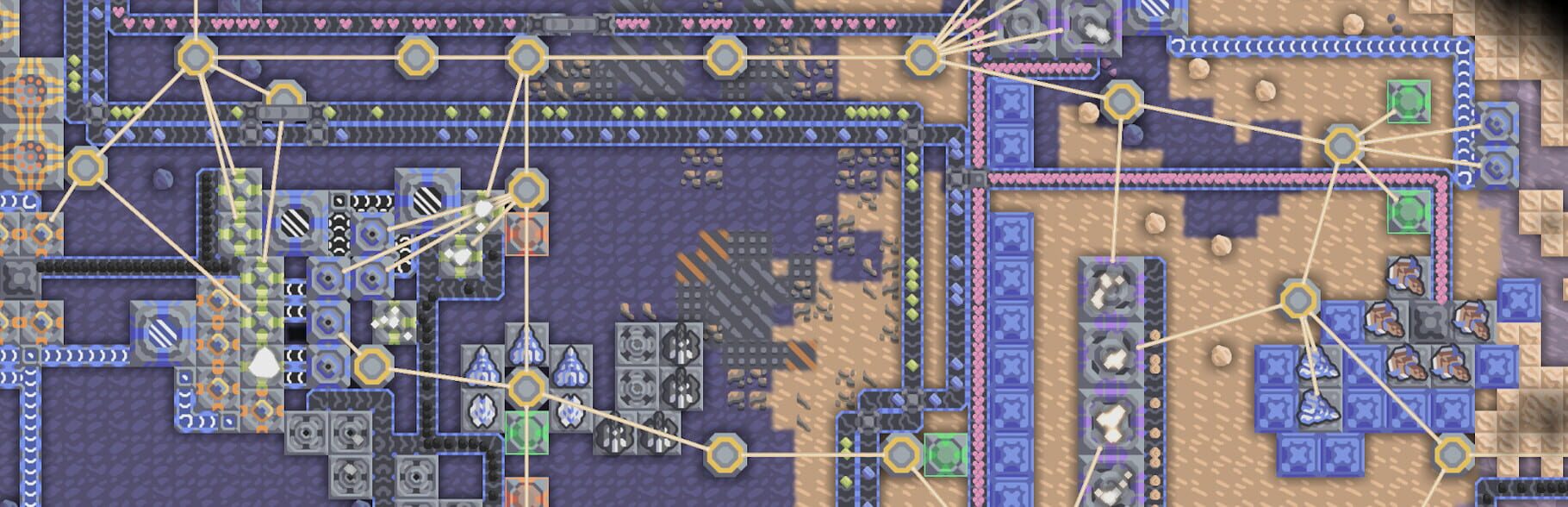
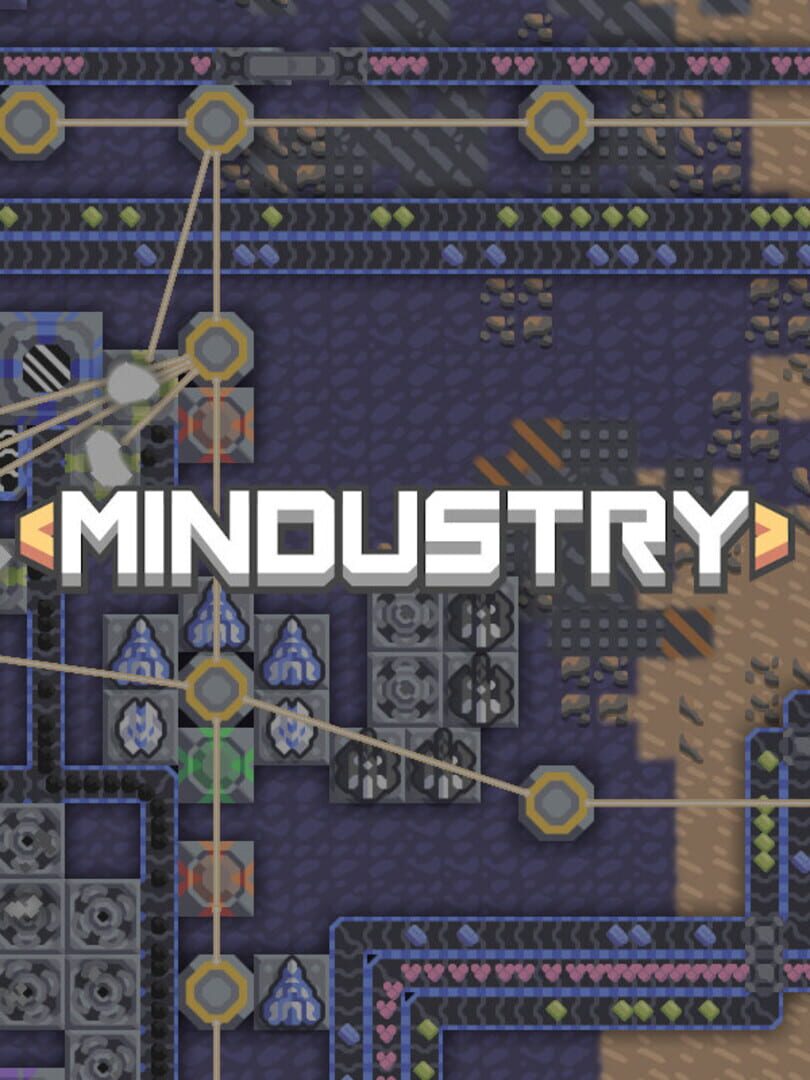
Mindustry is the 'smart kid' game that actually lives up to the hype. It’s essentially Factorio’s younger, more approachable sibling, stripping away the gritty industrial aesthetic for a clean, top-down tactical experience. It’s one of the few games where the 'educational' value is high because the game is genuinely difficult and rewarding, not because it’s trying to teach a lesson.
For parents, it’s a total win. You don’t have to worry about your kid being milked for 'Gems' or 'V-Bucks,' and the gameplay encourages the kind of organized, sequential thinking that pays off in real-world math and science. If they’re obsessed with Minecraft Redstone or building complex LEGO machines, this is their next obsession.
Age Fit
While it's rated for everyone, the sheer complexity makes it a better fit for ages 10 and up. Younger kids might enjoy the early levels, but the later logistical demands require significant focus and planning.
WISE Breakdown
Wholesome
85
The game is entirely focused on construction and defense. There's no grit, no dark narrative, and no edgy content—just clean, technical problem-solving and abstract robotic combat.
Imaginative
92
It’s a massive sandbox. Between the map editor and the ability to design incredibly complex, customized supply chains, it rewards creative engineering in the same way Minecraft's Redstone does.
Safe
88
Mindustry is a rare breed: no loot boxes, no predatory microtransactions, and no data-harvesting nonsense. The primary safety consideration is the unmoderated chat on public multiplayer servers.
Enriching
95
This is essentially a course in systems thinking and logistics disguised as a game. It introduces concepts of throughput, resource management, and even Boolean logic gates.
Parent Info
✓
Why It Might Be Great
Systems thinking is the core loop; kids learn to manage supply chains and optimize throughput without even realizing they're doing 'work.'
The monetization is incredibly fair—it's open-source, free on Android and itch.io, and a one-time low price on Steam/iOS with zero 'pay-to-win' junk.
Includes cross-platform multiplayer, meaning a kid on a tablet can build alongside a parent on a PC without any friction.
The logic system allows advanced players to program their units and structures, serving as a great bridge to actual coding concepts.
⚠
What to Watch For
Public multiplayer servers have open, unmoderated chat. It's a small community, but like any open internet space, things can get salty or inappropriate.
The complexity curve hits hard around the mid-game. If your kid gets frustrated by logistics or 'clogged' conveyor belts, they might need a hand or a YouTube tutorial to get past the hump.
Conversation Starters
"How did you fix the bottleneck where the coal wasn't getting to the generators fast enough?"
"If you had to explain a 'logic gate' to someone who doesn't play the game, how would you describe it?"
"Would you rather play a map where you have infinite resources but huge enemy waves, or a map with tiny resources and no enemies?"
"What’s the most satisfying part of seeing the factory finally run perfectly?"