The Surrealist Bunny Void
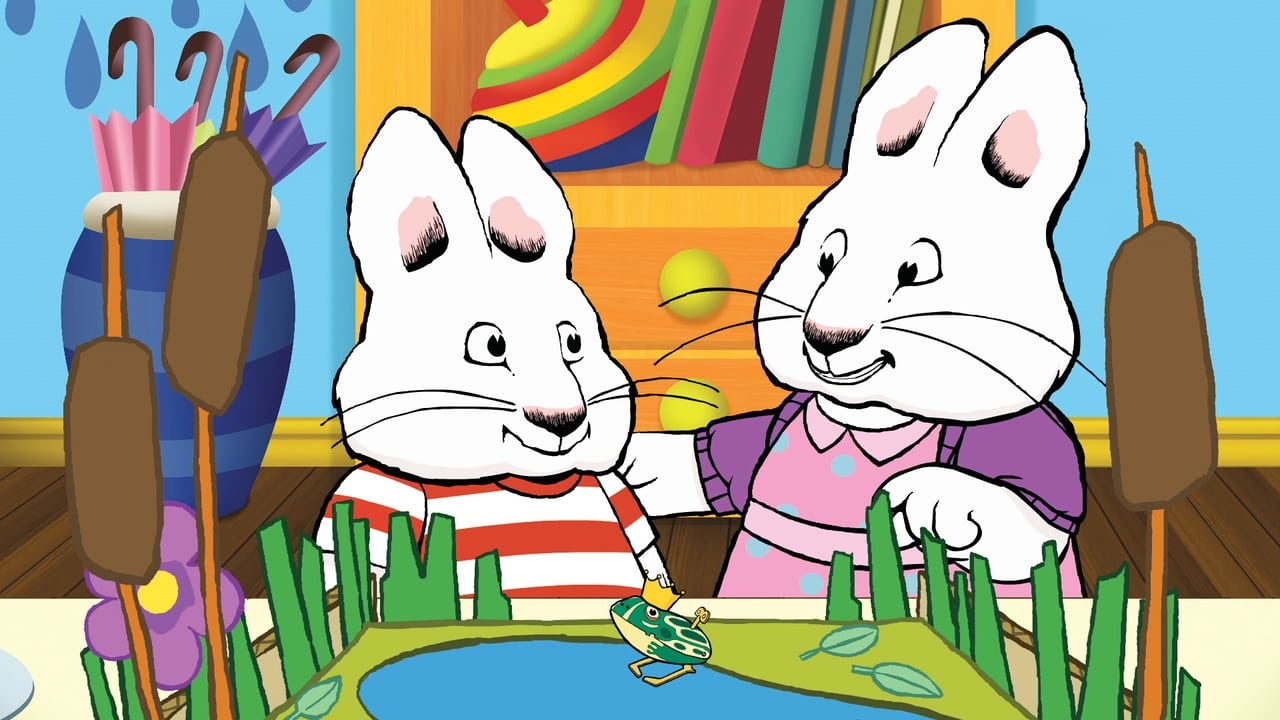
The first thing you’ll notice—and the thing that has fueled a thousand internet memes—is the total absence of parents in the early seasons. Max and Ruby live in a meticulously maintained house, go shopping, and navigate their neighborhood with zero adult supervision, save for the occasional visit from a grandmother who lives in a separate house. For a parent watching in 2026, it feels less like a preschool show and more like a gentle, G-rated version of Lord of the Flies.
This lack of adults creates a weirdly hypnotic power dynamic. Ruby is the over-functioning, rule-abiding Type A personality, while Max is the chaotic toddler who only communicates in single-word demands. If you’ve ever had a four-year-old try to "parent" a two-year-old, the friction here will feel visceral. It’s not necessarily "bad" TV, but it is surreal. The show doesn't try to explain the rabbits' world; it just expects you to accept that a preschooler is responsible for the grocery budget.
The Low-Stimulation Secret Weapon
While critics on IMDB give it a middling 6.2, that score doesn't account for the show's greatest utility: it is the ultimate sedative. In an era where most kids' media feels like a neon-colored fever dream with a hundred cuts per minute, Max & Ruby moves at the speed of a Sunday afternoon nap. The colors are flat, the music is soft, and the stakes are incredibly low.
If your kid is prone to overstimulation or you’re trying to transition into naptime, this is the tool you want. It’s the visual equivalent of a white noise machine. There are no "villains," no loud noises, and no frantic pacing. It’s one of the few shows where you can actually leave the room to start a load of laundry and not worry about your toddler being "wound up" when you get back. It’s functional media at its finest.
The "Ruby Problem"
You’ll see a lot of parents on Reddit or Common Sense Media complaining that Ruby is "bossy." She is. She spends a significant amount of every episode telling Max exactly what to do, how to do it, and why his way is wrong. For some kids, this might model a bit of "little professor" behavior that is annoying to deal with at the dinner table.
However, the real joke—which older kids and parents will catch—is that Max almost always wins. Ruby will spend ten minutes planning a perfect, orderly tea party, and Max will spend ten minutes trying to bring a giant mud-covered toy into the house. By the end, Max’s chaos usually solves whatever problem Ruby’s rigid rules couldn't. It’s a subtle nod to the fact that, despite Ruby’s best efforts to be the CEO of the household, she’s still just a kid herself.
If you can get past the blandness, it’s a fascinating study in sibling negotiation. Just don't be surprised if you find yourself shouting "Where are the parents?!" at the screen by the third episode.