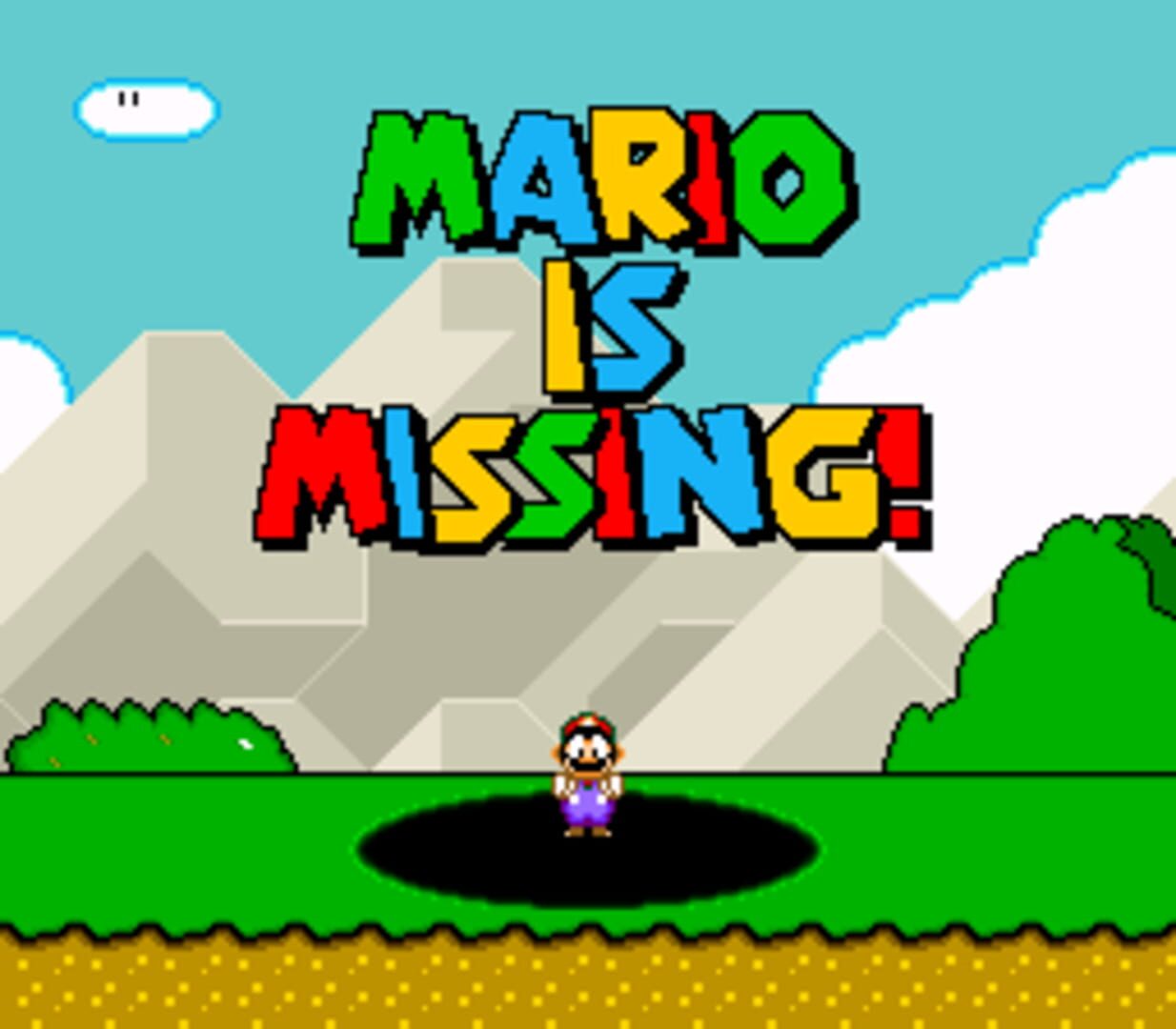
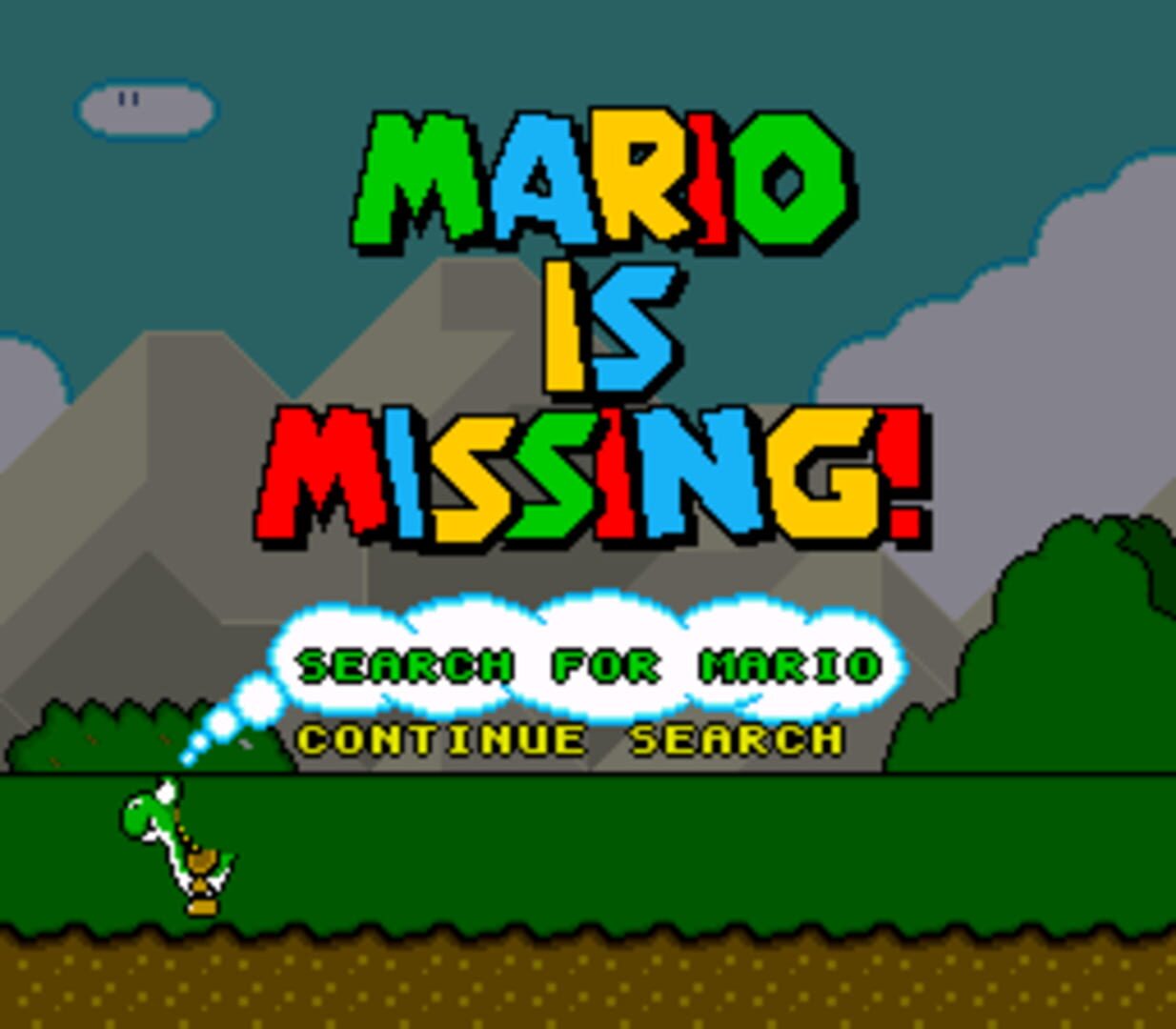
The Blockbuster rental trap of 1993
Mario is Missing! holds a very specific place in gaming lore: the ultimate '90s bait-and-switch. Because Nintendo licensed out the sprites and music directly from Super Mario World, the back of the Super Nintendo box looked like a legitimate new adventure starring Luigi. Instead, players got a console port of an MS-DOS edutainment title built to ride the coattails of Where in the World Is Carmen Sandiego?.
How the game actually plays
Bowser has set up headquarters in Antarctica and plans to melt the ice caps using hair dryers (genuinely the plot), funding the scheme by sending Koopas to steal famous landmarks. Playing as Luigi, you enter a room, pick a pipe, and pop out in an unnamed real-world city.
To leave the stage, you have to:
- Figure out what city you are in by talking to bystanders or pulling up the Globulator map to summon Yoshi.
- Track down three Koopas carrying stolen pieces of local landmarks in sacks.
- Return the artifacts to their tourist booths, where the attendant refuses to accept the stolen national treasure until you answer two multiple-choice questions about it.
There are no pits, no timers, and no health bars. Every city uses the same grid of identical streets, forcing you to walk back and forth reading dialogue boxes until you find the right NPC.
Better ways to scratch the same itch
If you want a video game that sparks curiosity about world geography or history without putting everyone to sleep, you have much better options:
- Carmen Sandiego (modern updates or classic versions): The actual detective loop Mario is Missing! tried to copy, with real deduction mechanics.
- GeoGuessr: Drops you into real Google Street View locations around the world and challenges you to figure out where you are using road signs, architecture, and vegetation—great to play together on a couch.
- Super Mario World (1990): Available right on Nintendo Switch Online, and the real game Mario is Missing! borrowed its graphics from.