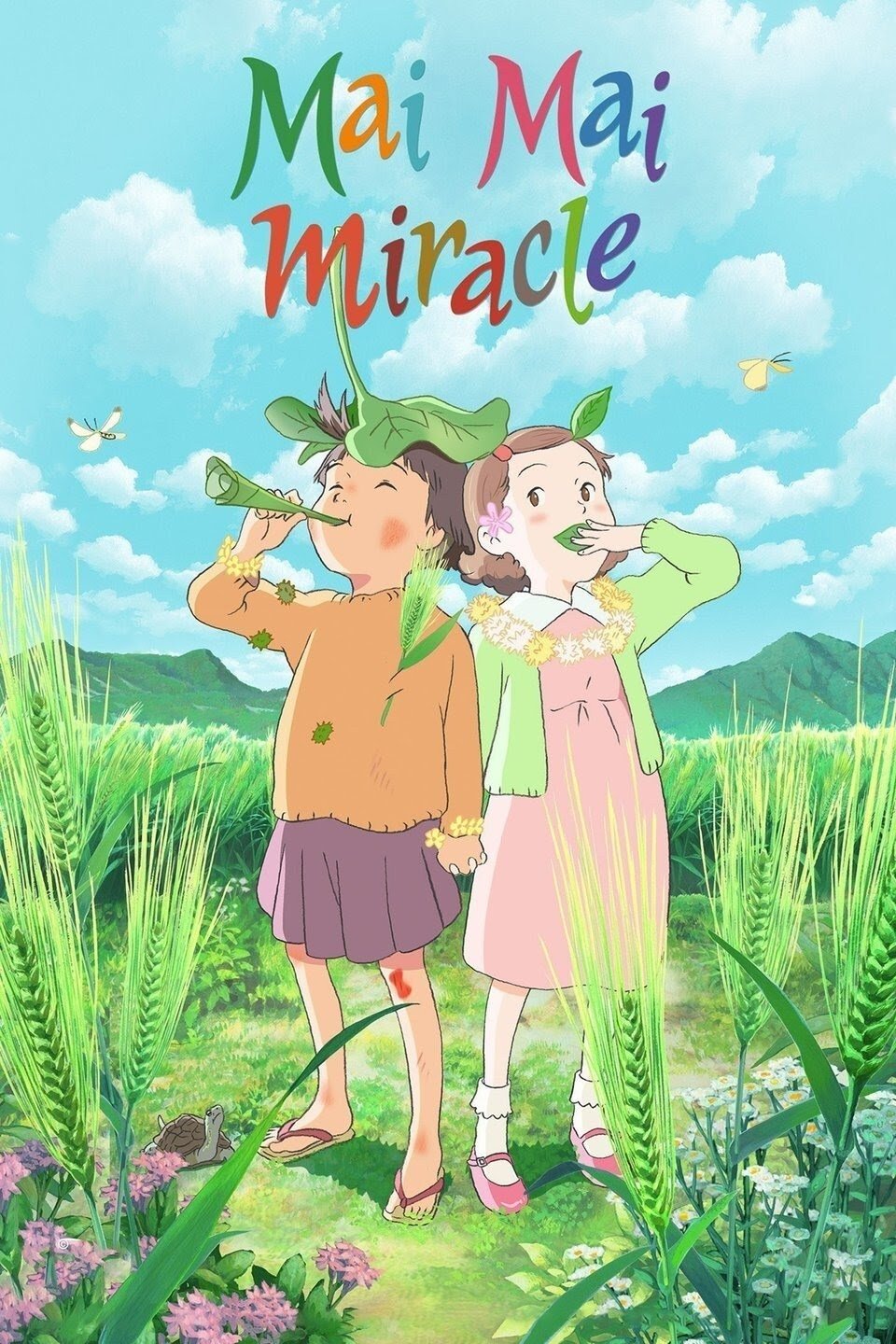
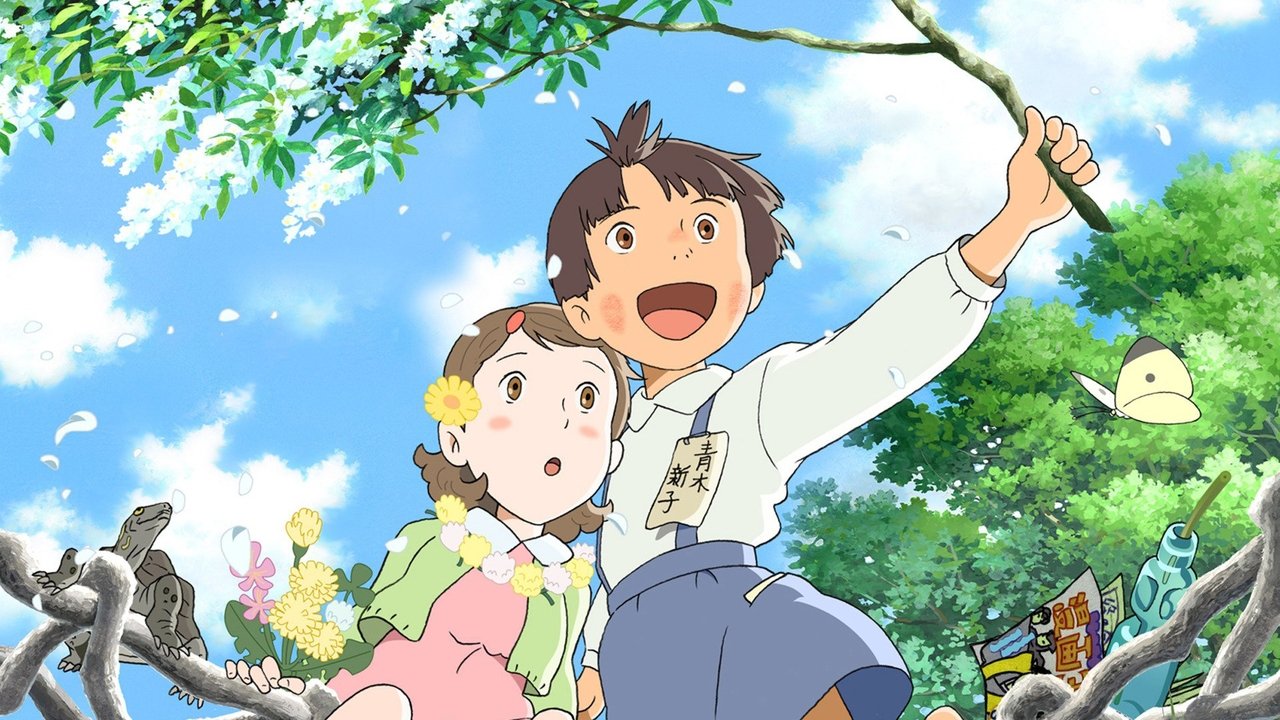
If you’ve spent any time in the world of Japanese animation, your brain probably defaults to Studio Ghibli for this kind of "lush nature and childhood wonder" vibe. While Mai Mai Miracle looks the part, it’s doing something much more specific and, frankly, more intellectual than your average forest romp. It’s a movie about the layers of time beneath our feet.
The "history detective" vibe
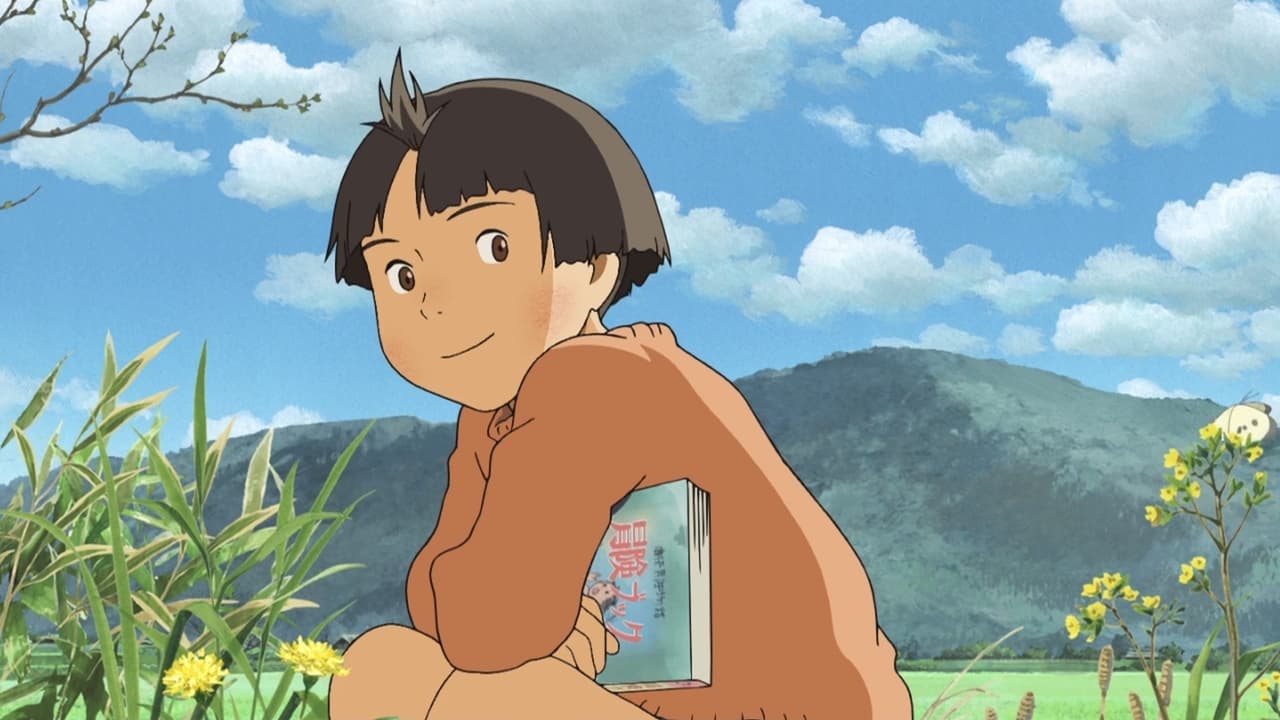
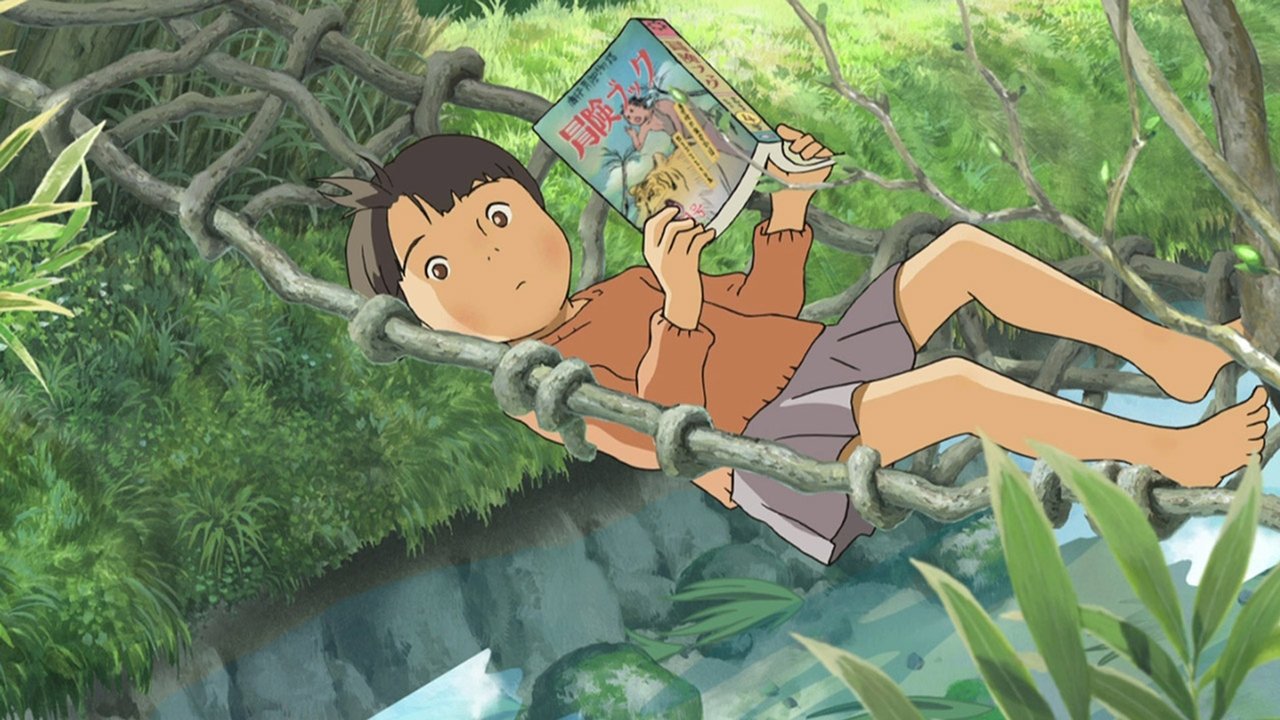
The movie is set in 1955, but the protagonist, Shinko, is obsessed with 1,000 years prior. This isn't just a cute quirk; the film actually asks kids to engage with the idea of archaeology as an act of imagination. Shinko doesn't just see a dusty field; she sees the ancient capital that used to be there.
If your kid is the type who likes to dig in the backyard or asks what used to be where the mall is now, this will hit different. It turns history into a superpower. The animation, coming from the director of In This Corner of the World, is obsessive about these details. The way the light hits the irrigation ditches or the specific layout of a 1950s classroom makes the world feel lived-in rather than just drawn.
Why the scores are "just okay"
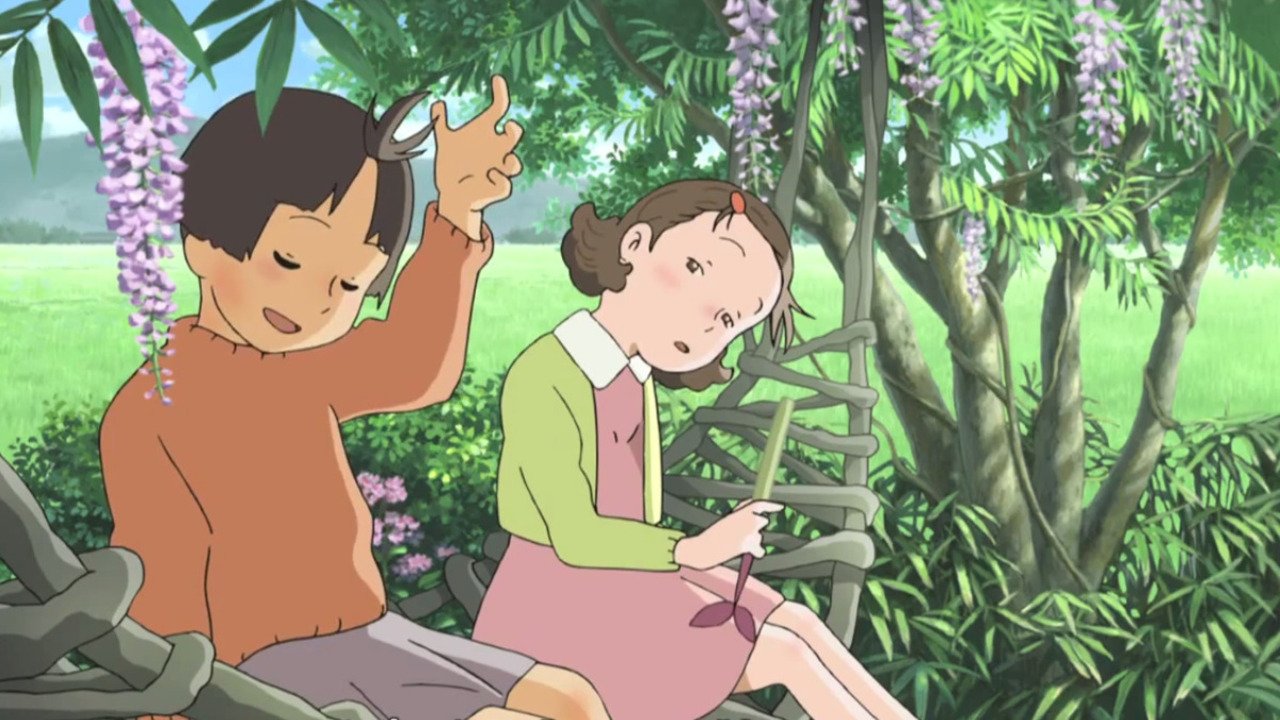
The IMDb and Rotten Tomatoes numbers might look a little mid compared to a Pixar blockbuster, but that’s mostly a reflection of the pacing. This is a slow-burn film. It meanders. It spends a lot of time on the friendship between Shinko and Kiiko, the "city girl" who moves to town with her fancy colored pencils and a heavy dose of grief.
There isn’t a traditional villain to defeat or a world to save. The "conflict" is often just the friction of growing up and the realization that you can't imagine away every problem. For some kids, that’s going to feel like "nothing is happening." For others, especially the ones who feel like outsiders at school, the bond between these two girls will be the most relatable thing they’ve seen all month.
The "Goldfish" moment and real stakes
About two-thirds of the way through, the movie takes an emotional turn that catches people off guard. It involves a goldfish and a sudden brush with the unfairness of life. It’s not "traumatizing" in a Disney-parent-death kind of way, but it is heavy.
The film doesn't sugarcoat the fact that the world can be a sad place, even when you have a great imagination. It treats the kids' reactions with total respect. It’s a great bridge for kids who are moving out of the "everything is perfect" stage of media and into stories that have some actual grit beneath the surface.
If your kid liked Totoro or Only Yesterday
If My Neighbor Totoro is a 10 on the "whimsical" scale and Only Yesterday is a 10 on the "nostalgic" scale, Mai Mai Miracle sits right at a 7 for both. It’s less magical than Totoro—the "magic" is clearly happening in Shinko's head—but it's more accessible than the slower, adult-focused Ghibli dramas.
Think of it as a gateway movie. It’s for the kid who is starting to outgrow the loud, frantic energy of modern streaming hits and wants something they can actually chew on. Just make sure you’re watching it on a day when everyone has the patience for a story that takes its time to bloom.