Slice-of-Life Magic
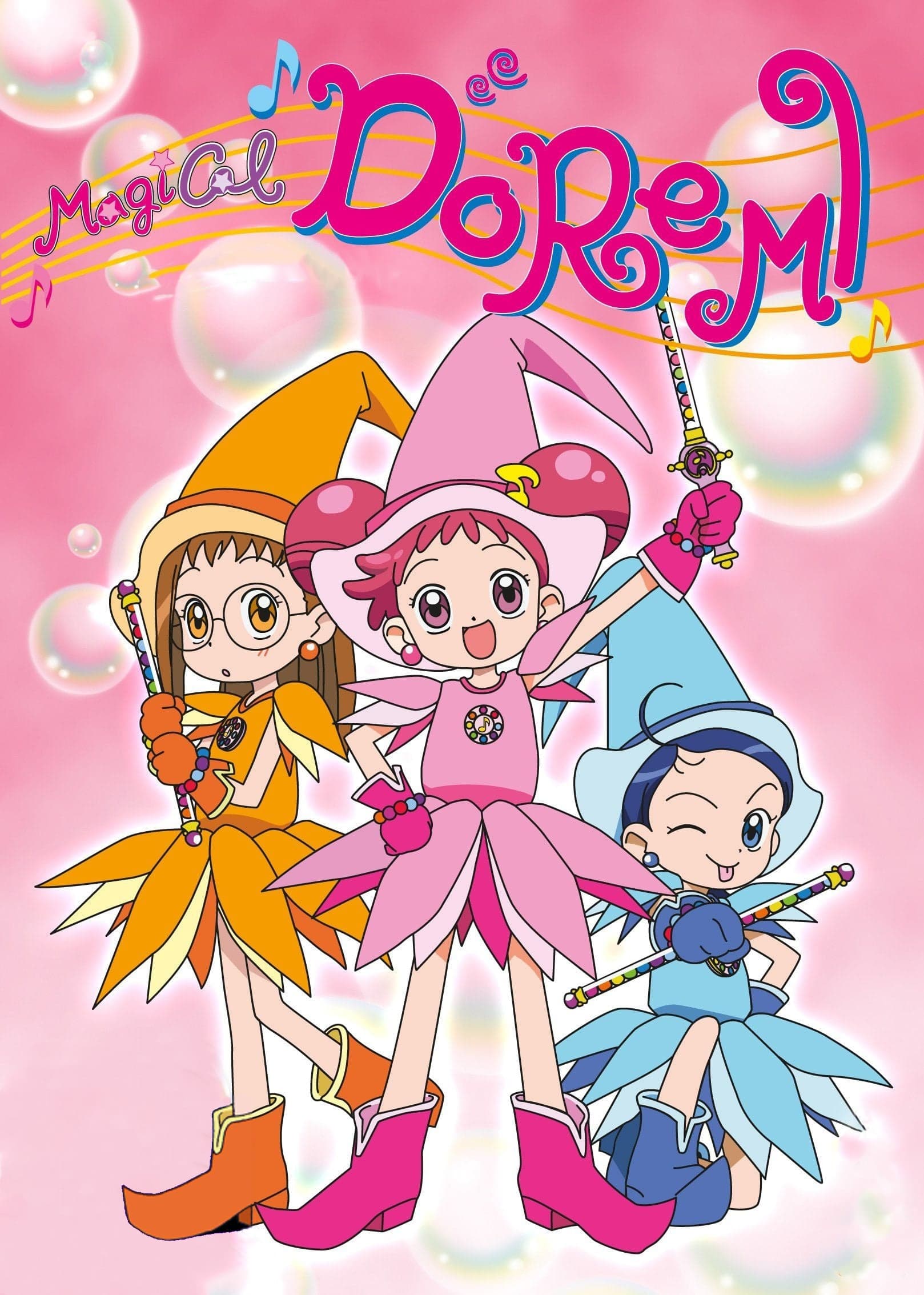
Unlike its contemporary Sailor Moon, which was busy saving the galaxy, Magical DoReMi (or Ojamajo Doremi) stays grounded in the neighborhood. The 'villains' here aren't monsters from the Negaverse; they are usually just misunderstandings, bad moods, or the social anxieties of being eight years old. This makes it a rare find in the magical girl genre—a show that prioritizes character growth over power-ups.
The 4Kids Factor
If you're watching the English version, you're getting the 4Kids Entertainment treatment. For parents, this is a double-edged sword. On one hand, they removed anything remotely questionable (including some of the more 'Japanese' cultural elements that might require explanation). On the other hand, they replaced the original soundtrack with something much more 'Saturday Morning Cartoon' and dialed up the pun-heavy dialogue. If your kid is already into 'serious' anime, they might find the dub a bit cringey, but for a first-time anime viewer, it’s a very safe entry point.
Why It Still Works
The reason this show has such a lasting legacy in Japan is its honesty. It doesn't shy away from the fact that kids can be mean, parents can be busy, and magic doesn't actually solve your problems—it just gives you the tools to face them. In an era of hyper-stimulating, 11-minute YouTube-style cartoons, the slower pacing and focus on 'feeling' over 'doing' is a refreshing change of pace for a family movie night or a weekend binge.