If your teen is a fan of the dark, procedural energy in The Batman or the psychological cat-and-mouse of Mindhunter, they’ve already seen the influence of M without realizing it. This isn't just a dusty relic from the early talkie era. It is a terrifyingly precise look at how a city loses its mind when a predator is on the loose.
The horror of what you don't see
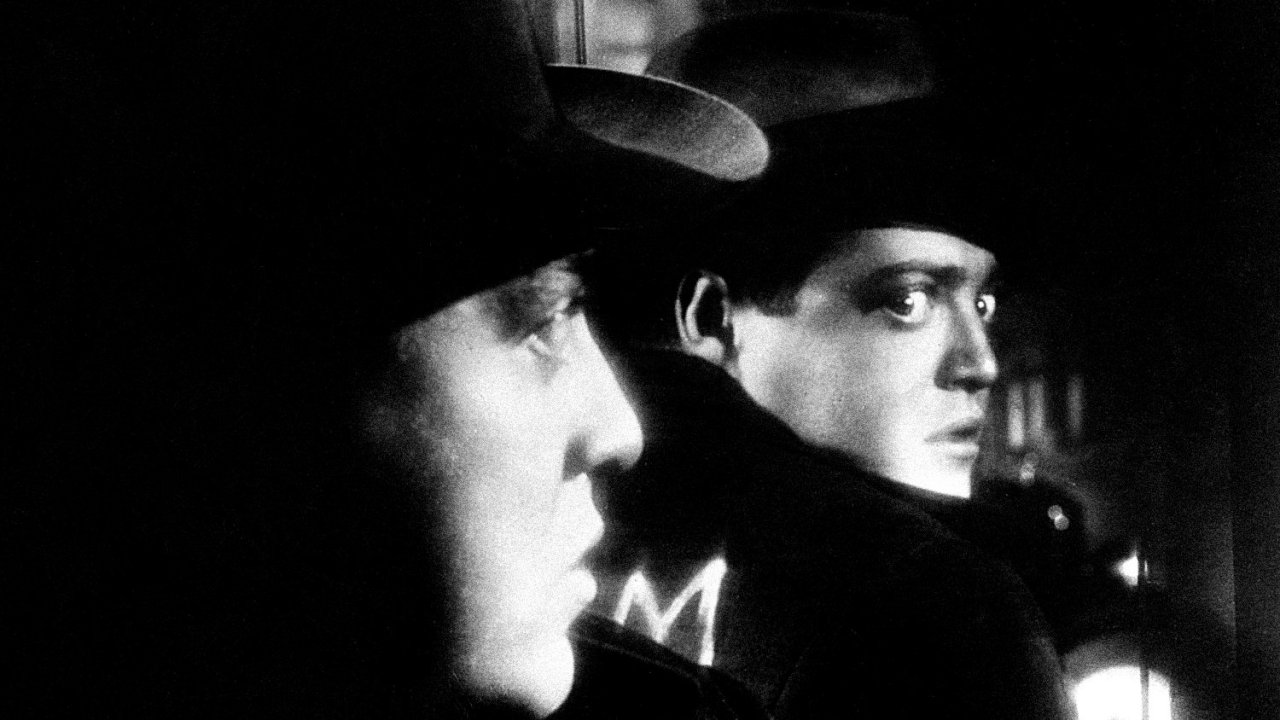
Modern thrillers usually rely on graphic imagery to shock you, but this film is a masterclass in restraint. The director understood that nothing on screen is as scary as what a parent imagines. You never see the crimes. Instead, you get a rolling ball coming to a stop and a balloon caught in telephone wires.
It’s a brutal visual shorthand that still works nearly a hundred years later. If your kid is used to the gore-heavy tropes of modern horror, this is a great pivot to show them how sound and framing can create a much deeper sense of dread. The killer’s signature—a whistled tune—is one of the first times a "theme song" was used to signal a character's presence, and it remains deeply unsettling.
The "underworld" justice system
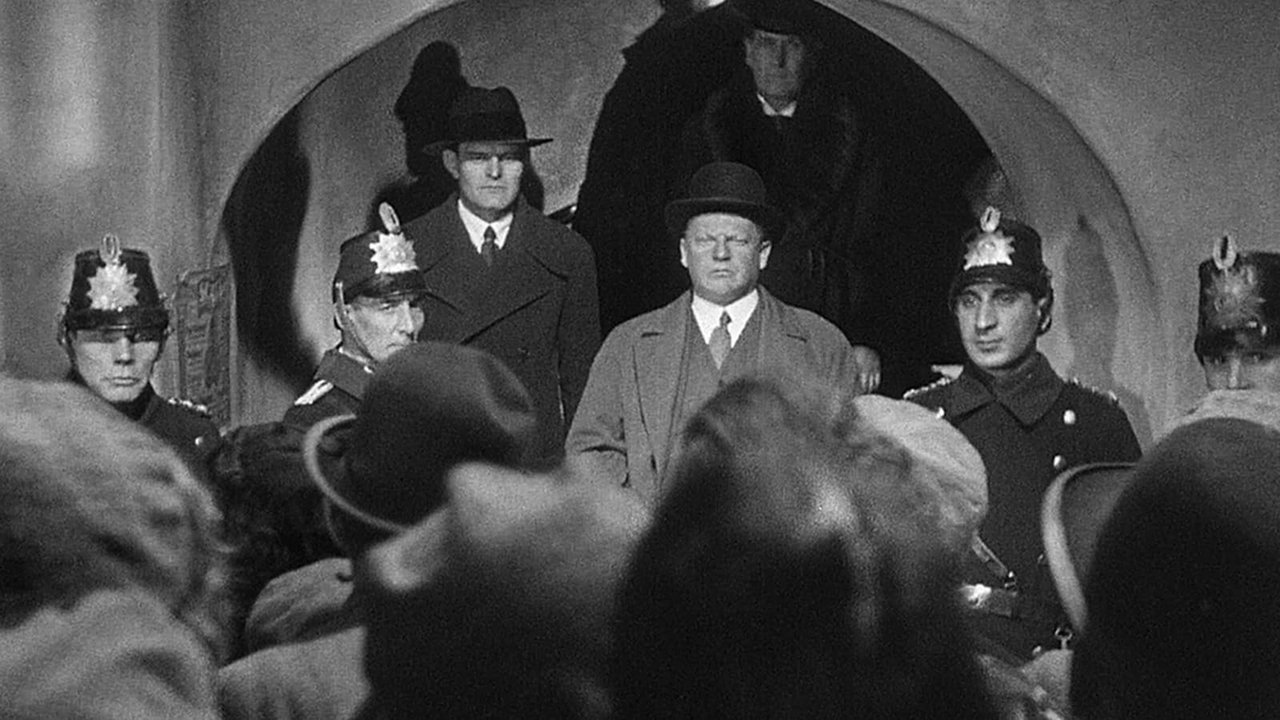
The most fascinating part of the movie for a mature teen isn't actually the police work. It’s the moment the city’s actual criminals decide to hunt the killer because the increased police presence is "ruining business."
This leads to a climax that feels like a precursor to a modern courtroom drama, but staged in a basement by a mob of thieves and murderers. It forces the audience to grapple with a messy question: Does a person who commits "monstrous" acts still deserve the protection of the law? If your student is interested in debate or law, this third act is pure gold. It’s much more complex than the usual "good guys catch the bad guy" ending.
Managing the "old movie" friction
Let’s be real: the biggest hurdle here is the 1931 production value. It’s black and white, it’s in German, and the pacing is deliberate. If you’re worried about the "boredom" factor, approach it like Shakespeare Without the Slog — focus on the story beats rather than the format.
This isn't a movie to have on in the background while scrolling TikTok. It requires "active" watching to catch the visual cues. If your teen enjoyed the gritty, Victorian-era tension in Is 'The Ruby in the Smoke' Too Dark?, they will likely appreciate the atmospheric "noir" vibes here. Since you can’t exactly catch this at a multiplex, it’s the perfect candidate for a home screening where you can pause and discuss the more intense moral turns. Skip the theater prices and treat this as a specialized "film school" night at home.
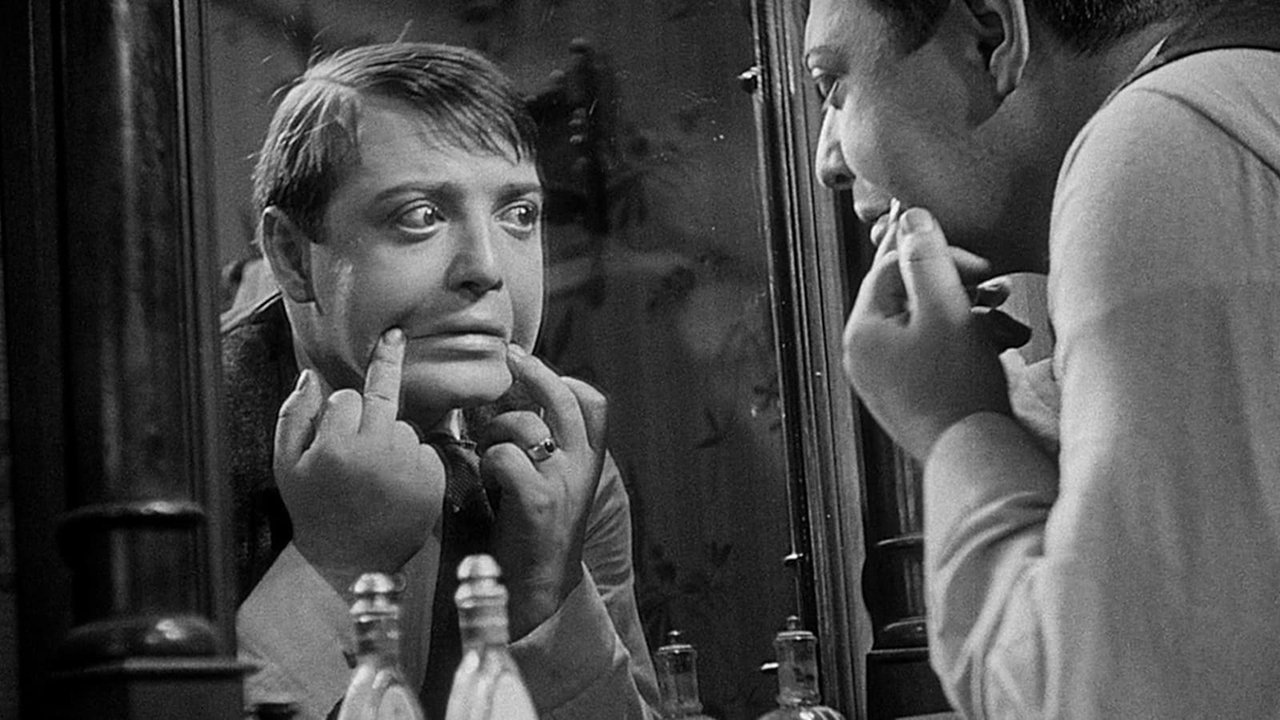
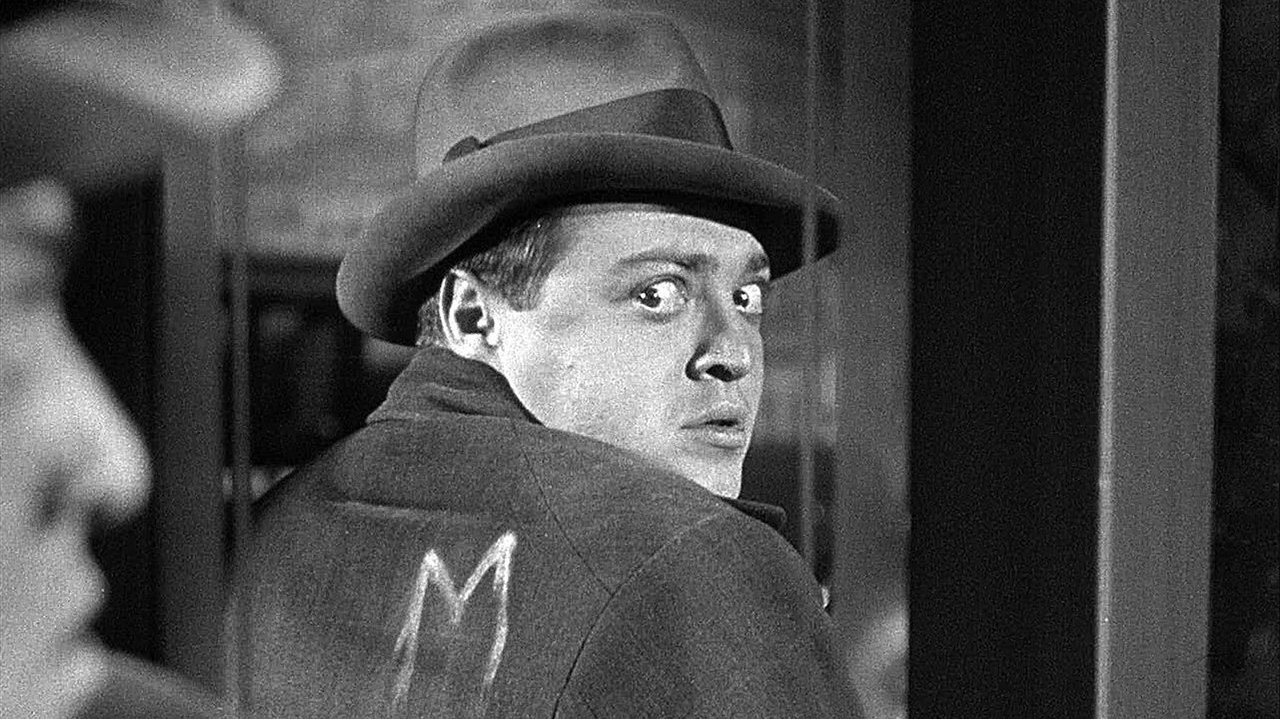
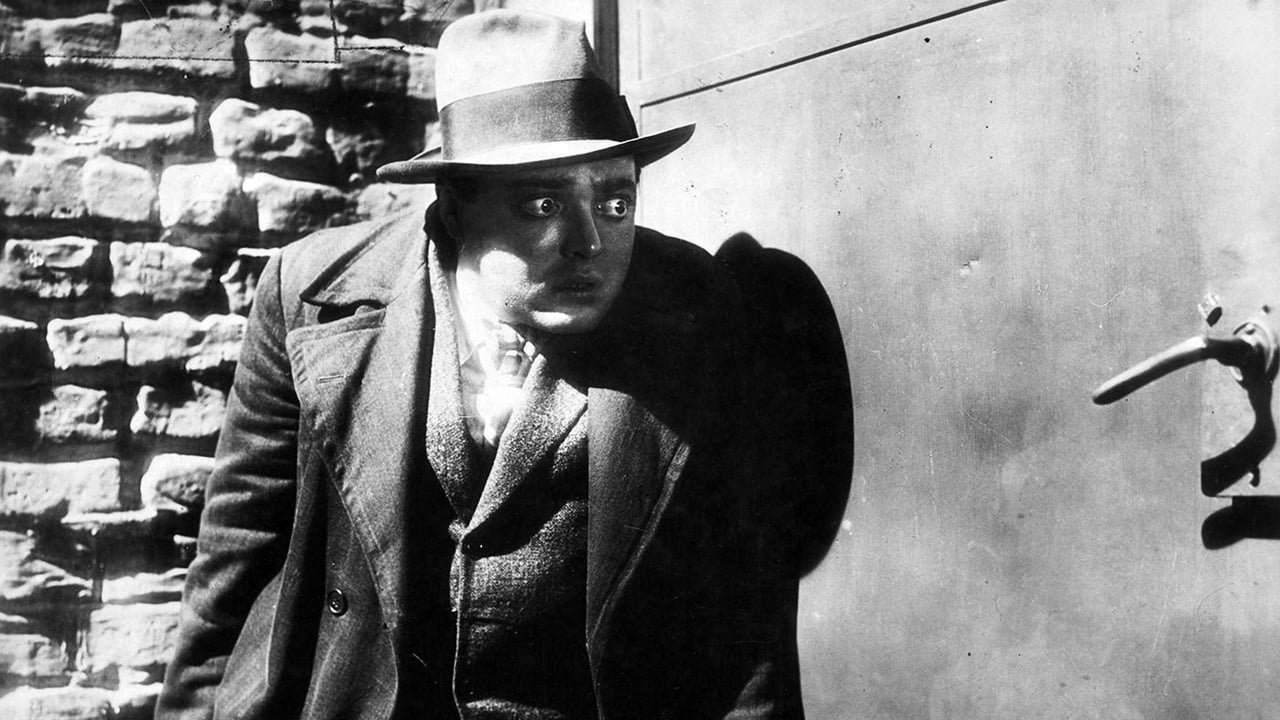
The payoff is a performance by Peter Lorre that is genuinely haunting. By the time he delivers his final, desperate monologue about the "fire" inside him, the 1931 date stamp completely disappears. You’re just looking at a human being coming apart at the seams.