The Analog Hero in a Digital World
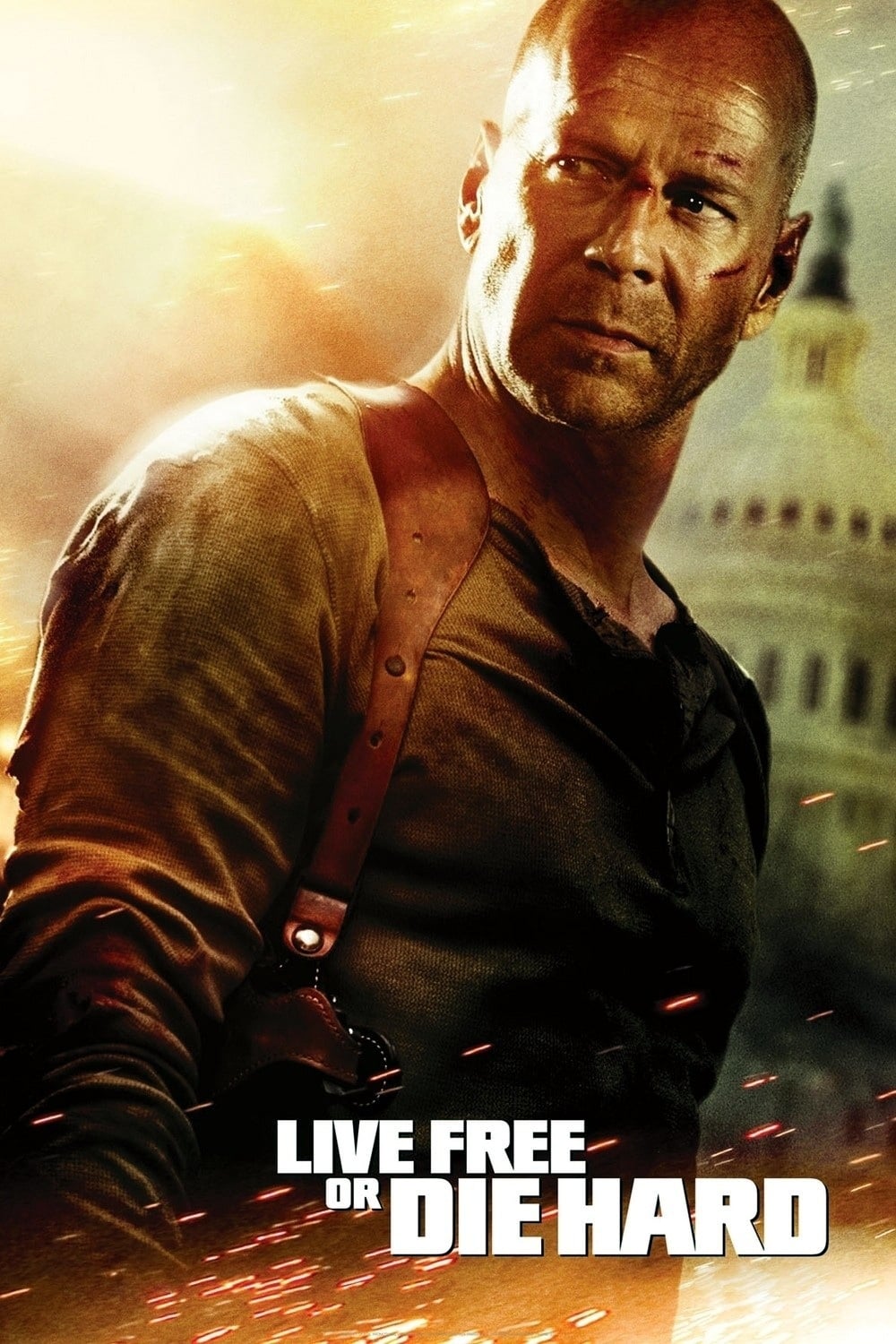
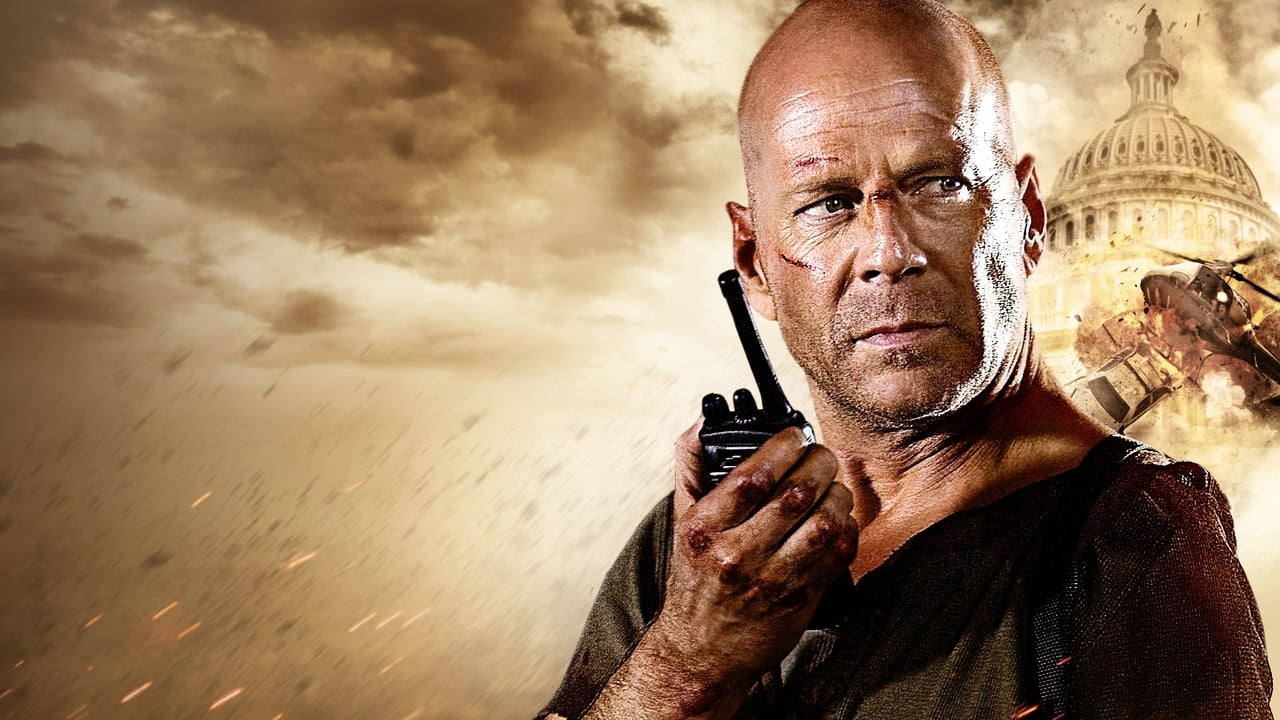
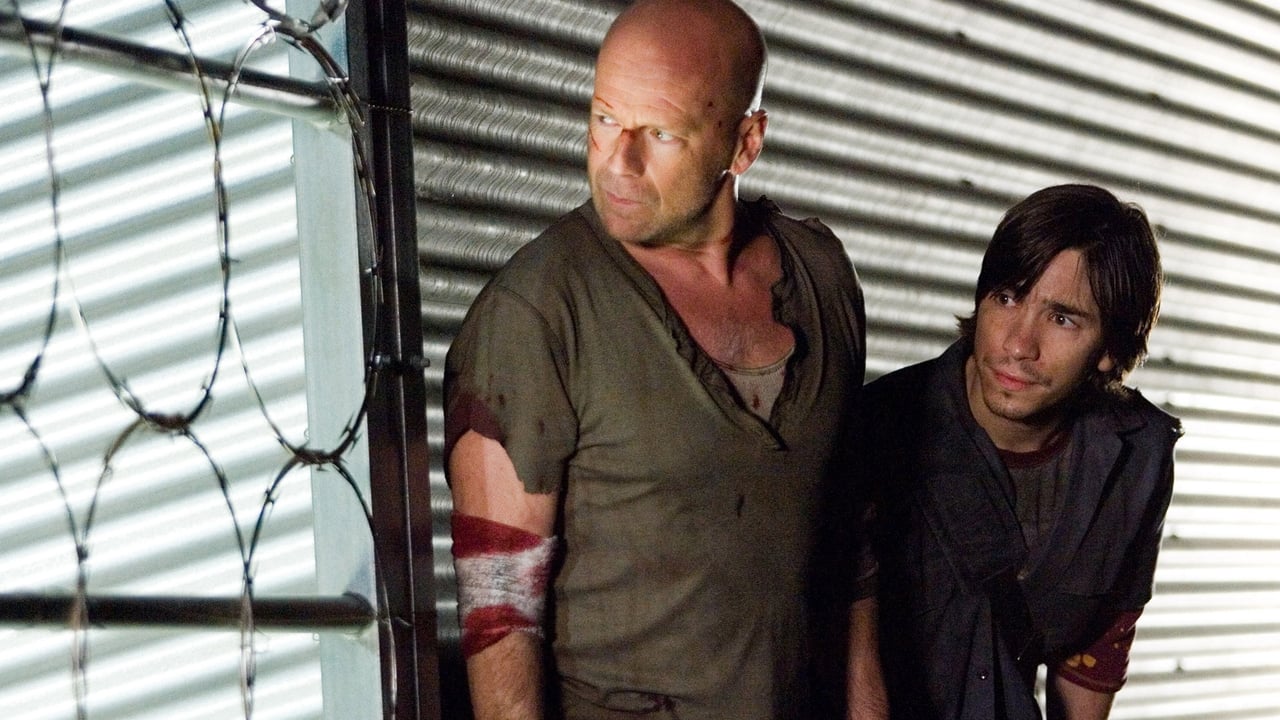
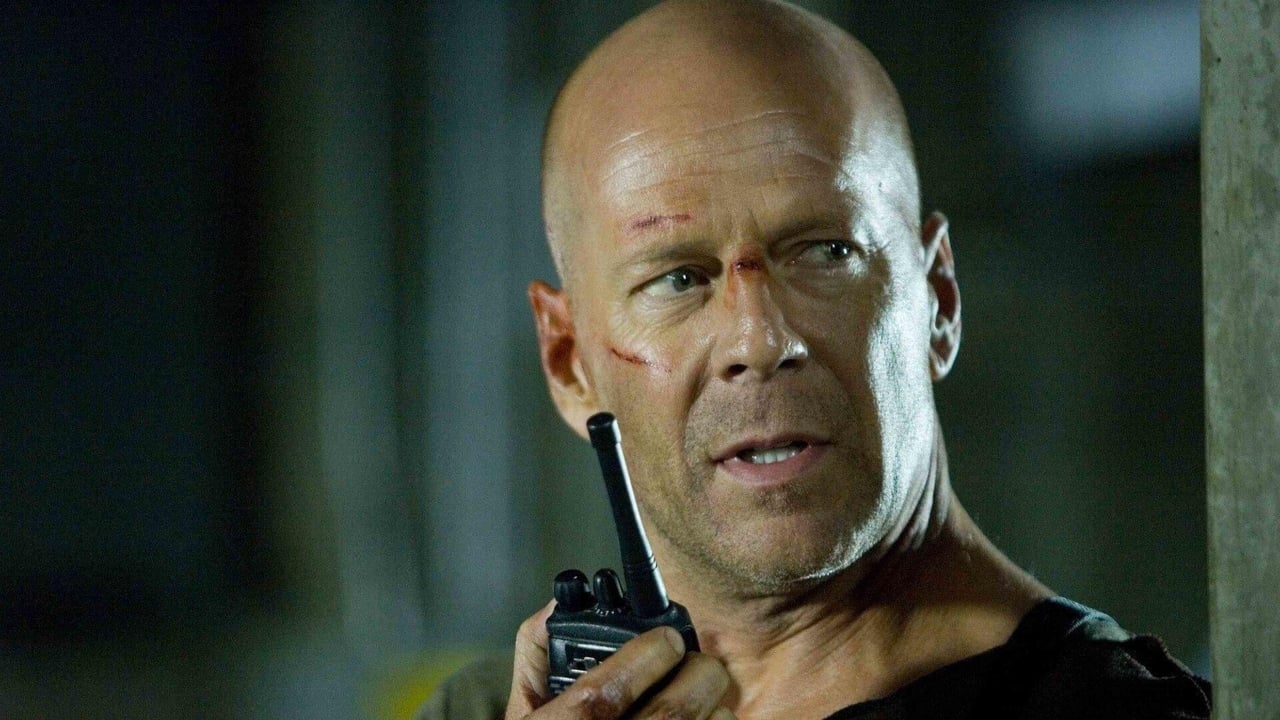
By 2026, Live Free or Die Hard has transitioned from a 'modern' sequel into a fascinating time capsule. When John McClane (Bruce Willis) is tasked with transporting a young hacker (Justin Long) to D.C., he stumbles into a 'Fire Sale'—a coordinated cyber-attack designed to shut down the U.S. power grid, telecommunications, and financial markets.
What makes this work for families is the contrast. McClane represents the physical, the tangible, and the stubborn. Matt Farrell represents the digital, the fragile, and the clever. Seeing them bridge that gap is the movie's real strength.
The Action Holds Up
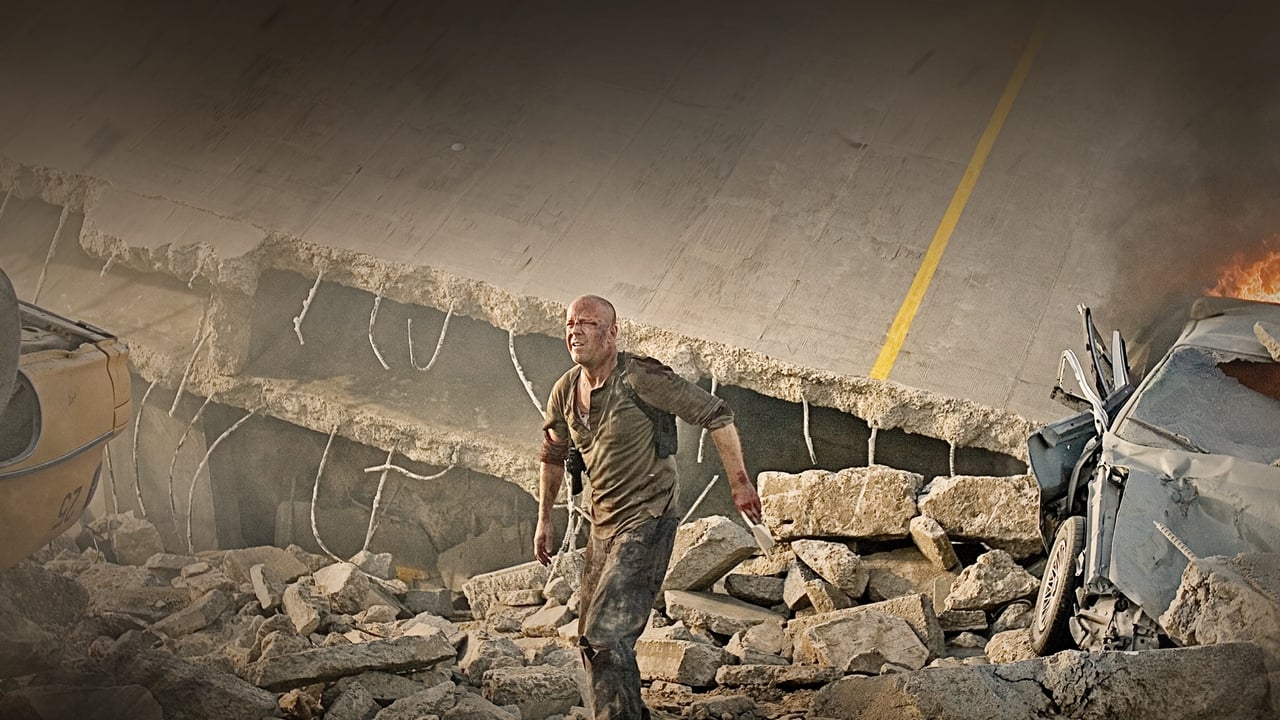
Unlike many movies from the mid-2000s that leaned too hard on early, janky CGI, director Len Wiseman kept a lot of the stunts practical. The scene where a car is launched into a helicopter is iconic for a reason—they actually did it. For a generation of kids raised on the floaty, weightless physics of Marvel movies, the 'crunch' of the action here is a breath of fresh air.
The Cybersecurity Angle
Is the hacking realistic? Absolutely not. It's basically magic. However, the implications of the attack—losing the grid, the chaos of traffic lights failing, the vulnerability of digital banking—are great talking points. It’s a perfect bridge to discussing digital literacy and why we don't put 'smart' tech on every single thing in our lives.
If you're looking to introduce your kids to the 80s action hero archetype without the 80s level of swearing and gore, this is the most intentional starting point.