The 1994 vs. 2019 Debate
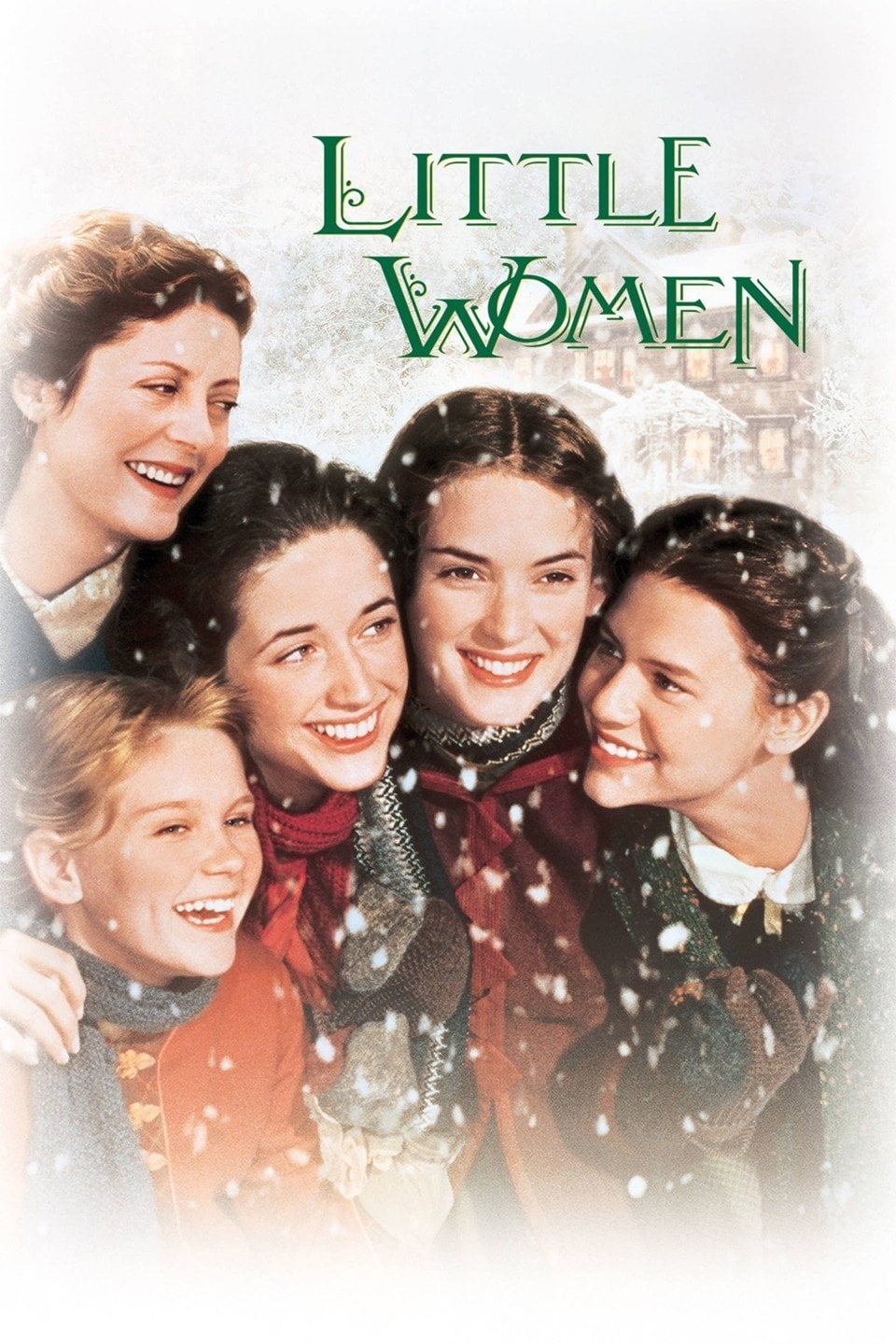
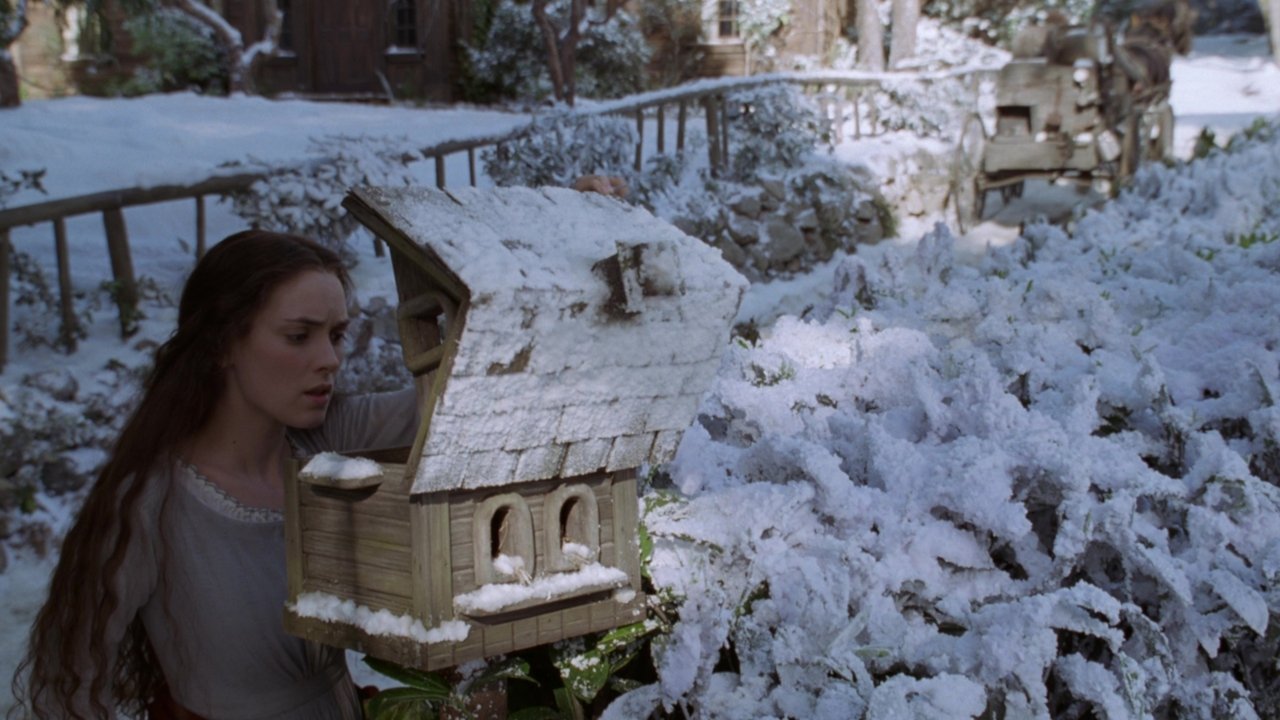
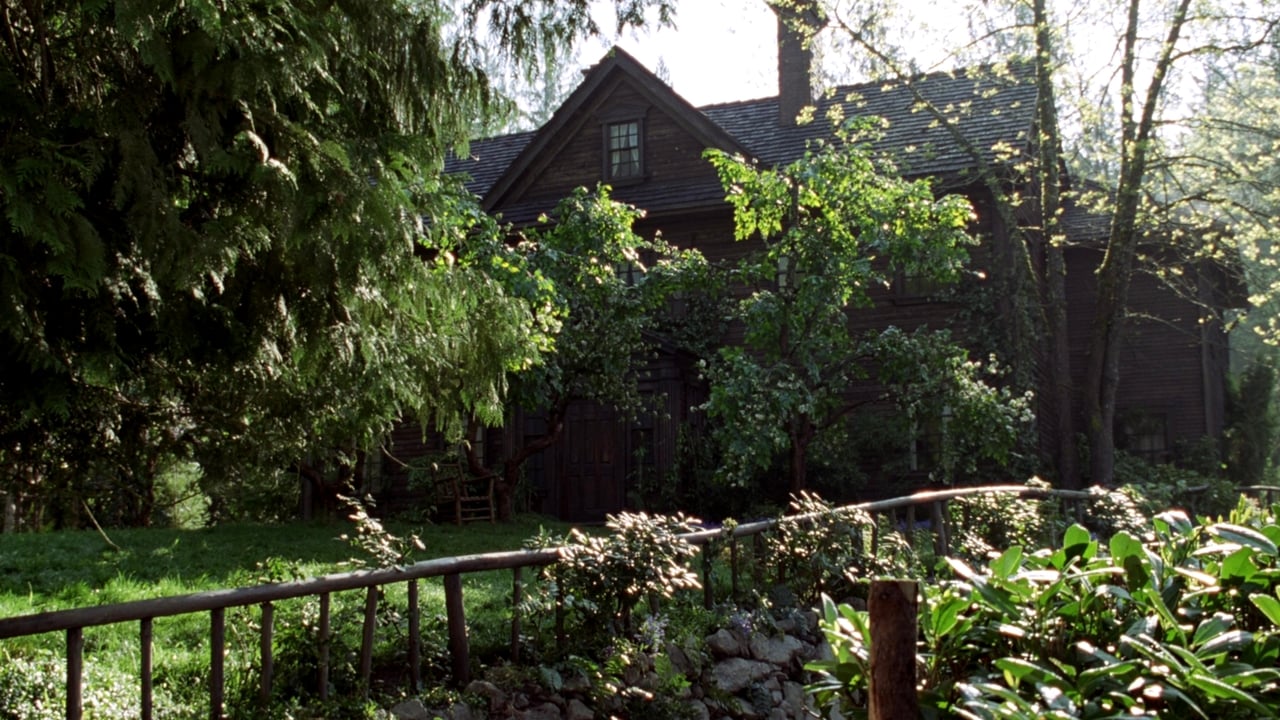
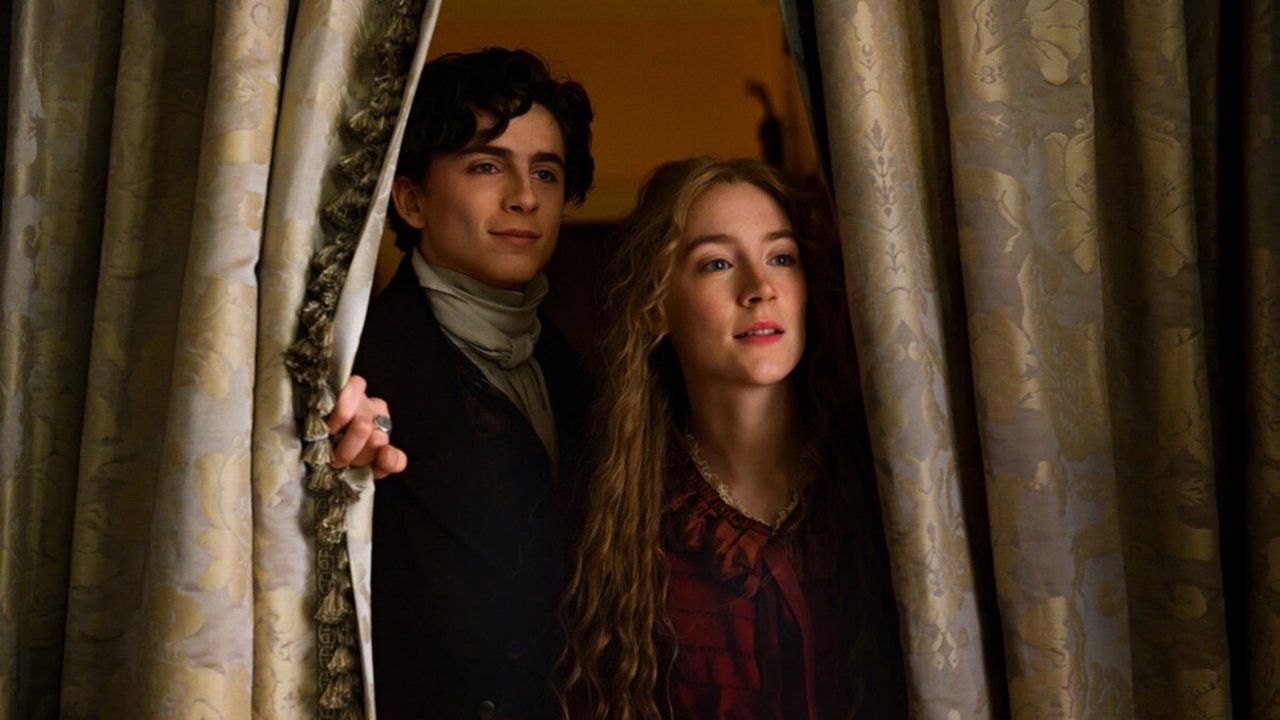
Every generation gets the Little Women it deserves, and while the 2019 version is a technical masterpiece with its non-linear timeline, the 1994 Gillian Armstrong version is the one that usually sticks with kids first. It tells the story straight, which is actually a benefit for younger viewers who might get lost in the time-skipping of the newer adaptation.
Why it works for the 'Screenwise' kid
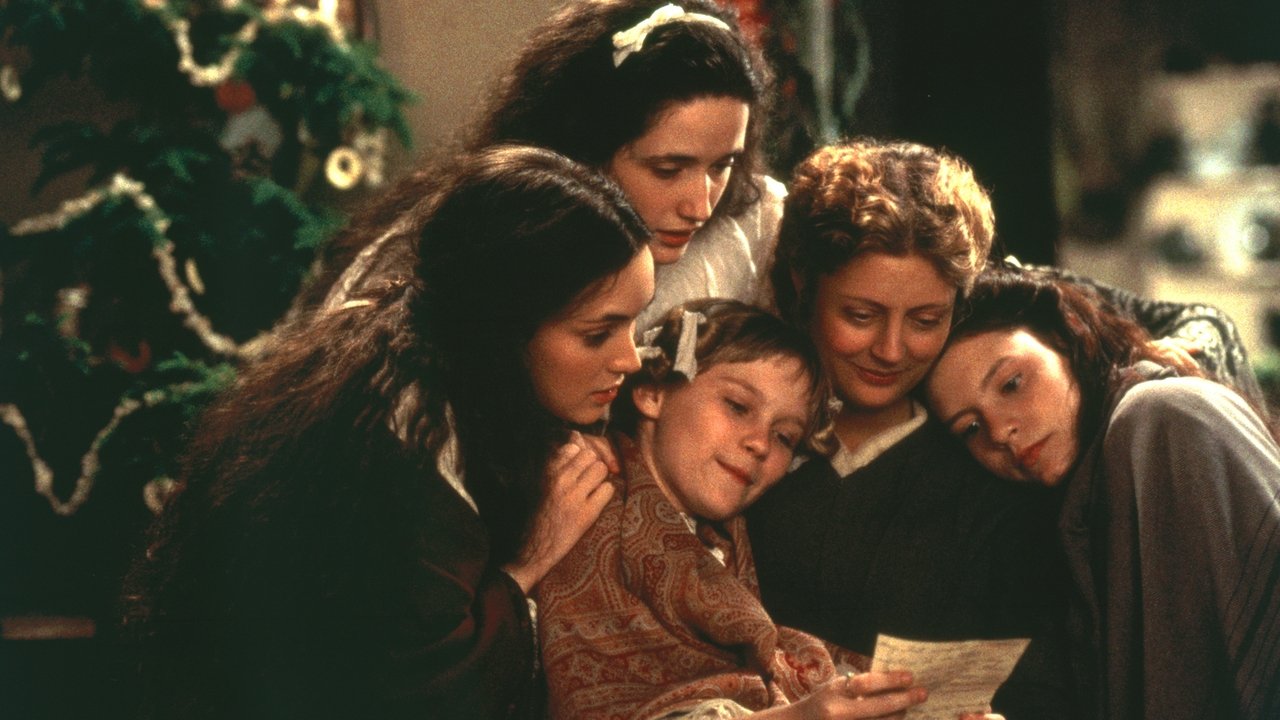
In an era of high-stimulation 'brain rot' content, Little Women is a necessary palate cleanser. It’s a story about resourcefulness. The March sisters don't have much, so they make everything: plays, newspapers, societies. It models a type of offline creativity that feels almost radical today.
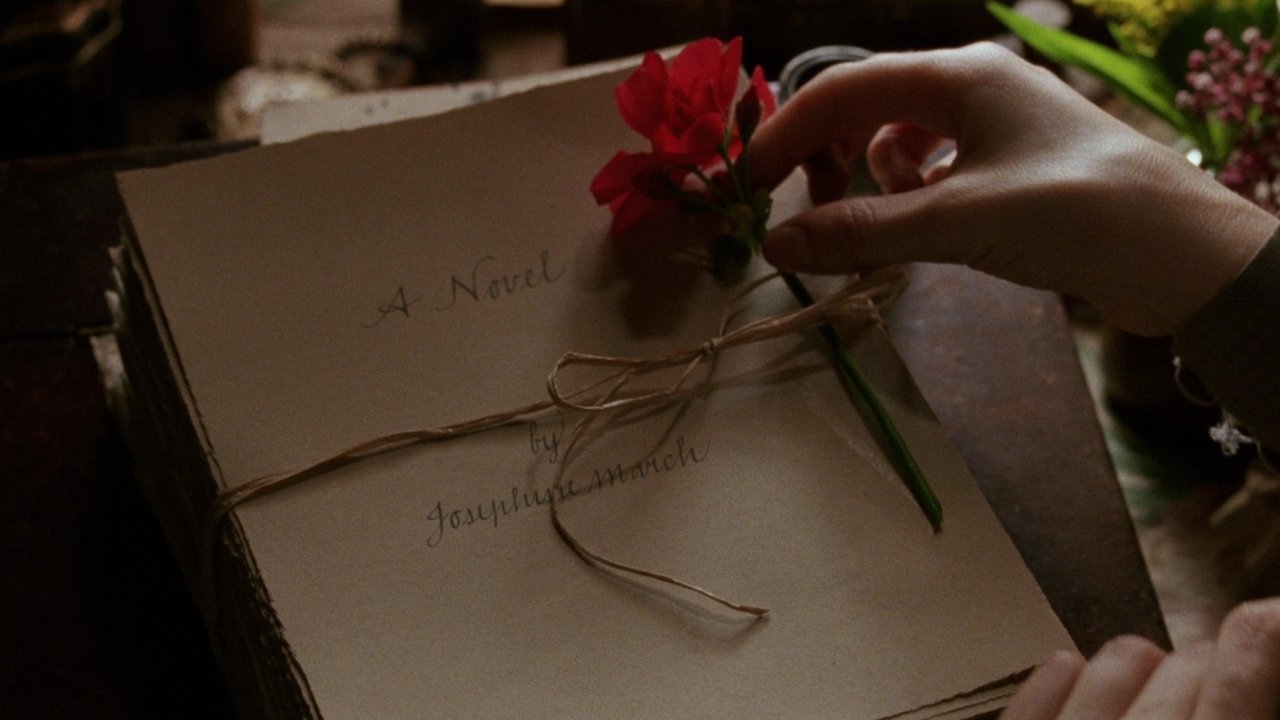
Jo March is also the ultimate 'un-influencer.' She isn't performing for a crowd; she's writing because she has something to say. For a kid navigating the performance-heavy world of social media, seeing Jo struggle with her temper and her ambition is a great reminder that being a 'work in progress' is the natural state of a human being.
A note on the 'Sad Part'
Yes, Beth dies. It’s been a spoiler for 150 years. But the way this film handles it is a masterclass in helping kids understand that loss is part of a life well-lived. It doesn't shy away from the pain, but it focuses on the legacy of Beth's kindness. It’s a great 'entry-level' sad movie—it builds empathy without being nihilistic.