Like You: Mindfulness for Kids – WISE Score & Parent Review | Screenwise
Like You: Mindfulness for Kids
podcast2020Kids & Family, Education
94%
WISE Score
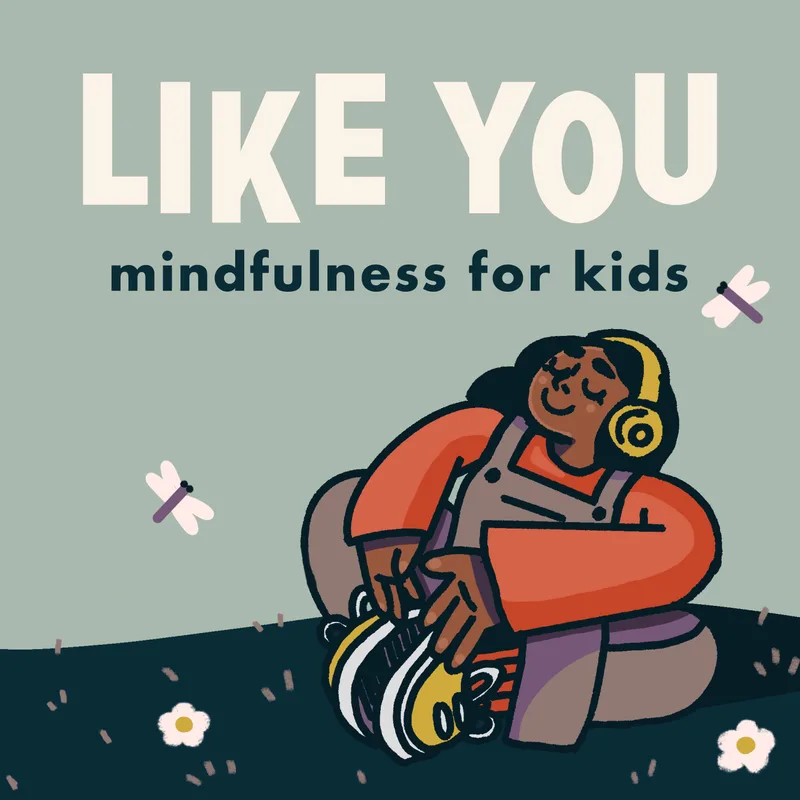
A gentle podcast that uses 'breathing superpowers' and affirmations to help kids manage big emotions without a screen.
Like You: Mindfulness for Kids
podcast
Clean, 2020, Kids & Family, Education
94%
WISE Score
A gentle podcast that uses 'breathing superpowers' and affirmations to help kids manage big emotions without a screen.
Jump to
Also rated on
Screenwise Verdict
Like You is the anti-brain-rot. It’s a beautifully produced, intentional resource that treats kids like capable humans who just happen to have big feelings they don't know how to name yet.
By leaning into audio, it builds the 'language comprehension' half of the reading rope while giving parents a much-needed break from the blue-light glow of tablets. It’s a solid, high-quality addition to any family's digital rotation, especially for those trying to move away from constant video consumption.
Age Fit
Best for ages 3 to 10. Preschoolers will love the 'breathing superpowers,' while older elementary kids will benefit from the empathy and self-esteem themes, though they may outgrow the 'festive' tone by middle school.
WISE Breakdown
Wholesome
96
The entire premise is built on self-esteem, empathy, and emotional health. It models kindness and self-regulation in a way that feels supportive rather than preachy.
Imaginative
84
Uses creative prompts and imaginative themes to guide kids through internal landscapes, making meditation feel like an exploration rather than a chore.
Safe
98
Purely audio-based and specifically designed for children. No mature themes, toxicity, or surprise content. The only 'danger' is the ads served by the podcast platforms themselves.
Enriching
92
Directly teaches social-emotional skills like breathing techniques and affirmations. It builds the language comprehension strand of literacy through focused listening.
Parent Info
✓
Why It Might Be Great
Emotional Toolbelt: Gives kids concrete ways to handle anxiety or anger before a meltdown starts.
Literacy Practice: Strengthens language comprehension through active listening and narrative structures.
Screen-Free Sanity: Perfect for car rides or the pre-bedtime 'witching hour' when you need to lower the energy in the room.
Playful Tone: It avoids the dry, clinical feel of adult meditation apps by using music and interactive questions.
⚠
What to Watch For
Platform Ads: If you're listening on a free version of Spotify or Apple, a loud, jarring insurance commercial might play right after a quiet breathing exercise.
Pacing: It is intentionally slow. High-energy kids might find it boring initially, so it's best introduced during a quiet moment rather than as a 'punishment' to calm down.
Conversation Starters
"Which affirmation did you like best today?"
"How does your body feel different after we do the breathing part?"
"If your feelings were a color today, what color would they be?"
"What is one thing you love about yourself that the podcast mentioned?"
Deep Dive
In a world where most kids' content is engineered for maximum engagement (aka bigger feelings, more screaming, faster cuts), Like You is a deliberate exhale. It’s one of the few podcasts that actually understands the developmental level of a 5-year-old without being patronizing.
The Reading Connection
We often talk about literacy as just 'eyes on a page,' but listening to a podcast like this is genuine literacy practice. It builds the vocabulary and syntax strands of the Reading Rope. When your kid is listening to a story about finding beauty in the world, they are doing the hard work of building background knowledge and verbal reasoning. It’s not a 'treat'; it’s a workout for the brain that doesn't involve the addictive loops of a YouTube feed.
How to Use It
Don't just hand over the phone and walk away. This is prime 'do it with them' territory. Listen in the car on the way to school to set the tone for the day, or play it while they're doing Legos or drawing. It works best as a background ritual rather than a 'sit down and pay attention' event. If you have a kid who struggles with transitions—going from play to dinner, or school to home—this is your secret weapon for regulating the nervous system before you ask them to put their shoes away.