More than a "Special Episode"
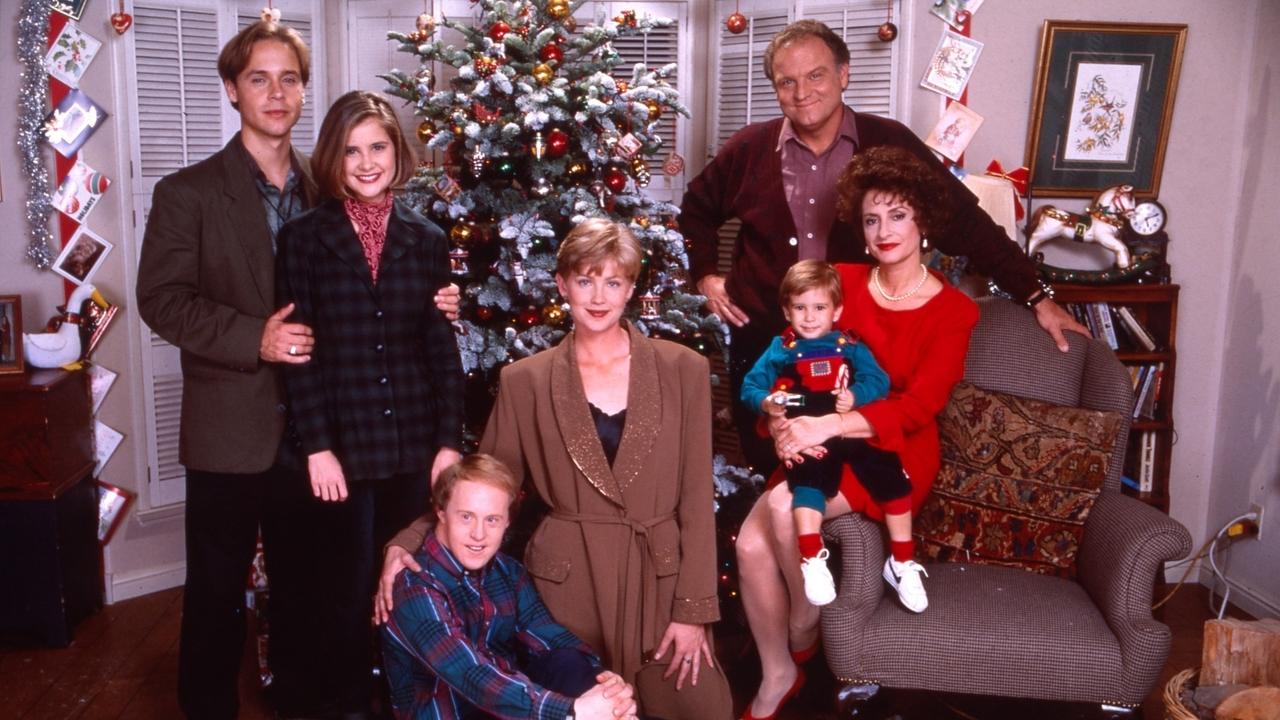
If you grew up in the 90s, you probably remember Life Goes On as "the show about Corky." While that's true, it’s a disservice to how the series actually functioned. Most shows of that era treated disability as a plot point for a single week—a lesson for the "normal" characters to learn. This show did the opposite. It made Corky Thatcher a lead, with his own desires, frustrations, and romantic interests that had nothing to do with being an inspiration.
The 7.2 IMDb score reflects a show that was genuinely beloved, but you have to prepare your kids for the fact that this is a slow-burn family drama. There are no explosions, no high-concept hooks, and the "action" usually involves someone sitting at the kitchen table feeling misunderstood. If your family enjoyed the grounded, messy realism of Parenthood or the neurodivergent focus of Atypical, this is the direct ancestor of those shows.
The Jesse Turner pivot
About halfway through its run, the show pulls a massive tonal shift that often catches modern viewers off guard. It moves from being primarily about Corky’s "mainstreaming" in high school to a heavy, serialized drama about the AIDS crisis through the character of Jesse.
This isn't a spoiler so much as a roadmap for parents. The early seasons feel like a standard (if high-quality) family sitcom. The later seasons become an intense exploration of terminal illness and social stigma. It’s arguably some of the best television of the era, but the emotional weight triples. If you have a kid who is sensitive to "sad" media, you might want to stick to the first two seasons where the stakes are mostly about high school dances and sibling rivalry.
Dealing with the 1989 of it all
The biggest hurdle for a 2026 teenager isn't the themes—it’s the pacing. Television in 1989 didn't feel the need to justify every second with a "hook." There are long silences. There are subplots about Drew’s construction business that feel like they belong in a different, more boring show.
To make this work today, I recommend a "curated" viewing approach. You don't need to grind through every single episode of the Thatcher family's life. Pick the major arcs:
- Corky’s first steps into the regular classroom.
- Becca’s evolving relationship with Jesse.
- The family’s internal conflicts over Paige’s career choices.
Watching it this way keeps the momentum up and prevents the "this is so old" complaints from taking over. It’s a show that rewards patience, but in an age of 15-second clips, you might need to be the one holding the remote and skipping the fluff. It’s worth the effort because the Thatcher family feels real in a way that many modern, polished TV families don't. They argue, they make bad decisions, and they don't always find a perfect resolution by the time the credits roll.