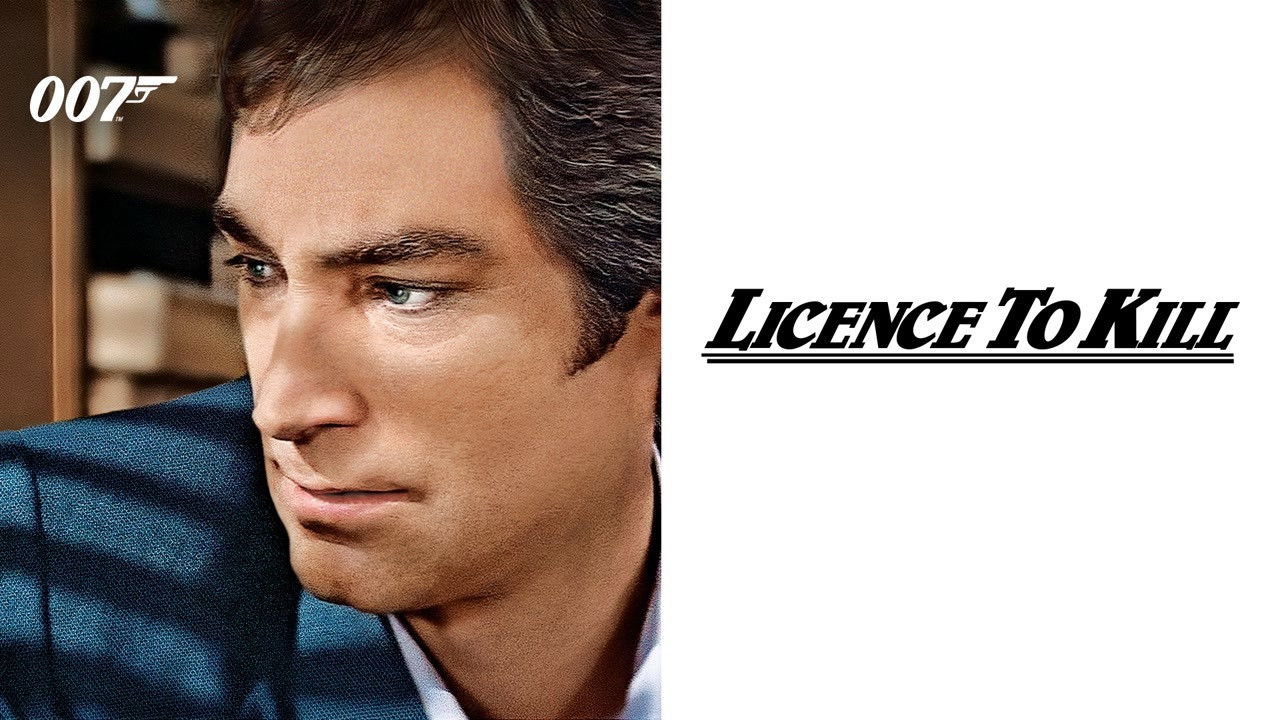
The "Angry Bond" experiment
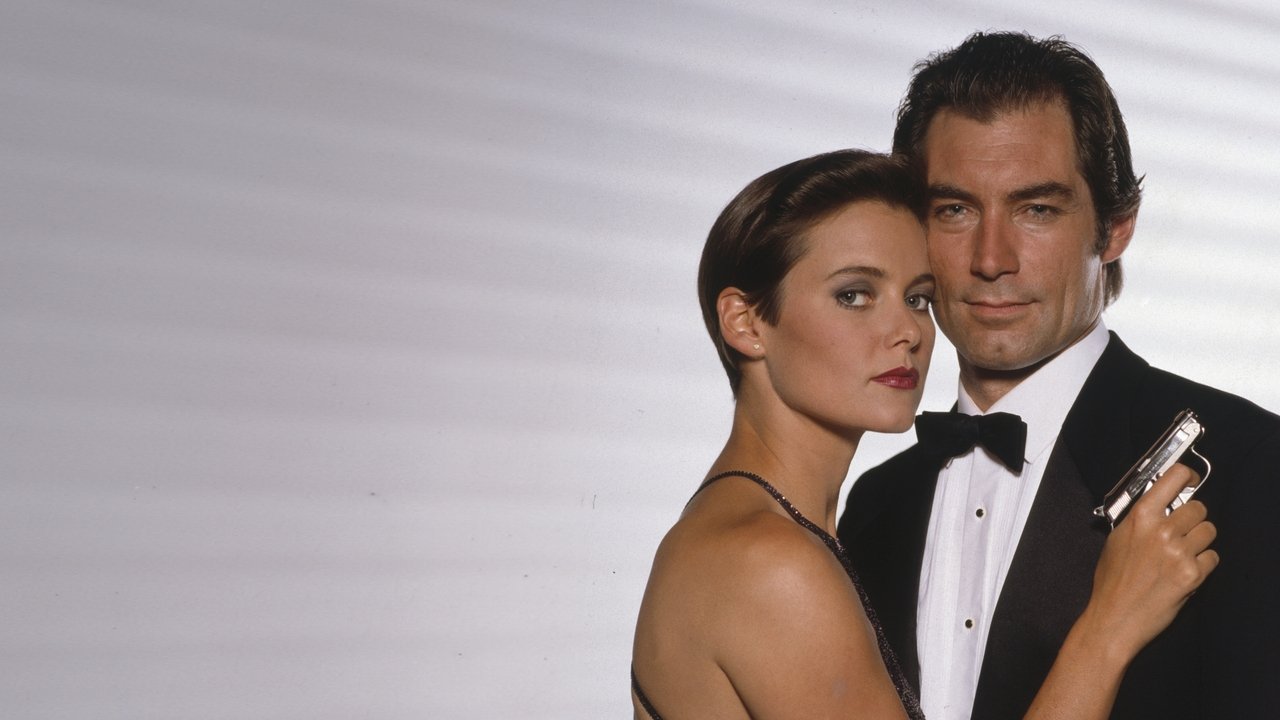
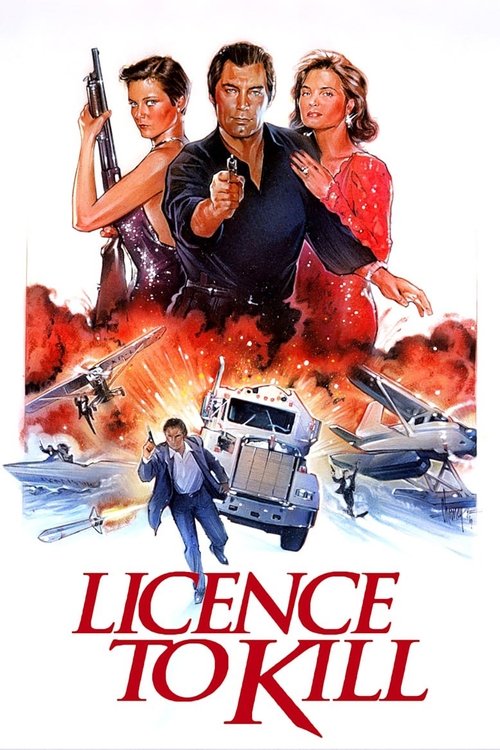
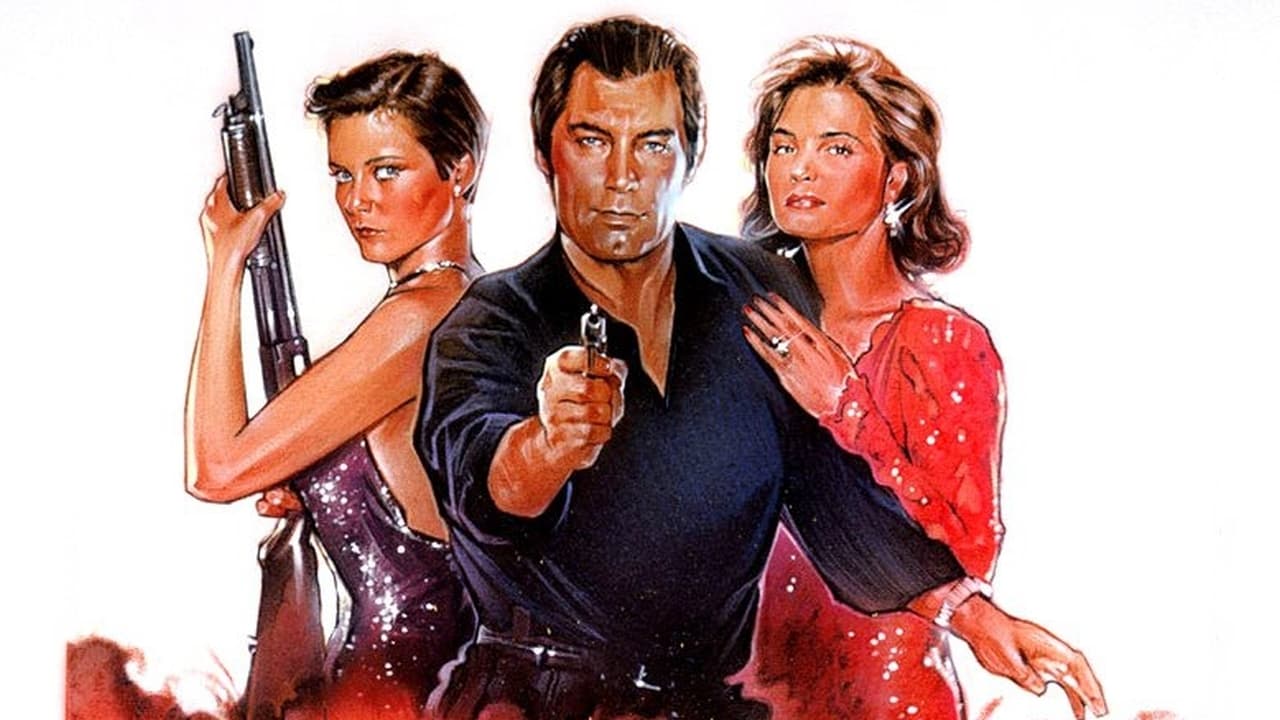
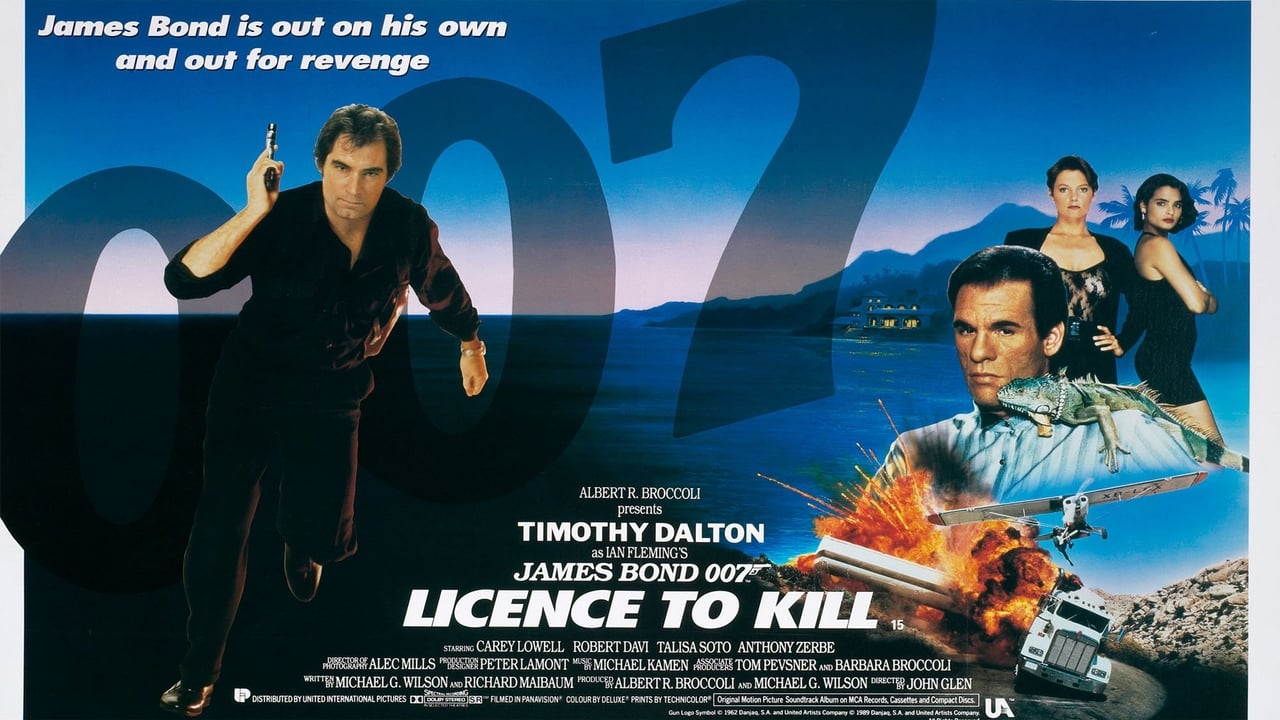
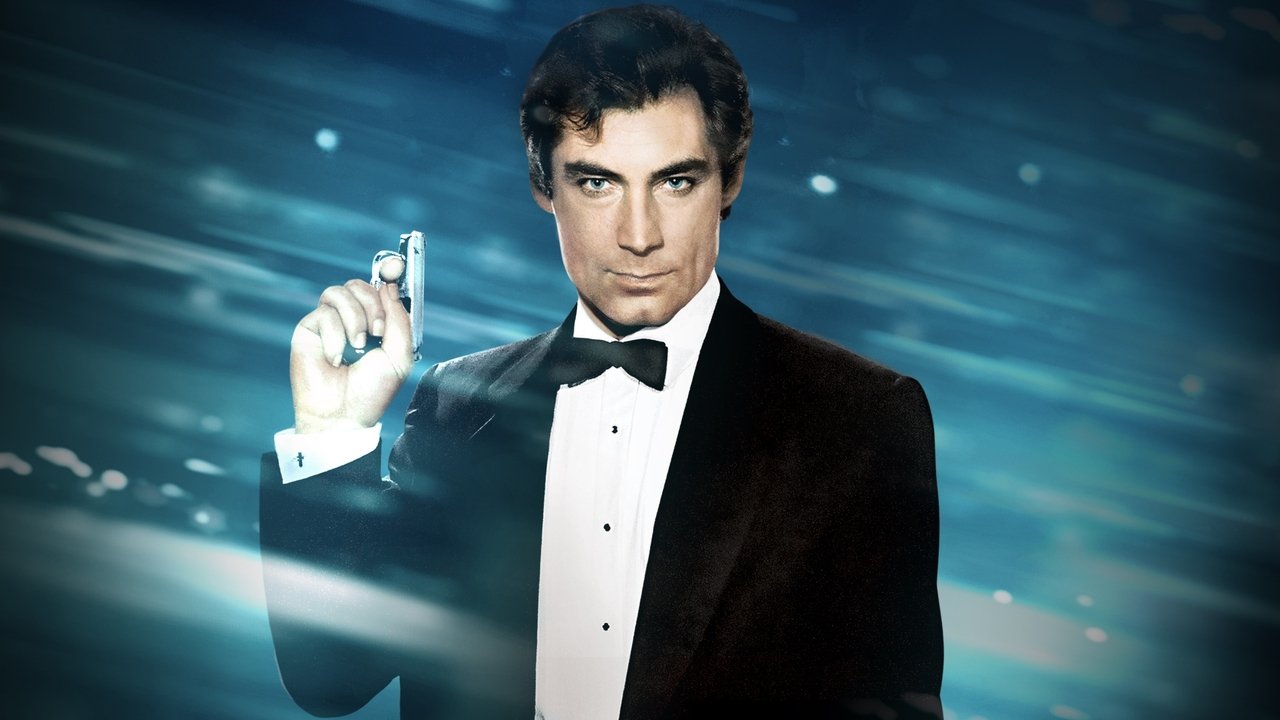
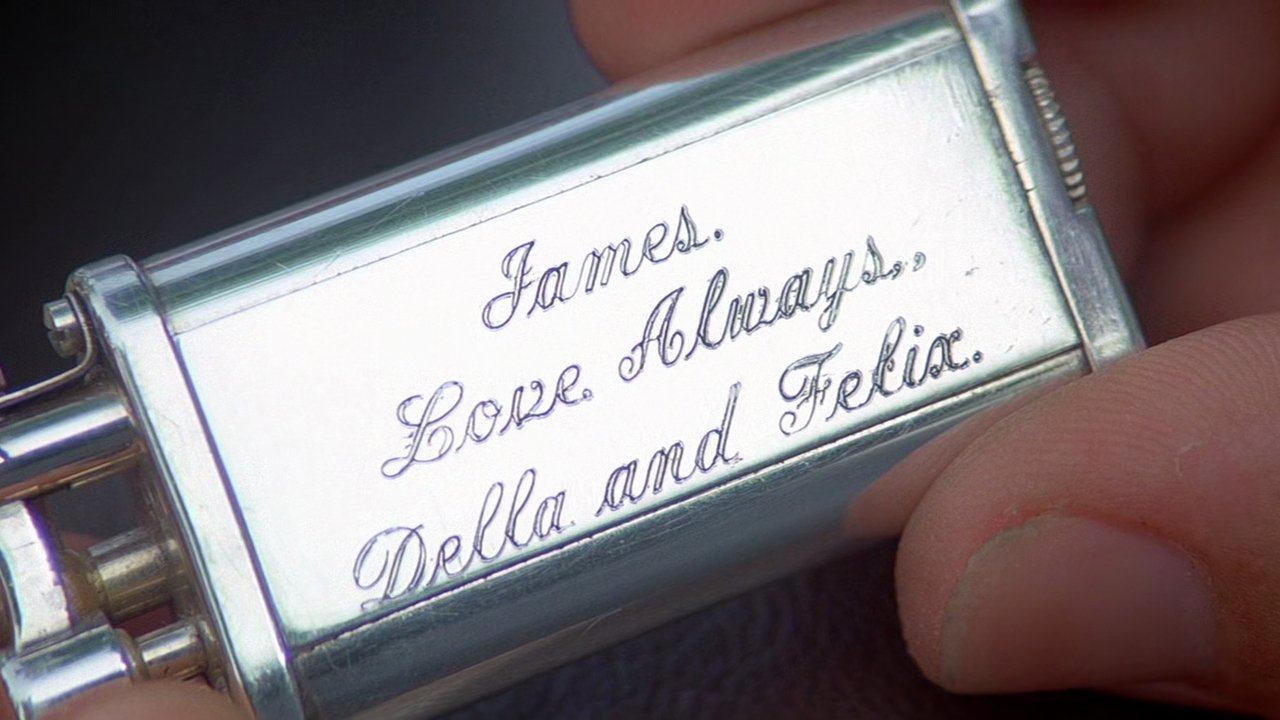
If you grew up on the campy, eyebrow-arching gadgets of the 1970s, License to Kill is going to feel like a cold shower. This is the moment the franchise tried to grow up and get mean. Timothy Dalton’s take on the character is often cited by critics as the direct ancestor to the Daniel Craig era. He isn't saving the world from a space station; he’s a man on a vendetta because his best friend was fed to a shark.
When navigating the James Bond: From Legacy Lore to the Next 007 timeline, this is the hard left turn. It’s the first time the series really interrogated whether being a "00" agent makes you a hero or just a high-functioning sociopath. If your teenager finds the older films "cringe" because of the cheesy puns, Dalton’s simmering, barely-contained rage might actually win them over.
Stunts that actually hurt
While modern blockbusters lean on digital effects to create scale, this movie is a masterclass in practical chaos. The final twenty minutes involve a fleet of oil tankers, several Kenworth trucks, and a lot of actual fire. There is a weight and a physics to the action here that you just don't get in a Marvel movie.
The tanker chase is widely considered one of the best-executed sequences in action history. Watching a massive semi-truck do a "wheelie" to avoid a missile isn't just a cool visual; it’s a reminder of a time when stunt performers really put their lives on the line for a shot. For a kid raised on CGI, seeing the real-world destruction of 1980s hardware is a great way to talk about the craft of filmmaking before everything became a green screen.
The Miami Vice influence
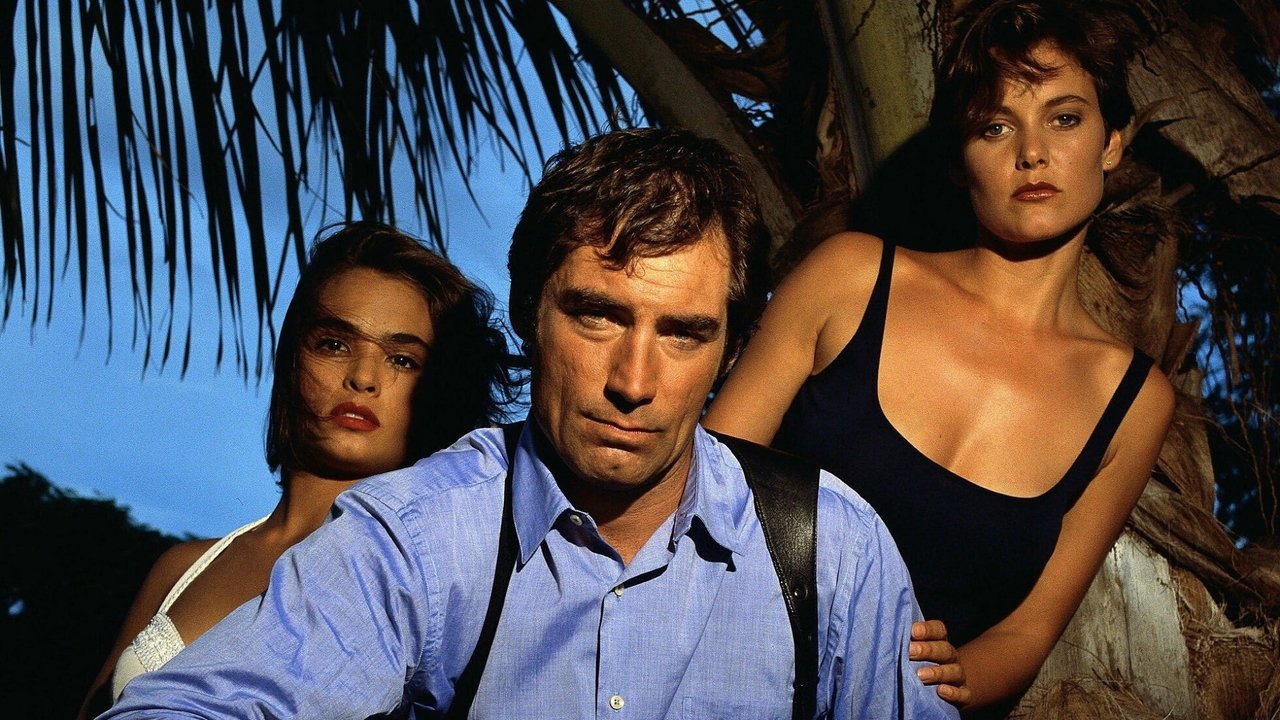
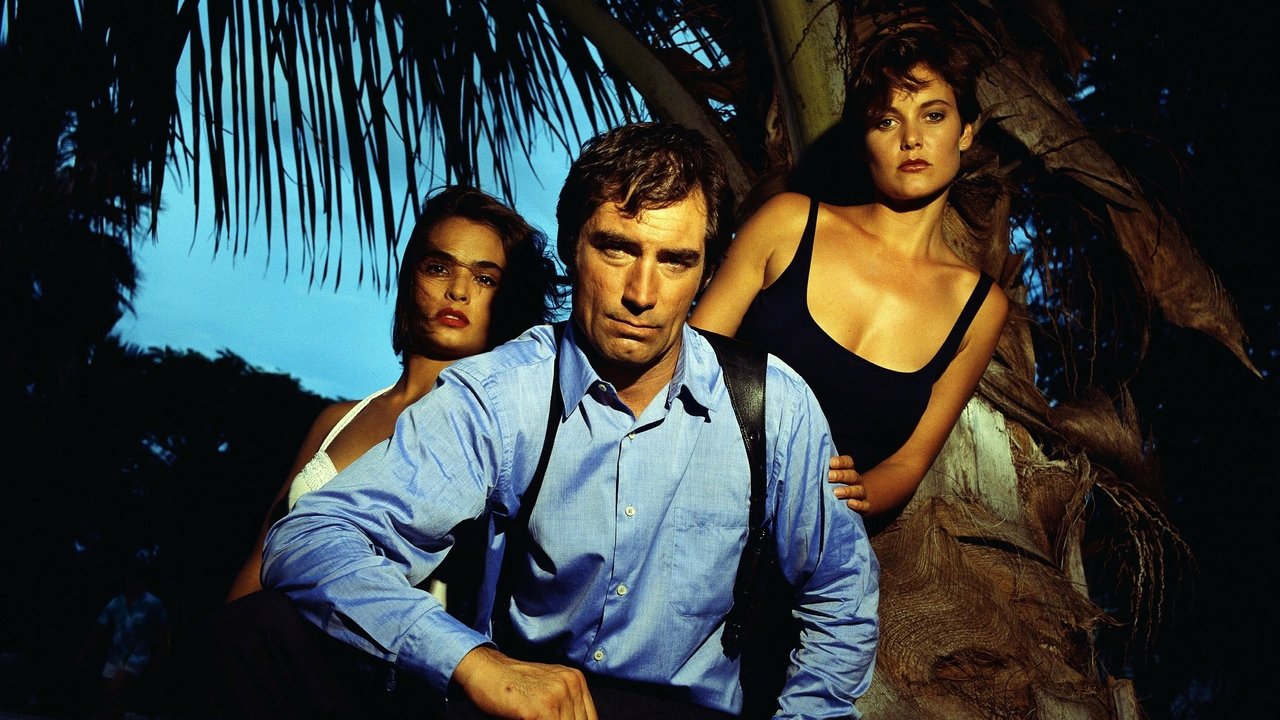
You can’t watch this movie without feeling the heavy influence of 1980s television. It trades the usual European ski resorts and volcanic lairs for the sweaty, neon-and-pastel grit of Florida and South America. It feels less like a traditional spy caper and more like a high-budget episode of Miami Vice.
This shift makes the movie feel more grounded, but also more cynical. The villains aren't trying to take over the world with a giant laser; they are drug traffickers trying to protect their profit margins. It’s a "war on drugs" movie through and through. If you’re watching this with a teen, it’s a perfect opening to discuss how the "bad guy" tropes in movies usually reflect whatever the real-world news is obsessing over at the time. This isn't a fantasy; it’s a 133-minute snapshot of 1989’s cultural anxieties.