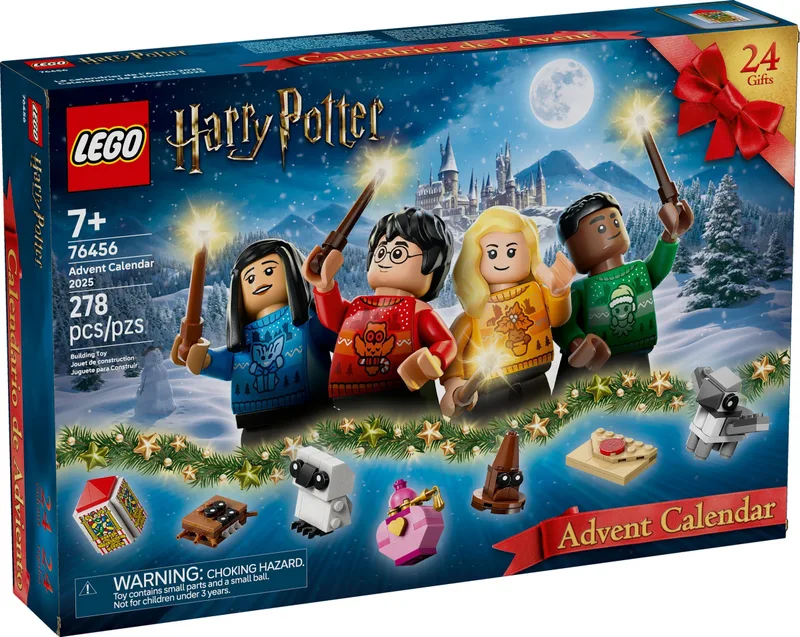
It is a December staple for a reason. Swapping disposable junk for 24 mornings of quick building is an easy win for families who like low-stress holiday rituals.
You will get a few filler days where the door yields three brown bricks shaped like a bench, but the exclusive minifigures and micro-scale iconic props make up for the lulls.
Age Fit
The box says 7+, but a focused 6-year-old can handle these 10-to-15-piece micro-builds without help. Anyone under three needs to stay away due to tiny choking hazards.
WISE Breakdown
Wholesome
95
Offers a cozy daily tradition that trades disposable plastic or sugar for hands-on building and quiet morning focus.
Imaginative
88
Micro-scale builds and mini-figures spark storytelling and easily integrate into larger custom LEGO creations.
Safe
98
Manufactured to high global safety standards. Small parts present a choking risk for kids under three, but standard for brick sets.
Enriching
82
Builds spatial logic, visual instruction reading, and daily practice in delayed gratification.
Parent Info
✓
Why It Might Be Great
Built-in delayed gratification that works because opening a door to find Harry Potter or a tiny Hogwarts Express is genuinely fun.
High replay value compared to paper or cardboard calendars, as every piece gets dumped directly into the main brick bin on Christmas Day.
Quick five-minute routine that fits into hectic December school mornings without turning into a screen battle.
⚠
What to Watch For
Inevitable filler days where the box door yields a micro-table or a pair of gray bricks that look like nothing until you check the flap diagram.
Micro-pieces on the carpet that vanish instantly if your kid opens doors sitting on a rug before breakfast.
Conversation Starters
"Which movie or book scene does today's mini-build come from?"
"If you were designing door 24, which minifigure or prop would you put inside?"
"Can we combine all 24 tiny builds into one weird custom scene?"
Deep Dive
The December Routine Win
Most advent calendars leave you with a trail of cheap foil wrappers or flimsy plastic trinkets destined for the trash by New Year's Eve. The LEGO Harry Potter Advent Calendar avoids that trap by giving kids physical toy pieces that immediately merge into their existing play setup.
Each door contains a bagged micro-set, usually averaging around 10 to 15 pieces, with the assembly instructions printed directly on the inside of the door flap. The progression alternates between minifigures (like Harry, Hermione, or thematic variants) and micro-scale Wizarding World props—think tiny train cars, miniature Great Hall tables, or micro-scale models of the Knight Bus.
Managing the Filler Days
Set expectations early about the pacing. LEGO calendars follow a specific design rhythm: a high-value minifigure every few days, offset by structural utility builds like lamp posts, fire places, or festive tables. Younger kids sometimes get disappointed when door #12 turns out to be a tiny brown pedestal. Pointing out how those small structural builds serve as the backdrop for their minifigures helps reframe those lower-key mornings.