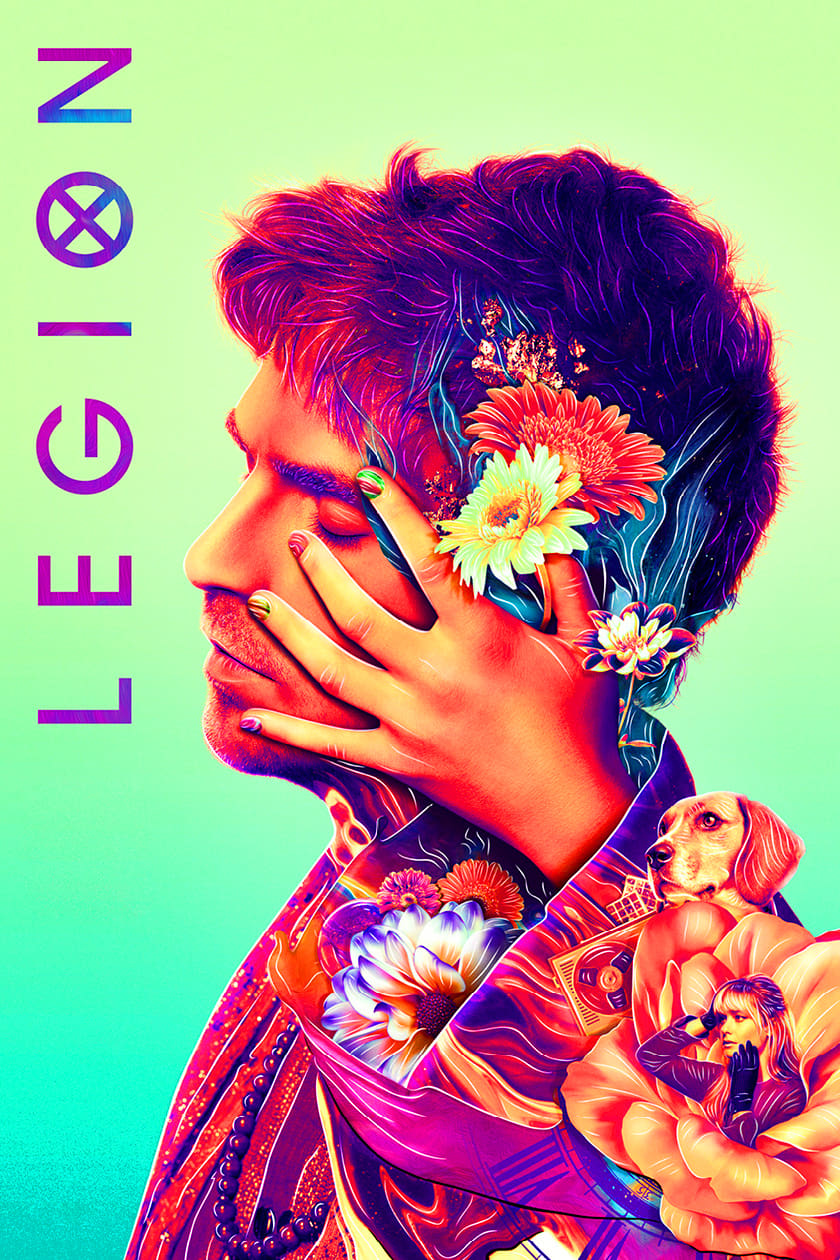
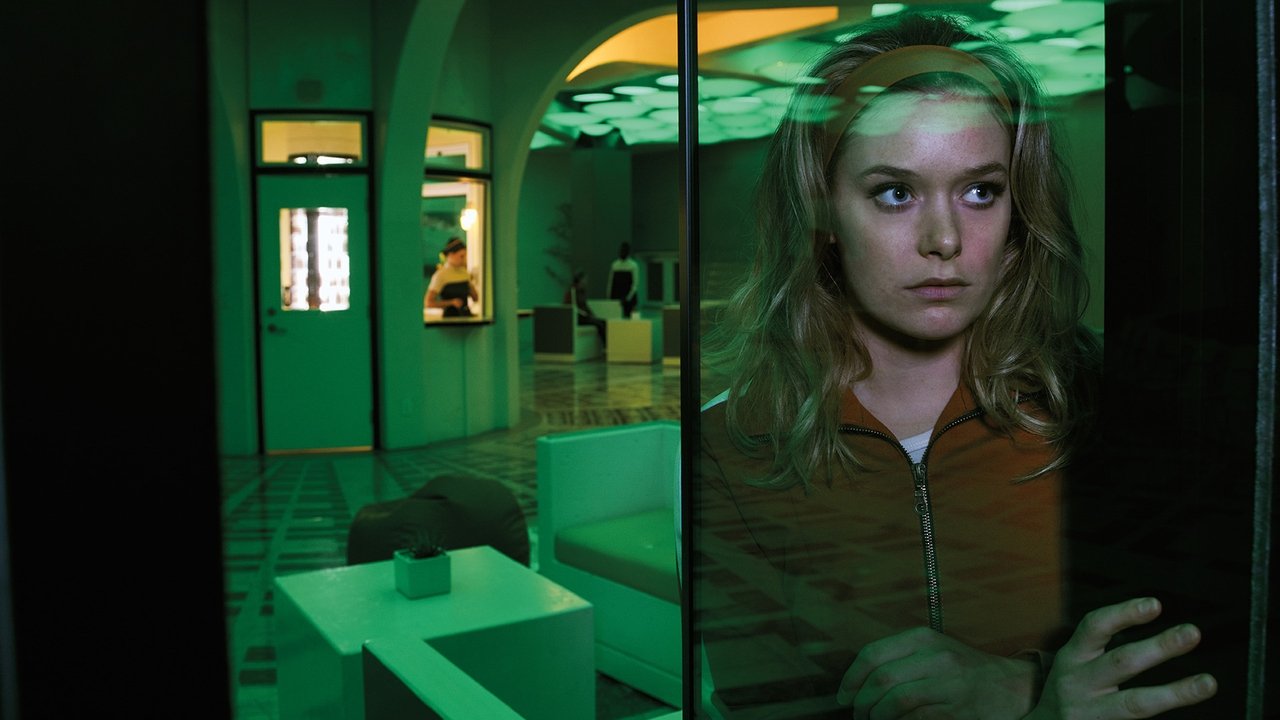
The anti-Marvel superhero show
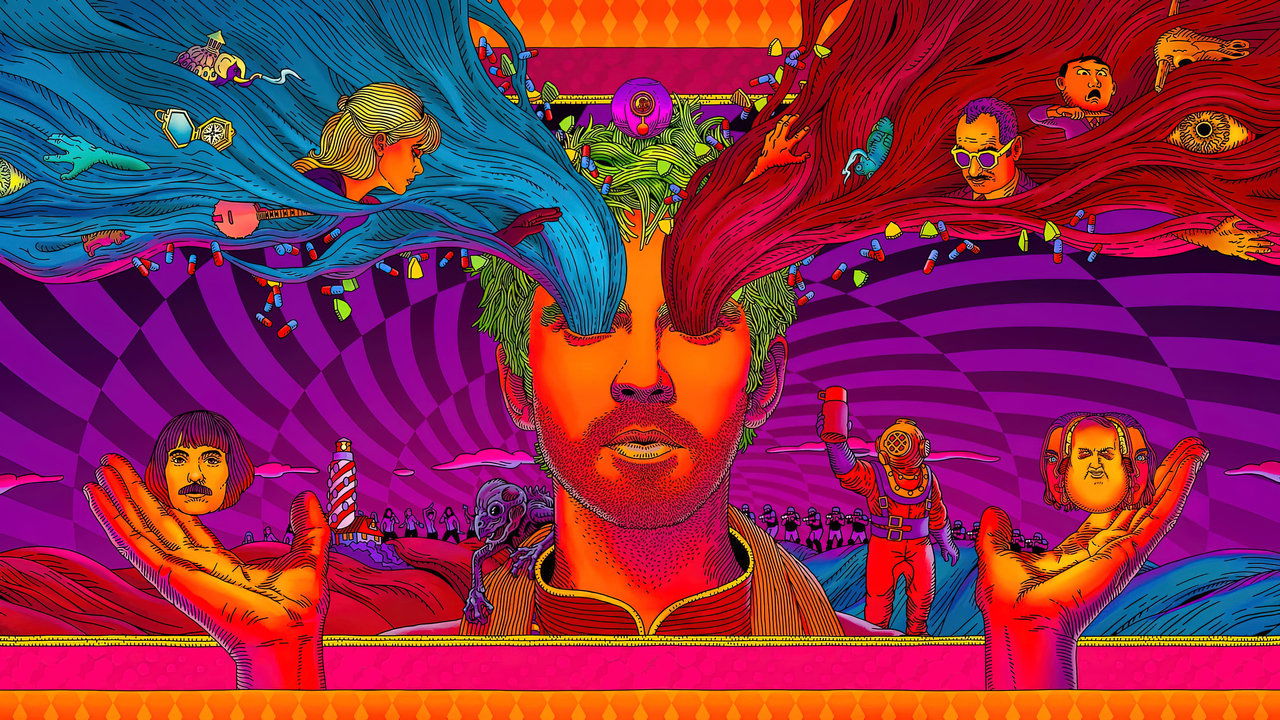
When Legion premiered on FX in 2017, superhero fatigue hadn't even peaked yet, and Noah Hawley was already deconstructing the genre. You won't see a single costume, an Avengers-style sky beam, or a standard three-act punch-out. Instead, when two telepaths fight in the astral plane, the show stages it as a 1920s silent horror film, a Bollywood dance routine, or a musical battle set to Behind Blue Eyes.
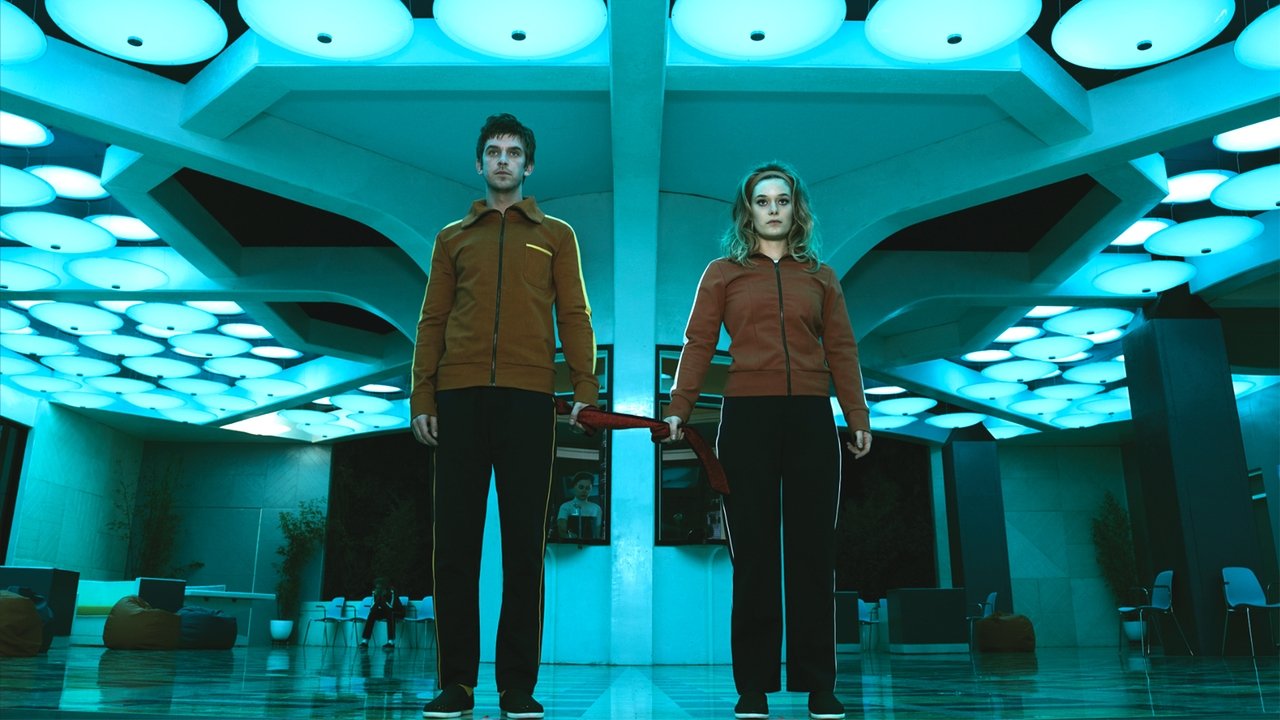
That refusal to play by comic-book rules is what makes Legion thrilling for a 16- or 17-year-old who cares about how movies and TV are made. Every frame is doing work. In Season 1, the aspect ratio physically squeezes inward when David is trapped in his own head, and widens to widescreen when he breaks through to reality. Production designer Michael Wylie filled the sets with mid-century retro-futurism alongside modern tech so you can never quite tell what decade the story is happening in—mirroring David's own temporal confusion.
Where the tone shifts—and why parents of teens should know
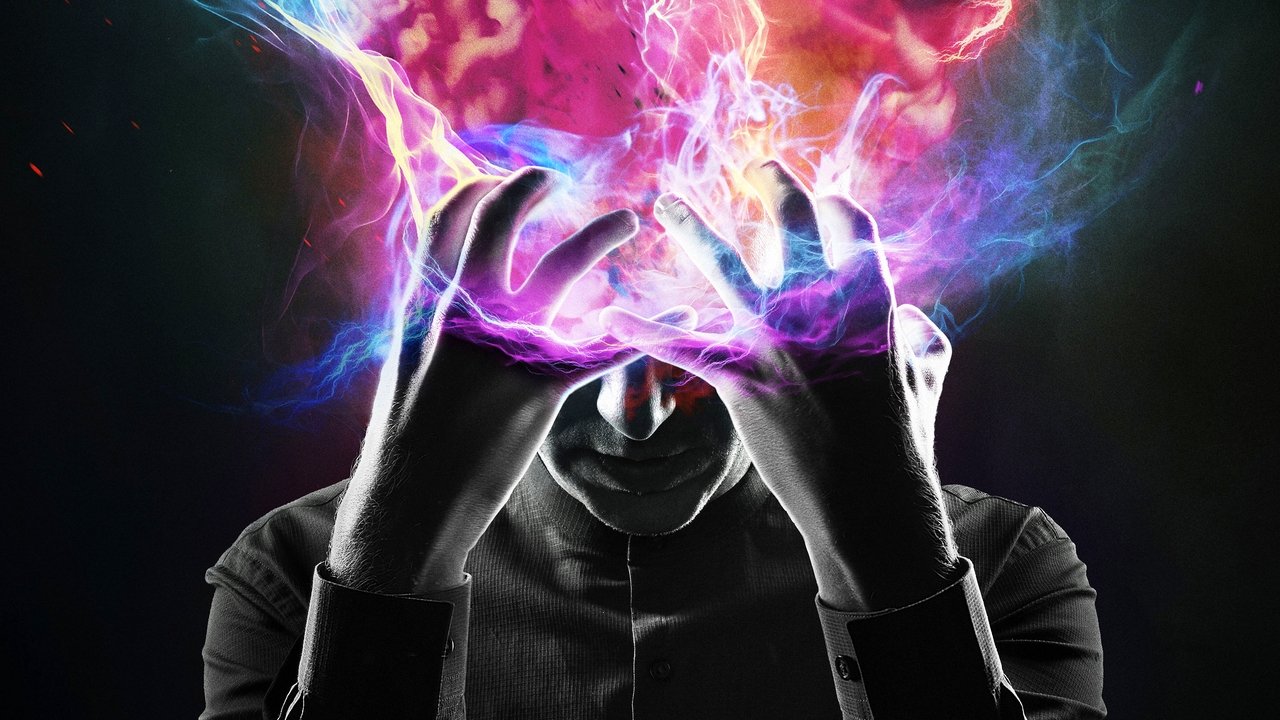
Season 1 plays like a classic haunted-house thriller where the house is David's brain. The horror is visceral: the manifestation of the Shadow King (played in its grotesque monster form by Quinton Boisclair and later with suave menace by Navid Negahban) lurks in the corners of frames before lunging at the camera. If your teen hates jump scares or grotesque body horror, Season 1 will test them.
Seasons 2 and 3 pivot from visual horror into moral horror. In the comics, David Haller is rarely a straightforward hero, and Hawley commits to that. By the end of Season 2, David realizes his friends view him as the biggest threat to the world. When his partner Syd (Rachel Keller)—whose mutant power makes skin-to-skin contact swap bodies, giving her deep boundaries around physical touch—confronts him, David wipes her memory of the argument and has sex with her in the astral plane. The show does not gloss over this; it treats it as sexual assault and the moment David tips into villainy. It's a dark, sophisticated narrative choice that sparks intense debate, and it's worlds away from typical superhero morality plays.