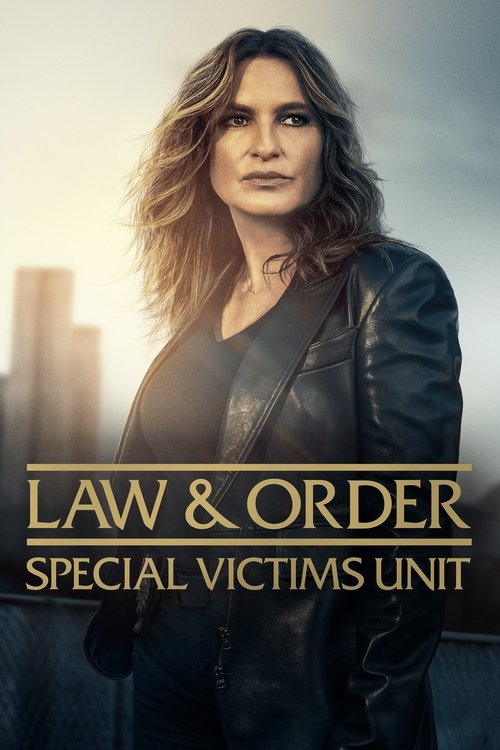
Since its debut in 1999, Law & Order: Special Victims Unit has morphed from a gritty spin-off into a permanent fixture of the cultural landscape. It is the television equivalent of a weighted blanket made of barbed wire. For many adults, there is a strange comfort in the "dun-dun" and the predictable rhythm of the squad room, but that comfort is built on a foundation of the worst things humans do to one another.
The true crime pipeline
If you have a teen who has spent the last year listening to true crime podcasts or watching dramatized serial killer limited series, SVU is likely on their radar. It’s the "final boss" of the genre. While shows like CSI focus on the science and Criminal Minds focuses on the profile, SVU focuses on the survivor.
This shift in perspective is why the show has such a loyal following, but it’s also why it’s a minefield for parents. The show doesn't just depict crime; it depicts the violation of bodily autonomy. If you’re trying to decide if your teen is ready for the heavy themes of consent and systemic failure, check out The ‘Dun-Dun’ Dilemma: Is Law & Order: SVU Too Mature for Your Teen?. It helps break down whether the show’s educational value outweighs the potential for trauma.
Ripped from the headlines (and the past)
The show’s bread and butter is the "ripped from the headlines" episode. If a celebrity scandal or a high-profile court case happened six months ago, you can bet there’s an SVU version of it. For a mature viewer, these episodes can be a fascinating way to process real-world news. For a younger viewer, they can be confusing, blurring the lines between fiction and reality.
The squad has seen a massive amount of turnover since the Clinton administration. If you’re jumping into a recent season and wondering where the original detectives went—or who the new faces are—our 2025 Law & Order Cast Guide can get you up to speed on the current lineup.
How to watch without the trauma
You don’t have to watch all 25+ seasons to "get" SVU. In fact, doing so is a recipe for a very dark weekend. The show is best consumed in doses. Because it’s a procedural, you can skip around. If you’re looking for a way to introduce the show’s better qualities—like its focus on victim advocacy—without the most graphic elements, we’ve curated a list of Law & Order SVU Episodes Safe for High Schoolers.
- The Early Years: Gritty, film-like, and focused on the "order" part of the title.
- The Middle Years: The height of the show's cultural power and the most iconic detective pairings.
- The Modern Era: More focus on the personal lives of the detectives and the evolution of digital crimes.
The show is at its best when it forces you to think about how the justice system fails the people it’s supposed to protect. It’s at its worst when it becomes a "misery porn" loop of repetitive tragedies. If you’re watching with a mature teen, use the skip button liberally. There is no prize for sitting through the most disturbing episodes.