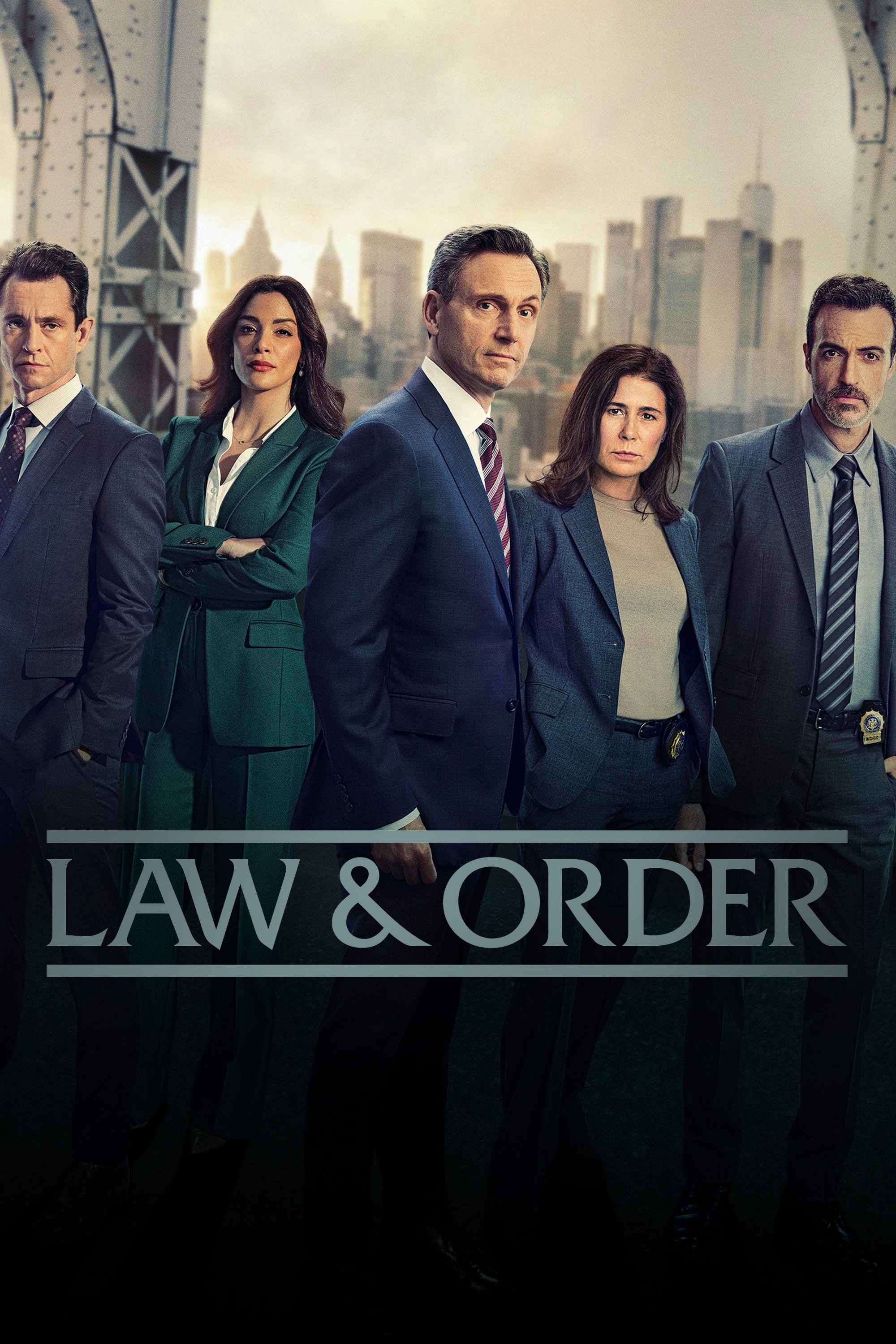
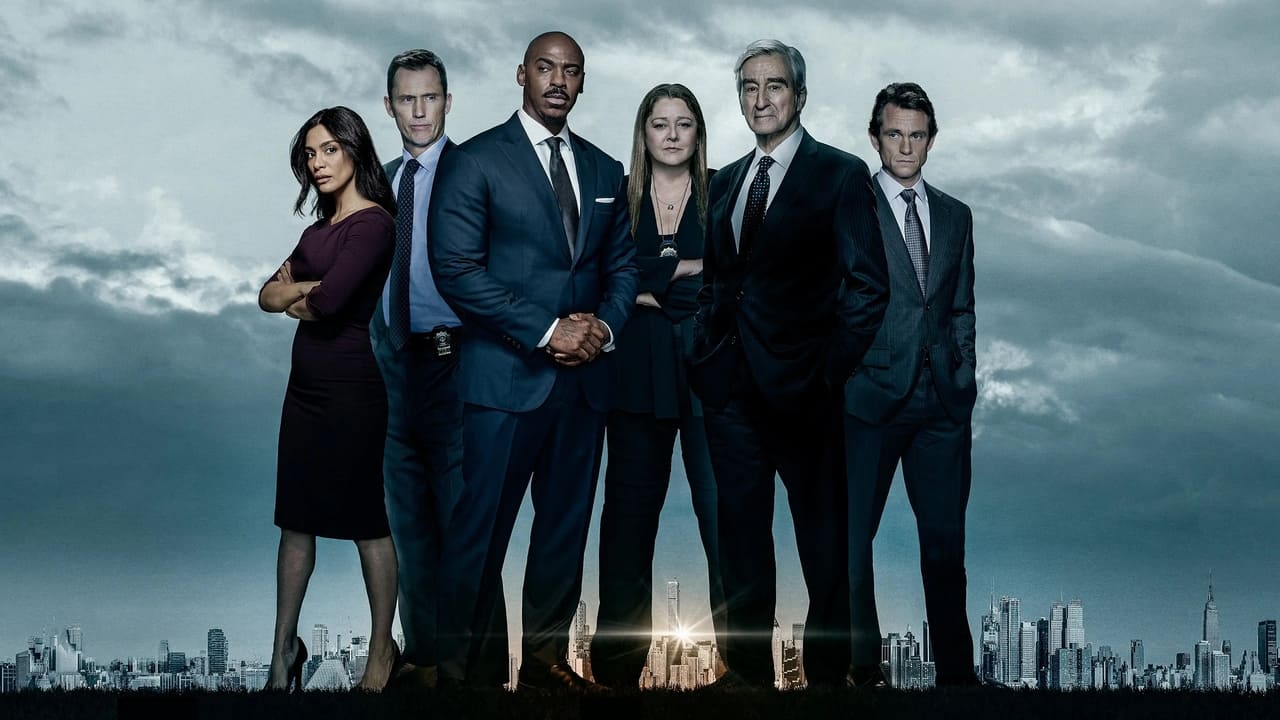
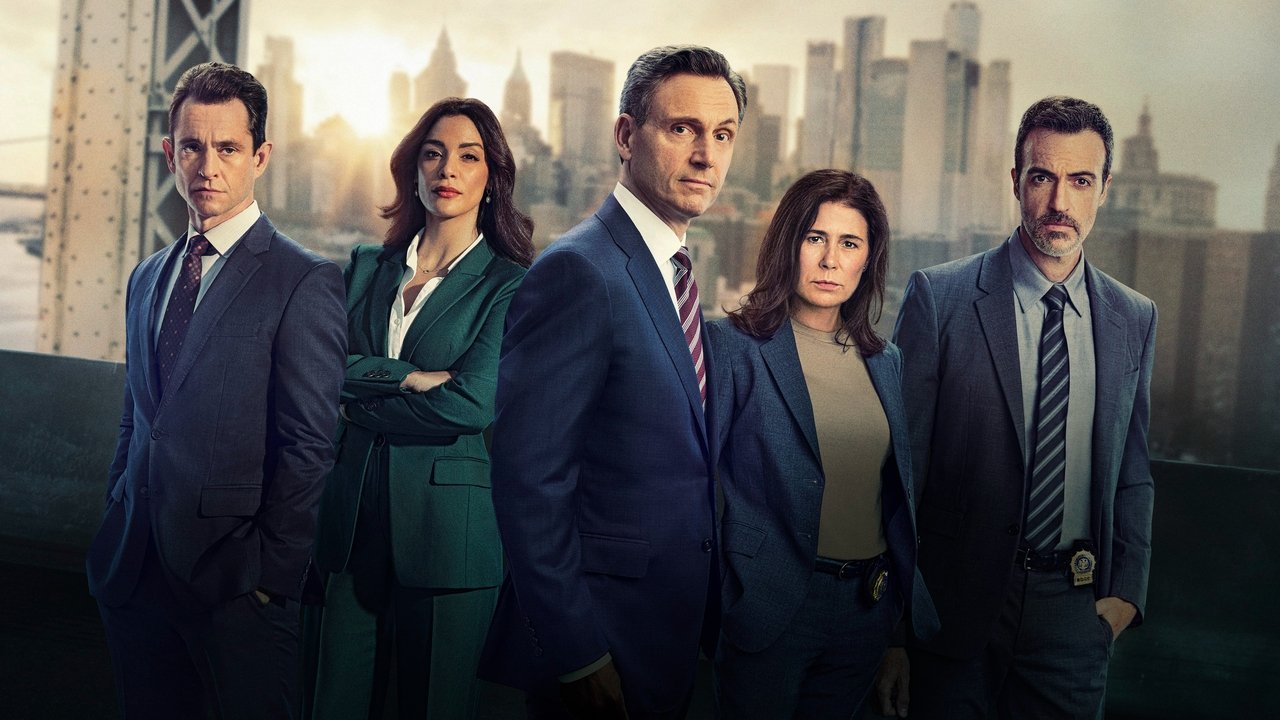
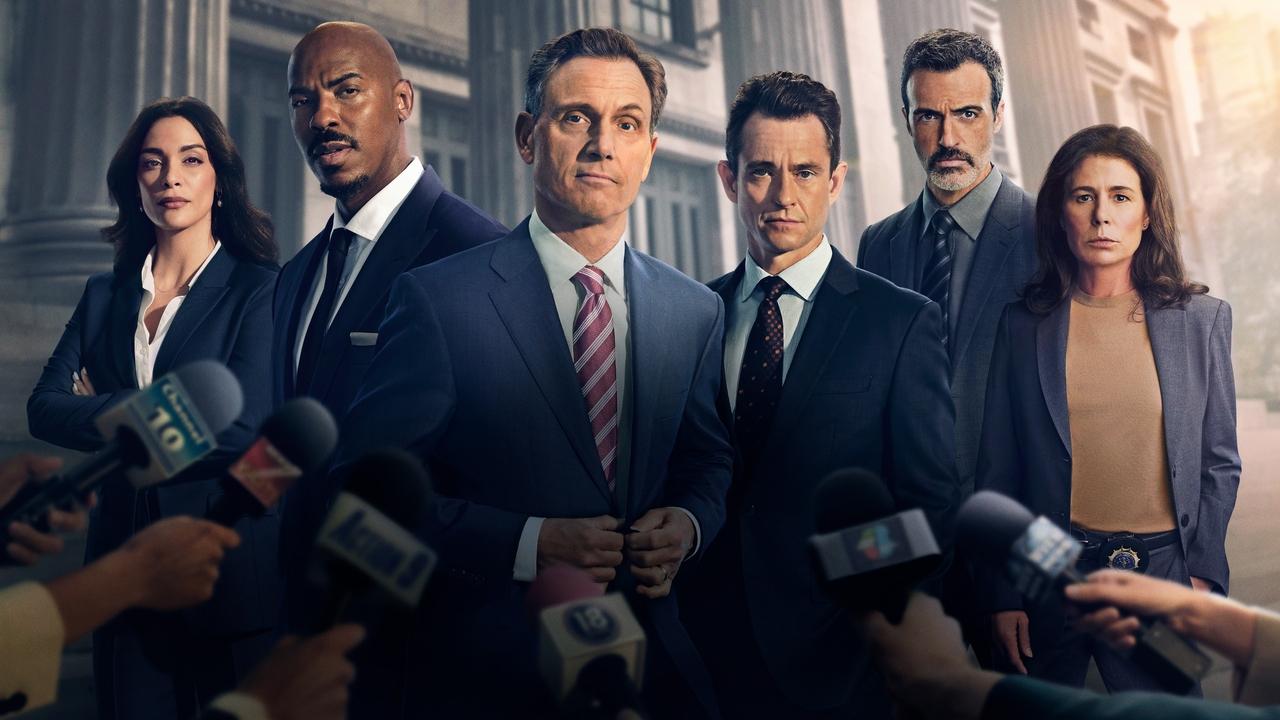
There’s a reason this show spawned a billion-dollar franchise. The split structure—half police procedural, half legal drama—is the perfect narrative engine. It gives you the visceral satisfaction of the hunt and the intellectual payoff of the trial. Unlike its spin-off SVU, which can lean into sensationalism, the original Law & Order is often a much colder, more cerebral experience.
If you're starting from scratch, don't feel obligated to begin with Season 1. The show really finds its soul in the mid-90s when Jerry Orbach’s Lennie Briscoe becomes the anchor. His chemistry with various partners provides the only real 'warmth' in an otherwise clinical New York City. The show treats the city itself as a character—grey, loud, and constantly moving.
For a parent, the value here is in the 'grey areas.' The show frequently ends with a win for the prosecution that feels like a loss for justice, or vice versa. It’s a great way to talk to a teen about the difference between what is legal and what is right. It doesn't always provide easy answers, which is exactly why it’s still worth watching in 2026.
"In the criminal justice system, the people are represented by two separate yet equally important groups: the police who investigate crime, and the district attorneys who prosecute the offenders. These are their stories."