The Revenge Fantasy Trap
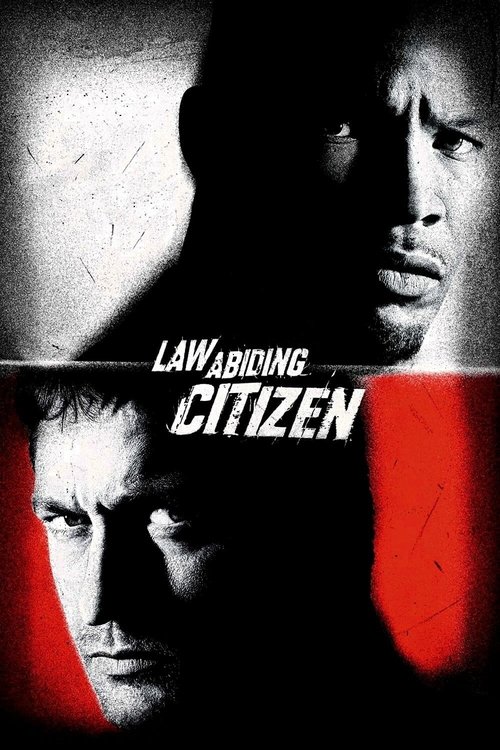
There was a specific era in the late 2000s where 'justice' movies felt the need to be as loud and bloody as possible, and Law Abiding Citizen is the poster child for that movement. It’s a movie that wants to be Se7en but ends up feeling more like a high-budget Death Wish sequel.
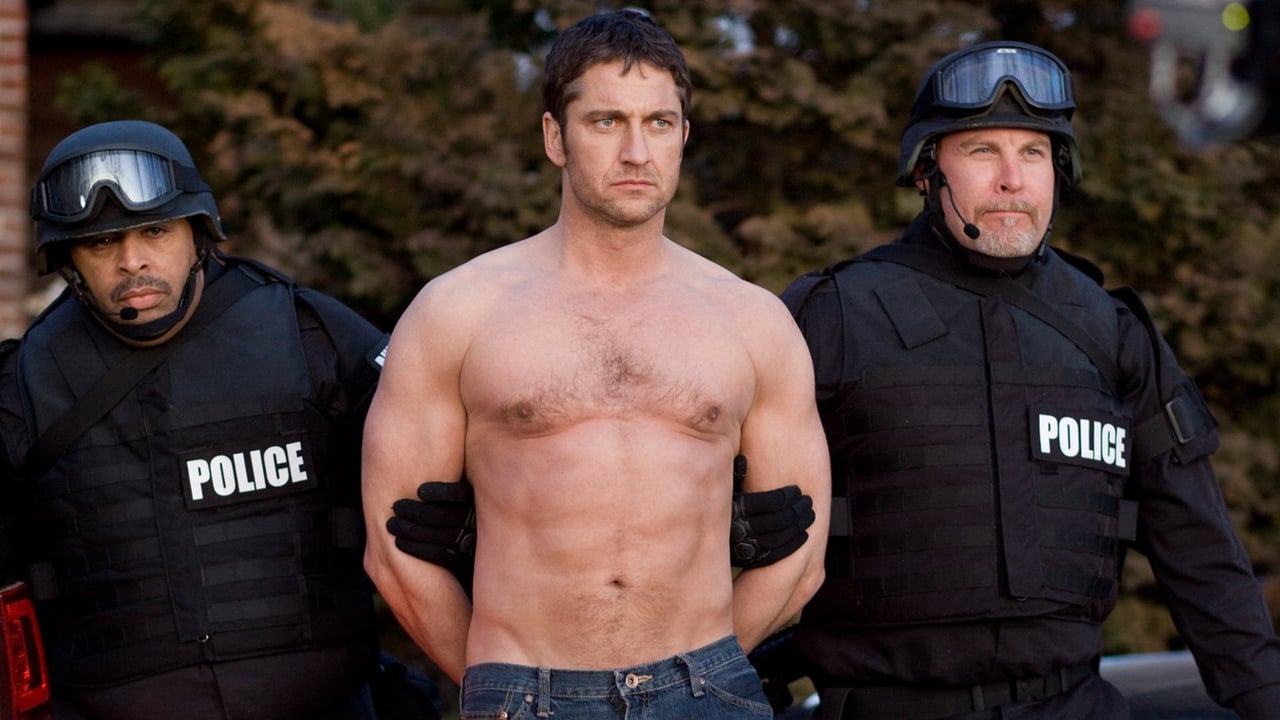
The setup is actually great: Clyde Shelton (Gerard Butler) watches his family murdered, sees the killer get a light sentence through a plea bargain, and then spends ten years planning a systematic takedown of everyone involved. When he finally starts his campaign, he doesn't just go after the killers—he goes after the lawyers, the judges, and the very concept of the Philadelphia DA's office.
Why the Third Act Stumbles
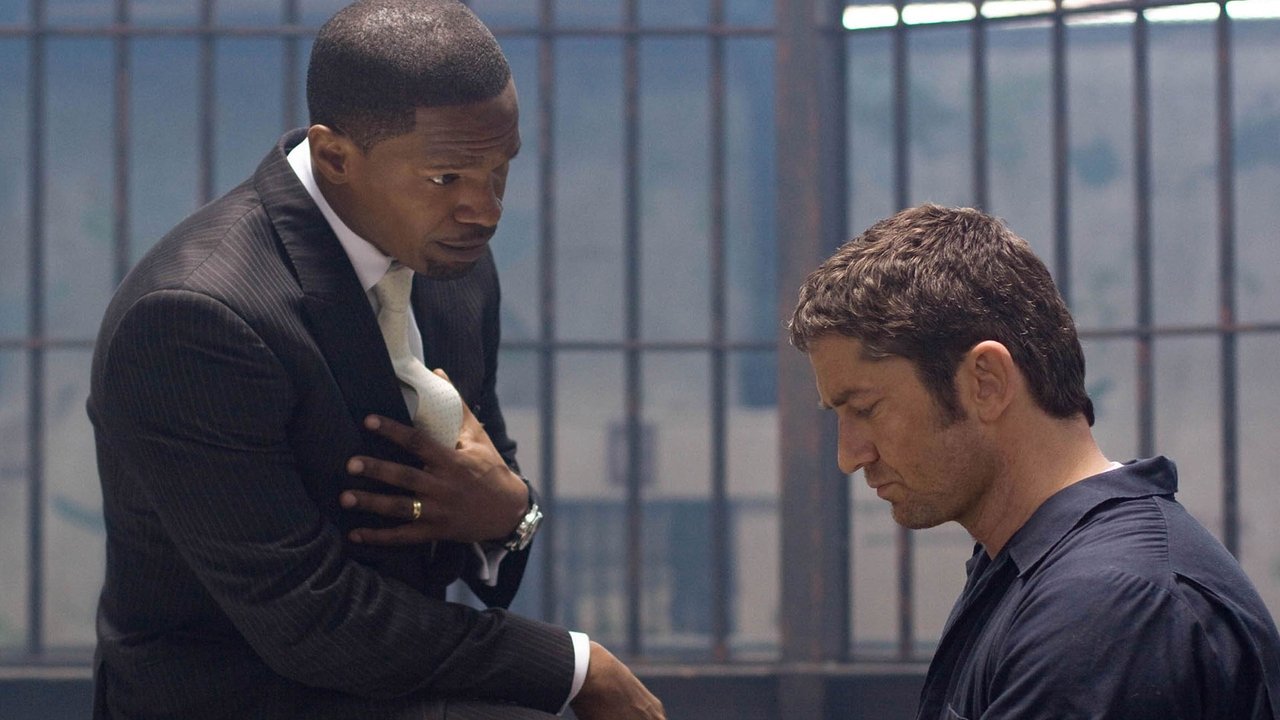
Most people who love this movie love the first hour. It’s a cat-and-mouse game where Clyde is already in jail, yet people are still dying in increasingly creative ways. It forces the audience to confront a weird reality: you kind of want the 'villain' to win because the 'hero' (Jamie Foxx's Nick Rice) is a careerist who seems more interested in his conviction rate than actual justice.
However, the movie loses its nerve in the final twenty minutes. It shifts from a clever exploration of legal loopholes into a standard action movie where the 'good guy' has to save the day. If you're watching this with an older teen, that's the conversation to have: why did the filmmakers feel the need to make the ending so 'safe' after being so 'unsafe' for the rest of the runtime?
The Gore Factor
Don't underestimate the violence here. This isn't Marvel-style 'poof and they're gone' action. This is 'a man is strapped to a table and systematically taken apart' action. It was released during the height of the 'torture porn' trend in horror, and some of that DNA definitely leaked into this script. If your kid is sensitive to medical-style gore or intense suffering, skip this one entirely.