A Tight Pressure-Cooker Horror
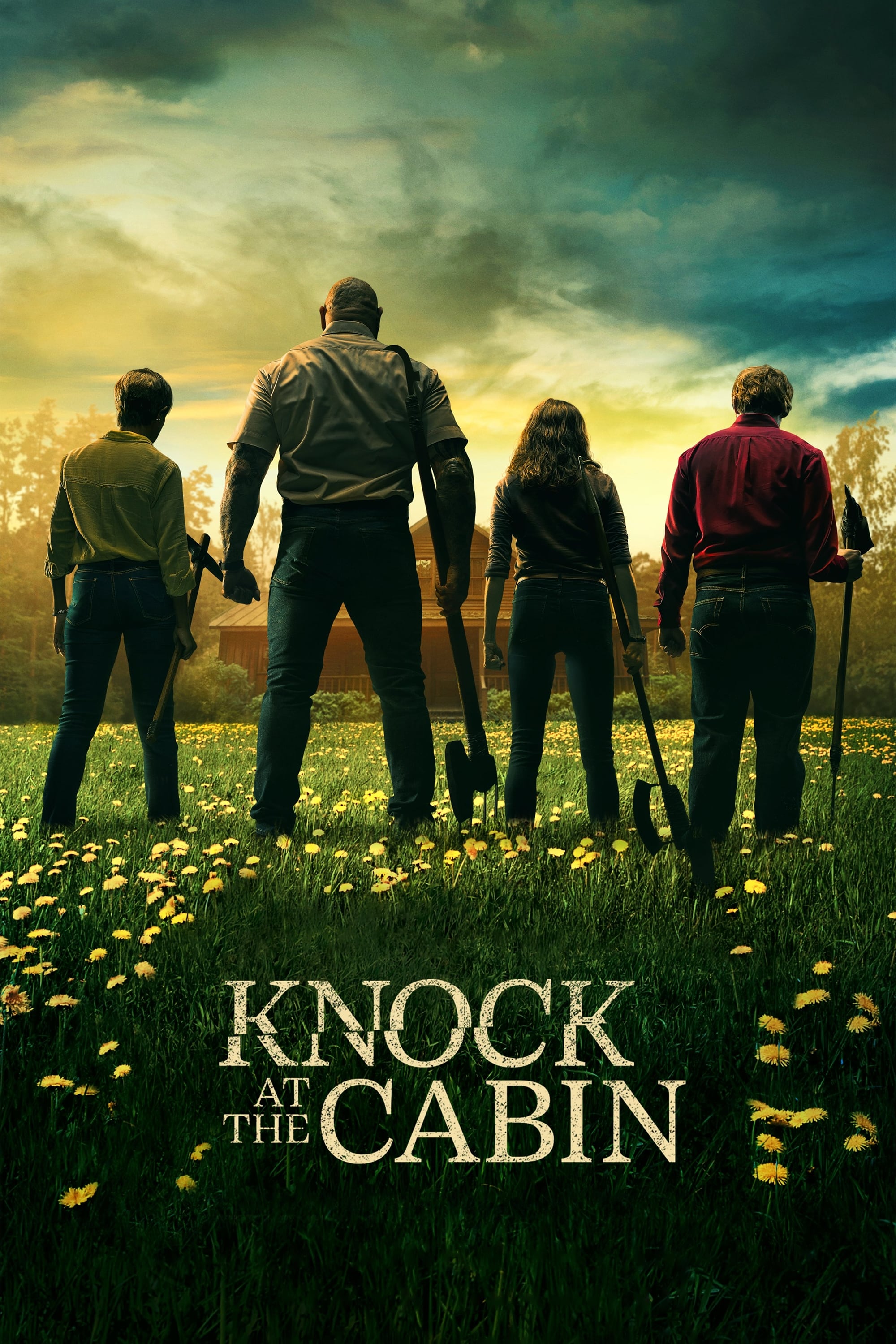
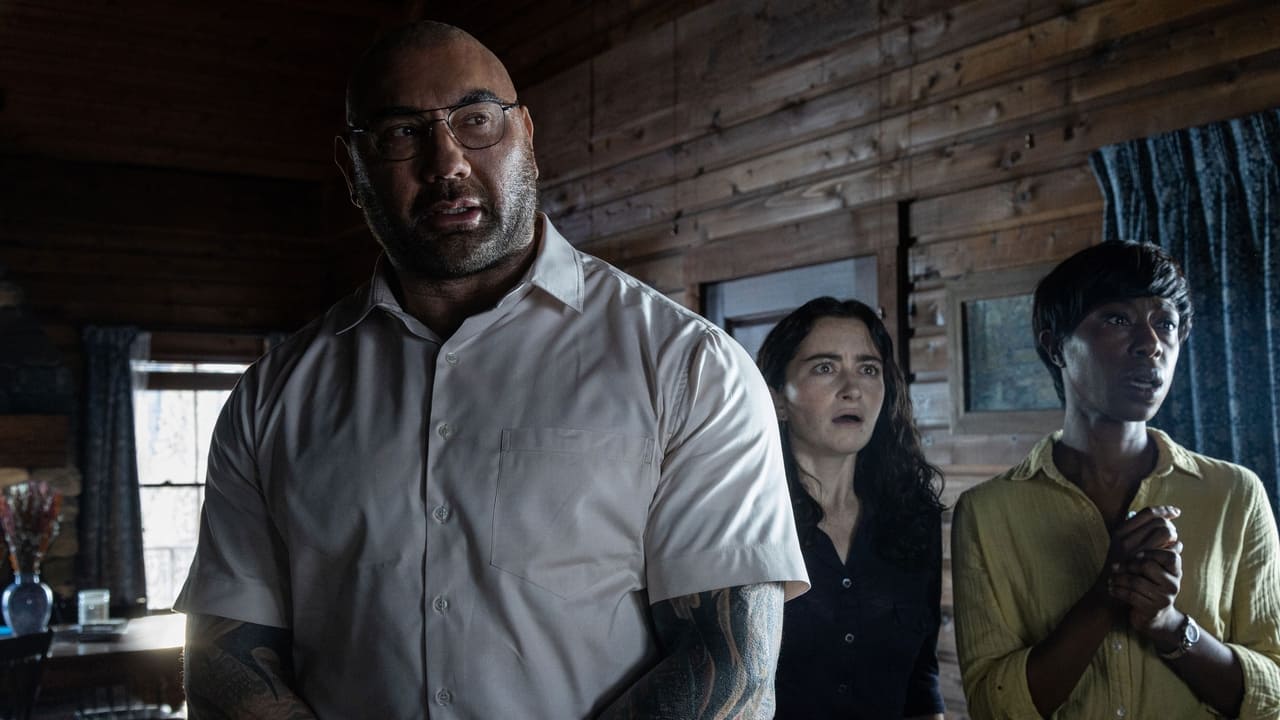
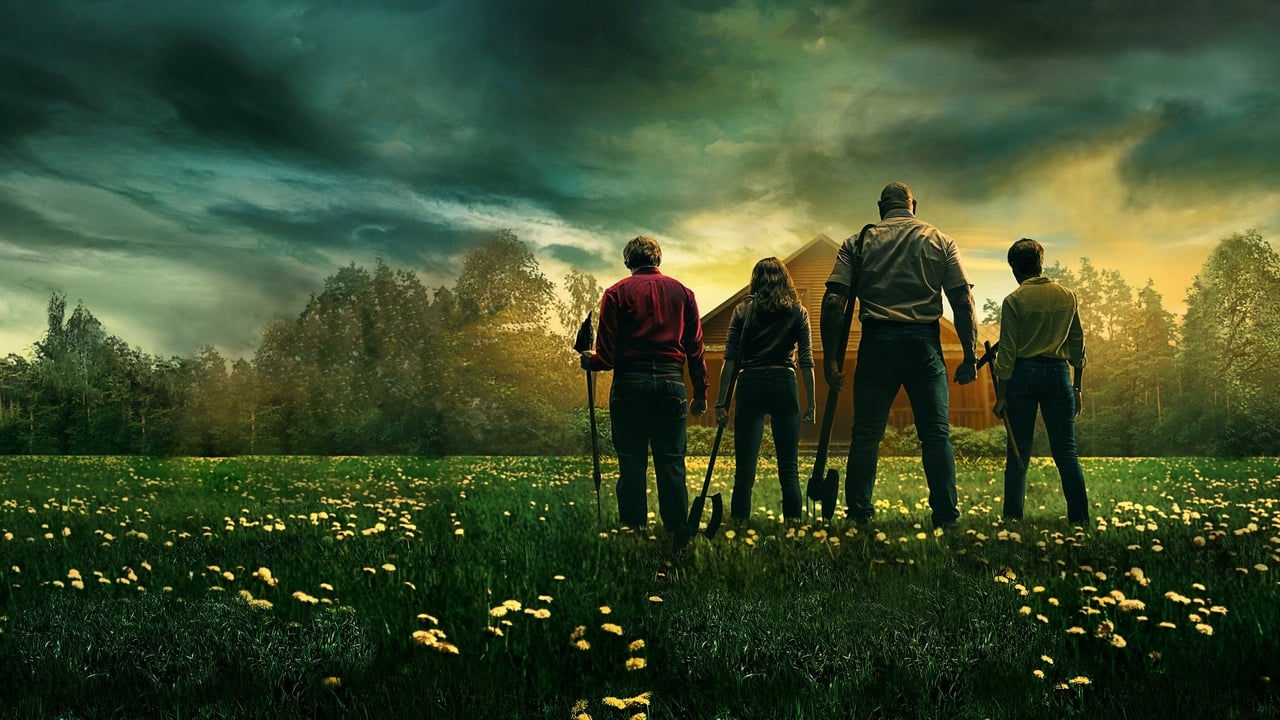
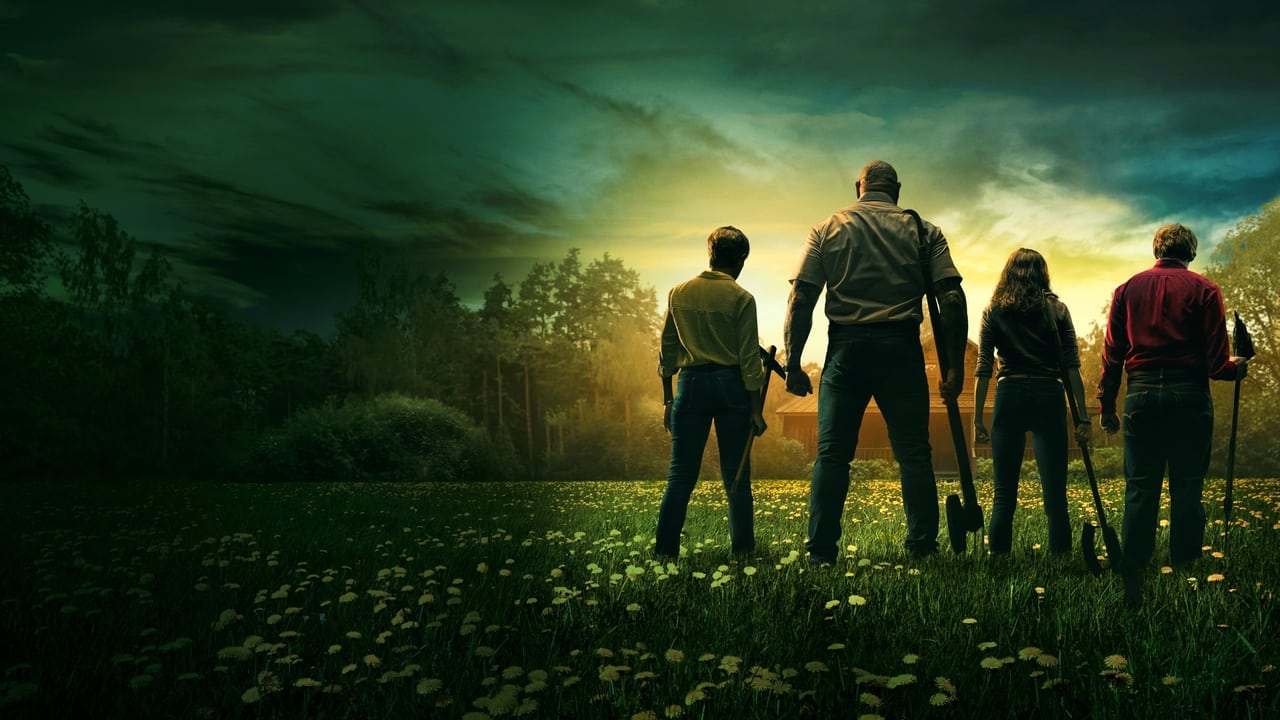
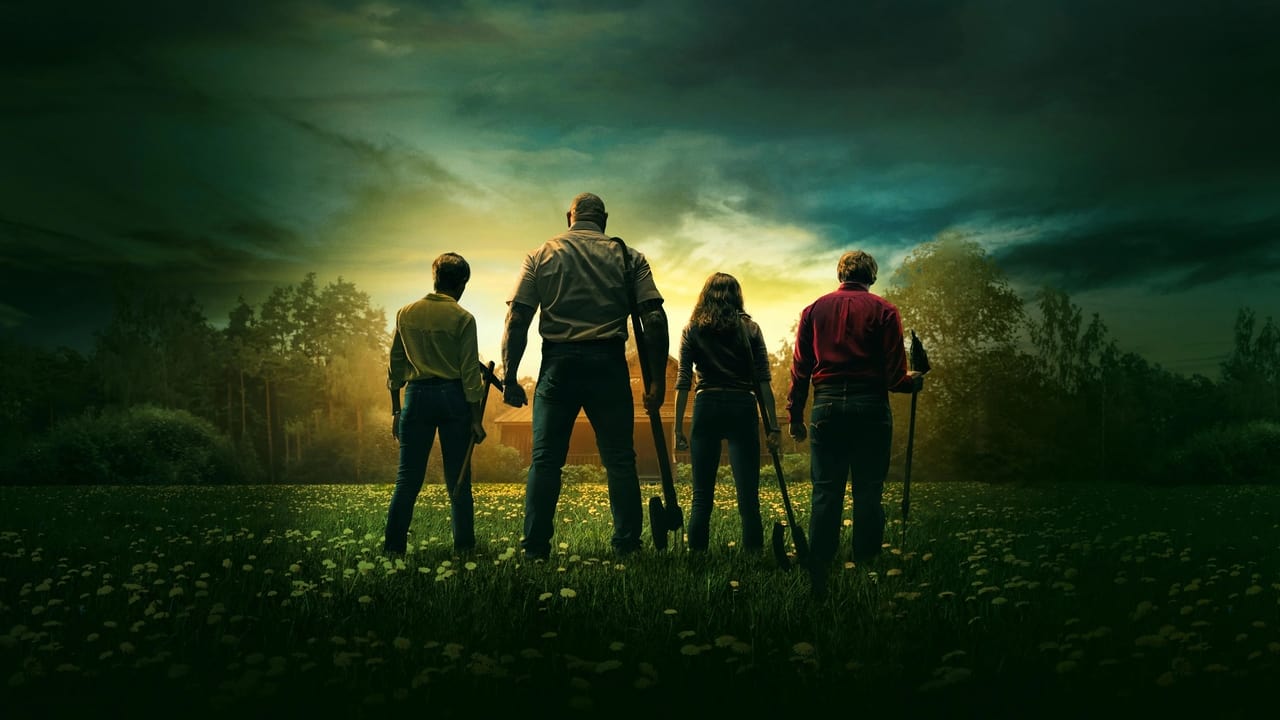
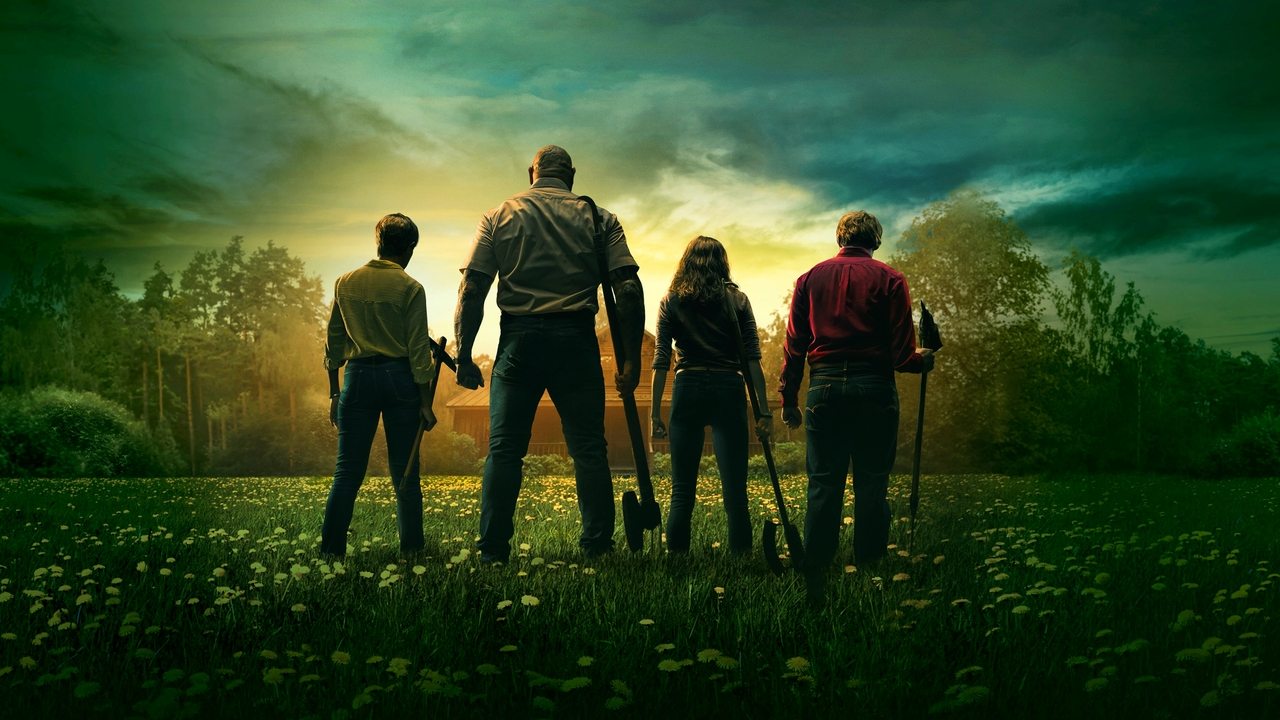
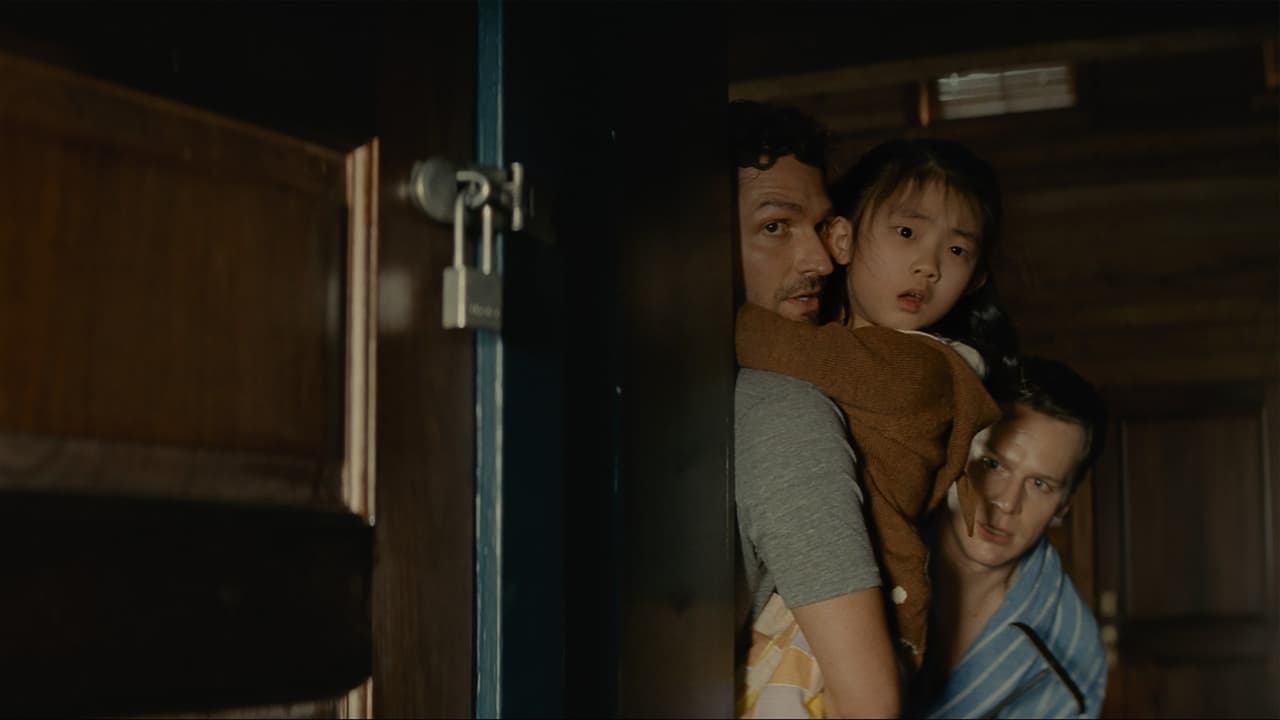
Adapted from Paul Tremblay's novel The Cabin at the End of the World, Shyamalan's screen version simplifies the source material's ambiguity to build a straight-line thriller. The setup is simple: Eric and Andrew are on vacation with their adopted daughter Wen when four armed strangers knock on their door. The intruders, led by a soft-spoken schoolteacher named Leonard, insist they bear no personal malice but have been united by visions showing the end of days.
What follows is a locked-room chamber piece where news reports of tsunamis, plagues, and falling planes trickling in on the cabin television seem to confirm the intruders' claims. The movie relies less on monster visuals and more on the terrifying prospect of rational people acting on horrific convictions.
Intensity and Content Breakdown
Unlike traditional horror movies that depend on dark corridors and sudden shock effects, this story operates in daylight. The terror comes directly from human interaction and explicit ultimatums. Every time the family refuses to make a choice, one of the invaders is killed by their companions using makeshift weapons wrapped in white cloth, triggering the next wave of global cataclysm.
Though the camera occasionally pans away at the exact moment of impact, the sound design, blood spatter, and aftermath are explicit. For a teenager, the central discomfort isn't just the blood; it's watching two parents bound to chairs while their young child hides, terrified, in a side room.
The Moral Dilemma
The film functions as a trolley problem wrapped in a home invasion. Andrew represents hard rationalism, attributing the catastrophes to coincidences and the invaders to a hate-driven militia. Eric represents a shifting perspective open to spiritual sacrifice. Watching these two worldviews collide inside a loving family offers genuine dramatic substance for older teens ready to grapple with heavy ethical questions.